Find the Best Geothermal Heat Pump Contractors for Your Business
No obligation • Fast responses • Nationwide coverage

Why you can trust HVAC Firms
HVAC Firms is a leading United States resource for evaluating HVAC service providers. Our team researches companies, checks credentials, and reviews customer feedback to present clear, unbiased information. Listings and rankings are based on merit, and companies cannot pay to change our editorial content.
Search providers near you
Top Geothermal Heat Pump Contractors in Taunton, Massachusetts Ranked
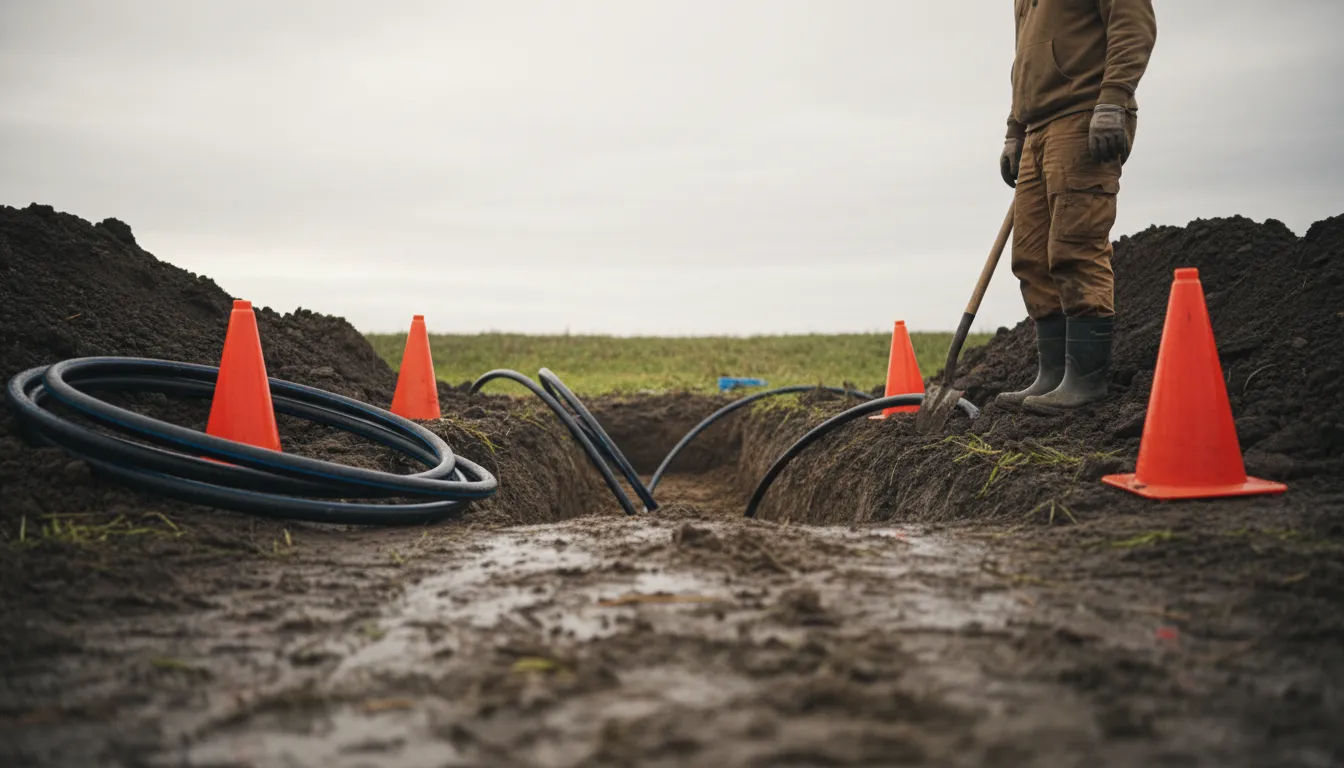
A geothermal heat pump is a highly efficient heating and cooling system that leverages the earth's stable underground temperature. For Taunton homeowners, this technology offers a reliable way to manage indoor climate while significantly reducing energy consumption and utility bills. This guide explains how these ground-source systems work, what installation entails, and how you can find qualified local experts to assess your property for this sustainable upgrade.
Alvin Hollis
1 Hollis St, South Weymouth, MA 02190
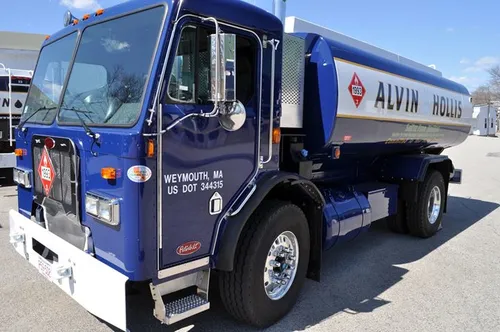
Alvin Hollis is a full-service energy company serving Boston, MA, and the South Shore area. They provide installation, repair, and maintenance for heating and cooling systems including air conditioners, furnaces, heat pumps, mini splits, and geothermal heat pumps. The company also offers indoor air quality services and delivers traditional and sulfur-free heating oil blended with biodegradable materials. Established in 1871, Alvin Hollis has a long history of supporting homes and businesses with energy solutions such as solar power and geothermal energy.
Massachusetts Geothermal
8 Grove St, Medfield, MA 02052
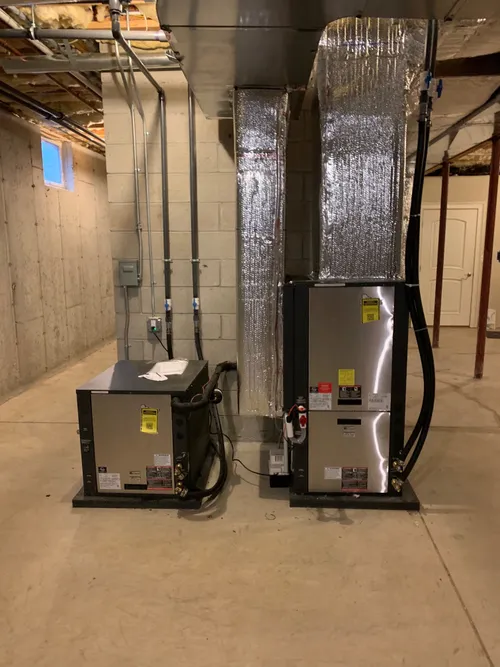
Massachusetts Geothermal is a geothermal heat pump contractor based in Boston, MA. They specialize in installing and servicing geothermal heat pump systems, offering energy-efficient heating and cooling solutions. The company is connected with industry organizations such as the International Ground Source Heat Pump Association and the Geothermal Exchange Organization, reflecting their involvement in the geothermal community.
ATCO HVAC
43 Lyman Rd, Milton, MA 02186
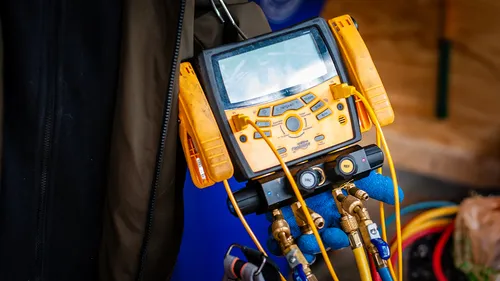
ATCO HVAC is a heating and air conditioning company serving Boston, MA, and nearby communities. They provide installation, repair, and maintenance services for a range of HVAC systems including air conditioners, furnaces, heat pumps, boilers, mini splits, and geothermal heat pumps. The company also offers indoor air quality products and HVAC tune-ups to help maintain system efficiency. As a licensed contractor and dealer for Trane® and Bryant, ATCO HVAC has the expertise and equipment to handle all brands and system types. They provide emergency service and offer service agreements to support ongoing system performance.
How Geothermal Systems Work: Tapping into the Earth's Constant Temperature
The core principle behind a geothermal heating and cooling system is remarkably simple: it uses the earth as a thermal battery. Just a few feet below the surface, beyond the frost line, the ground maintains a nearly constant temperature between 50°F and 60°F year-round, regardless of the weather above 1 2. A geothermal system, or ground-source heat pump, exchanges heat with this stable reservoir.
Here's the basic process:
- Heat Exchange: A loop of pipes, called a ground loop, is buried in your yard. A water-based solution circulates through this sealed loop.
- Winter Heating: In the heating season, the fluid absorbs the earth's natural warmth as it travels through the underground pipes. This warmed fluid is brought back to a heat pump unit inside your home.
- Summer Cooling: In the cooling season, the system reverses. It extracts heat from your home's air and transfers it into the cooler fluid in the loop, which then disperses that heat into the ground.
The indoor heat pump unit then concentrates this energy, delivering warm or cool air throughout your home via existing ductwork or a ductless system. This same process can often be configured to provide a substantial portion of your home's hot water 3 4.
Benefits of Installing a Geothermal Heat Pump in Taunton
Switching to a geothermal system offers several compelling advantages for Massachusetts residents, particularly given the region's cold winters and humid summers.
- High Efficiency & Lower Operating Costs: Geothermal heat pumps are among the most efficient heating and cooling technologies available. They move heat rather than generate it by burning fuel, which can translate to energy savings of up to 50% on heating and cooling bills compared to conventional systems.
- Year-Round Comfort: One system provides both heating and cooling, along with dehumidification, ensuring consistent comfort in all seasons.
- Longevity and Reliability: The underground loop system is incredibly durable, often warranted for 50 years and lasting generations. The indoor heat pump unit also typically has a longer lifespan than conventional air conditioners and furnaces 5.
- Environmental Sustainability: By using renewable thermal energy from the ground and electricity, these systems drastically reduce your home's carbon footprint and reliance on fossil fuels.
- Quiet Operation and Space Savings: With no noisy outdoor condenser unit, the system operates very quietly. There's also no need for an external fuel tank or above-ground equipment aside from the discreet heat pump unit.
Find the perfect geothermal heat pump contractors for your needs
Get personalized recommendations and expert advice
Types of Ground Loop Systems for Taunton Properties
The design of the buried ground loop is critical and depends on your property's characteristics-soil composition, rock content, land area, and accessibility. The main types are:
Closed-Loop Systems (Most Common) In a closed-loop system, a sealed circuit of high-density polyethylene pipe is buried. The fluid inside never touches the ground; it only exchanges heat through the pipe wall.
- Vertical Loop: This is the most common installation type in Massachusetts, especially for homes with smaller lots like many in Taunton. Contractors use a drilling rig to bore holes 150 to 400 feet deep. U-shaped pipes are inserted into each borehole, which are then backfilled. This configuration is ideal when surface area is limited and is less disruptive to existing landscaping.
- Horizontal Loop: This requires more land area. Contractors dig trenches 4 to 6 feet deep, typically hundreds of feet long, and lay pipes in a series of parallel runs. This method is often more cost-effective if your property has sufficient open space 6 7.
Open-Loop System (Less Common) An open-loop system uses groundwater from a well or a pond as the heat exchange fluid. It circulates the water directly through the heat pump and then discharges it. This system can be highly efficient but requires an adequate, sustainable water source and compliance with local codes regarding water discharge, making it less common than closed-loop options.
The Geothermal Installation Process: What to Expect
Installing a geothermal system is a significant project that requires professional expertise. Understanding the steps can help you prepare.
- Site Evaluation and Design: A qualified installer will conduct a thorough assessment of your Taunton property. They will evaluate soil conditions, available land, your home's heating and cooling loads, and the existing ductwork to design the most effective system. This step determines the optimal loop type and size 8.
- Loop Field Installation: This is the major excavation phase. For a vertical system, a drilling rig will be brought in to create the boreholes. For a horizontal system, a backhoe will dig the necessary trenches. The piping is then placed, connected, and pressure-tested.
- Heat Pump and Ductwork Integration: The indoor heat pump unit is installed, typically in a basement, utility room, or garage. It is connected to the ground loop and to your home's existing ductwork or to new air handlers for a ductless setup. Electrical and plumbing connections are finalized.
- System Charging and Commissioning: The loop is filled with the heat transfer fluid, and the entire system is started. The installer will test and calibrate all components, ensuring everything operates at peak efficiency before handing over control to you.
Understanding Costs and Incentives for Geothermal
The upfront investment for a geothermal heat pump system is higher than for a traditional HVAC system, primarily due to the ground loop installation. In the Taunton area, total installation costs can range from $20,000 to over $40,000, depending heavily on your home's size, the chosen loop type, soil conditions, and the complexity of the indoor installation 9.
However, significant financial incentives can offset a large portion of this cost:
- Federal Tax Credit: The federal Residential Clean Energy Credit provides a tax credit for 30% of the total installed cost of a qualifying geothermal heat pump system, with no upper limit. This credit applies through 2032 10.
- State and Local Incentives: Massachusetts and local utilities often offer additional rebates, low-interest loans, or special financing programs for clean energy upgrades. It's essential to ask your installer about current Mass Save® or other state-sponsored incentives.
When evaluating cost, consider the total lifecycle expense. The dramatic reduction in monthly energy bills, combined with lower maintenance costs and the system's exceptional longevity, means a geothermal system often pays for itself over time, leading to substantial long-term savings.
Finding the Right Geothermal Professional in Taunton
Selecting an experienced, certified installer is the most important decision you'll make. Look for contractors who:
- Are licensed, insured, and have specific experience with geothermal installations in Massachusetts.
- Conduct a detailed Manual J load calculation and site assessment before providing a quote.
- Can explain the pros and cons of different loop types for your specific property.
- Provide clear, written estimates that include all drilling, equipment, labor, and permitting.
- Offer references from past geothermal projects in the region.
Frequently asked questions
Sources
Footnotes
-
5 Things You Should Know about Geothermal Heat Pumps - https://www.energy.gov/cmei/articles/5-things-you-should-know-about-geothermal-heat-pumps ↩
-
Ground-Source Heat Pumps - Massachusetts Clean Energy ... - https://goclean.masscec.com/clean-energy-solutions/ground-source-heat-pumps/ ↩
-
How Does A Geothermal Heat Pump Work? Complete 2025 Guide - https://solartechonline.com/blog/how-does-geothermal-heat-pump-work/ ↩
-
Geothermal heat pumps - U.S. Energy Information Administration (EIA) - https://www.eia.gov/energyexplained/geothermal/geothermal-heat-pumps.php ↩
-
Everything You Need to Know About Geothermal Heat Pumps - https://www.familyhandyman.com/article/everything-you-need-to-know-about-geothermal-heat-pumps/ ↩
-
How Does a Geothermal System Work? - ClimateMaster - https://www.climatemaster.com/homeowner/side-links/how-it-works ↩
-
Geothermal Installation Steps Explained - https://ultrageothermal.com/geothermal-installation-steps-explained/ ↩
-
Ground-Source Heat Pumps - Abode Energy Management - https://abodeenergy.com/wp-content/uploads/2022/07/MassCEC_GSHP_GUIDE.pdf ↩
-
5 Things You Should Know About Geothermal Heat Pumps - https://www.ecicomfort.com/blog/5-things-you-should-know-about-geothermal-heat-pumps ↩
-
Geothermal Ground-Source Heat Pump | Mass.gov - https://www.mass.gov/doc/about-geothermal-heat-pumps-handout/download ↩