
Find the Best Geothermal Heat Pump Contractors for Your Business
No obligation • Fast responses • Nationwide coverage

Why you can trust HVAC Firms
HVAC Firms is a leading United States resource for evaluating HVAC service providers. Our team researches companies, checks credentials, and reviews customer feedback to present clear, unbiased information. Listings and rankings are based on merit, and companies cannot pay to change our editorial content.
Search providers near you
Top Geothermal Heat Pump Contractors in Revere, Massachusetts Ranked
A geothermal heat pump, or ground-source heat pump, is a highly efficient system that uses the Earth's stable underground temperature to heat and cool your home. For Revere residents, this technology offers a path to significant energy savings, enhanced comfort, and reduced environmental impact. This guide explains how these systems work, what installation in Revere involves, and how you can find qualified local professionals to assess your property and provide a quote.
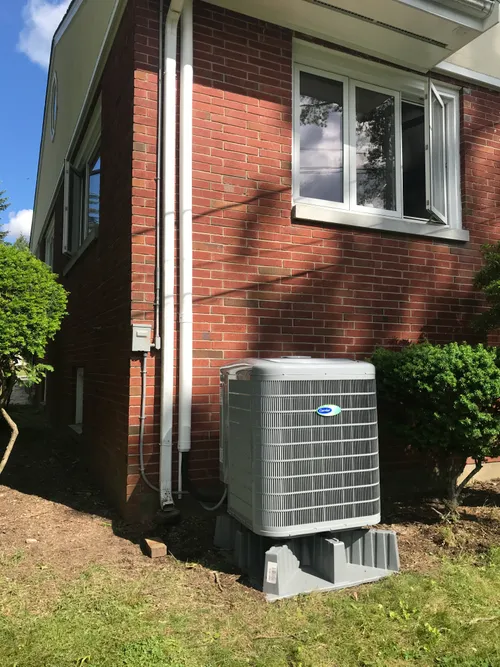
Net Zero Heating & Air Conditioning
55 Ellingwood Ave, Billerica, MA 01821
Net Zero Heating & Air Conditioning is an HVAC contractor based in Boston, MA, specializing in the design, installation, maintenance, and repair of heating and cooling systems. They offer services for air conditioners, furnaces, heat pumps, geothermal systems, and high-efficiency water heaters, helping customers improve home energy efficiency and reduce fossil fuel dependency. Their team evaluates each home's needs to recommend and install systems that meet or exceed local energy requirements. Net Zero is certified by NATE, Bryant, and Mitsubishi Diamond, and is a member of 1% for the Planet, reflecting their commitment to environmental goals.
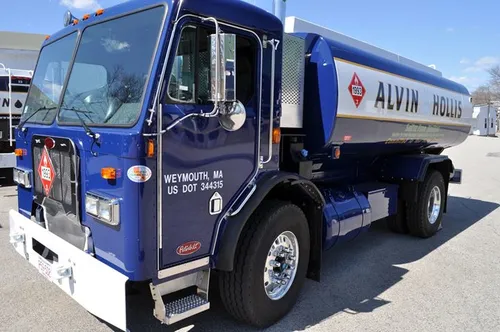
Alvin Hollis
1 Hollis St, South Weymouth, MA 02190
Alvin Hollis is a full-service energy company serving Boston, MA, and the South Shore area. They provide installation, repair, and maintenance for heating and cooling systems including air conditioners, furnaces, heat pumps, mini splits, and geothermal heat pumps. The company also offers indoor air quality services and delivers traditional and sulfur-free heating oil blended with biodegradable materials. Established in 1871, Alvin Hollis has a long history of supporting homes and businesses with energy solutions such as solar power and geothermal energy.
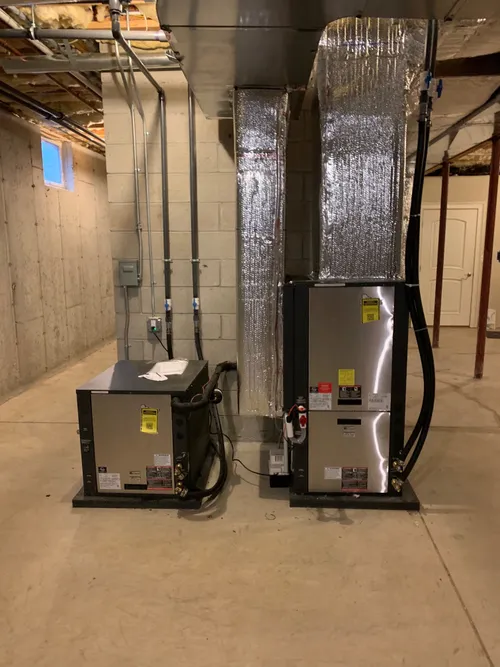
Massachusetts Geothermal
8 Grove St, Medfield, MA 02052
Massachusetts Geothermal is a geothermal heat pump contractor based in Boston, MA. They specialize in installing and servicing geothermal heat pump systems, offering energy-efficient heating and cooling solutions. The company is connected with industry organizations such as the International Ground Source Heat Pump Association and the Geothermal Exchange Organization, reflecting their involvement in the geothermal community.
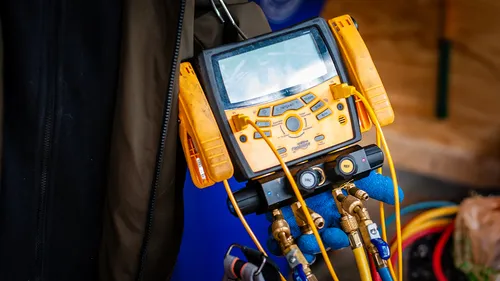
ATCO HVAC
43 Lyman Rd, Milton, MA 02186
ATCO HVAC is a heating and air conditioning company serving Boston, MA, and nearby communities. They provide installation, repair, and maintenance services for a range of HVAC systems including air conditioners, furnaces, heat pumps, boilers, mini splits, and geothermal heat pumps. The company also offers indoor air quality products and HVAC tune-ups to help maintain system efficiency. As a licensed contractor and dealer for Trane® and Bryant, ATCO HVAC has the expertise and equipment to handle all brands and system types. They provide emergency service and offer service agreements to support ongoing system performance.
EnergySmart Alternatives, LLC
Boston, MA
EnergySmart Alternatives, LLC is a geothermal heat pump contractor based in Boston, MA. They manage the entire geothermal project process, including site evaluation, design, permitting, installation, and paperwork for incentives. Their services focus on geothermal heating and cooling systems that use the Earth's stable temperature to provide efficient year-round comfort and improved indoor air quality. EnergySmart handles new builds, retrofits, and replacements with certified installers to ensure proper system performance. Their approach reduces fossil fuel use and carbon footprint while offering financial and environmental benefits.
How Geothermal Heating and Cooling Works
The core principle behind a ground-source heat pump is remarkably simple: it leverages the fact that just a few feet below the surface, the Earth maintains a nearly constant temperature of 50-60°F year-round, regardless of summer heat or winter chill 1. This thermal stability is the system's powerhouse.
In the winter, a fluid (typically water mixed with antifreeze) circulates through a loop of pipes buried in your yard. This fluid absorbs the gentle heat from the ground. It then returns to an indoor unit, where a heat pump concentrates this low-grade thermal energy and transfers it to your home's air or water distribution system 2. The process is reversed for cooling. During a Revere summer, the system extracts heat from your home's air and transfers it into the cooler fluid in the ground loop, which then dissipates the heat into the earth 3. This exchange is far more efficient than generating heat or fighting the outdoor air temperature directly, which is why geothermal systems can achieve such impressive savings.
Types of Ground Loop Systems
The underground piping, or "ground loop," is the critical component that exchanges heat with the earth. The right type for your Revere property depends on your land, soil, and access to water. There are three primary configurations:
Horizontal Closed Loops: This is often the most cost-effective installation method if space allows. Contractors dig trenches, typically 4 to 6 feet deep, and lay pipes in a series of parallel loops. A significant amount of clear, open land is required, making this system well-suited for properties with larger yards.
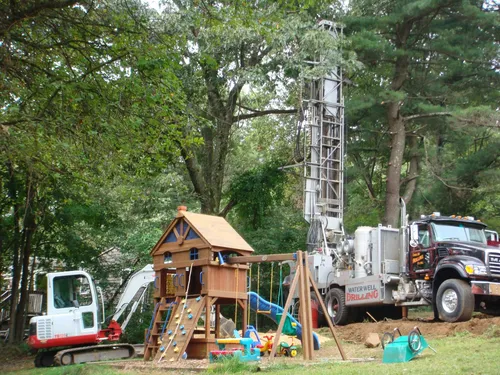
Vertical Closed Loops: For homes in Revere with limited yard space, vertical loops are the ideal solution. Installers use a drilling rig to bore holes 100 to 400 feet deep. U-shaped pipes are then inserted into each borehole, and the holes are backfilled with a special grout to ensure good thermal contact. While the drilling can be more expensive upfront, this system requires minimal surface area.
Pond/Lake Loops (Open or Closed): If you have access to a sufficiently large and deep body of water, this can be the lowest-cost loop option. Coils of pipe are submerged at a depth where water temperatures remain stable. This method avoids the need for extensive trenching or drilling, but it is entirely dependent on having a suitable water source nearby 4.
The Geothermal Installation Process in Revere
Installing a geothermal HVAC system is a significant project that requires careful planning and expert execution. Understanding the steps can help you know what to expect when working with a local installer.
-
Site Assessment and Design: A qualified professional will visit your property to evaluate key factors: soil composition (which affects heat transfer), available land, bedrock depth, and the layout of your home. This assessment determines the most feasible and efficient loop type and sizes the system correctly for your heating and cooling loads.
-
Loop Installation: This is the major excavation phase. For a horizontal system, a backhoe or trencher will dig the necessary trenches. For a vertical system, a drilling rig will be brought in to create the boreholes. The pipes used are made of high-density polyethylene (HDPE), a durable material designed for a long lifespan underground 5 6.
-
Indoor Unit Connection: The underground loops are connected to the indoor heat pump unit, which is typically installed in a basement, utility closet, or garage. This unit houses the compressor, heat exchanger, and controls 7 8.
-
Distribution and Integration: The geothermal unit is connected to your home's existing ductwork to distribute conditioned air. For homes without ducts, the system can often be integrated with ductless mini-split heads. The system will also usually include a device to provide domestic hot water, further increasing its efficiency.
-
System Activation and Testing: Once everything is connected, the system is charged with refrigerant, the loop is filled and pressurized, and the entire system is tested for performance and leaks. The installer will calibrate the controls and walk you through its operation.
Find the perfect geothermal heat pump contractors for your needs
Get personalized recommendations and expert advice
Key Considerations for Revere Homeowners
Before committing to a geothermal system, several local factors specific to your Revere property will influence the project's feasibility, design, and cost.
- Available Space: Your lot size and layout are the primary determinants of loop type. Compact urban lots almost always necessitate a vertical loop system, while properties with more land may have the option for a lower-cost horizontal loop 9.
- Soil and Geology: The composition of your soil-whether it's sandy, clay-rich, or rocky-affects how well it transfers heat. Contractors may need to conduct test borings. The presence of bedrock close to the surface can increase drilling difficulty and cost for vertical loops 10.
- Upfront Investment vs. Long-Term Savings: It's crucial to view a geothermal installation as a long-term investment. While the initial cost is significant, often ranging from $20,000 to $40,000 or more depending on system size and site conditions, the operational savings are substantial 11 12. Homeowners can typically expect a 50-60% reduction in their heating and cooling energy bills compared to conventional systems 13 14. This translates to lower monthly expenses and a system that pays for itself over time.
- Comfort and Benefits: Beyond savings, geothermal heat pumps provide exceptionally consistent and even heating and cooling, eliminate outdoor condenser units (reducing noise), have fewer mechanical parts prone to failure, and offer an incredibly long lifespan, often 20+ years for the indoor unit and 50+ years for the ground loop.
Financial Incentives and Environmental Impact
Adopting geothermal technology aligns with Massachusetts' strong clean energy goals. The state, along with federal programs, offers incentives to help offset the installation cost. These can include tax credits, rebates, and special financing options for ground-source heat pumps. A local installer can provide the most current information on available incentives.
Environmentally, a geothermal system drastically reduces your home's carbon footprint. By using renewable thermal energy from the ground and electricity (which is increasingly green in Massachusetts), you are eliminating the on-site combustion of fossil fuels like natural gas or oil. This results in zero direct emissions from your home's heating system, contributing to cleaner air in Revere and the broader fight against climate change.
Finding the Right Local Professional
Success with geothermal technology hinges on proper design and installation. Seek out contractors who are specifically trained and certified in geothermal systems. Look for credentials from organizations like the International Ground Source Heat Pump Association (IGSHPA). Experienced installers will conduct a thorough load calculation and site survey, provide clear explanations of your loop options, and offer detailed quotes that outline all costs and expected performance metrics.
Frequently asked questions
Sources
Footnotes
-
How Does A Geothermal Heat Pump Work? Complete 2025 Guide - https://solartechonline.com/blog/how-does-geothermal-heat-pump-work/ ↩
-
Harnessing The Earth's Power: An Introduction To Geothermal Heating And Cooling In Overland Park - Climate Control Heating and Cooling,Inc. - https://www.climatecontrolkc.com/blog/heating/introduction-to-geothermal-heating-and-cooling/ ↩
-
Geothermal Systems in Wichita - Ground Source Heat Pumps - https://reddihvac.com/geothermal-systems ↩
-
Geothermal Heat Pumps: How They Work | AHRI - https://www.ahrinet.org/scholarships-education/education/homeowners/how-things-work/geothermal-heat-pumps-how-they-work ↩
-
All You Need to Know About Home Geothermal Heating & ... - https://dandelionenergy.com/all-you-need-to-know-about-home-geothermal-heating-cooling ↩
-
The Complete Guide To Geothermal Heat Pump Installation - https://ultrageothermal.com/the-complete-guide-to-geothermal-heat-pump-installation/ ↩
-
Geothermal Ground-Source Heat Pump | Mass.gov - https://www.mass.gov/doc/about-geothermal-heat-pumps-handout/download ↩
-
How Geothermal Heat Pumps Work - https://www.youtube.com/watch?v=XxlTnBukweI&t=37 ↩
-
Geothermal/Hybrid Heating | HVAC Services Boston MA - https://bostonuniqueindoorcomfort.com/products/geothermalhybrid-heating/ ↩
-
Geothermal Heat Pumps - Department of Energy - https://www.energy.gov/energysaver/geothermal-heat-pumps ↩
-
The Hidden Costs of HVAC Installations in Massachusetts - https://askgem.com/blog/hidden-costs-of-hvac-installations-in-massachusetts/ ↩
-
Geothermal Heat Pump Guide: Installation Costs, Types And Benefits - https://modernize.com/hvac/heating-repair-installation/heat-pump/geothermal ↩
-
Ground-Source Heat Pumps - Massachusetts Clean Energy ... - https://goclean.masscec.com/clean-energy-solutions/ground-source-heat-pumps/ ↩
-
Geothermal Heating, Cooling, and Hot Water Systems - https://igshpa.org/wp-content/uploads/Homeowners-Guide-to-Geothermal.pdf ↩