
Find the Best Geothermal Heat Pump Contractors for Your Business
No obligation • Fast responses • Nationwide coverage

Why you can trust HVAC Firms
HVAC Firms is a leading United States resource for evaluating HVAC service providers. Our team researches companies, checks credentials, and reviews customer feedback to present clear, unbiased information. Listings and rankings are based on merit, and companies cannot pay to change our editorial content.
Search providers near you
Top Geothermal Heat Pump Contractors in Elgin, Illinois Ranked
Geothermal heat pumps, also known as ground-source heat pumps, are a highly efficient technology for heating and cooling your Elgin home. By leveraging the Earth's stable underground temperature, these systems can drastically reduce your energy bills and environmental footprint. This guide explains how geothermal heating and cooling works, what installation involves in our area, and how you can connect with qualified local experts to explore this sustainable option for your property.
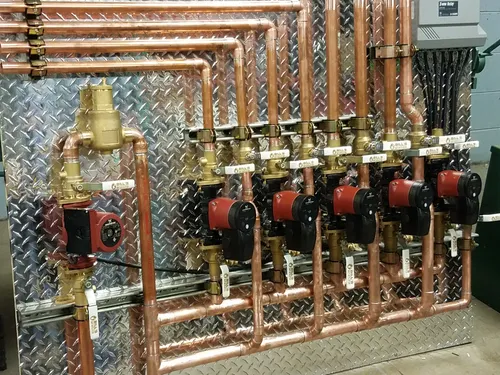
Bill's Heating And Air Conditioning Inc.
1855 Holste Rd, Northbrook, IL 60062
Bill's Heating And Air Conditioning Inc. provides HVAC repair, maintenance, and installation services for residential and commercial clients in Chicago, IL. Their offerings include air conditioning, furnace, and boiler services, as well as geothermal heat pump installation and indoor air quality improvements. The company is equipped to handle zoning and control systems and offers 24/7 emergency service throughout the Chicago area. They focus on accurate diagnosis and timely repairs, often fixing broken parts rather than replacing entire systems. Bill's Heating And Air Conditioning Inc. serves multiple nearby communities including Skokie, Glenview, and Evanston.
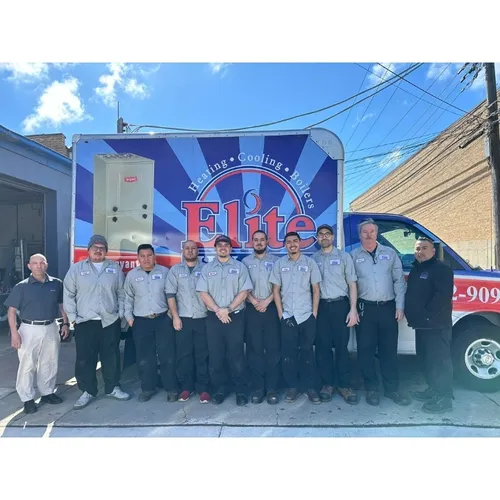
Next Step Heating & Cooling
8206 N McCormick Blvd, Skokie, IL 60076
Next Step Heating & Cooling is an HVAC contractor serving Chicago, IL, and the North Shore area. They provide installation, repair, and maintenance services for heating and cooling systems including furnaces, boilers, air conditioners, geothermal heat pumps, ductless mini splits, and thermostats. The company specializes in geothermal system installations, offering efficient heating and cooling solutions for both residential and commercial properties. Next Step Heating & Cooling is a member of the Geothermal Alliance of Illinois and Comed Energy Efficiency Service providers, emphasizing environmentally friendly and cost-effective HVAC options.
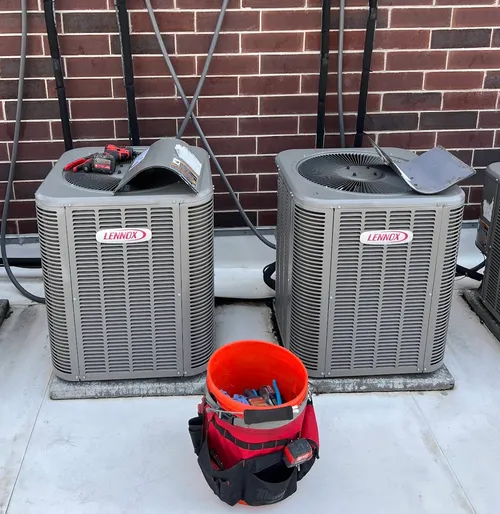
Y-Tech Heating & Air Conditioning
701 Devon Ave, Park Ridge, IL 60068
Y-Tech Heating & Air Conditioning is a licensed HVAC contractor serving Chicago, IL, and the surrounding communities. They provide a range of services including installation, repair, and maintenance of air conditioners, furnaces, heat pumps, boilers, mini split systems, geothermal heat pumps, and indoor air quality products. With over 50 years of experience, Y-Tech offers professional HVAC tune-ups and maintenance agreements to help keep systems running efficiently. They also provide 24/7 emergency service to address urgent heating and cooling needs.
How a Geothermal System Works
A geothermal system operates on a simple but brilliant principle: it uses the ground as a heat source in winter and a heat sink in summer. Unlike air-source heat pumps that struggle with Elgin's extreme seasonal temperatures, a ground-source system taps into the consistent 50-55°F temperature found just a few feet below the surface year-round.
The process centers on a sealed loop of pipes, called the ground loop, buried in your yard. A water-based fluid circulates through this loop. In the heating mode, this fluid absorbs the Earth's gentle warmth. The warm fluid is pumped to an indoor geothermal heat pump unit, which uses a refrigeration cycle to concentrate that low-grade heat and distribute warm air throughout your home via ductwork. For cooling, the system reverses: it extracts heat from your indoor air and transfers it into the fluid, which then releases that heat into the cooler ground 1 2. This elegant exchange provides comfortable, even heating and air conditioning with remarkable efficiency.
Types of Ground Loop Systems
The design of the underground loop is critical and depends on your property's characteristics. There are three primary configurations, each with advantages for different Elgin lots.
Horizontal Closed Loops This is the most common and often most cost-effective installation for properties with sufficient open land. Contractors use a backhoe to dig trenches, typically four to six feet deep and 100 to 300 feet long. Pipes are laid in these trenches in a coiled "slinky" pattern or straight "racetrack" layouts to maximize heat exchange in a smaller trench area 3 4. This method is ideal for new construction where the yard can be easily excavated.
Vertical Closed Loops For homes in Elgin with smaller yards, such as many existing suburban lots, vertical loops are the preferred solution. Drilling rigs bore holes 200 to 500 feet deep, and U-shaped pipe loops are inserted into each hole. The holes are then grouted for optimal thermal conductivity. While drilling costs can be higher, vertical systems require minimal surface area and are less disruptive to established landscaping 5 6 7.
Pond/Lake Loops If your property has access to a suitably sized and deep pond or lake, this can be an excellent option. Coils of pipe are submerged at the bottom of the water body. Water is an excellent heat transfer medium, often making these loops very efficient. This approach avoids the need for extensive digging or drilling, but it requires a specific and accessible water source.
The Installation Process in Elgin
Installing a geothermal heating and cooling system is a significant project that requires careful planning and expert execution. The process typically follows these key steps:
- Site Assessment and Design: A qualified installer will evaluate your property. This includes assessing soil and rock composition (which affects heat transfer rates), available space, and your home's heating and cooling loads. In Illinois, the geology is generally well-suited for geothermal systems. The installer will design the loop field and select the appropriate indoor heat pump unit size.
- Permitting and Regulations: Your contractor will handle local Elgin or Kane County permits. It's important to note that while closed-loop systems are standard, if an open-loop system (which uses groundwater directly) is considered, local regulations concerning water discharge must be strictly followed 8 9.
- Loop Installation: For horizontal systems, excavation begins. For vertical systems, a drilling rig is brought in. The high-density polyethylene pipes are laid or inserted, connected into a continuous loop, and pressure-tested to ensure there are no leaks.
- Indoor Unit and Ductwork Connection: The ground loop is connected to the indoor geothermal heat pump unit. If your home has existing ductwork, it can usually be integrated. If not, or if upgrades are needed, new ductwork will be installed.
- System Charging and Startup: The loop is filled with fluid, the system is purged of air, and the heat pump is started. The installer will calibrate the system and ensure it operates correctly.
Find the perfect geothermal heat pump contractors for your needs
Get personalized recommendations and expert advice
Benefits and Long-Term Value
The decision to install a geothermal system is an investment in long-term comfort, savings, and sustainability.
Substantial Energy Savings This is the most compelling benefit for many Elgin homeowners. Geothermal heat pumps are incredibly efficient, moving three to five units of heat for every one unit of electricity used 10. This can translate to savings of up to 65% on heating and cooling bills compared to traditional systems like furnaces and standard air conditioners 11 10. The stable ground temperature makes the system's efficiency consistent, whether it's -10°F or 95°F outside.
Environmental Impact By using renewable thermal energy from the ground and drastically reducing electricity or fossil fuel consumption, a geothermal system significantly lowers your home's carbon footprint. It produces no on-site emissions and, when paired with renewable electricity, can provide nearly carbon-free comfort.
Durability and Low Maintenance The underground loop system is built to last for decades, often with warranties of 50 years or more on the piping. The indoor heat pump unit also has a long lifespan, typically 20-25 years, which is longer than many conventional HVAC components. Maintenance is straightforward, similar to a standard HVAC system, involving regular filter changes and periodic check-ups by a technician.
Understanding Costs and Incentives
The upfront cost of a geothermal system is higher than that of a conventional furnace and air conditioner. For a typical Elgin home, a complete installation can range from $20,000 to $40,000 or more, depending on the loop type, system size, and property conditions 12.
However, it's crucial to view this through the lens of total cost of ownership. Several factors dramatically improve the financial picture:
- Federal Tax Credit: The federal government offers a 30% tax credit on the total cost of a qualified geothermal heat pump system, including installation. This incentive alone can reduce the net cost by thousands of dollars 13 14.
- Lower Operating Costs: The massive reduction in monthly energy bills means you start saving immediately. Over time, these savings accumulate to offset the initial investment.
- Increased Home Value: Studies have shown that geothermal systems can increase property value, as buyers recognize the benefit of low utility costs.
The "payback period"-the time it takes for energy savings to equal the installation cost-varies but often falls within 5 to 10 years. Given the system's 20-50+ year lifespan, homeowners enjoy many years of essentially free heating and cooling after the system has paid for itself.
Is Geothermal Right for Your Elgin Home?
Geothermal technology is versatile and can be an excellent fit for many, but not all, properties. It is ideal for homeowners who:
- Plan to stay in their home long enough to realize the long-term savings.
- Are building a new home or replacing an aging, inefficient HVAC system.
- Have a suitable yard for a horizontal or vertical loop system.
- Prioritize energy independence, environmental sustainability, and consistent home comfort.
- Can utilize available tax credits and incentives to improve affordability.
The best way to determine suitability is to consult with an experienced local geothermal installer. They can provide a detailed site assessment, accurate cost estimates, and a clear projection of your potential energy savings.
Frequently asked questions
Sources
Footnotes
-
Geothermal (Ground Source) Heat Pumps - NY.gov - https://cleanheat.ny.gov/geothermal-heat-pumps/ ↩
-
How Do Geothermal Systems Work for Residential Homes? - https://www.davisheat.com/blog/how-do-geothermal-systems-work-for-residential-homes/ ↩
-
Geothermal Heat Pumps - Department of Energy - https://www.energy.gov/energysaver/geothermal-heat-pumps ↩
-
Geothermal HVAC Systems | King of Prussia - https://www.uniqueheatingandcooling.com/hvac-university/geothermal-heating-cooling ↩
-
Geothermal Explained - https://www.geo-inc.com/geothermal-explained ↩
-
All You Need to Know About Home Geothermal Heating & ... - https://dandelionenergy.com/all-you-need-to-know-about-home-geothermal-heating-cooling ↩
-
Geothermal Heat Pumps | WBDG - https://www.wbdg.org/resources/geothermal-heat-pumps ↩
-
Geothermal Heating and Cooling - Ecology Action Center - https://ecologyactioncenter.org/energy-home/geothermal-heating-and-cooling/ ↩
-
About Geothermal - https://www.gaoi.org/about-geothermal ↩
-
Geothermal Heat Pumps - EnergySmart CNY - https://www.energysmartcny.org/heat-pumps/geothermal/ ↩ ↩2
-
5 Things You Should Know about Geothermal Heat Pumps - https://www.energy.gov/cmei/articles/5-things-you-should-know-about-geothermal-heat-pumps ↩
-
Geothermal Heat Pump Guide: Installation Costs, Types And Benefits - https://modernize.com/hvac/heating-repair-installation/heat-pump/geothermal ↩
-
Clean Energy 101: Geothermal Heat Pumps - RMI - https://rmi.org/clean-energy-101-geothermal-heat-pumps/ ↩
-
Guide to Geothermal Heat Pumps - https://www.energy.gov/sites/prod/files/guide_to_geothermal_heat_pumps.pdf ↩