Find the Best Geothermal Heat Pump Contractors for Your Business
No obligation • Fast responses • Nationwide coverage

Why you can trust HVAC Firms
HVAC Firms is a leading United States resource for evaluating HVAC service providers. Our team researches companies, checks credentials, and reviews customer feedback to present clear, unbiased information. Listings and rankings are based on merit, and companies cannot pay to change our editorial content.
Search providers near you
Best Geothermal Heat Pump Contractors in Illinois Ranked
Geothermal heat pumps (GHPs) are a highly efficient, long-term solution for heating and cooling homes and businesses in Illinois. By leveraging the stable temperatures underground, these systems can provide significant energy savings and environmental benefits compared to conventional HVAC systems. This guide explains how geothermal works in Illinois, covering the state's unique climate advantages, available financial incentives, regulatory requirements, and the installation process. You can use this information to understand your options and connect with qualified local professionals who specialize in this advanced technology.
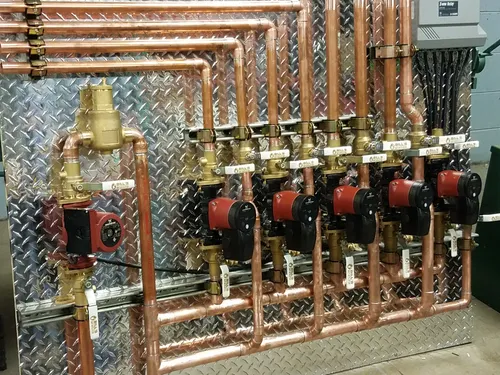
Bill's Heating And Air Conditioning Inc.
1855 Holste Rd, Northbrook, IL 60062
Bill's Heating And Air Conditioning Inc. provides HVAC repair, maintenance, and installation services for residential and commercial clients in Chicago, IL. Their offerings include air conditioning, furnace, and boiler services, as well as geothermal heat pump installation and indoor air quality improvements. The company is equipped to handle zoning and control systems and offers 24/7 emergency service throughout the Chicago area. They focus on accurate diagnosis and timely repairs, often fixing broken parts rather than replacing entire systems. Bill's Heating And Air Conditioning Inc. serves multiple nearby communities including Skokie, Glenview, and Evanston.
Western Heating And Air Conditioning
6925 N Greenview Ave, Chicago, IL 60626
Western Heating And Air Conditioning is an HVAC contractor based in Chicago, IL, providing a wide range of heating, cooling, and indoor air quality services. They handle installation, repair, and maintenance for air conditioners, furnaces, heat pumps, mini splits, and geothermal systems. The company also offers duct cleaning, thermostat installation, and HVAC tune-ups. Known for capabilities such as smart thermostat integration and energy-efficient HVAC solutions, Western Heating And Air Conditioning supports both residential and commercial clients in the Chicago area.
Next Step Heating & Cooling
8206 N McCormick Blvd, Skokie, IL 60076
Next Step Heating & Cooling is an HVAC contractor serving Chicago, IL, and the North Shore area. They provide installation, repair, and maintenance services for heating and cooling systems including furnaces, boilers, air conditioners, geothermal heat pumps, ductless mini splits, and thermostats. The company specializes in geothermal system installations, offering efficient heating and cooling solutions for both residential and commercial properties. Next Step Heating & Cooling is a member of the Geothermal Alliance of Illinois and Comed Energy Efficiency Service providers, emphasizing environmentally friendly and cost-effective HVAC options.
Geothermal Specialist, Inc.
5427 County Rd 300 E suite a, La Porte, IN 46350
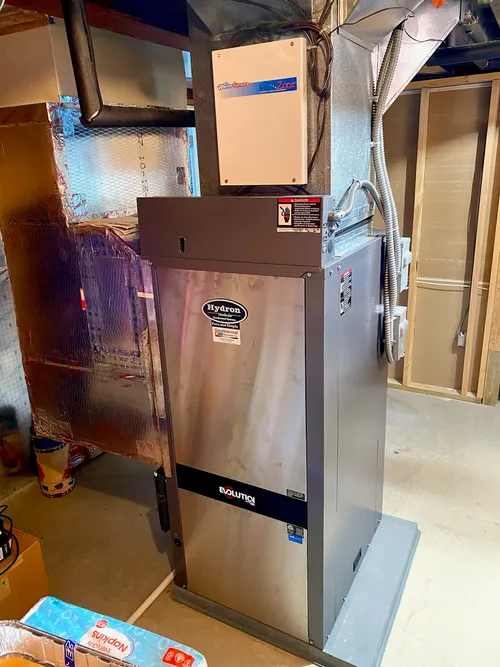
Geothermal Specialist, Inc. is a geothermal heat pump contractor based in Chicago, IL. The company offers clean and efficient geothermal heating and cooling solutions for both residential and commercial clients. With over 30 years of experience, they provide installation and repair services as a comprehensive geothermal provider.
JTR Heating & Air Conditioning
25830 S Governors Hwy, Monee, IL 60449
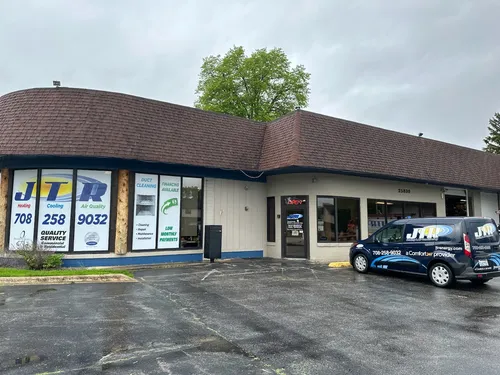
JTR Heating & Air Conditioning is an HVAC company serving Chicago, IL, and nearby communities including Bourbonnais, Monee, and Peotone. They provide a range of heating and cooling services such as air conditioning and furnace repair, installation, geothermal heat pump systems, duct cleaning, and HVAC tune-ups. With over 30 years of experience, the company supports both residential and commercial customers. They have been recognized with the Carrier President's Award for their service in consecutive years.
How Geothermal Heat Pumps Work in Illinois' Climate
A geothermal heat pump, often called a ground-source heat pump, operates by exchanging heat with the earth. In winter, it extracts warmth from the ground to heat your building. In summer, the process reverses, pulling heat from your building and depositing it into the cooler ground. This exchange is managed by a network of pipes, called a ground loop, buried on your property.
Illinois' climate is particularly well-suited for geothermal systems. The state experiences a wide range of air temperatures throughout the year, but just a few feet below the surface, the earth maintains a relatively constant temperature of 50-55°F. This stable thermal resource allows a GHP to work efficiently year-round, often achieving 300-500% efficiency. This means for every unit of electricity used to run the system, three to five units of heating or cooling energy are moved 1. This efficiency translates directly into lower utility bills and reduced strain on the electrical grid during peak seasons.
Types of Ground Loop Systems
The design of the underground loop system is critical and depends on your property's characteristics. The two primary types used in Illinois are:
- Vertical Closed-Loop Systems: This is the most common installation in Illinois, especially for residential properties with limited land. Contractors drill boreholes typically 150 to 450 feet deep and insert U-shaped pipes. The holes are then grouted to ensure good thermal contact with the earth. Vertical systems are less disruptive to landscaping and are effective in most soil types, though they generally have a higher upfront cost due to the drilling equipment required 2.
- Horizontal Closed-Loop Systems: These systems involve excavating long trenches, usually four to six feet deep, and laying pipes in a series of loops. Horizontal systems require more land area but can be more cost-effective to install if the site conditions are favorable and excavation is straightforward. They are often ideal for new construction projects where the land is already being cleared.
The choice between vertical and horizontal loops depends on a professional site assessment, which evaluates soil composition, available land, and local geology. For instance, clay-rich soils common in parts of Illinois offer better thermal conductivity than sandy soils, which can influence loop length and design 3.
Understanding Costs and Long-Term Value
The initial investment for a residential geothermal heat pump system in Illinois typically ranges from $10,000 to over $30,000, with an average cost of about $2,500 per ton of capacity 4. A typical home may require a 3-5 ton system. This cost includes the heat pump unit, the ground loop installation (drilling or trenching), and labor.
While this upfront cost is higher than a conventional furnace and air conditioner, it's crucial to view it as a long-term investment with multiple layers of value:
- Significant Operating Savings: Due to their exceptional efficiency, GHPs can reduce energy consumption for heating and cooling by 25% to 50% compared to conventional systems 5. Over the 20-25 year lifespan of the indoor unit, these savings can amount to tens of thousands of dollars, often offsetting the initial premium.
- Durability and Low Maintenance: The indoor components of a GHP have a lifespan of 20-25 years, comparable to high-end conventional systems. However, the buried ground loop is incredibly durable, often carrying warranties of 50 years and an expected lifespan of 50+ years with minimal maintenance. With fewer mechanical parts exposed to the elements, repair needs are generally less frequent than with outdoor air-source units.
- Increased Home Comfort: GHPs provide consistent, even heating and cooling without the drafts or temperature swings associated with fossil fuel systems. They also excel at dehumidifying in the summer, improving indoor air quality.
Find the perfect geothermal heat pump contractors for your needs
Get personalized recommendations and expert advice
Financial Incentives to Make Geothermal Affordable
A robust package of incentives significantly reduces the net cost of a geothermal installation in Illinois, improving the payback period.
- Federal Tax Credit: The federal Residential Clean Energy Credit provides a 30% tax credit on the total cost of a qualifying geothermal heat pump system, including installation. This credit has been extended through 2033, making it a stable, long-term benefit for homeowners 6.
- State and Utility Rebates: Illinois utilities offer direct rebates. For example, ComEd provides a rebate of $1,500 per ton for qualifying geothermal installations. Other utilities like Ameren Illinois may have similar programs, so checking with your local provider is essential.
- Future State Programs: The Illinois General Assembly has considered legislation, such as the proposed Geothermal Homes and Business Act (HB3399), which aims to create a market for Geothermal Renewable Energy Credits (G-RECs) 7. If implemented, such a program could provide additional long-term financial value for GHP owners.
- Local Incentives: Some municipalities or counties may have their own green energy rebates or favorable property tax assessments. It's worth investigating local programs.
Example Net Cost: For a 4-ton system costing $25,000, the federal tax credit would be $7,500, and a ComEd rebate could be $6,000. This brings the out-of-pocket cost down to approximately $11,500, not including any potential local incentives 8 9.
Regulations and Permitting in Illinois
Installing a geothermal system in Illinois involves specific regulations to protect groundwater and ensure system integrity.
- Illinois Water Well Construction Code: The underground piping for a geothermal loop is regulated under the state's water well code, even though it's a closed loop 10. This means the materials (typically high-density polyethylene pipe) and installation methods, such as heat-fused joints, must meet strict ASTM standards to prevent leaks and contamination 10.
- Permitting Process: You will need a building permit from your local city or county building department. Additionally, because the boreholes or trenches are classified as "injection wells" by the Illinois Environmental Protection Agency (IEPA) for regulatory purposes, the installer must often file a permit or notification with the IEPA's Underground Injection Control (UIC) program before drilling begins 11. Reputable installers handle this permitting process.
- Professional Licensing: Always choose a contractor who is licensed, insured, and has specific experience with geothermal systems. They should be familiar with both local building codes and the state's well construction standards.
The Installation Process: What to Expect
A professional geothermal installation is a multi-step process:
- Site Evaluation: A qualified installer will assess your property, considering soil conditions, land availability, existing utilities, and your home's heating/cooling load to design an optimal system.
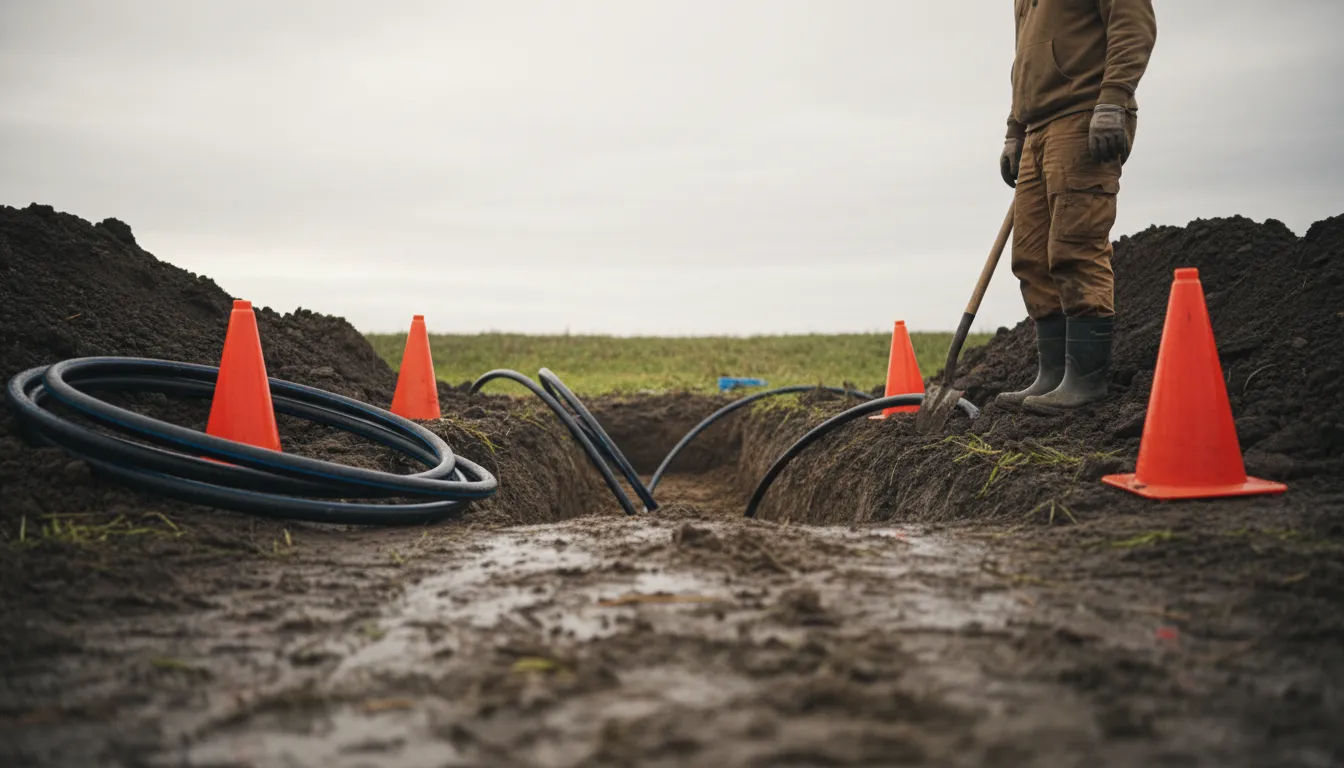
- Loop Installation: For a vertical system, a drilling rig will create the boreholes. For a horizontal system, a backhoe will dig the trenches. The pipe is then placed, connected, and pressure-tested.
- Indoor Unit Installation: The geothermal heat pump unit is installed inside your home, typically in a basement, utility room, or garage. It connects to your existing ductwork or a new duct system.
- Connection & Commissioning: The loop is connected to the heat pump, the system is filled with fluid, and the entire system is started and tested for proper operation.
Frequently asked questions
Sources
Footnotes
-
Geothermal Heat Pumps - Department of Energy - https://www.energy.gov/energysaver/geothermal-heat-pumps ↩
-
The Complete Guide To Geothermal Heat Pump Installation - https://ultrageothermal.com/the-complete-guide-to-geothermal-heat-pump-installation/ ↩
-
Geothermal in the Midwest - Illinois Geothermal Coalition - https://geothermal.illinois.edu/wiki/ ↩
-
Ground Source Heat Pump Cost: How Much Will You Pay in 2025? - https://www.energysage.com/heat-pumps/costs-benefits-geothermal-heat-pumps/ ↩
-
Guide to Geothermal Heat Pumps - https://www.energy.gov/sites/prod/files/guide_to_geothermal_heat_pumps.pdf ↩
-
Incentives & Funding Opportunities - EnergySense Resilience Center - https://energysense.uillinois.edu/illinois-incentives/ ↩
-
HB3399 104TH GENERAL ASSEMBLY - https://ilga.gov/ftp/legislation/104/HB/10400HB3399.htm ↩
-
Geothermal | Northbrook, IL - https://www.northbrook.il.us/1233/Geothermal ↩
-
Get the details on geothermal heat pumps - Citizens Utility Board - https://www.citizensutilityboard.org/blog/2023/04/03/announcing-grow-geo-chicagoland-get-the-details-on-cubs-new-geothermal-heat-pump-group-buy/ ↩
-
5-7B-2: STATE REGULATIONS ADOPTED: - https://codelibrary.amlegal.com/codes/jodaviesscoil/latest/jodaviessco_il/0-0-0-2374 ↩ ↩2
-
General information and instructions for the preparation and submission of an Application for a Permit to Construction and Operate an Underground Injection Control (UIC) Well - https://epa.illinois.gov/content/dam/soi/en/web/epa/documents/epa-forms/land/permits/uic/uic-permit-information-and-instructions.pdf ↩