Find the Best Geothermal Heat Pump Contractors for Your Business
No obligation • Fast responses • Nationwide coverage

Why you can trust HVAC Firms
HVAC Firms is a leading United States resource for evaluating HVAC service providers. Our team researches companies, checks credentials, and reviews customer feedback to present clear, unbiased information. Listings and rankings are based on merit, and companies cannot pay to change our editorial content.
Search providers near you
Top Geothermal Heat Pump Contractors in Downers Grove, Illinois Ranked
A geothermal heat pump is a highly efficient heating and cooling system that uses the earth's constant underground temperature to regulate your home's climate. For Downers Grove residents, this technology offers a powerful way to combat seasonal temperature swings while significantly reducing energy bills and environmental impact. This guide will help you understand how these ground-source systems work, what installation involves, and how to evaluate if one is right for your property.
Bill's Heating And Air Conditioning Inc.
1855 Holste Rd, Northbrook, IL 60062
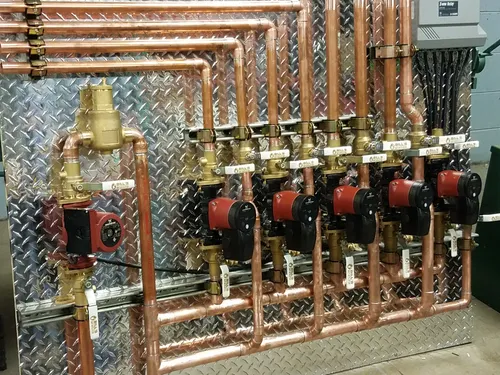
Bill's Heating And Air Conditioning Inc. provides HVAC repair, maintenance, and installation services for residential and commercial clients in Chicago, IL. Their offerings include air conditioning, furnace, and boiler services, as well as geothermal heat pump installation and indoor air quality improvements. The company is equipped to handle zoning and control systems and offers 24/7 emergency service throughout the Chicago area. They focus on accurate diagnosis and timely repairs, often fixing broken parts rather than replacing entire systems. Bill's Heating And Air Conditioning Inc. serves multiple nearby communities including Skokie, Glenview, and Evanston.
Western Heating And Air Conditioning
6925 N Greenview Ave, Chicago, IL 60626
Western Heating And Air Conditioning is an HVAC contractor based in Chicago, IL, providing a wide range of heating, cooling, and indoor air quality services. They handle installation, repair, and maintenance for air conditioners, furnaces, heat pumps, mini splits, and geothermal systems. The company also offers duct cleaning, thermostat installation, and HVAC tune-ups. Known for capabilities such as smart thermostat integration and energy-efficient HVAC solutions, Western Heating And Air Conditioning supports both residential and commercial clients in the Chicago area.
Next Step Heating & Cooling
8206 N McCormick Blvd, Skokie, IL 60076
Next Step Heating & Cooling is an HVAC contractor serving Chicago, IL, and the North Shore area. They provide installation, repair, and maintenance services for heating and cooling systems including furnaces, boilers, air conditioners, geothermal heat pumps, ductless mini splits, and thermostats. The company specializes in geothermal system installations, offering efficient heating and cooling solutions for both residential and commercial properties. Next Step Heating & Cooling is a member of the Geothermal Alliance of Illinois and Comed Energy Efficiency Service providers, emphasizing environmentally friendly and cost-effective HVAC options.
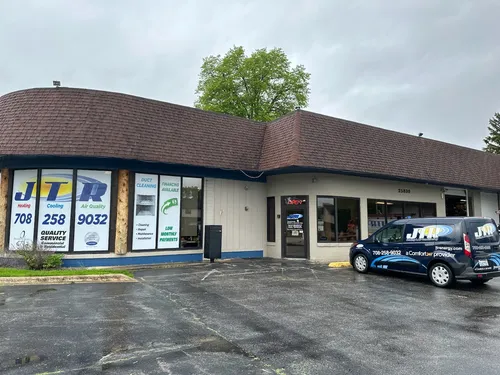
JTR Heating & Air Conditioning
25830 S Governors Hwy, Monee, IL 60449
JTR Heating & Air Conditioning is an HVAC company serving Chicago, IL, and nearby communities including Bourbonnais, Monee, and Peotone. They provide a range of heating and cooling services such as air conditioning and furnace repair, installation, geothermal heat pump systems, duct cleaning, and HVAC tune-ups. With over 30 years of experience, the company supports both residential and commercial customers. They have been recognized with the Carrier President's Award for their service in consecutive years.
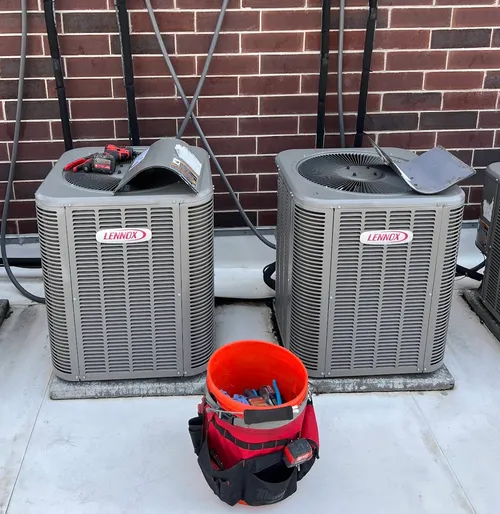
Y-Tech Heating & Air Conditioning
701 Devon Ave, Park Ridge, IL 60068
Y-Tech Heating & Air Conditioning is a licensed HVAC contractor serving Chicago, IL, and the surrounding communities. They provide a range of services including installation, repair, and maintenance of air conditioners, furnaces, heat pumps, boilers, mini split systems, geothermal heat pumps, and indoor air quality products. With over 50 years of experience, Y-Tech offers professional HVAC tune-ups and maintenance agreements to help keep systems running efficiently. They also provide 24/7 emergency service to address urgent heating and cooling needs.
How a Geothermal System Works
Unlike traditional air-source heat pumps or furnaces that exchange heat with the outside air, a ground-source heat pump leverages the stable temperature found just a few feet below the earth's surface. In Downers Grove and across the Chicagoland region, the ground temperature below about 4-6 feet remains a relatively constant 50°F year-round, regardless of summer heat or winter cold 1.
The core of the system is a sealed loop of piping, buried in your yard, which circulates a water-based fluid. In the winter, this fluid absorbs the earth's natural warmth. It is pumped indoors to a heat pump unit, which concentrates that low-grade heat and distributes it through your home's existing ductwork or radiant floor system. The process reverses in the summer: the system extracts heat from your home, transfers it to the fluid in the loop, and dissipates it into the cooler ground 2. This elegant exchange of thermal energy is what makes geothermal, or earth-coupled, systems so remarkably efficient.
Types of Ground Loop Systems
The buried pipe system, known as the ground loop, is the most site-specific part of a geothermal installation. The right choice for your Downers Grove home depends primarily on your lot size and soil conditions.
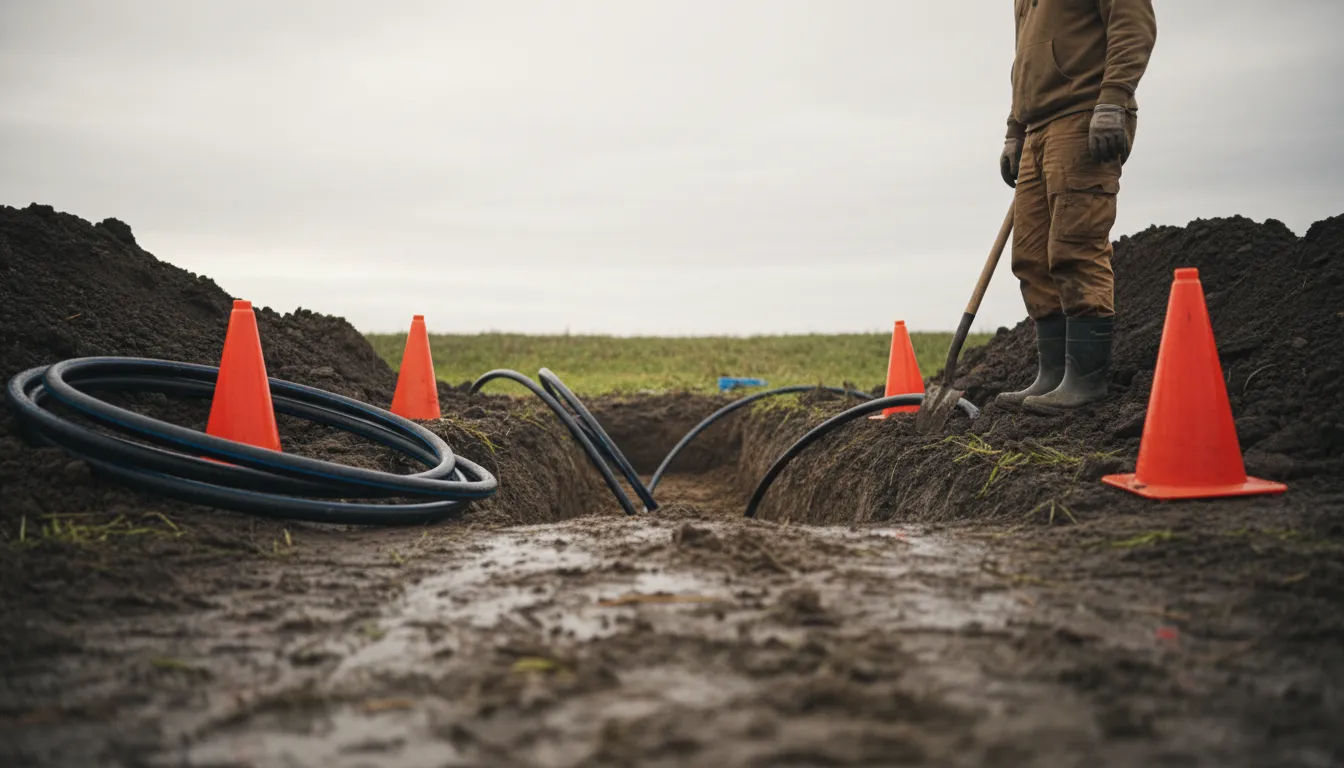
- Horizontal Closed Loop: This is often the most cost-effective option if you have sufficient land. Contractors dig trenches six feet deep or more, laying hundreds of feet of pipe in a series of parallel rows. This method requires a larger, unobstructed area but typically involves lower excavation costs than drilling 3.
- Vertical Closed Loop: For homes with smaller yards, like many in established Downers Grove neighborhoods, vertical loops are the standard solution. Contractors use a drilling rig to bore holes 150 to 450 feet deep. U-shaped pipes are inserted into each borehole, and the holes are backfilled. This method minimizes landscape disturbance and is well-suited for retrofitting existing homes.
- Open Loop System: This less common option requires a reliable source of clean groundwater. It pulls water from a well, runs it through the heat pump to exchange heat, and then discharges it to a second well or a suitable surface body. While potentially very efficient, open loop systems require ample water and are subject to more local permitting and environmental regulations 4.
A qualified installer will assess your property to recommend the optimal loop configuration, considering factors like soil composition, bedrock, and available space 5.
Benefits for Downers Grove Homeowners
Investing in a geothermal heating and cooling system offers compelling long-term advantages, particularly in a climate with both hot summers and cold winters.
- Exceptional Efficiency and Savings: Geothermal heat pumps are incredibly efficient, moving three to four units of heat for every one unit of electricity used-an efficiency rate of 300-400% 6. This can translate to a reduction of 30% to 70% on your heating and cooling bills compared to conventional systems 7. For many households, this means annual savings that can exceed $1,000, helping to offset the system's higher upfront cost over time.
- Long-Term Reliability and Low Maintenance: The ground loop is built to last for decades, often with warranties of 25 to 50 years. The indoor heat pump unit is protected from outdoor weather, leading to a longer lifespan and fewer repairs than outdoor AC condensers and furnaces. Maintenance typically involves routine checks of the pump and filters, similar to a traditional forced-air system.
- Enhanced Comfort and Quiet Operation: These systems provide consistent, even heating and cooling without the drafts or hot/cold spots common with fossil fuel systems. Because there is no loud outdoor condenser unit, operation is very quiet.
- Environmental Impact: By drastically reducing electricity or natural gas consumption for climate control, a ground-source system significantly lowers your home's carbon footprint. It's a clean, renewable technology that uses the earth's natural thermal energy.
Find the perfect geothermal heat pump contractors for your needs
Get personalized recommendations and expert advice
Understanding Costs and Incentives
The initial investment for a geothermal heat exchange system is higher than for a standard furnace and air conditioner. Total installed costs in Downers Grove can range widely, typically from the low tens of thousands of dollars up to $40,000 or more, depending on your home's size, the loop type, and existing ductwork 8 9.
However, this cost must be viewed through the lens of long-term value. The substantial energy savings lead to a payback period, often estimated between 4 and 15 years. Furthermore, there are financial incentives that can make the project more affordable:
- Federal Tax Credits: The federal government offers a significant tax credit for qualifying geothermal heat pump installations.
- Local Utility Rebates: It's worth checking with ComEd or other local utilities, as they occasionally offer rebates or special programs for high-efficiency installations.
- Increased Home Value: Studies have shown that homes with geothermal systems often have higher resale values.
The Installation Process
Professional installation is crucial for a geothermal system to perform optimally. The process generally follows these steps:
- Site Evaluation and Design: A certified contractor will survey your property, assess soil conditions, and calculate your home's heating and cooling loads to design the right system size and loop field.
- Loop Field Installation: For a vertical system, a drilling rig will create the boreholes. For a horizontal system, a backhoe will dig the trenches. The polyethylene pipe is then placed and connected into a continuous loop.
- Indoor Unit Installation: The geothermal heat pump unit-which is about the size of a small furnace-is installed in your basement, utility room, or garage. It is connected to your home's electrical panel and ductwork.
- Connection and Testing: The ground loop is connected to the heat pump, and the system is filled with fluid, purged of air, and pressurized. The contractor will then test and commission the entire system to ensure it operates correctly 10 11.
Is Geothermal Right for Your Home?
Geothermal is an excellent option for many, but not all, properties. It is ideally considered during new construction or a major renovation, when loop installation can be more easily coordinated. For existing homes, it's a fantastic solution for homeowners planning to stay for many years to reap the full benefit of the energy savings. If you have a suitable yard for a loop-whether through drilling or trenching-and are motivated by long-term savings, comfort, and sustainability, a geothermal heat pump is worth serious consideration 12.
Frequently asked questions
Sources
Footnotes
-
How a Geothermal Heat Pump Works | This Old House - https://www.youtube.com/watch?v=d5Tbsx3R2T8 ↩
-
Types of Geothermal Systems | Energy | Illinois Extension | UIUC - https://extension.illinois.edu/energy/types-geothermal-systems ↩
-
Geothermal heating & cooling, heat pumps, heat exchange ... - https://aztechgeo.com/residential-geothermal/how-it-works/ ↩
-
Geothermal Heat Pumps | WBDG - https://www.wbdg.org/resources/geothermal-heat-pumps ↩
-
Get the details on geothermal heat pumps - Citizens Utility Board - https://www.citizensutilityboard.org/blog/2023/04/03/announcing-grow-geo-chicagoland-get-the-details-on-cubs-new-geothermal-heat-pump-group-buy/ ↩
-
Geothermal Heating and Cooling - Open Energy Information - https://openei.org/wiki/GeoBridge/Heating_and_Cooling ↩
-
About Geothermal - https://www.gaoi.org/about-geothermal ↩
-
Everything You Need to Know About Geothermal Heat Pumps - https://www.familyhandyman.com/article/everything-you-need-to-know-about-geothermal-heat-pumps/ ↩
-
Guide to Geothermal Heat Pumps - https://www.energy.gov/sites/prod/files/guide_to_geothermal_heat_pumps.pdf ↩
-
Geothermal Heat Pumps - Department of Energy - https://www.energy.gov/energysaver/geothermal-heat-pumps ↩
-
Geothermal Heat Pumps - EnergySmart CNY - https://www.energysmartcny.org/heat-pumps/geothermal/ ↩
-
5 Things You Should Know about Geothermal Heat Pumps - https://www.energy.gov/cmei/articles/5-things-you-should-know-about-geothermal-heat-pumps ↩