
Find the Best Geothermal Heat Pump Contractors for Your Business
No obligation • Fast responses • Nationwide coverage

Why you can trust HVAC Firms
HVAC Firms is a leading United States resource for evaluating HVAC service providers. Our team researches companies, checks credentials, and reviews customer feedback to present clear, unbiased information. Listings and rankings are based on merit, and companies cannot pay to change our editorial content.
Search providers near you
Top Geothermal Heat Pump Contractors in Alpharetta, Georgia Ranked
Geothermal heat pumps, also known as ground-source heat pumps, are a highly efficient technology for heating and cooling your home by leveraging the Earth's stable underground temperature. This method of geothermal heating and cooling can significantly reduce energy consumption and utility bills compared to traditional HVAC systems. For Alpharetta homeowners, finding a qualified local installer is the first step toward unlocking these long-term benefits of sustainable comfort.
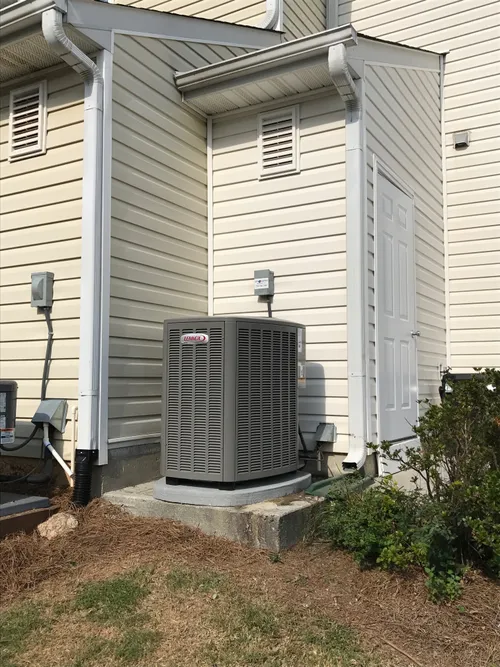
Innovative Mechanical, LLC
1700 Cumberland Point Dr Suite 17, Marietta, GA 30067
Innovative Mechanical, LLC is an HVAC company based in Atlanta, GA, offering a range of services including air conditioning repair, heat pump installation, geothermal heat pump systems, and indoor air quality improvements. They handle both residential and commercial HVAC needs, providing design, installation, and maintenance solutions. Their capabilities include working with geothermal heat pumps and air purifiers to enhance indoor air quality.
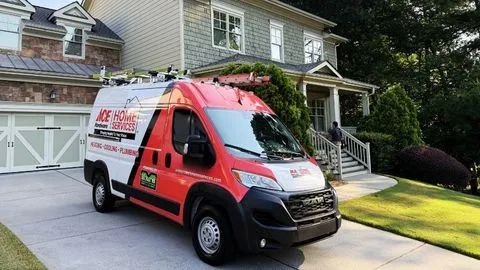
Moncrief Heating & Air Conditioning
935 Chattahoochee Ave NW, Atlanta, GA 30318
Moncrief Heating & Air Conditioning is a full-service HVAC and plumbing company serving Atlanta, GA. With over 125 years of experience, they provide installation, repair, and maintenance for heating, cooling, and plumbing systems. Their services include AC, furnace, heat pump, boiler, mini split, and geothermal heat pump installation and repair, along with HVAC tune-ups. Moncrief works closely with clients to create tailored solutions that fit individual home comfort and health needs.
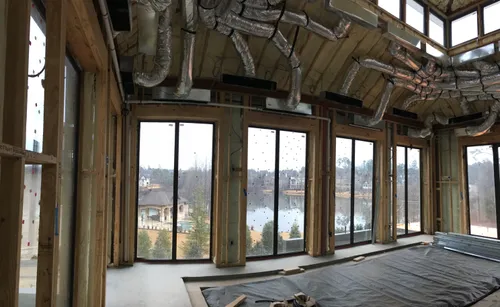
EcoMech Geothermal and Heating & Air
1100 Peachtree St NE STE 200, Atlanta, GA 30309
EcoMech Geothermal and Heating & Air is an HVAC company based in Atlanta, GA, specializing in geothermal heat pump installation and repair, as well as air conditioning and heating services for both residential and commercial clients. They focus on energy-efficient geothermal systems that use the earth's stable ground temperature to provide heating, cooling, and hot water. EcoMech also offers spray foam insulation to improve energy savings. Their expertise includes commercial and industrial geothermal system installations.
How Geothermal Systems Work
A geothermal HVAC system doesn't create heat by burning fuel; instead, it moves existing heat from one place to another. The process relies on a ground loop-a series of pipes buried in your yard-and an indoor heat pump unit.
Heating Mode: During Alpharetta's cooler months, a water-based fluid circulates through the underground loop, absorbing the Earth's consistent warmth (typically 50-60°F in Georgia). This warmed fluid is carried to the indoor geothermal heat pump. The unit extracts the heat, concentrates it using a refrigeration cycle, and then distributes the warm air throughout your home via your existing ductwork 1.
Cooling Mode: In the summer, the process reverses. The system extracts heat and humidity from your indoor air. This heat is transferred to the fluid in the loop, which then travels underground to reject the heat into the cooler earth. The now-chilled fluid returns to cool your home efficiently 2. This closed-loop exchange with the ground is what makes geothermal technology so effective year-round.
Types of Ground Loop Systems
The design of the underground loop field is a critical component of your geothermal installation. The right type for your Alpharetta property depends on your lot size, soil composition, and landscape.
- Horizontal Ground Loops: This is often the most cost-effective installation method for properties with sufficient space. Contractors dig trenches four to six feet deep and several hundred feet long in which they lay piping in a series of coils or straight runs. This approach is ideal for larger lots where trenching is feasible.
- Vertical Ground Loops: For homes with smaller yards, like many in established Alpharetta neighborhoods, vertical loops are the preferred solution. Installers drill boreholes 100 to 400 feet deep and insert U-shaped pipe loops into each hole. While drilling can increase upfront costs, it minimizes landscape disturbance and is effective in most soil types 3 4.
- Pond/Lake Loops: If you have a suitably sized and deep pond or lake on your property, this can be the lowest-cost loop option. Coils of pipe are submerged at the bottom of the water body, where temperatures remain stable, to facilitate the heat exchange process 5 6.
The Installation Process Explained
Professional installation by a certified geothermal contractor is essential for optimal system performance and longevity. The process typically follows these key steps:
- Site Assessment & Design: A geothermal professional will evaluate your property to determine the best loop type, calculate your home's heating and cooling loads, and design a system tailored to your needs.
- Loop Installation: For a horizontal system, excavation equipment digs the necessary trenches. For a vertical system, a drilling rig creates the boreholes. The high-density polyethylene pipes are then placed, connected, and pressure-tested to ensure integrity before the trenches or holes are backfilled.
- Indoor Unit Installation: The geothermal heat pump unit-which is compact and quiet-is installed in a convenient location like a basement, utility closet, or garage. It connects to your home's existing ductwork or a new air distribution system.
- Connection & Commissioning: The ground loops are connected to the indoor unit. The entire system is filled with fluid, purged of air, and started up. The contractor will test and balance the system to ensure it delivers efficient and comfortable performance.
Benefits for Alpharetta Homeowners
Investing in a ground-source heat pump offers a compelling array of advantages that go beyond simple temperature control.
- Substantial Energy Savings: By moving heat instead of generating it through combustion, geothermal systems operate with remarkable efficiency. Homeowners can see savings of 50-70% on heating and 40-50% on cooling compared to conventional systems, which often translates to over $1,000 in reduced annual utility bills 7.
- Lower Operating Costs: The dramatic reduction in energy use directly results in lower monthly bills, providing a financial payback over the system's life.
- Quiet, Clean Operation: There is no loud outdoor condenser unit. The system runs very quietly, and because it uses electricity to move heat, it produces zero on-site emissions, improving local air quality.
- Exceptional Durability & Reliability: The underground piping loops are designed to last 50 years or more. The indoor heat pump component typically has a lifespan of over 25 years, which is significantly longer than standard air conditioners and furnaces 8 9.
- Consistent Year-Round Comfort: Geothermal systems provide steady, even heating and cooling without the drafts or temperature swings associated with some traditional systems, and they excel at dehumidifying during humid Georgia summers 10 11.
Find the perfect geothermal heat pump contractors for your needs
Get personalized recommendations and expert advice
Understanding Costs and Value
The initial investment for a residential geothermal heating and cooling system in Alpharetta typically ranges from $20,000 to $40,000 for a complete installation in an average-sized home 12. This cost includes the ground loop, the heat pump unit, and all labor. While this is higher than a conventional HVAC system, the value proposition is strong. The significant monthly utility savings begin immediately. Furthermore, homeowners may qualify for federal tax credits and other incentives that can offset a substantial portion of the upfront cost, improving the return on investment. When considering the 25+ year lifespan of the indoor unit and the 50-year life of the ground loop, the long-term cost of ownership becomes very competitive.
Is Your Property a Good Candidate?
Most properties in the Alpharetta area can accommodate a geothermal system. Key factors a qualified installer will assess include:
- Lot Size and Layout: Vertical loops require less surface area, making them suitable for standard suburban lots. Horizontal loops need more open, clear land.
- Soil and Rock Composition: The thermal conductivity of your soil affects loop length and design. While drilling through rock is possible, it can affect installation methods and cost.
- Existing Infrastructure: The system integrates with your home's ductwork. If ducts are in poor condition or nonexistent (common in some older homes), that may require additional work.
- Landscaping Plans: While installers can work around mature trees and gardens, it's important to discuss any future landscaping plans, such as pools or additions, during the design phase.
A professional site evaluation is the only way to get a definitive answer and a precise quote tailored to your specific home.
Maintenance and Long-Term Care
One of the appealing aspects of geothermal technology is its low maintenance requirements. The protected, underground loop system has no exposed mechanical parts and is virtually maintenance-free. Annual maintenance focuses on the indoor heat pump unit, similar to a traditional HVAC system, including checking filters, coils, and electrical connections. This routine service helps ensure the system continues to operate at peak efficiency for decades.
Frequently asked questions
Sources
Footnotes
-
How Geothermal Heat Pumps Work - https://www.youtube.com/watch?v=XxlTnBukweI&t=37 ↩
-
How it Works - https://www.climatemaster.com/homeowner/side-links/how-it-works ↩
-
Geothermal Heat Pumps: How They Work | AHRI - https://www.ahrinet.org/scholarships-education/education/homeowners/how-things-work/geothermal-heat-pumps-how-they-work ↩
-
Ground source heat pumps: horizontal collectors Vs. vertical boreholes - https://www.mesh-energy.com/insights/ground-source-heat-pumps-horizontal-collectors-vs-vertical-boreholes ↩
-
Geothermal Heat Pumps, Explained - Bosch Home Comfort - https://www.bosch-homecomfort.com/us/en/residential/connect/blog/geothermal-heat-pumps-go-green-save-green/ ↩
-
Geothermal heating & cooling, heat pumps, heat exchange ... - https://aztechgeo.com/residential-geothermal/how-it-works/ ↩
-
How Does A Geothermal Heat Pump Work? Complete 2025 Guide - https://solartechonline.com/blog/how-does-geothermal-heat-pump-work/ ↩
-
All You Need to Know About Home Geothermal Heating & Cooling - Dandelion Energy - https://dandelionenergy.com/all-you-need-to-know-about-home-geothermal-heating-cooling ↩
-
Unraveling the Mystery of Geothermal HVAC Systems - https://www.weathermastersga.com/geothermal-hvac-systems-a-clear-guide-to-sustainable-heating-and-cooling/ ↩
-
How Do Geothermal Systems Work for Residential Homes? - https://www.davisheat.com/blog/how-do-geothermal-systems-work-for-residential-homes/ ↩
-
Geothermal Heating and Cooling - https://geothermal.colorado.gov/geothermal-heating-and-cooling ↩
-
Geothermal Heat Pump Guide: Installation Costs, Types And Benefits - https://modernize.com/hvac/heating-repair-installation/heat-pump/geothermal ↩