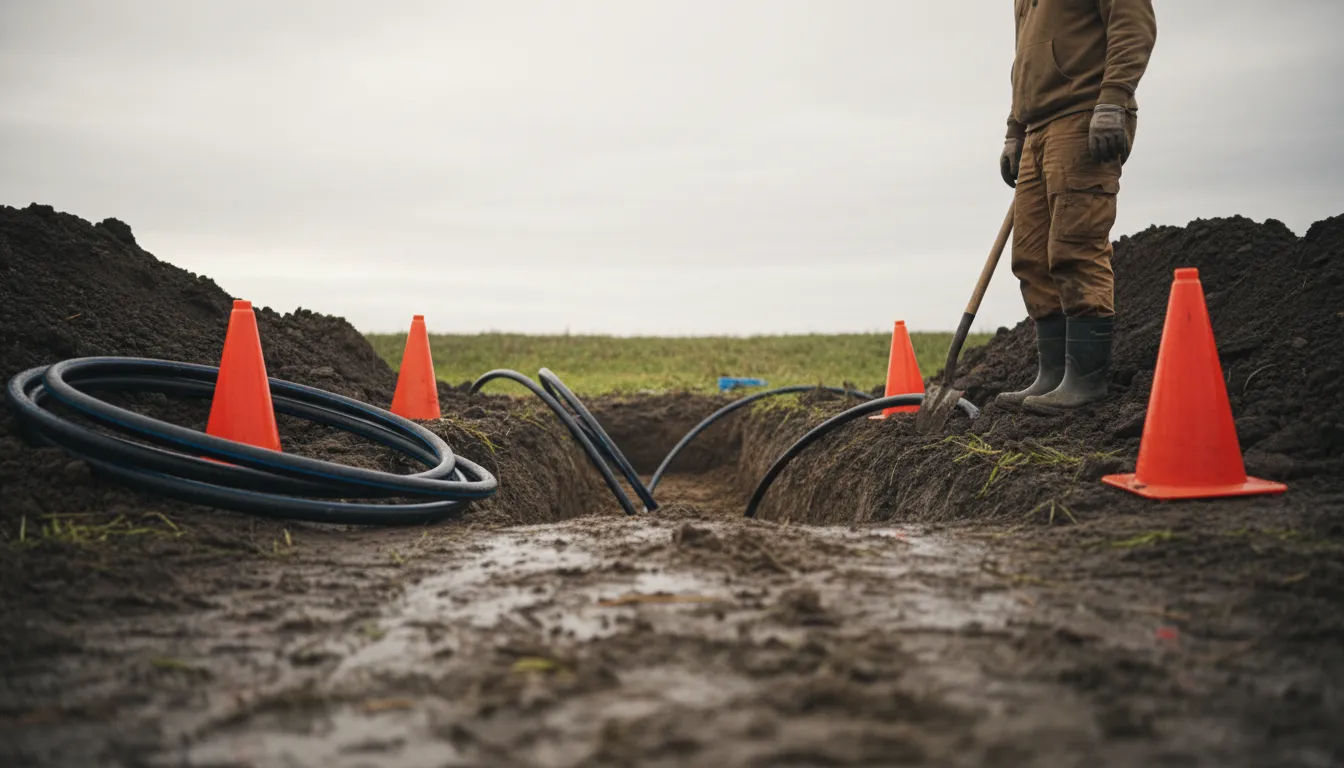
Find the Best Geothermal Heat Pump Contractors for Your Business
No obligation • Fast responses • Nationwide coverage

Why you can trust HVAC Firms
HVAC Firms is a leading United States resource for evaluating HVAC service providers. Our team researches companies, checks credentials, and reviews customer feedback to present clear, unbiased information. Listings and rankings are based on merit, and companies cannot pay to change our editorial content.
Search providers near you
Best Geothermal Heat Pump Contractors in Georgia Ranked
Geothermal heat pumps are a highly efficient, long-term solution for heating and cooling your Georgia home. By leveraging the stable temperatures underground, these systems can drastically reduce your energy bills and environmental footprint. This guide explains the key considerations for Georgia homeowners, from upfront costs and available incentives to soil suitability and finding qualified local professionals to assess your property and install a system correctly.
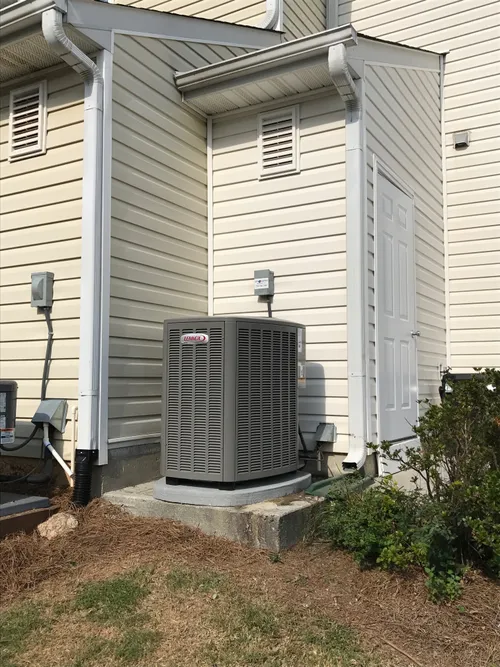
Innovative Mechanical, LLC
1700 Cumberland Point Dr Suite 17, Marietta, GA 30067
Innovative Mechanical, LLC is an HVAC company based in Atlanta, GA, offering a range of services including air conditioning repair, heat pump installation, geothermal heat pump systems, and indoor air quality improvements. They handle both residential and commercial HVAC needs, providing design, installation, and maintenance solutions. Their capabilities include working with geothermal heat pumps and air purifiers to enhance indoor air quality.
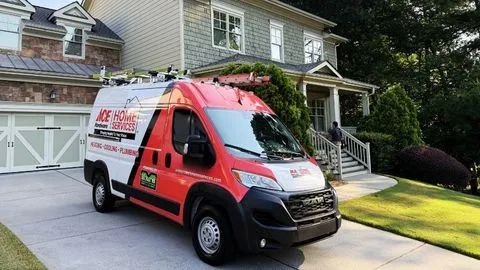
Moncrief Heating & Air Conditioning
935 Chattahoochee Ave NW, Atlanta, GA 30318
Moncrief Heating & Air Conditioning is a full-service HVAC and plumbing company serving Atlanta, GA. With over 125 years of experience, they provide installation, repair, and maintenance for heating, cooling, and plumbing systems. Their services include AC, furnace, heat pump, boiler, mini split, and geothermal heat pump installation and repair, along with HVAC tune-ups. Moncrief works closely with clients to create tailored solutions that fit individual home comfort and health needs.
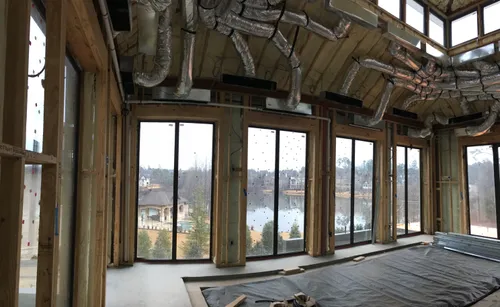
EcoMech Geothermal and Heating & Air
1100 Peachtree St NE STE 200, Atlanta, GA 30309
EcoMech Geothermal and Heating & Air is an HVAC company based in Atlanta, GA, specializing in geothermal heat pump installation and repair, as well as air conditioning and heating services for both residential and commercial clients. They focus on energy-efficient geothermal systems that use the earth's stable ground temperature to provide heating, cooling, and hot water. EcoMech also offers spray foam insulation to improve energy savings. Their expertise includes commercial and industrial geothermal system installations.
DiegoHVAC LLC
3241 Old Church Cove NE, Conyers, GA 30012
DiegoHVAC LLC is a family-owned HVAC company serving Atlanta, GA, and surrounding areas with over 15 years of experience. They provide a wide range of heating and cooling services including installation, maintenance, and repair of air conditioners, furnaces, heat pumps, boilers, mini-splits, and geothermal systems. Their offerings also include indoor air quality solutions such as duct cleaning, air purifiers, and custom ductwork. DiegoHVAC LLC is available 24/7 for emergency service, ensuring support whenever needed.
Understanding Geothermal Systems
Often called ground-source heat pumps, these systems work by exchanging heat with the earth through a loop of pipes buried in your yard. In the winter, they extract heat from the ground to warm your home. In the summer, the process reverses, pulling heat from your house and depositing it into the cooler earth. This process is far more efficient than generating heat through combustion or using outside air, which can be extremely hot or cold.
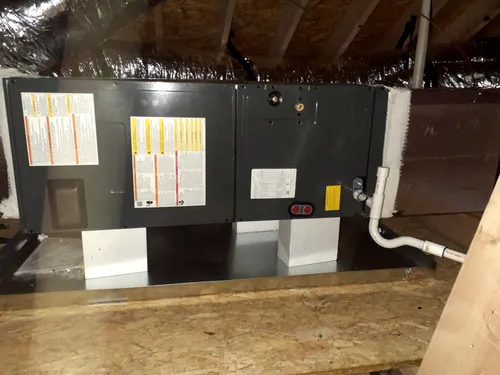
The core components are the ground loop (a network of pipes in the ground) and the indoor heat pump unit. The longevity of these systems is a major advantage; the underground piping can last 50 years or more, while the indoor unit typically lasts 20 to 25 years. This makes a geothermal installation a significant, long-term investment in your home's comfort and efficiency.
Is Geothermal a Good Fit for Georgia?
Georgia's climate and geology make it an excellent candidate for geothermal technology.
Climate Suitability: Georgia experiences hot, humid summers and relatively mild winters. A geothermal system excels in this environment, providing highly efficient cooling when you need it most and reliable, cost-effective heating during cooler months 1. Unlike air-source heat pumps, which lose efficiency in extreme cold, a ground-source system maintains consistent performance year-round because the ground temperature a few feet below the surface remains relatively constant.
Soil and Site Evaluation: The success and efficiency of a horizontal ground loop system depend heavily on your soil conditions. Moist, clay-rich soils, which are common in many parts of North Georgia, are ideal for horizontal loops because they transfer heat well and retain moisture. A qualified installer will conduct a thorough site assessment to determine the best loop type (horizontal trenches or vertical boreholes) based on your land's size, soil composition, and layout. This evaluation is a critical first step that ensures your system is properly designed.
Costs, Savings, and Financial Incentives
The decision to install a geothermal system involves understanding the upfront investment and the substantial long-term savings and incentives available.
Upfront Installation Costs: In Georgia, a complete geothermal heat pump system installation typically ranges from $20,000 to over $50,000. The final cost depends on your home's size (system capacity measured in tons), the chosen loop type (vertical boreholes are more expensive than horizontal trenches), soil conditions, and the complexity of the installation. While this initial cost is higher than a conventional HVAC system, it's important to view it in the context of lifetime operating costs.
Long-Term Energy Savings: Homeowners can expect to reduce their heating and cooling energy consumption by 40% to 60%2. This translates to significant savings on monthly utility bills. The payback period-the time it takes for energy savings to equal the upfront cost-varies but often falls between 2 and 10 years, after which you enjoy decades of lower operating costs 3 4.
Available Incentives for Georgia Homeowners
A powerful combination of federal and new state incentives makes geothermal more affordable than ever.
- Federal Tax Credit: The federal government offers a tax credit for 30% of the total installation cost for systems that meet specific efficiency standards. There is no upper dollar limit, but you must have a tax liability of at least $2,000 to claim the full benefit 5 6.
- Georgia State Tax Credit (HB 248): Starting in 2026, Georgia will offer a groundbreaking incentive. House Bill 248 establishes a 25% state income tax credit for the installation of Energy Star-rated geothermal heat pump systems. The credit is capped at $5,000 per year and $25,000 total over five years, and it requires pre-approval from the state 7. This makes the 2026-2031 period an exceptional time to invest.
- Local Utility Rebates: Many electric cooperatives and utilities in Georgia offer rebates to encourage energy efficiency. For example, Diverse Power offers a rebate of $350 per ton for qualifying geothermal installations 8. Always check with your local electricity provider for available programs.
Find the perfect geothermal heat pump contractors for your needs
Get personalized recommendations and expert advice
The Installation Process: What to Expect
A proper geothermal installation is a multi-step process that requires expertise at every stage.
- Initial Consultation and Load Calculation: A certified professional will visit your home to perform a "Manual J" calculation. This determines the exact heating and cooling capacity (in tons) your home needs based on its size, insulation, windows, and other factors. Proper sizing is critical for efficiency and comfort.
- Site Assessment and Loop Design: The contractor will evaluate your property to determine the best loop type. Horizontal loops require more land area but are less expensive to install where soil is suitable. Vertical loops are used where space is limited and involve drilling deep boreholes.
- Permitting: Your installer will handle pulling the necessary local permits from your city or county. Permitting requirements vary across Georgia but are mandatory to ensure the installation meets all building and safety codes 9.
- Installation: This involves excavating trenches or drilling boreholes for the ground loop, laying and pressure-testing the piping, backfilling, and installing the indoor heat pump unit and ductwork connections. The process can take several days to a couple of weeks.
- System Startup and Inspection: Once installed, the system is charged with refrigerant, started, and tested for proper operation. A final inspection by local authorities is often required 10.
Repair and Maintenance Considerations
Geothermal systems are known for their reliability and require less frequent repair than conventional systems because the major components are protected indoors or underground. Maintenance is similar to a standard heat pump: regularly changing air filters, keeping the indoor unit clean, and having an annual check-up by a certified technician who is trained on geothermal-specific components.
Should a repair be needed, it's essential to work with a technician certified to work on ground-source heat pumps. While the indoor unit repairs are similar to conventional systems, issues with the ground loop require specialized knowledge and equipment. The long lifespan and reduced maintenance needs are key factors that help justify the system's higher initial cost.
Finding the Right Professional in Georgia
Selecting an experienced, certified installer is the most important step in your geothermal journey. Look for contractors who are accredited by organizations like the International Ground Source Heat Pump Association (IGSHPA) and have specific experience with installations in Georgia's soil conditions. They should provide a detailed proposal that includes the Manual J load calculation, loop design specifications, a complete cost breakdown, and a clear explanation of all applicable warranties. Be sure to ask for references from past customers with systems that have been operational for several years.
Frequently asked questions
Sources
Footnotes
-
Best Geothermal Systems for Georgia Homes - https://toptechmech.com/best-geothermal-systems/ ↩
-
Geothermal HVAC Installation Cost | Estimate $15K - $40K - https://geo-us.com/blog/geothermal-hvac-installation-cost-explained/ ↩
-
Ground Source Heat Pump Cost: How Much Will You Pay in 2025? - https://www.energysage.com/heat-pumps/costs-benefits-geothermal-heat-pumps/ ↩
-
Geothermal Heat Pump Guide: Installation Costs, Types And Benefits - https://modernize.com/hvac/heating-repair-installation/heat-pump/geothermal ↩
-
Geothermal Heat Pumps: Cost and Installation - https://www.energyhomes.org/renewable-technology/geoinstallation.html ↩
-
Heat Pump federal Rebate in Georgia : r/heatpumps - Reddit - https://www.reddit.com/r/heatpumps/comments/15mlthe/heat_pump_federal_rebate_in_georgia/ ↩
-
GA HB248 - BillTrack50 - https://www.billtrack50.com/billdetail/1818490 ↩
-
Rebates - Diverse Power - https://www.diversepower.com/energy-tools/rebates/ ↩
-
The Complete Guide To Geothermal Heat Pump Installation - https://ultrageothermal.com/the-complete-guide-to-geothermal-heat-pump-installation/ ↩
-
Geothermal Heat Pump Installation Overview - EnergySage - https://www.energysage.com/heat-pumps/installing-geothermal-heat-pump/ ↩