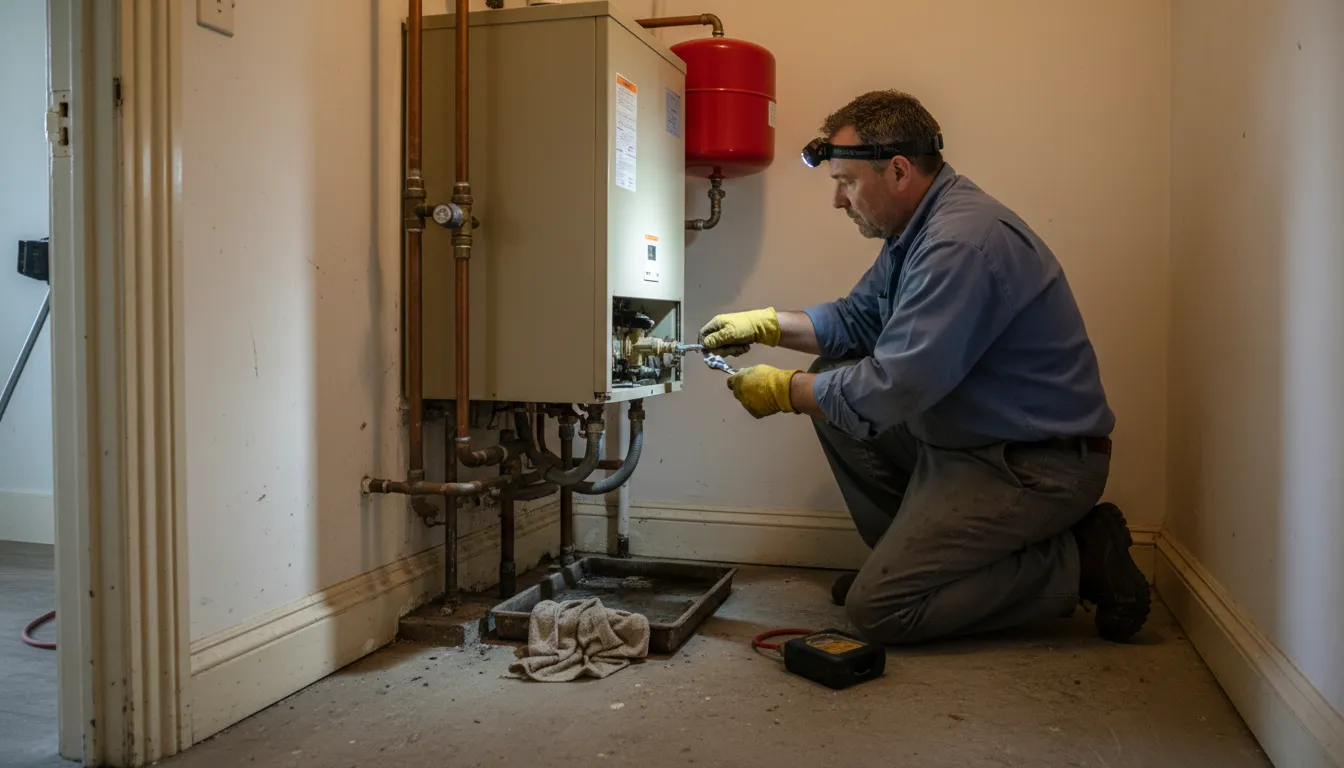
Find the Best Boiler Repair Contractors for Your Business
No obligation • Fast responses • Nationwide coverage

Why you can trust HVAC Firms
HVAC Firms is a leading United States resource for evaluating HVAC service providers. Our team researches companies, checks credentials, and reviews customer feedback to present clear, unbiased information. Listings and rankings are based on merit, and companies cannot pay to change our editorial content.
Search providers near you
Top Boiler Repair Contractors in Raleigh, North Carolina Ranked
When your home's heating system fails on a chilly Raleigh morning, understanding your options for boiler repair and heating service is essential. Hydronic heating systems, which use hot water circulated through radiators or baseboards, provide exceptionally comfortable and even warmth, but they require specialized knowledge to maintain and fix. This resource is designed to help Raleigh homeowners navigate the specifics of boiler maintenance, understand when to repair versus replace, and connect with local technicians skilled in servicing these unique systems.
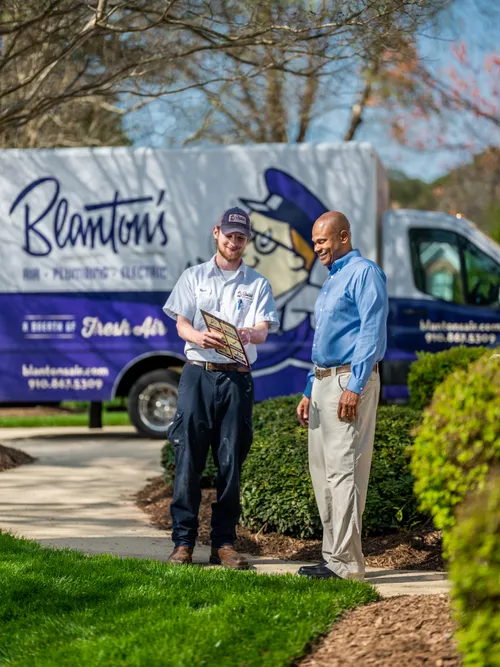
Blanton's Air, Plumbing & Electric
2000 Citation Dr Ste 100, Garner, NC 27529
Blanton's Air, Plumbing & Electric has been serving Raleigh, NC, and the surrounding Triangle area since 1951. They provide a wide range of home services including HVAC repair and installation for air conditioners, furnaces, heat pumps, and boilers. With over 75 years of experience, they offer comprehensive maintenance and emergency services to ensure home comfort and safety year-round. Their team is available 24/7, including after-hours support through an AI representative and live customer care, prioritizing urgent needs and flexible scheduling.
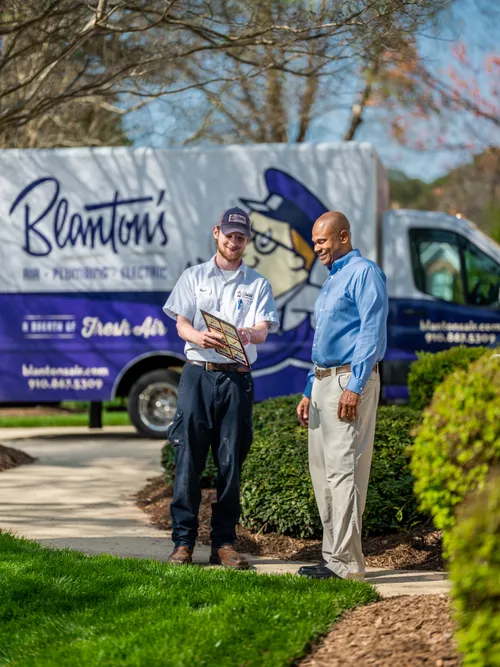
Blanton's Air, Plumbing & Electric
8810 Westgate Park Dr Suite 110, Raleigh, NC 27617
Blanton's Air, Plumbing & Electric has been serving Raleigh, NC, and the surrounding Triangle area since 1951. The company offers a full range of HVAC services, including repair, installation, and maintenance for air conditioning, furnaces, heat pumps, and boilers. With over 75 years of experience, Blanton's provides 24/7 availability for emergency service requests, ensuring that customer needs are addressed promptly at any time.
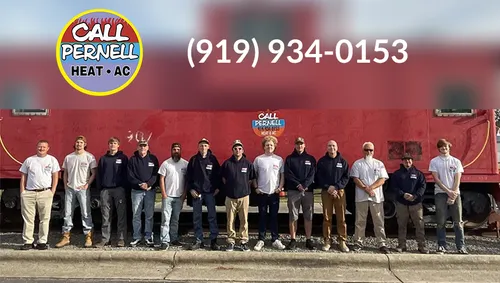
Call Pernell Heat and Air
111 E Oak St, Selma, NC 27576
Call Pernell Heat and Air is an HVAC company serving Raleigh, NC, and the surrounding Johnston County area. Established in 1977, they provide a wide range of heating and cooling services including furnace, heat pump, boiler, and air conditioner repair and installation. Their expertise also covers indoor air quality improvements, ductless mini-splits, and geothermal heat pump systems. With nearly five decades of experience, Call Pernell offers specialized capabilities such as real-time quotes and onsite estimates through an efficient dispatch system. They also provide 24/7 emergency service by appointment to address urgent HVAC needs.
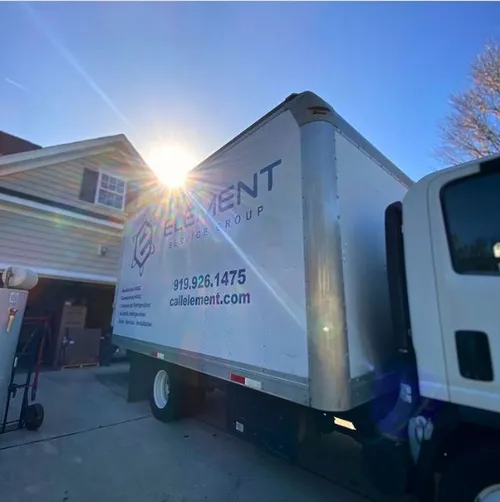
Element Service Group
2422 Reliance Ave, Apex, NC 27539
Element Service Group is an HVAC and plumbing company serving Raleigh, NC. They provide residential repair services for air conditioning, furnaces, heat pumps, and boilers. The company has been offering 24/7 repair services since 2009, ensuring availability for urgent needs.
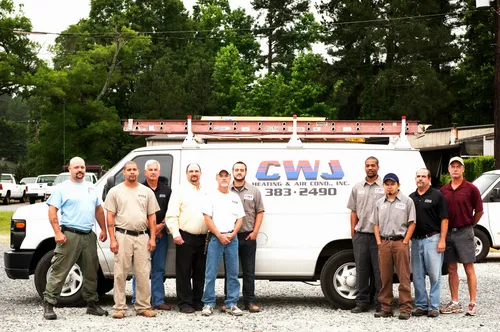
CWJ Heating & Air Conditioning
4901 Hillsborough Rd, Durham, NC 27705
CWJ Heating & Air Conditioning is a family-owned HVAC company serving Durham, NC. They offer a full range of heating and cooling services including air conditioning and boiler installation, repair, and maintenance, as well as indoor air quality solutions. With over 50 years of experience, their skilled technicians use industry-leading parts to ensure dependable service. Emergency services are available for urgent HVAC needs.
Understanding Heating Systems in Raleigh's Climate
Raleigh's humid subtropical climate presents unique considerations for home heating. While winters are generally moderate, efficient and reliable heating is still necessary, and the choice of system often balances heating performance with the undeniable need for summer cooling.
The most common residential heating setups in the area include:
- Forced-Air Systems (Furnace & AC): This is the most prevalent system, using a network of ducts to deliver warm air in winter and cool air in summer. While effective, it can sometimes lead to drier indoor air 1 2.
- Heat Pumps: Extremely popular and efficient for North Carolina's climate, heat pumps provide both heating and cooling from one unit. They are particularly cost-effective for our mild winters and are a common consideration when upgrading an older system.
- Hydronic Systems (Boilers): These systems heat water in a boiler, which is then pumped through pipes to radiators, baseboard heaters, or even in-floor tubing. They deliver a gentle, radiant heat that many find superior in comfort, but they do not provide air conditioning, requiring a separate cooling system.
For homes with an existing hydronic system, specialized boiler repair is not just a preference-it's a necessity, as the skills and parts differ significantly from forced-air equipment.
How Hydronic Boiler Systems Work
A hydronic heating system is a closed-loop network. At its heart, the boiler (which can be fueled by natural gas, oil, or propane) heats water. A circulator pump then moves this hot water through insulated pipes to terminal units like cast-iron radiators, modern baseboard convectors, or radiant floor tubing. As the hot water travels through these emitters, it releases heat into the rooms before returning to the boiler to be reheated 3 4.
This method of radiant heat warms objects and people directly, similar to sunlight, often allowing for lower thermostat settings while maintaining comfort. It avoids blowing allergens around and doesn't dry out the air like forced-air systems can. However, this comfort comes with the need for specific, proactive maintenance to keep the system running quietly and efficiently for decades.
Essential Boiler Maintenance for Raleigh Homes
Routine maintenance is the best defense against unexpected and costly boiler breakdowns. An annual professional inspection and tune-up before the heating season is crucial. A technician will check for proper combustion, inspect the heat exchanger for cracks, test safety controls, and ensure the circulator pump is operating smoothly 5.
A key maintenance task specific to hydronic systems is system flushing. Over time, water in the closed loop can develop sediment, mineral scale (especially with Raleigh's varying water hardness), and corrosion byproducts known as "sludge." This buildup can reduce efficiency, cause noisy operation, and eventually lead to component failure. Experts generally recommend a professional power flush of the system every 5 to 7 years to maintain peak performance and longevity.
Find the perfect boiler repair contractors for your needs
Get personalized recommendations and expert advice
Common Boiler Repairs and Troubleshooting
When a boiler acts up, the symptoms can point to several common issues. Here are a few problems Raleigh homeowners might encounter:
- No Heat or Insufficient Heat: This could stem from a failed circulator pump, a malfunctioning thermostat, low water pressure, or a problem with the boiler's ignition system or gas valve.
- Strange Noises (Banging, Whistling, Gurgling): Often a telltale sign of air in the lines (requiring bleeding) or mineral/sediment buildup (indicating a need for flushing) 6.
- Leaking Water: Leaks can occur at pipe joints, pressure relief valves, or, more seriously, from within the boiler tank itself, which often signals the need for replacement.
- Pilot Light or Ignition Problems: For older systems, a draft or a faulty thermocouple can extinguish the pilot light. Modern boilers with electronic ignition can have failed components that prevent startup.
- Pressure Issues: Systems that are consistently losing pressure may have a leak. Excessively high pressure can trigger the pressure relief valve to discharge.
Due to the complexity and safety risks involved with gas lines, high-pressure vessels, and electrical components, diagnosing and repairing these issues should be left to a qualified boiler specialist.
The Repair vs. Replacement Decision
Facing a significant boiler repair in Raleigh often leads to a critical question: should you fix the old unit or invest in a new system? Several key factors can guide this decision for North Carolina homeowners.
- Age of the System: The average lifespan of a well-maintained boiler is 15 to 30 years. If your system is approaching or has exceeded 15 years and is requiring frequent repairs, replacement often becomes the more reliable and cost-effective long-term choice 7.
- Cost of Repairs: A common rule of thumb is to consider replacement if the repair estimate is 50% or more of the cost of a new system. Investing a large sum into an aging boiler may only delay the inevitable.
- Energy Efficiency: Older boilers, especially those 20+ years old, operate at much lower efficiency (AFUE ratings) than modern condensing models. Upgrading to a high-efficiency boiler can lead to substantial savings on your monthly energy bills, an important factor given Raleigh's seasonal temperature swings.
- Your Cooling Needs: This is a major consideration in our climate. If your home lacks central air conditioning or has an aging AC unit, this is the time to evaluate a heat pump system. A heat pump provides highly efficient heating and cooling from one unit, potentially solving two needs with one investment and often qualifying for utility rebates.
Cost Considerations for Heating Services
Costs for boiler service in Raleigh can vary based on the complexity of the job, the parts required, and the type of boiler. Simple repairs like replacing a circulator pump or thermostat may range from a few hundred dollars. More complex issues, such as repairing or replacing a heat exchanger, can run into the thousands.
For a full boiler replacement, homeowners should be prepared for a significant investment, typically between $5,000 and $15,000 or more. This wide range accounts for the cost of the new high-efficiency unit itself, labor, and any necessary updates to piping, radiators, or venting. Installing a brand-new hydronic system where one didn't exist is the most expensive option due to the extensive plumbing work required 8.
As an alternative, installing a new heat pump system for both heating and cooling generally falls in the range of $8,000 to $20,000+, with ductless mini-split systems offering flexibility for homes without existing ductwork 9.
Finding the Right Specialist for Your Home
Given the specialized nature of hydronic systems, selecting the right service provider is paramount. Look for a heating contractor who explicitly lists boiler repair, hydronic systems, or radiant heat as a core service. They should be properly licensed, insured, and experienced with your specific type of boiler (gas, oil, combi-boiler, etc.). Don't hesitate to ask for references or examples of similar repair or installation work they've completed in the Raleigh area. A trustworthy technician will provide a clear, detailed estimate, explain your options without pressure, and help you weigh the long-term benefits of repair against replacement for your specific situation and home.
Frequently asked questions
Sources
Footnotes
-
5 Types of Heating Systems: A Complete Guide for Homeowners - https://www.airsmithsac.com/hvac-resources/5-residential-heating-systems/ ↩
-
What is Forced Air Heating and Cooling? A Deep Dive into the Most ... - https://rtsmechanical.com/what-forced-air-heating-and-cooling-deep-dive-most-common-hvac-system ↩
-
How Does Hydronic Heating Work - HydroHeat - https://www.hydroheat.com.au/how-does-hydronic-heating-work/ ↩
-
Radiant & Hydronic Heating | All You Need To Know - ClimateCare - https://www.climatecare.com/blog/all-you-need-to-know-about-hydronic-heating-systems/ ↩
-
Foster Hydronic FAQ - https://www.hydronic.com.au/faq/ ↩
-
Should Hydronic Heating Systems Be Flushed? - Fante's HVAC - https://fantesphvac.com/should-hydronic-heating-systems-be-flushed/ ↩
-
Replace vs. Repair your HVAC System in NC | All American - https://www.allamerican-nc.com/blogs/when-to-replace-vs-repair-your-hvac-system-in-north-carolina/ ↩
-
Pros and Cons of Each Type of Heating System for NC Homes - https://webbhvac.com/heating-air-conditioning-blog/heating-system-type-pros-and-cons/ ↩
-
Home Heating Systems Guide - Carolina Commercial Systems - https://carolinacommercialsystems.com/blog/home-heating-systems-guide/ ↩