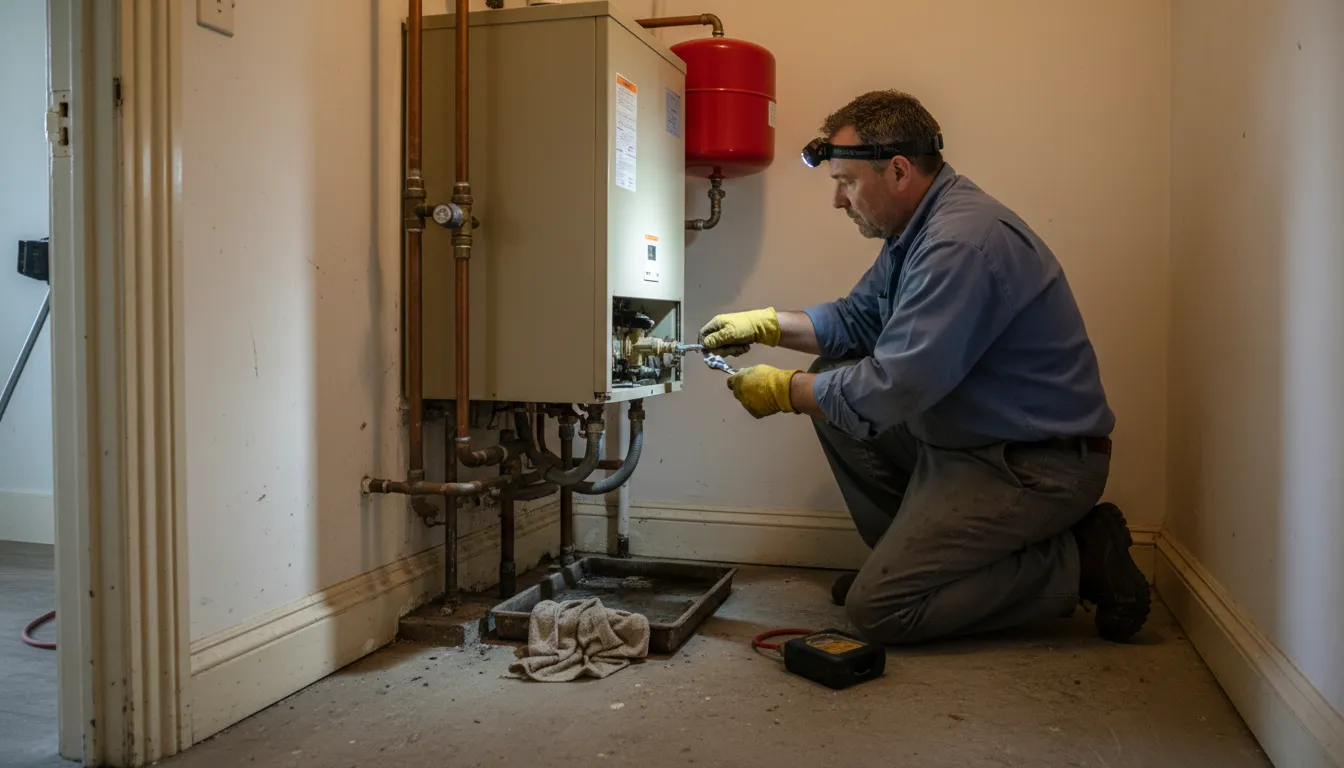
Find the Best Boiler Repair Contractors for Your Business
No obligation • Fast responses • Nationwide coverage

Why you can trust HVAC Firms
HVAC Firms is a leading United States resource for evaluating HVAC service providers. Our team researches companies, checks credentials, and reviews customer feedback to present clear, unbiased information. Listings and rankings are based on merit, and companies cannot pay to change our editorial content.
Search providers near you
Top Boiler Repair Contractors in Charlotte, North Carolina Ranked
When your boiler stops working, it's more than an inconvenience-it's a threat to your home's comfort and safety. Boiler repair involves diagnosing and fixing issues with the central heating unit that provides warmth through radiators or radiant floor systems. In Charlotte, where historic neighborhoods feature older hydronic systems, having access to reliable expertise is crucial. This guide will help you understand your boiler system, recognize common problems, and connect with qualified local professionals who can restore your heat efficiently.
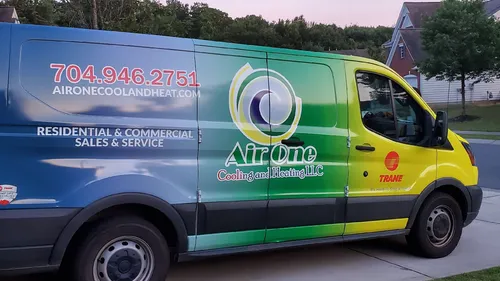
Air One Cooling & Heating, LLC
16507-A Northcross Dr #107, Huntersville, NC 28078
Air One Cooling & Heating, LLC is an HVAC company based in Charlotte, NC, providing residential and commercial heating and air conditioning services. They offer installation, replacement, maintenance, and repair for systems including air conditioners, heat pumps, furnaces, boilers, geothermal systems, and ductless mini splits. As a certified Preferred Partner of Piedmont Natural Gas and a Trane dealer, they provide expertise in indoor air quality products and emergency service available 24/7. The company is known for customized solutions and extended service agreements to maintain system efficiency.
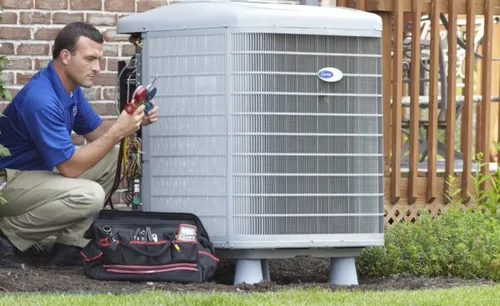
Precision Climate
45 Shadowbrook Rd, Mt Holly, NC 28120
Precision Climate is an HVAC company serving Charlotte, NC, specializing in repair and installation of air conditioning, furnaces, heat pumps, boilers, mini splits, and geothermal heat pumps. With over 25 years of experience, they provide comprehensive HVAC tune-up services to maintain system efficiency and comfort.

Quality Air Indoor Specialists, Inc.
Charlotte, NC
Quality Air Indoor Specialists, Inc. is an HVAC company based in Charlotte, NC, focusing on both heating and cooling services as well as improving indoor air quality. They provide installation and repair services for air conditioners, furnaces, heat pumps, and boilers, with an emphasis on systems that also clean the air to support health. Their team serves Charlotte and the surrounding Lake Norman area, including Huntersville, Mooresville, Cornelius, Concord, and Davidson. The company is known for assessing air quality issues and offering solutions tailored to reduce health problems related to poor indoor air. Quality Air Indoor Specialists, Inc. is committed to community connections and supporting local areas through sponsorships and partnerships.
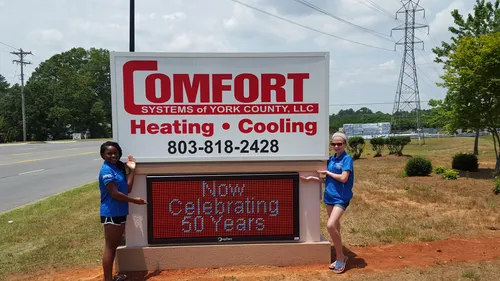
Comfort Systems of York County
5010 Old York Rd, Rock Hill, SC 29732
Comfort Systems of York County is a locally owned HVAC company serving Charlotte, NC, and the surrounding areas. They provide a range of services including air conditioning, furnace, heat pump, and boiler repair and installation, as well as HVAC tune-ups. With over 60 years of experience, the company has built a reputation for honest small-town service and has served more than 15,000 customers. Comfort Systems of York County also offers 24/7 emergency service for urgent HVAC needs.

Aire Serv of Central North Carolina
414 N Main St, Biscoe, NC 27209
Aire Serv of Central North Carolina provides heating and air conditioning services in Charlotte, NC, and surrounding areas. They offer repair, installation, and maintenance for air conditioners, furnaces, heat pumps, boilers, and ductless split systems. The company also specializes in improving indoor air quality through air purification systems. Aire Serv has a local presence with service coverage extending to multiple counties including Montgomery, Moore, and Randolph. They provide 24/7 emergency HVAC services and emphasize upfront pricing with guaranteed labor and parts.
Understanding Your Charlotte Home's Boiler System
Many homes in Charlotte, particularly in historic areas like Dilworth and Myers Park, rely on hydronic boiler systems. These systems heat water, which is then circulated through cast iron radiators or tubing embedded in floors to provide warmth. Unlike forced-air systems that blow heated air, boilers offer a quiet, even heat that many homeowners prefer. Understanding whether you have a steam or hot water (hydronic) system is the first step, as their components and common failure points differ. Local climate plays a role too; Charlotte's mild winters with occasional cold snaps mean your system needs to be reliable during infrequent but potentially severe temperature drops.
Common Boiler Problems and Repairs
A malfunctioning boiler can manifest in several ways. You might hear unusual noises like banging or whistling (often from kettling or air in the lines), experience uneven heating where some radiators are cold, see a persistent leak, or get no heat at all. Common repairs for Charlotte homes include:
- Ignition or Pilot Light Issues: A faulty ignitor, thermocouple, or gas valve can prevent the boiler from firing up.
- Circulator Pump Failure: This pump moves hot water through the system. When it fails, heat doesn't reach your radiators or floors.
- Faulty Valves and Thermostats: Issues with zone valves, pressure relief valves, or the thermostat can lead to improper temperature control or system pressure problems.
- Leaking: Corrosion or failed seals can cause leaks around the pump, valves, or the boiler itself, which need immediate attention to prevent water damage.
- Low Pressure: A common issue in closed hydronic systems that may require repressurizing and investigating for leaks.
Most service calls begin with a diagnostic fee, typically ranging from $75 to $150, which is often waived if you proceed with the repair.
Repair Costs: What to Expect in Charlotte
The cost to fix a boiler in Charlotte depends entirely on the nature of the problem. Minor repairs, such as replacing a thermostat, capacitor, or ignitor, generally range from $100 to $400 1. More involved repairs are costlier. Fixing or replacing a circulator pump often falls between $500 and $1,500, while addressing a leaking heat exchanger or a failed compressor can run from $1,500 to $3,500 or more 1 2. It's important to get a detailed estimate from your technician that breaks down parts and labor. This transparency helps you understand the value of the repair versus the investment in a new unit.
Find the perfect boiler repair contractors for your needs
Get personalized recommendations and expert advice
The Critical Decision: Repair or Replace Your Boiler?
Facing a significant boiler repair bill can lead to a tough choice. How do you decide whether to fix the old unit or invest in a new one? Here are the key factors to consider, especially for Charlotte homeowners:
- Age of the System: The average lifespan of a well-maintained boiler is 15 to 30 years. If your unit is over 15 years old and requires a major repair, replacement often becomes the more economical long-term choice.
- Cost of Repair vs. Replacement: A common rule of thumb is to consider replacement if the repair cost exceeds 30% to 50% of the price of a new, high-efficiency boiler. Weighing a $2,500 repair against a $7,000 new installation, for example, makes the math clearer.
- Frequency of Breakdowns: If you're calling for boiler service multiple times a season, the cumulative cost and hassle signal that the system is failing.
- Energy Efficiency: Older boilers, particularly those over 20 years old, often operate at Annual Fuel Utilization Efficiency (AFUE) ratings of 70% or less. New Energy Star® qualified boilers can achieve efficiency ratings over 85% AFUE, significantly reducing your monthly energy bills 3 4. The upgrade can pay for itself over time through savings.
- Improved Comfort and Reliability: A new boiler installation provides peace of mind with a manufacturer's warranty and modern, consistent performance.
Choosing a Qualified Boiler Service Professional in Charlotte
Not all HVAC technicians are equally experienced with boiler systems. For a proper diagnosis and repair, it's essential to find a specialist. Look for a licensed professional who is familiar with the specific challenges of Charlotte's older hydronic systems and local building codes 5. They should perform a thorough inspection, explain your options clearly without pressure, and provide a written, itemized estimate. A reputable technician will discuss both repair and replacement scenarios, helping you make an informed decision based on your system's condition and your household's needs 6.
Investing in a new, high-efficiency boiler is a major decision, but it offers substantial long-term benefits in savings, comfort, and reliability 7. A qualified local expert can calculate the potential payback period based on your current fuel costs and usage, making the financial case clear.
Maintaining Your Boiler for Longevity
Once your boiler is repaired or newly installed, regular maintenance is key to preventing future problems and extending its life. An annual tune-up by a professional should include checking the heat exchanger for cracks, testing system pressure and safety valves, cleaning the burner and combustion chamber, and inspecting the flue for proper ventilation. Homeowners can also help by keeping the area around the boiler clear, monitoring the system pressure gauge, and listening for unusual sounds. Proper maintenance not only prevents breakdowns but also ensures your system runs at peak efficiency, keeping your energy bills in check.
Frequently asked questions
Sources
Footnotes
-
HVAC Repair Costs in Charlotte NC (2026 Prices) - https://callkodiakhvac.com/learning-center/costs/hvac-repair-costs-charlotte ↩ ↩2
-
HVAC Repair Costs in Charlotte NC (2026 Prices) - https://www.callkodiakhvac.com/learning-center/costs/hvac-repair-costs-charlotte ↩
-
Boiler Repair vs. Replacement: Make the Right Choice - https://www.smithandcompanyhvac.com/boiler-repair-vs-replacement-how-to-make-the-right-choice/ ↩
-
HVAC Repair Cost Charlotte NC | $200-$800 | 2026 Prices - https://www.callkodiakhvac.com/hvac-repair-cost-charlotte ↩
-
How Much Does Water Heater Repair Cost in Charlotte, North ... - https://www.angi.com/articles/how-much-does-it-cost-repair-water-heater/nc/charlotte ↩
-
Who Do You Call to Fix a Boiler? - One Hour Heating & Air Conditioning - https://www.onehourheatandair.com/charleston/about-us/blog/2024/september/fix-a-boiler/ ↩
-
Boiler Installation in Charlotte - Service Experts - https://www.serviceexperts.com/charlotte-nc/services/heating-services/boilers/ ↩