Find the Best Mini-Split Installers for Your Business
No obligation • Fast responses • Nationwide coverage

Why you can trust HVAC Firms
HVAC Firms is a leading United States resource for evaluating HVAC service providers. Our team researches companies, checks credentials, and reviews customer feedback to present clear, unbiased information. Listings and rankings are based on merit, and companies cannot pay to change our editorial content.
Search providers near you
Top Mini-Split Installers in Hampton, Virginia Ranked
A ductless mini-split system is a versatile heating and cooling solution that provides targeted comfort without the need for extensive ductwork. This technology is especially valuable for managing specific zones in your home, offering energy-efficient climate control where you need it most. For Hampton residents, finding a qualified professional for your mini-split installation is key to ensuring optimal performance, efficiency, and longevity for your investment.
Smiley's Heating & Cooling
3500 Virginia Beach Blvd Ste 110, Virginia Beach, VA 23452
Smiley's Heating & Cooling is an HVAC company based in Virginia Beach, VA, serving both residential and commercial customers. They offer a wide range of services including air conditioning repair and installation, furnace and heat pump repair, ductless mini-split installation, indoor air quality testing, and HVAC maintenance plans. Their certified technicians provide expert repairs and installations, backed by a 10-year labor warranty on select new installs. Smiley's also offers emergency HVAC repair services and covers areas including Virginia Beach and Norfolk.
Absolute Comfort Heating and Cooling
524 Central Dr #101, Virginia Beach, VA 23454
Absolute Comfort Heating and Cooling is a family-owned HVAC company serving Virginia Beach, VA, and nearby areas since 2003. They provide a wide range of services including air conditioning, heat pump, furnace, and boiler repair and installation, as well as indoor air quality solutions and ductless system services. Their NATE-certified technicians handle both residential and light commercial HVAC needs, offering expertise in system diagnostics, maintenance, and installations. The company also offers 24/7 emergency service for urgent HVAC issues.
Conner Services Inc
1359 Virginia Beach Blvd, Virginia Beach, VA 23454
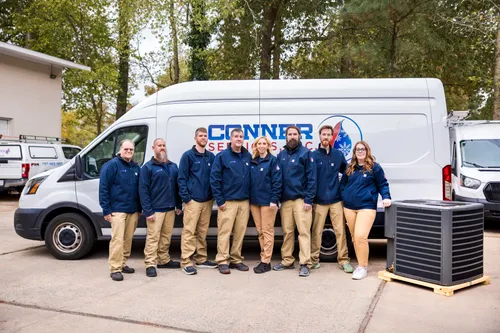
Conner Services Inc provides a wide range of heating, ventilation, and air conditioning services in Virginia Beach, VA. Their skilled technicians handle HVAC installation, repair, and maintenance for systems including furnaces, heat pumps, mini-splits, geothermal units, and ductwork. They also offer indoor air quality solutions such as filtration and UV lights, as well as smart home HVAC accessories. The company emphasizes energy-efficient options and comprehensive seasonal tune-ups to maintain system performance. Conner Services Inc holds multiple professional licenses and offers a one-year labor warranty on all services.

Aire Serv of Southside
4740 W Norfolk Rd, Portsmouth, VA 23703
Aire Serv of Southside is an HVAC company serving Virginia Beach, VA, and nearby areas including Chesapeake, Norfolk, and Portsmouth. They provide a range of heating and cooling services such as air conditioner repair and installation, furnace and heat pump maintenance, boiler services, and indoor air quality improvements. The company offers specialized capabilities like ductless mini split AC system installation and comprehensive HVAC tune-ups to enhance system efficiency. Aire Serv of Southside is locally owned and operated and is affiliated with a national network, providing access to extensive resources and continuing education. They also offer 24/7 availability for heating and air conditioning repairs to ensure customer comfort year-round.
Ronald's Heating & Cooling
552 Central Dr Suite 104, Virginia Beach, VA 23454
Ronald's Heating & Cooling provides comprehensive HVAC services in Virginia Beach, VA. The company offers air conditioning and heating installation, repair, and maintenance, including mini split systems and duct cleaning to improve indoor air quality. With over 18 years of experience, Ronald's Heating & Cooling serves both residential and commercial customers, delivering expert solutions backed by certified technicians. They provide 24-hour emergency service to address urgent heating and cooling needs promptly.
Why Choose a Ductless System in Hampton?
Homes in Hampton face a range of climate challenges, from humid summers to occasionally chilly winters. Traditional central HVAC systems can struggle with inconsistent temperatures in certain rooms or additions. A ductless mini-split installation directly addresses these issues by allowing you to create independent climate zones. This means you can cool a sun-drenched addition, heat a converted basement, or simply stop fighting over the thermostat in multi-generational households. The flexibility and efficiency of these systems make them a smart choice for modernizing comfort in many local homes.
Common Applications for Ductless Comfort
Mini-splits are not a one-size-fits-all solution, but they are perfect for specific scenarios common in the Hampton area.
- Home Additions & Renovations: When you add a sunroom, convert a garage, or finish an attic, extending existing ductwork can be prohibitively expensive and disruptive. A ductless system provides a dedicated, efficient climate control solution for these new spaces without major construction.
- Room-by-Room Temperature Control: Does your upstairs bedroom stay hot while the living room is comfortable? Ductless technology excels at solving these hot and cold spots. You can install an indoor unit in the problematic room for precise temperature management.
- Supplementing Central HVAC: Instead of running your entire central air conditioner or furnace to condition one or two rooms, you can use a mini-split for those zones. This "right-sizing" approach can reduce overall energy consumption and wear on your primary system.
- Historic Homes: Preserving the character of Hampton's older homes is important. Ductless mini-split installation is minimally invasive, requiring only a small hole for the refrigerant lines. This allows you to add modern, efficient heating and cooling without tearing into walls or ceilings to install ducts 1 2.
Understanding Your Zoning Options and Indoor Units
The heart of a ductless system's flexibility is its zoning capability. You can choose a single-zone system for one room or a multi-zone system that connects several indoor units to one outdoor condenser. Each indoor unit, or "head," operates independently, allowing for different temperatures in each zone.
Indoor units come in several styles to suit different room layouts and aesthetic preferences:
- Wall-Mounted: This is the most common and cost-effective type. It's mounted high on a wall, similar to a traditional window AC unit but much sleeker and quieter. It's ideal for most bedrooms, living rooms, and offices 3.
- Ceiling Cassette: These units are recessed into the ceiling, with only a decorative grille visible. They distribute air in four directions for even coverage and offer a very discreet, built-in look. Installation is more complex and typically more expensive than wall-mounted units.
- Floor-Mounted: Designed like a low-profile baseboard unit, these are installed near the floor. They are an excellent solution for rooms with low walls, large windows, or sloped ceilings (like in many attic conversions), providing effective heating as warm air naturally rises 4.
Critical Considerations: Outdoor Unit Placement
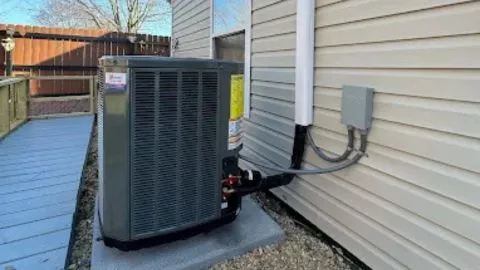
The outdoor condenser is a crucial component that requires careful placement. Proper installation ensures efficiency, reduces noise, and simplifies future maintenance. Local HVAC professionals emphasize several key requirements 5:
- Adequate Clearance: The unit needs unobstructed airflow on all sides to exchange heat efficiently. This usually means several feet of clearance from walls, shrubs, or fences.
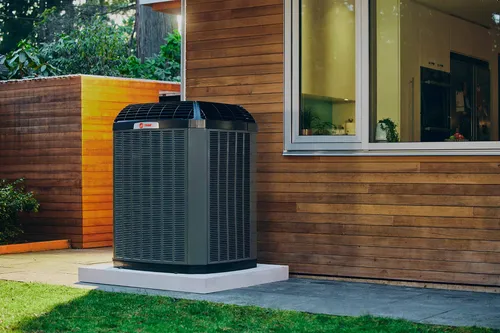
- Stable Foundation: The condenser must be placed on a level, stable surface. This is typically a concrete pad or specially designed composite pad. For wall-mounted outdoor units, heavy-duty brackets secured to studs are essential.
- Service Accessibility: Technicians need clear access to all sides of the unit for routine maintenance, cleaning, and any potential repairs. Avoid tucking it into an overly tight space.
- Noise and Drainage: Consider placing the unit away from bedroom windows or outdoor seating areas. Ensure the condensate drain line has a proper path to discharge water.
Find the perfect mini-split installers for your needs
Get personalized recommendations and expert advice
What Influences the Cost of Installation in Hampton?
The cost of a ductless mini-split installation in Hampton can vary widely based on the project's scope and specifications. Here's a breakdown of typical cost ranges and the factors that affect them 6 7 8 9:
- Single-Zone System: Installing one indoor unit with one outdoor condenser typically ranges from $2,000 to $5,000. This is a common choice for a single room or addition.
- Multi-Zone System (2-3 Zones): Connecting two or three indoor heads to one outdoor unit generally costs between $5,500 and $8,500+. This offers significant value for conditioning multiple rooms.
- Multi-Zone System (4+ Zones): For whole-home or large-area comfort, systems with four or more zones can range from $8,000 to $15,000 or more.
Several key factors will determine where your project falls within these ranges:
- System Capacity and Efficiency: Larger units with higher BTU (British Thermal Unit) ratings cost more. Systems with higher SEER2 ratings for cooling and HSPF ratings for heating are more energy-efficient but have a higher upfront cost.
- Equipment Type: Inverter-driven models, which adjust speed for consistent temperature and efficiency, are generally pricier than single-speed models. The style of indoor unit (wall, ceiling, floor) also impacts price.
- Installation Complexity: The cost increases with longer refrigerant line runs between units, the need for new electrical circuits or service upgrades, and difficult site access (e.g., second-story installations, working around landscaping).
- Brand and Features: Premium brands often command higher prices. Additional features like advanced Wi-Fi controls, specialized filters, or ultra-quiet operation can also add to the cost.
The Professional Installation Process: What to Expect
A proper mini-split installation is a technical job that requires HVAC expertise to ensure safety, efficiency, and reliability. Here's a step-by-step overview of what a professional installation entails 10 11:
- Consultation and Load Calculation: A technician will assess your space to determine the correct BTU capacity needed for each zone. An undersized unit won't keep up, while an oversized unit will short-cycle, reducing comfort and efficiency.
- Mounting the Indoor Unit: A mounting bracket is securely attached to a wall stud or ceiling joist. The unit must be perfectly level to ensure proper condensate drainage.
- Drilling and Line Routing: A small, clean hole (typically 3 inches or less) is drilled through the exterior wall to connect the indoor and outdoor units. The refrigerant lines, condensate drain line, and electrical wiring are fed through a protective line-hide kit.
- Setting the Outdoor Condenser: The outdoor unit is placed on a prepared pad or mounted on wall brackets. All connections must be secure and protected from the elements.
- Making the Connections: The refrigerant lines are flared, connected, and tightened with precision. This is a critical step; improper connections can lead to leaks and system failure.
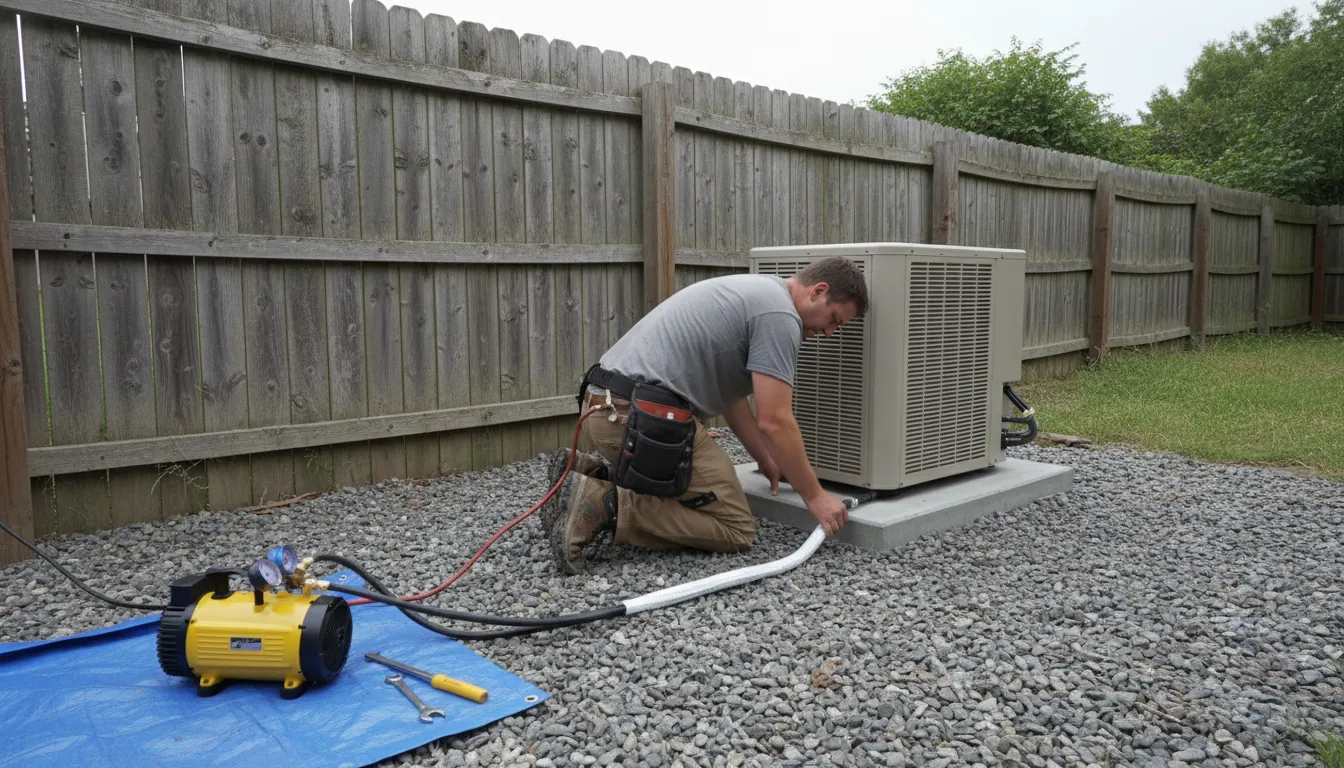
- Evacuation and Testing: The technician uses a vacuum pump to remove all air and moisture from the refrigerant lines-a crucial process for system longevity and performance. The system is then pressure-tested to check for leaks.
- Startup and Commissioning: The refrigerant is charged to the manufacturer's exact specifications. The system is powered on, tested in both heating and cooling modes, and calibrated. Finally, the installer will demonstrate how to use the remote control and explain basic maintenance.
Frequently asked questions
Sources
Footnotes
-
Ductless mini-split installation: Cool 2025 Guide - Southern Air - https://www.southern-air.com/blog/ductless-mini-split-installation ↩
-
Ductless Mini-Split Installation Cost in 2025: Full Breakdown - https://osborneheatingncooling.com/ductless-mini-split-installation-cost/ ↩
-
How Much Does a Mini Split Installation Cost? (2026) - HomeGuide - https://homeguide.com/costs/ductless-mini-split-ac-cost ↩
-
How Much Does a Mini-Split Installation Cost? - Taskrabbit Blog - https://www.taskrabbit.com/blog/mini-split-installation-cost/ ↩
-
Ductless Mini Split Installation - Colonial Plumbing & Heating Co., Inc. - https://colonialplumbing.com/ductless-mini-split-ac-systems/ ↩
-
How much to install mini split? - https://mrgoodguyhvac.com/how-much-to-install-mini-split/ ↩
-
How Much Does it Cost to Install a Ductless Mini Split? | VA - https://arlingtonheating.com/how-much-does-it-cost-to-install-a-ductless-mini-split/ ↩
-
Understanding Mini Split Installation Costs A Complete Guide - https://armusmech.net/understanding-mini-split-installation-costs-a-complete-guide/ ↩
-
How Much Does It Cost to Install a Mini Split System? - Element Air Heating and Cooling - https://elementairco.com/how-much-does-it-cost-to-install-a-mini-split-system/ ↩
-
Mini Split Installation Guide | Process, Costs & Benefits - Bryant - https://www.bryant.com/en/ca/products/ductless-systems/mini-split-installation/ ↩
-
How to Install a Ductless Mini-Split Air Conditioner | This Old ... - https://www.youtube.com/watch?v=ozaw9QhxkQU&t=25 ↩