Find the Best Mini-Split Installers for Your Business
No obligation • Fast responses • Nationwide coverage

Why you can trust HVAC Firms
HVAC Firms is a leading United States resource for evaluating HVAC service providers. Our team researches companies, checks credentials, and reviews customer feedback to present clear, unbiased information. Listings and rankings are based on merit, and companies cannot pay to change our editorial content.
Search providers near you
Top Mini-Split Installers in Chesapeake, Virginia Ranked
Ductless mini-split systems are a versatile and efficient solution for heating and cooling homes and businesses in Chesapeake. These systems are ideal for creating targeted comfort zones, especially in spaces where extending traditional ductwork is impractical or too costly. Whether you're looking to cool a historic home in South Norfolk, heat a new room addition, or simply address a stubborn hot spot, a mini-split installation can provide personalized climate control with high energy efficiency. This guide will help you understand the process, benefits, and key considerations for installing a ductless system in your Chesapeake property.
Smiley's Heating & Cooling
3500 Virginia Beach Blvd Ste 110, Virginia Beach, VA 23452
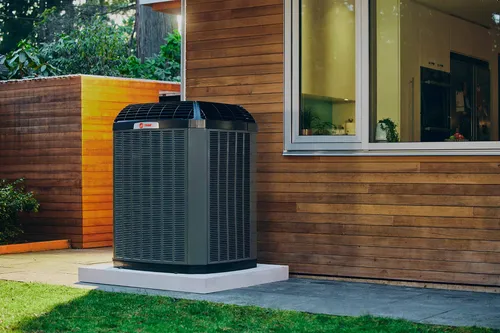
Smiley's Heating & Cooling is an HVAC company based in Virginia Beach, VA, serving both residential and commercial customers. They offer a wide range of services including air conditioning repair and installation, furnace and heat pump repair, ductless mini-split installation, indoor air quality testing, and HVAC maintenance plans. Their certified technicians provide expert repairs and installations, backed by a 10-year labor warranty on select new installs. Smiley's also offers emergency HVAC repair services and covers areas including Virginia Beach and Norfolk.
Absolute Comfort Heating and Cooling
524 Central Dr #101, Virginia Beach, VA 23454
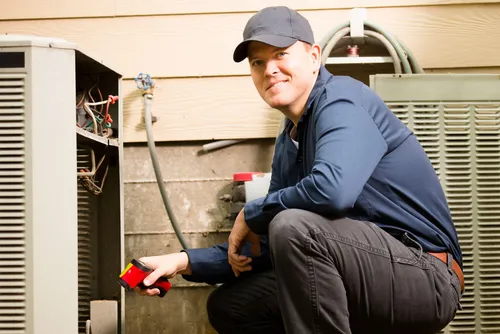
Absolute Comfort Heating and Cooling is a family-owned HVAC company serving Virginia Beach, VA, and nearby areas since 2003. They provide a wide range of services including air conditioning, heat pump, furnace, and boiler repair and installation, as well as indoor air quality solutions and ductless system services. Their NATE-certified technicians handle both residential and light commercial HVAC needs, offering expertise in system diagnostics, maintenance, and installations. The company also offers 24/7 emergency service for urgent HVAC issues.
Conner Services Inc
1359 Virginia Beach Blvd, Virginia Beach, VA 23454
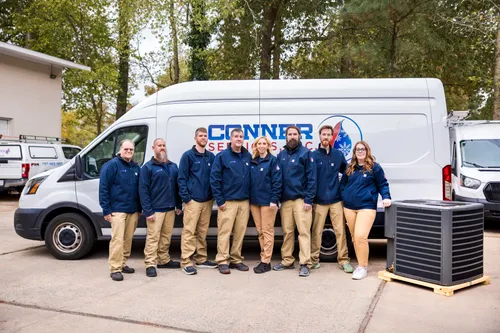
Conner Services Inc provides a wide range of heating, ventilation, and air conditioning services in Virginia Beach, VA. Their skilled technicians handle HVAC installation, repair, and maintenance for systems including furnaces, heat pumps, mini-splits, geothermal units, and ductwork. They also offer indoor air quality solutions such as filtration and UV lights, as well as smart home HVAC accessories. The company emphasizes energy-efficient options and comprehensive seasonal tune-ups to maintain system performance. Conner Services Inc holds multiple professional licenses and offers a one-year labor warranty on all services.

Aire Serv of Southside
4740 W Norfolk Rd, Portsmouth, VA 23703
Aire Serv of Southside is an HVAC company serving Virginia Beach, VA, and nearby areas including Chesapeake, Norfolk, and Portsmouth. They provide a range of heating and cooling services such as air conditioner repair and installation, furnace and heat pump maintenance, boiler services, and indoor air quality improvements. The company offers specialized capabilities like ductless mini split AC system installation and comprehensive HVAC tune-ups to enhance system efficiency. Aire Serv of Southside is locally owned and operated and is affiliated with a national network, providing access to extensive resources and continuing education. They also offer 24/7 availability for heating and air conditioning repairs to ensure customer comfort year-round.
Ronald's Heating & Cooling
552 Central Dr Suite 104, Virginia Beach, VA 23454
Ronald's Heating & Cooling provides comprehensive HVAC services in Virginia Beach, VA. The company offers air conditioning and heating installation, repair, and maintenance, including mini split systems and duct cleaning to improve indoor air quality. With over 18 years of experience, Ronald's Heating & Cooling serves both residential and commercial customers, delivering expert solutions backed by certified technicians. They provide 24-hour emergency service to address urgent heating and cooling needs promptly.
Understanding Ductless Mini-Split Systems
A ductless mini-split, often simply called a ductless system, consists of two main components: an outdoor condenser/compressor unit and one or more indoor air-handling units. These components are connected by a small conduit that houses refrigerant lines, a power cable, and a condensate drain line, which only requires a 3-inch hole through an exterior wall. This design eliminates the need for extensive ductwork, making it a perfect retrofit solution.
The core advantage of this setup is zoning. Each indoor unit operates independently, allowing you to set different temperatures in different rooms or "zones." This means you can cool a frequently used living room without wasting energy on an empty guest bedroom, leading to significant savings on utility bills.
Ideal Applications for Mini-Splits in Chesapeake
Ductless technology is particularly well-suited for the diverse housing stock and climate needs of Chesapeake.
- Historic and Older Homes: Neighborhoods like Olde Towne or South Norfolk feature beautiful homes that often lack central air conditioning. A ductless mini-split installation provides modern comfort without the invasive construction required to install ducts, preserving the architectural integrity and character of your historic property.
- Room Additions and Finished Spaces: Adding a sunroom, converting a garage, or finishing a basement? Extending existing ductwork can be complex and expensive. Installing a dedicated mini-split zone is a streamlined and efficient way to condition these new spaces.
- Supplementing Central Systems: Is your master bedroom always too warm or your home office too chilly? A single-zone mini-split can effectively supplement your existing HVAC system, solving those persistent hot or cold spots without overburdening your central unit 1.
- Commercial and Specialty Spaces: Ductless systems are also excellent for cooling server rooms, workshops, or small office areas where precise temperature control and independent operation are needed.
Key Components and Equipment Choices
Choosing the right equipment is crucial for performance and satisfaction. The main decision points are the system capacity (measured in BTUs), the number of zones, and the brand.
- Indoor Unit Styles: You can select from wall-mounted units (the most common), ceiling cassette units (recessed into the ceiling for a discreet look), or floor-standing console models. The choice depends on your room layout and aesthetic preferences.
- Outdoor Condenser: This unit must be matched to the total capacity of the indoor heads. For multi-zone systems, one outdoor unit can typically support up to four or five indoor units. Reputable brands commonly used by Chesapeake professionals include Mitsubishi and Fujitsu, known for their reliability and efficiency.
- Professional Sizing is Essential: An HVAC professional will perform a "Manual J" load calculation to determine the exact BTU capacity needed for your space. An oversized unit will short-cycle, reducing efficiency and dehumidification, while an undersized unit will struggle to maintain comfort.
Critical Planning and Placement Guidelines
Proper placement of both the indoor and outdoor units is not just about aesthetics; it's vital for performance, efficiency, and longevity.
Indoor Air Handler Placement:
- Mount the unit on an interior wall, centrally located in the room for even air distribution.
- The ideal height is typically 6 to 7 feet above the floor.
- Maintain a minimum of 1 foot of clearance from walls, ceilings, and large furniture to ensure unobstructed airflow.
- Avoid installing the unit directly above televisions, lamps, or other heat-producing electronics, as the built-in thermostat can be fooled by the radiant heat 2.
- For a clean, integrated look, especially in rooms with high ceilings, consider a ceiling cassette unit.
Outdoor Condenser Placement:
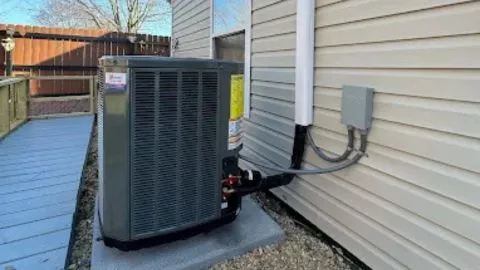
- The unit requires a stable, level base, such as a concrete pad or specific mounting brackets.
- Adequate clearance around the unit is non-negotiable. Refer to the manufacturer's specifications, but generally, you need several feet of clear space on all sides, especially where the fan exhausts, to prevent airflow restriction and overheating 3.
- Choose a location that provides shade if possible, but ensure it is away from areas where falling leaves or debris could clog the coils.
- Consider proximity to the indoor unit, as longer refrigerant line runs can increase installation complexity and cost.
Drainage Considerations:
- The system produces condensate (water) during cooling. The ideal setup is a gravity-fed drain line that slopes downward from the indoor unit to an outdoor discharge point 4.
- If a gravity drain isn't feasible-for instance, if the indoor unit is in a basement-a condensate pump will be required to lift the water to a proper drainage point, adding to the project cost 5.
Find the perfect mini-split installers for your needs
Get personalized recommendations and expert advice
The Professional Installation Process Explained
A proper ductless mini-split installation is a technical job that should always be performed by a licensed HVAC professional to ensure safety, efficiency, and warranty validity. Here's what a standard installation entails:
- Site Assessment and Preparation: The technician will confirm the final placement, locate wall studs, and plan the route for the conduit. They will protect your home with drop cloths.
- Mounting the Units: The indoor wall bracket or ceiling housing is securely mounted. Outside, the concrete pad or mounting brackets are leveled and set, and the outdoor condenser is placed.
- Drilling and Running Lines: A precise 3-inch hole is drilled through the exterior wall. The conduit bundle-containing copper refrigerant lines, insulated drain tubing, and electrical wiring-is run from the outdoor unit, through the hole, and to the indoor unit.
- Making Connections: All electrical and refrigerant line connections are meticulously made at both the indoor and outdoor units. This is a critical step requiring expertise.
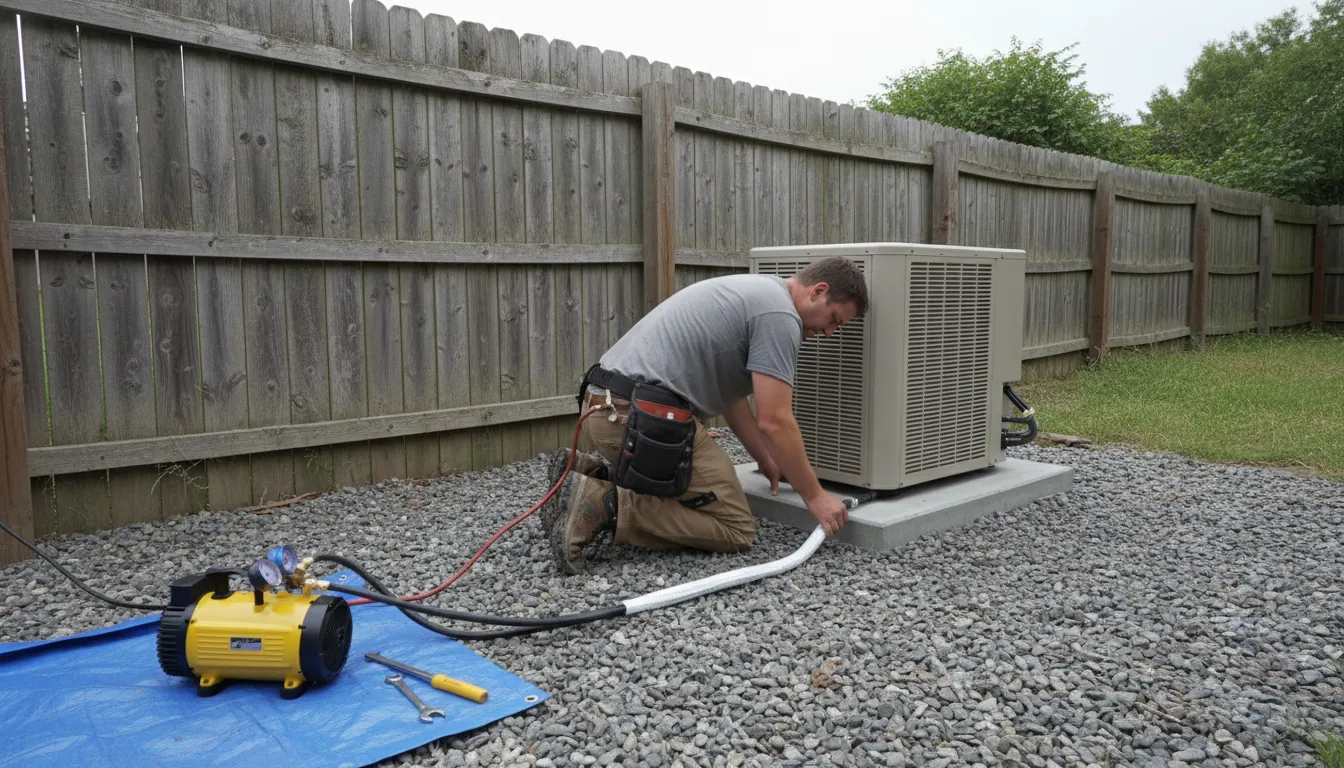
- System Evacuation and Charging: The technician uses a high-grade vacuum pump to remove all air and moisture from the refrigerant lines-a process essential for system longevity and performance. The system is then charged with the correct type and amount of refrigerant 6.
- Testing and Commissioning: The system is powered on and tested in both heating and cooling modes. The technician will verify proper airflow, temperature drop/rise, drainage, and thermostat function, and will often explain the basic operation and remote control to the homeowner.
Understanding Investment and Cost Factors
The cost of a mini-split installation in Chesapeake can vary widely based on system complexity, brand, and property-specific needs. Here is a general breakdown:
- Single-Zone System: For cooling and heating one room, prices typically range from $2,500 to $4,500+ for a full professional installation 7.
- Multi-Zone System: Installing a system with three to five indoor zones generally falls in the range of $6,500 to $15,000+, depending on the equipment and complexity of the layout 8.
- Additional Cost Factors:
- Permits: Most localities, including Chesapeake, require permits for HVAC work, which can cost between $100 and $400.
- Electrical Upgrades: If your electrical panel needs an update to support the new circuit for the mini-split, this can add $500 to $2,000.
- Condensate Pump: If needed, adds $200 to $450 to the project cost 9.
- Drywall Repair/Painting: Minor patching and painting around the installation area may incur additional charges.
- Extended Refrigerant Lines: Runs exceeding the standard included length will add material and labor costs.
While ductless mini-splits offer excellent long-term efficiency, the initial investment is significant. Professional installation is key to protecting that investment and ensuring the system operates as designed for years to come 10 11.
Frequently asked questions
Sources
Footnotes
-
Ductless Mini-Split Systems in Chesapeake, VA - https://www.fsivaair.com/hvac-services/ductless-mini-split-systems/ ↩
-
Where Not to Install a Mini Split: Critical Areas to Avoid - https://www.richaircomfort.com/blog/avoid-areas-mini-split-installation-guide/ ↩
-
Ductless Mini-Splits: A Comprehensive Cost Breakdown - https://www.myfivestarhomeservices.com/ductless-mini-splits-a-comprehensive-cost-breakdown/ ↩
-
Ductless Mini Split Systems in Chesapeake, VA - https://simmonsheatcool.com/ductless-mini-split/ ↩
-
Ductless Mini Split Setup: An Ultimate Guide - Airflow Heating & Air - https://www.goairflow.com/blog/ductless-mini-split-installation/ ↩
-
Installation of a Ductless Mini-Split Unit - https://www.brennanshvac.com/blog/installation-ductless-mini-split-unit ↩
-
How Much Does a Mini-Split Installation Cost? - Taskrabbit Blog - https://www.taskrabbit.com/blog/mini-split-installation-cost/ ↩
-
Cost to Install Mini Split AC System in 2025 - https://dellahome.com/blogs/della-blog/cost-to-install-mini-split-ac-system ↩
-
Ductless Mini-Split Installation Cost in 2025: Full Breakdown - https://osborneheatingncooling.com/ductless-mini-split-installation-cost/ ↩
-
Ductless mini-split installation: Cool 2025 Guide - Southern Air - https://www.southern-air.com/blog/ductless-mini-split-installation ↩
-
Ductless Mini Split FAQs - HVAC Community Articles - https://ductlessdirectory.com/articles/ductless-mini-split-faqs-229 ↩