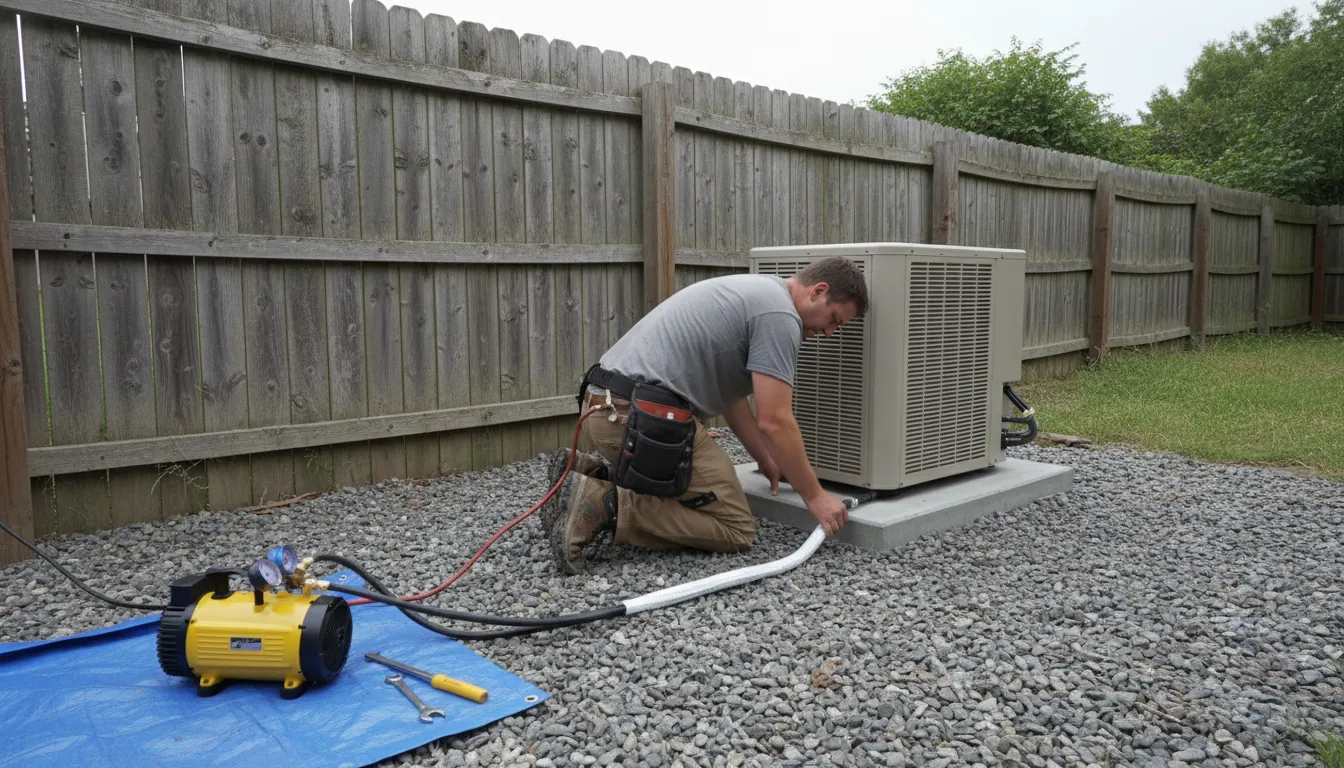
Find the Best Mini-Split Installers for Your Business
No obligation • Fast responses • Nationwide coverage

Why you can trust HVAC Firms
HVAC Firms is a leading United States resource for evaluating HVAC service providers. Our team researches companies, checks credentials, and reviews customer feedback to present clear, unbiased information. Listings and rankings are based on merit, and companies cannot pay to change our editorial content.
Search providers near you
Top Mini-Split Installers in New York, New York Ranked
A ductless mini-split system is a versatile and efficient solution for heating and cooling homes and apartments across New York City. This type of installation provides targeted comfort control for individual rooms or zones, making it ideal for everything from studio apartments to multi-story townhouses. Understanding the process, costs, and considerations for a ductless AC or heat pump setup can help you make an informed decision and connect with qualified local professionals who can assess your specific needs.
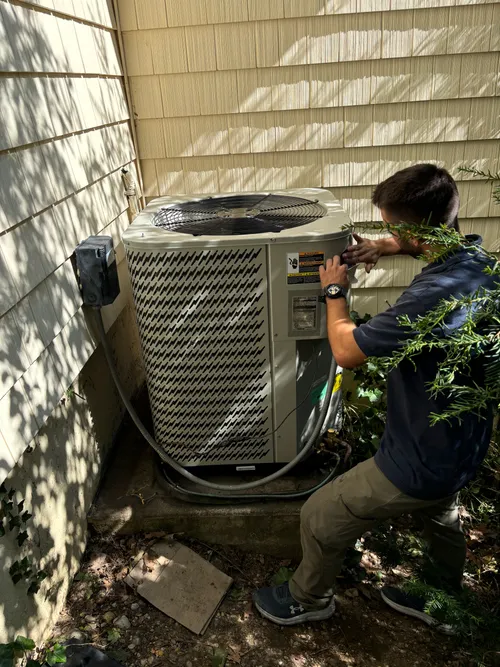
KOKA-TECH HVAC INC
60-21 Menahan St, Ridgewood, NY 11385
KOKA-TECH HVAC INC provides professional heating and cooling services in New York, NY, including installation, repair, and tune-ups for air conditioners, furnaces, heat pumps, boilers, and mini splits. They offer 24/7 emergency support and same-day availability, serving Queens, Brooklyn, Manhattan, Bronx, and Long Island. The company is licensed and insured, with a strong local presence and expertise in NYC buildings. With nearly 300 five-star reviews, KOKA-TECH HVAC INC is recognized for upfront quotes and customer approval before starting work.

Aeromark Mechanical Inc
153 Morgan St, Jersey City, NJ 07302
Aeromark Mechanical Inc provides residential and commercial HVAC services in New York, NY, and the surrounding Northern New Jersey area. They specialize in heating and air conditioning repair, installation, and maintenance, including heat pumps, ductless HVAC systems, and indoor air quality solutions. With over 15 years of experience, Aeromark Mechanical offers seasonal maintenance plans and has expertise in installing advanced systems like VRF and high-velocity HVAC. Their certified technicians also handle smart thermostat installations and duct repair services.

The Heating Cooling Doctor
1454 42nd St, Brooklyn, NY 11219
The Heating Cooling Doctor provides heating and air conditioning services in New York, NY. They offer AC repair, installation of central AC and mini split systems, as well as boiler and radiator services. Their team can diagnose and fix heating and cooling issues promptly to help maintain comfort throughout the year.
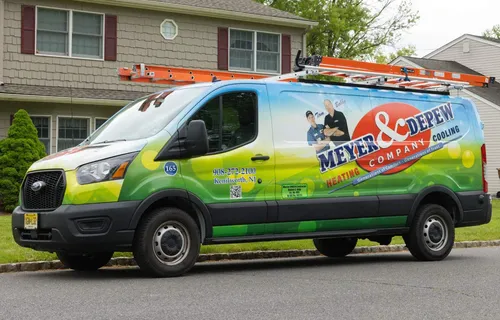
Meyer & Depew Co., Inc.
309 Lafayette Ave, Kenilworth, NJ 07033
Meyer & Depew Co., Inc. is an HVAC company serving Newark, NJ, specializing in air conditioning, furnace, and boiler installation, repair, and maintenance. They offer services including central AC installation, heating system tune-ups, and ductless mini split system installations. The company provides 24/7 availability for heating and air conditioning repairs and maintenance. Their technicians are licensed and experienced in handling high-efficiency heating and cooling systems, including Energy Star® boilers and furnaces. Meyer & Depew has a strong presence in central and northern New Jersey and is known for its preventative maintenance plans and technical expertise.
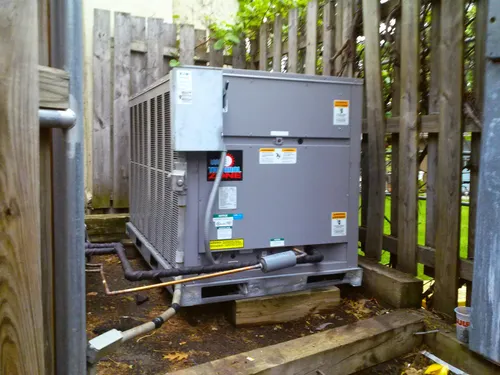
Airtek Mechanical Heating & Cooling LLC
400 Valley Brook Ave, Lyndhurst, NJ 07071
Airtek Mechanical Heating & Cooling LLC is an HVAC contractor based in Newark, NJ, providing residential and commercial heating, cooling, and refrigeration services. They offer repairs, installations, and maintenance for air conditioning, furnaces, boilers, and ductless mini-split systems. Their capabilities include 24-hour emergency HVAC repairs and servicing a variety of unit types such as rooftop package units and wall air conditioners. With over 10 years of experience, Airtek Mechanical serves Newark and surrounding areas with a focus on comprehensive HVAC solutions.
Understanding Ductless Mini-Split Systems
Unlike traditional central air systems that rely on a network of ducts, a ductless mini-split system consists of one or more indoor air-handling units connected to a single outdoor condenser. This design eliminates the energy losses associated with ductwork, which can be significant, especially in older NYC buildings. Each indoor unit, often called a "head," operates independently, allowing you to set different temperatures in different zones of your home. This zoned approach is not only more comfortable but also more energy-efficient, as you only condition the spaces you're using.
The core components of a mini-split installation include:
- Outdoor Condenser: Houses the compressor and is installed outside the home, typically on a pad, brackets, or a rooftop.
- Indoor Air Handler: Mounted on a wall or ceiling inside the room it serves.
- Refrigerant Line Set: A set of insulated copper tubes and electrical wiring that connects the indoor and outdoor units through a small hole in the wall.
- Condensate Drain Line: Removes moisture collected during the cooling process.
Why Choose a Mini-Split for Your NYC Home?
New York City's unique housing stock presents specific challenges for climate control. Ductless systems are particularly well-suited to address these issues.
Ideal for Apartments and Renovations: For pre-war apartments, condos, or home additions where installing ductwork is impractical or prohibitively expensive, a ductless system is often the perfect solution. The small, 3-inch hole required for the line set is minimally invasive compared to the construction needed for ducts.
Zoned Comfort Control: A multi-zone mini-split installation allows a single outdoor unit to power multiple indoor heads. This means you can cool a home office during the day while keeping the bedroom off, or provide heat to a finished basement without overheating the upstairs living room 1. This level of control is difficult to achieve with a single thermostat controlling a whole-house system.
Energy Efficiency: Ductless heat pumps are among the most efficient heating and cooling technologies available. By providing both heating and cooling, they can serve as a year-round solution, potentially reducing reliance on inefficient window AC units and expensive electric or oil-fired heating systems.
The Mini-Split Installation Process: A Step-by-Step Guide
Professional installation is crucial for performance, efficiency, and warranty validation. Here's what a typical ductless AC installation entails:
- Site Assessment and Planning: A technician will evaluate your space to determine the optimal number of zones, the best type and placement for indoor units, and a suitable location for the outdoor condenser that meets clearance requirements.
- Mounting the Indoor Unit: A mounting bracket is securely attached to a wall stud or ceiling joist. The indoor unit is then placed on the bracket. For wall-mounted units, the ideal height is typically 6 to 8 feet from the floor to ensure optimal air circulation 2.
- Installing the Outdoor Unit: A stable, level pad or mounting brackets are prepared. The outdoor condenser is placed, ensuring it has adequate clearance on all sides for proper airflow and future service access.
- Drilling and Running the Line Set: A small hole (approximately 3 inches in diameter) is drilled through the exterior wall to connect the indoor and outdoor spaces. The pre-charged refrigerant lines, drain tube, and electrical wiring are run through this hole and connected to their respective units.
- Electrical Connections: A dedicated electrical circuit is often required to power the system. This may involve running new wiring from your electrical panel, which can be a significant part of the project cost and complexity.
- System Evacuation and Testing: The most critical step is evacuating air and moisture from the refrigerant lines using a vacuum pump. The system is then charged with refrigerant, and the technician performs a series of checks to ensure it operates at peak efficiency and capacity 3.
Find the perfect mini-split installers for your needs
Get personalized recommendations and expert advice
Key Considerations for Your Installation
Choosing the Right Indoor Unit Type
- Wall-Mounted: The most common and cost-effective option. It's installed high on a wall and is suitable for most rooms.
- Ceiling Cassette: Recessed into the ceiling for a sleek, nearly invisible look. This option is more expensive and complex to install but offers superior, four-way air distribution 4 5.
- Floor-Mounted: A good option for rooms with high ceilings or limited wall space, such as under large windows.
Zoning Your Home
Determining your zones is a foundational step. A single-zone system is perfect for cooling a studio apartment, a home office, or a sunroom 6. For whole-house comfort, a multi-zone system connects several indoor heads to one outdoor unit. Modern systems can support anywhere from 2 to 6+ zones from a single condenser, providing immense flexibility 7.
Navigating NYC-Specific Challenges
Installation in New York City often involves additional factors:
- Permits: Most installations require permits from the NYC Department of Buildings. A reputable installer will handle this process.
- Electrical Work: Older buildings may need electrical panel upgrades to support the new dedicated circuit, adding to the project timeline and cost.
- Outdoor Unit Placement: In dense urban environments, finding an appropriate, accessible, and legal location for the outdoor condenser (on a wall, roof, or balcony) is a key part of the planning process.
- Labor Rates: Professional labor rates in NYC are among the highest in the country, which is reflected in installation costs.
Cost Breakdown for Mini-Split Installation in New York
The total cost of a ductless mini-split installation in NYC varies widely based on system capacity, number of zones, brand, and project complexity. Below is a general cost range:
- Single-Zone System: A complete installation for one room typically ranges from $3,000 to $5,000. This includes a basic wall-mounted unit, standard installation, and basic electrical work 8.
- Multi-Zone System: For a system with 2-4 indoor heads, expect to invest between $6,000 and $12,000 or more. The price increases with each additional zone, the complexity of the layout, and the type of indoor units selected (e.g., ceiling cassettes cost more) 9.
- Cost Components:
Financial Incentives: New York State, through NYSERDA, and local utilities like Con Edison often offer rebates and incentives for installing high-efficiency ductless heat pumps. These can significantly reduce the net project cost, making it a more attractive investment 12.
Maintaining Your Ductless System
Once installed, proper maintenance is simple but essential. Regularly cleaning the reusable filters in the indoor units (every 2-4 weeks during peak season) maintains airflow and efficiency. Keeping the outdoor condenser clear of leaves, snow, and debris is also important. While homeowners can handle basic cleaning, an annual professional check-up is recommended to ensure refrigerant levels are correct and all components are functioning properly.
Frequently asked questions
Sources
Footnotes
-
Whole House Ductless Mini Split Walk Through - https://www.youtube.com/watch?v=lDwutt_ywsA&t=2 ↩
-
Where to place a mini split (and where not to) - | Hitachi Cooling & Heating - https://www.hitachiaircon.com/newsroom/en/news/where-to-place-a-mini-split-and-where-not-to ↩
-
Ductless Mini Split Setup: An Ultimate Guide - Airflow Heating & Air - https://www.goairflow.com/blog/ductless-mini-split-installation/ ↩
-
Mini Split AC install - https://acinstallationbyvlad.godaddysites.com/mini-split-ac-install ↩
-
How Much Does a Mini-Split Installation Cost? - Taskrabbit Blog - https://www.taskrabbit.com/blog/mini-split-installation-cost/ ↩
-
Ductless Mini-Split Installation Cost in 2025: Full Breakdown - https://osborneheatingncooling.com/ductless-mini-split-installation-cost/ ↩
-
Cost to Install Mini Split AC System in 2025 - https://dellahome.com/blogs/della-blog/cost-to-install-mini-split-ac-system ↩
-
How Much Does It Cost to Install a Mini Split System? - https://elementairco.com/how-much-does-it-cost-to-install-a-mini-split-system/ ↩
-
What Is a 3-Zone Mini Split & Installation Cost Guide For 2026 - https://www.budgetheating.com/what-is-a-3-zone-mini-split-installation-cost-guid/ ↩
-
New Yorkers and Ductless Mini-Split Air Conditioning - https://nycpigeonairconditioner.com/blog/f/new-yorkers-and-ductless-mini-split-air-conditioning?blogcategory=Mini+Split+Air+Conditioner ↩
-
What Is the Average Cost of Mini Split Installation in Astoria, NY? - https://www.coolcleanac.com/what-is-the-average-cost-of-mini-split-installation-in-astoria-ny/ ↩
-
Ductless mini-split installation: Cool 2025 Guide - Southern Air - https://www.southern-air.com/blog/ductless-mini-split-installation ↩