Find the Best Mini-Split Installers for Your Business
No obligation • Fast responses • Nationwide coverage

Why you can trust HVAC Firms
HVAC Firms is a leading United States resource for evaluating HVAC service providers. Our team researches companies, checks credentials, and reviews customer feedback to present clear, unbiased information. Listings and rankings are based on merit, and companies cannot pay to change our editorial content.
Search providers near you
Top Mini-Split Installers in Novi, Michigan Ranked
A ductless mini-split system is a versatile heating and cooling solution that provides efficient, zoned comfort without the need for extensive ductwork. For Novi homeowners, this technology is particularly valuable for adding climate control to new additions, solving temperature inconsistencies in specific rooms, or providing a modern HVAC upgrade for older homes. This guide will help you understand the key considerations, from system types and placement to costs, so you can effectively evaluate local installation services for your project.

Warm or Breezy Heating & Cooling
220 S Main St #430, Royal Oak, MI 48067
Warm or Breezy Heating & Cooling is an HVAC contractor based in Detroit, MI, providing heating and cooling services including repair, installation, and maintenance. They serve residential and commercial customers with furnace, boiler, air conditioning, and mini split system services. Their technicians offer energy efficiency diagnostics and city safety inspections, along with installation of Wi-Fi thermostats and tankless water heaters. With over 20 years of experience in heater repair, Warm or Breezy emphasizes fair pricing and uses durable American-made replacement parts. The company operates seven days a week to support customers throughout the heating season.
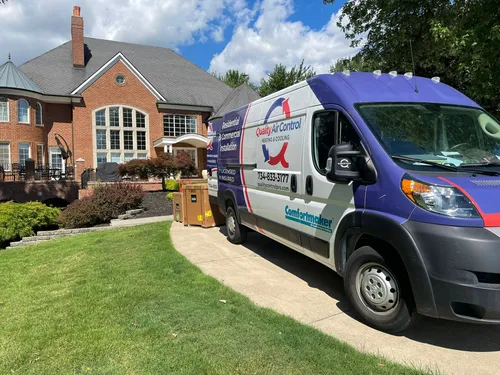
Quality Air Control Heating & Cooling
18421 Valleyview St, Riverview, MI 48193
Quality Air Control Heating & Cooling is an HVAC company based in Detroit, MI, serving Downriver, Wayne County, and nearby areas. They offer a full range of heating and cooling services including AC repair and installation, furnace repair and installation, heat pump repair, mini split installation, duct cleaning, and indoor air quality solutions. With over 20 years of experience, the company handles both residential and commercial projects and is licensed, insured, and EPA certified.
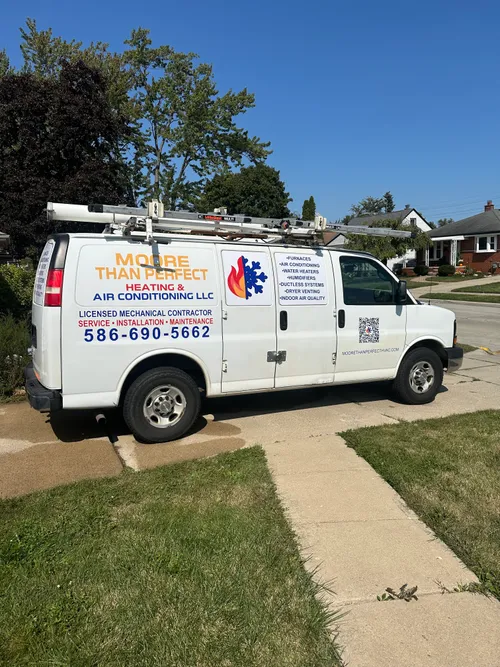
Moore Than Perfect Heating & Air Conditioning LLC
Detroit, MI
Moore Than Perfect Heating & Air Conditioning LLC is an HVAC company based in Detroit, MI, offering a range of heating and cooling services. They provide air conditioning installation and repair, furnace repair, mini-split installation, duct cleaning, indoor air quality solutions, and HVAC maintenance. The company serves all brands and models, focusing on energy-efficient and affordable heating and cooling solutions. With over 10 years of experience in the HVAC industry, Moore Than Perfect emphasizes careful workmanship and customer priority.

MOTOWN HEATING, COOLING, REFRIGERATION
Detroit, MI
MOTOWN HEATING, COOLING, REFRIGERATION is a family-owned HVAC company serving Detroit, MI. They provide residential, commercial, and industrial heating, cooling, and refrigeration services including installation, repair, and preventative maintenance. With over 25 years of experience since 1979, they handle a wide range of systems such as air conditioners, furnaces, boilers, and mini splits. Their team is equipped to manage commercial plumbing and boiler services as well. Customers can reach them 24/7 for assistance.
Detroit Furnace LLC
31313 Kendall, Fraser, MI 48026
Detroit Furnace LLC provides heating, cooling, and plumbing services in Detroit, MI. They offer repair, installation, and maintenance for furnaces, air conditioners, heat pumps, boilers, and mini-split systems. Their team services all brands and models and is equipped to handle plumbing needs such as water heater installation, leak repairs, and drain cleaning. Detroit Furnace LLC offers 24/7 emergency service to address urgent issues promptly. They serve the Detroit Metro area and surrounding communities, ensuring comprehensive home comfort solutions.
What is a Ductless Mini-Split System?
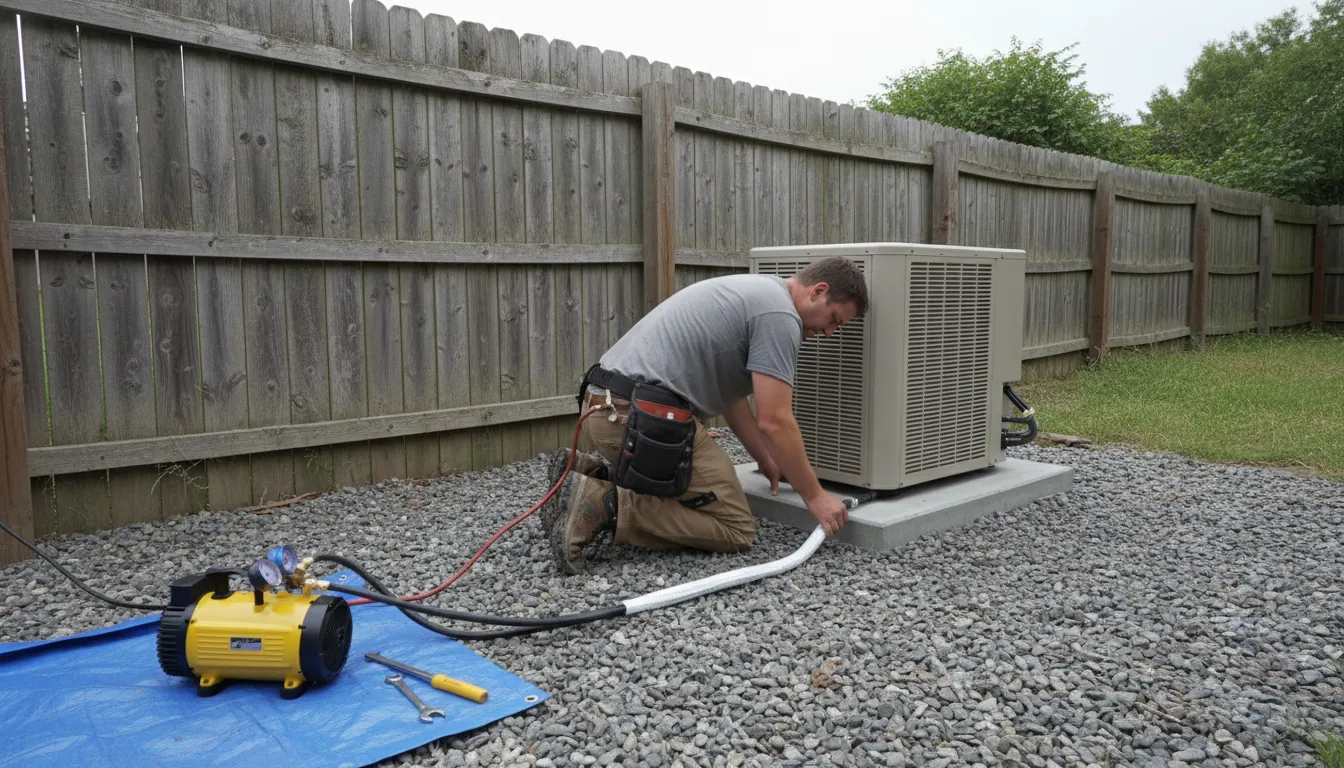
A ductless mini-split, often simply called a mini-split, consists of two main components: a compact outdoor compressor/condenser unit and one or more indoor air handling units. These are connected by a small conduit that houses refrigerant lines, power cables, and a condensate drain. Unlike traditional central air systems, no ductwork is required, making these systems an excellent alternative for spaces where extending ducts is impractical or too costly.
The core benefit is zoned comfort. Each indoor unit, or "head," can be controlled independently, allowing you to heat or cool only the rooms you're using. This targeted approach eliminates the energy waste common in single-thermostat systems and can lead to significant savings on utility bills, especially given Michigan's variable climate.
Ideal Applications for Mini-Splits in Novi Homes
Ductless installation shines in specific scenarios common in our area. Understanding where they are most effective can help you decide if this is the right solution for your needs.
- Home Additions and Renovations: Adding a sunroom, converting an attic into a bedroom, or finishing a basement? Extending existing ductwork can be disruptive and expensive. A mini-split provides a dedicated, efficient climate control system for the new space without impacting your home's main HVAC.
- Solving Problem Rooms: Does your south-facing living room get too hot in summer, or is a bedroom over the garage always chilly? A single-zone mini-split can target these specific areas, balancing your home's overall comfort 1.
- Older Homes Without Ductwork: Many historic or older homes in Novi were built without central air conditioning. Installing ductwork can compromise architectural integrity and be prohibitively expensive. A multi-zone ductless system offers a whole-home solution without the need for invasive construction.
- Detached Structures: Heating and cooling a detached garage, workshop, she-shed, or guest house is straightforward with a mini-split. Running a simple line set from the house is far easier than installing ducts or relying on inefficient space heaters and window units.
- Supplemental Zoning: For larger homes, a mini-split can supplement your existing furnace and central AC by taking over hard-to-condition zones, improving overall efficiency and comfort without replacing the entire system.
Understanding System Types: Single-Zone vs. Multi-Zone
Choosing between a single-zone and multi-zone setup is one of the first major decisions in planning your installation.
Single-Zone Systems This configuration pairs one outdoor unit with one indoor air handler. It's the most straightforward and cost-effective option, perfect for conditioning a single room, such as a home office, addition, or problem area. Installation is typically less complex, focusing on the optimal placement for that one indoor unit and its corresponding outdoor condenser.
Multi-Zone Systems A multi-zone system uses a single, more powerful outdoor compressor to connect to multiple indoor units (commonly 2 to 5, or even more). This setup allows you to control the temperature in several rooms or zones independently from one outdoor unit. It's an efficient solution for whole-home comfort in a ductless property or for adding comprehensive zoned control to a significant portion of your house. While the upfront equipment cost is higher, it can be more economical than installing several separate single-zone systems 2.
Critical Installation Considerations: Placement and Planning
Professional installation is crucial not only for warranty validation but also for ensuring optimal performance, efficiency, and longevity of your system. Key planning factors include:
Indoor Unit Placement The location of the indoor air handler directly impacts airflow and comfort.
- Wall-Mounted Units: The most common type, they should be installed high on a wall, typically 6-8 inches from the ceiling, to facilitate even air distribution across the room. Avoid placing them behind doors, above large furniture, or in direct sunlight, as this can interfere with the temperature sensor 3.
- Other Styles: Ceiling cassette units are recessed for a discreet look, while floor-mounted models are ideal for rooms with high ceilings or limited wall space. The chosen style depends on your room's layout and aesthetic preferences.
- Airflow Path: Ensure there are no obstructions (like tall cabinets or shelves) directly in front of the unit for at least 6-8 feet to allow air to circulate freely.
Outdoor Unit Placement The condenser requires careful siting.
- Stable & Level: It must be placed on a stable, flat pad (often concrete or composite) to prevent vibration and noise.
- Adequate Clearance: Manufacturers specify minimum clearance (often 12-24 inches on all sides, especially the rear) for proper airflow and to allow service technicians access for maintenance and repairs.
- Considerate Location: Place it away from bedroom windows, patios, and dense landscaping to minimize noise disturbance and ensure unimpeded airflow.
Electrical and Drainage Requirements
- Dedicated Circuit: Mini-splits require their own dedicated electrical circuit. A licensed electrician is typically needed to run this line from your main panel to the outdoor unit location, ensuring compliance with local Novi electrical codes.
- Condensate Management: Like all air conditioners, mini-splits produce condensate (water) during cooling. The installation must include a plan for the condensate drain line, which may be routed to a floor drain, sump pump, or exterior of the home.
Find the perfect mini-split installers for your needs
Get personalized recommendations and expert advice
Understanding Mini-Split Installation Costs in Novi
Costs for ductless mini-split installation can vary widely based on system capacity, number of zones, brand, and the complexity of the installation job. Here is a general cost breakdown based on current industry data 4 5 6 7:
- Single-Zone System: $2,000 - $5,000
- Two-Zone System: $4,500 - $7,500
- Three-Zone System: $6,500 - $9,500+
- Four or More Zones: $8,000 - $15,000+
These ranges are for a full professional installation and typically include the equipment, labor, basic mounting materials, and the connection of the line set. Several factors influence where your project falls within these ranges:
- Equipment Specifications: The size (measured in BTUs), energy efficiency (SEER2 rating), and brand of the units selected. Higher efficiency models command a premium but offer lower operating costs.
- Installation Complexity: The difficulty of running the line set between the indoor and outdoor units (through walls, attics, or across long distances), the need for significant electrical work, and any special mounting requirements can add to labor costs.
- Permits: Most municipalities, including Novi, require permits for HVAC electrical work. Permit fees and the time to secure them are usually factored into the total project cost.
- Additional Electrical Work: If your electrical panel needs an upgrade to support the new dedicated circuit, this will be an additional cost handled by an electrician.
The Value of Professional Installation
While the upfront investment is significant, professional installation by a certified technician is non-negotiable. Proper installation ensures the system operates at its advertised efficiency, maintains the manufacturer's warranty, and provides reliable comfort for years to come. A professional will perform a crucial load calculation to correctly size the system for your space, handle the refrigerant charging according to strict EPA guidelines, and ensure all electrical connections meet code, safeguarding your home and family 8 9 10.
Frequently asked questions
Sources
Footnotes
-
Install a Mini Split in Your Michigan Home for Zoned Cooling - https://harrimanheating.com/install-a-mini-split-in-your-michigan-home-for-zoned-cooling/ ↩
-
Ductless Mini Splits: The Flexible HVAC Upgrade for Michigan ... - https://mooremech.net/what-is-a-mini-split/ ↩
-
How Much Does a Mini-Split Installation Cost? - Taskrabbit Blog - https://www.taskrabbit.com/blog/mini-split-installation-cost/ ↩
-
Understanding Mini Split Installation Costs A Complete Guide - https://armusmech.net/understanding-mini-split-installation-costs-a-complete-guide/ ↩
-
Ductless Mini-Split Installation Cost in 2025: Full Breakdown - https://osborneheatingncooling.com/ductless-mini-split-installation-cost/ ↩
-
How much to install mini split? - https://mrgoodguyhvac.com/how-much-to-install-mini-split/ ↩
-
What Is a 3-Zone Mini Split & Installation Cost Guide For 2026 - https://www.budgetheating.com/what-is-a-3-zone-mini-split-installation-cost-guid/ ↩
-
Preparing Your Home for Ductless Mini Split Installation - https://rrmechanicalsvs.com/cooling/preparing-your-home-for-ductless-mini-split-installation/ ↩
-
Ductless mini-split installation: Cool 2025 Guide - Southern Air - https://www.southern-air.com/blog/ductless-mini-split-installation ↩
-
How Much Does It Cost To Install A Ductless Mini Split? - https://northwindsusa.com/how-much-does-it-cost-to-install-a-ductless-mini-split/ ↩