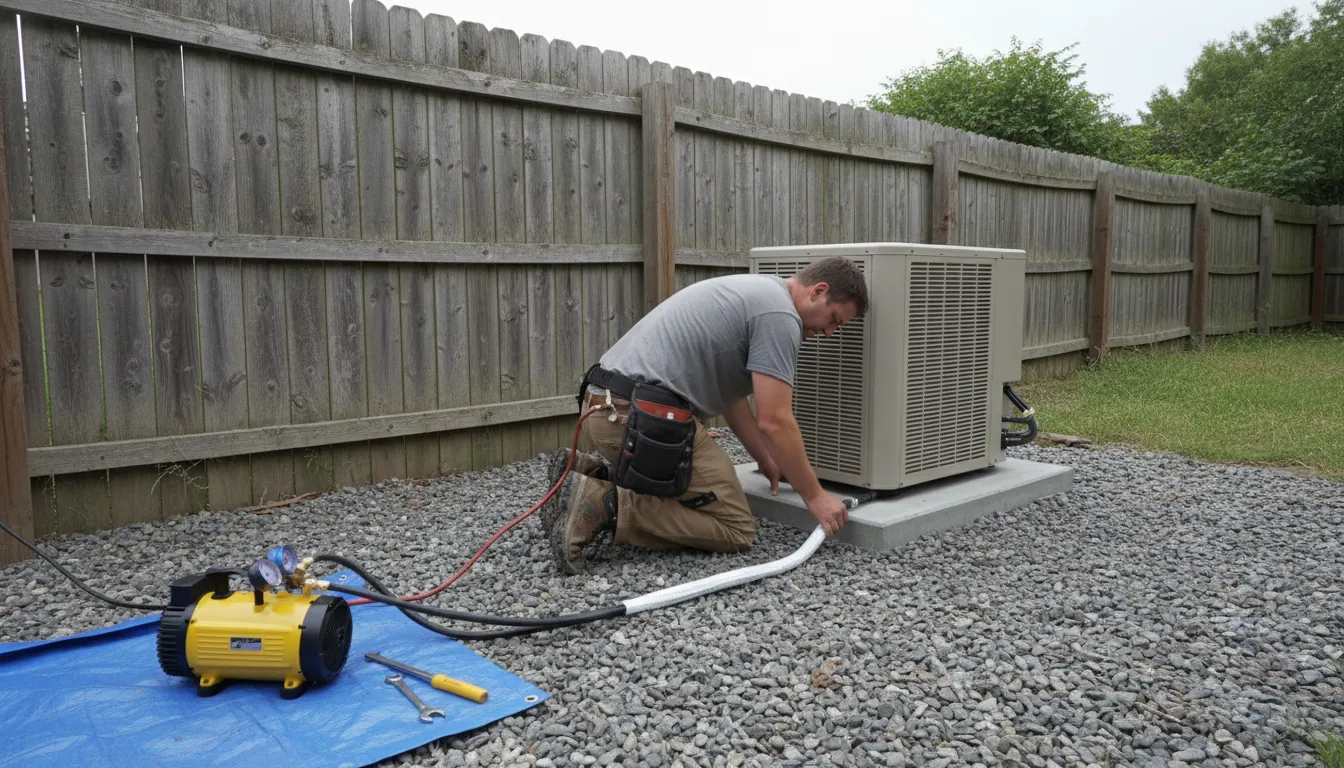
Find the Best Mini-Split Installers for Your Business
No obligation • Fast responses • Nationwide coverage

Why you can trust HVAC Firms
HVAC Firms is a leading United States resource for evaluating HVAC service providers. Our team researches companies, checks credentials, and reviews customer feedback to present clear, unbiased information. Listings and rankings are based on merit, and companies cannot pay to change our editorial content.
Search providers near you
Best Mini-Split Installers in Michigan Ranked
Ductless mini-split systems are a versatile and efficient heating and cooling solution, ideal for Michigan's varied climate. These systems provide zoned comfort, allowing you to control temperatures in individual rooms, which is perfect for homes without existing ductwork, room additions, or areas that are difficult to heat and cool. Finding a qualified professional for your installation is crucial for safety, efficiency, and accessing valuable financial incentives. This guide will help you understand the process, costs, and key considerations for a successful mini-split installation in the Great Lakes State.
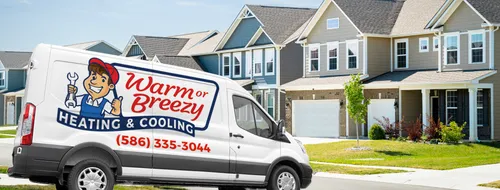
Warm or Breezy Heating & Cooling
220 S Main St #430, Royal Oak, MI 48067
Warm or Breezy Heating & Cooling is an HVAC contractor based in Detroit, MI, providing heating and cooling services including repair, installation, and maintenance. They serve residential and commercial customers with furnace, boiler, air conditioning, and mini split system services. Their technicians offer energy efficiency diagnostics and city safety inspections, along with installation of Wi-Fi thermostats and tankless water heaters. With over 20 years of experience in heater repair, Warm or Breezy emphasizes fair pricing and uses durable American-made replacement parts. The company operates seven days a week to support customers throughout the heating season.
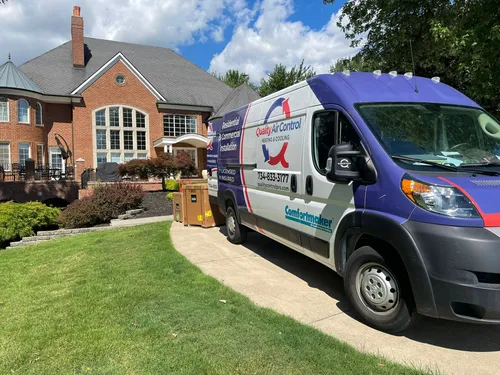
Quality Air Control Heating & Cooling
18421 Valleyview St, Riverview, MI 48193
Quality Air Control Heating & Cooling is an HVAC company based in Detroit, MI, serving Downriver, Wayne County, and nearby areas. They offer a full range of heating and cooling services including AC repair and installation, furnace repair and installation, heat pump repair, mini split installation, duct cleaning, and indoor air quality solutions. With over 20 years of experience, the company handles both residential and commercial projects and is licensed, insured, and EPA certified.
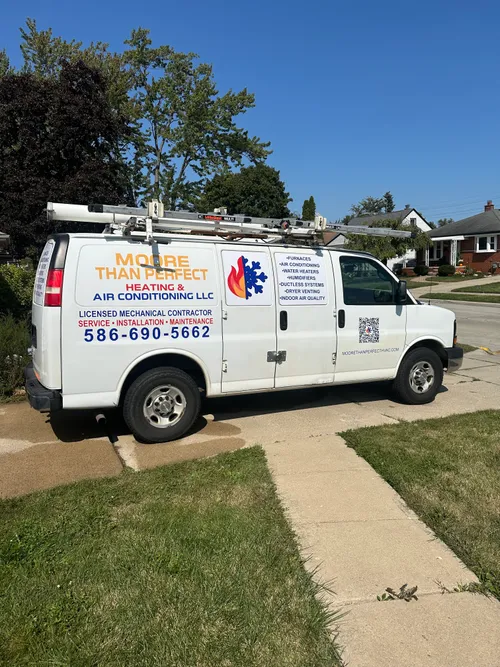
Moore Than Perfect Heating & Air Conditioning LLC
Detroit, MI
Moore Than Perfect Heating & Air Conditioning LLC is an HVAC company based in Detroit, MI, offering a range of heating and cooling services. They provide air conditioning installation and repair, furnace repair, mini-split installation, duct cleaning, indoor air quality solutions, and HVAC maintenance. The company serves all brands and models, focusing on energy-efficient and affordable heating and cooling solutions. With over 10 years of experience in the HVAC industry, Moore Than Perfect emphasizes careful workmanship and customer priority.
MOTOWN HEATING, COOLING, REFRIGERATION
Detroit, MI
MOTOWN HEATING, COOLING, REFRIGERATION is a family-owned HVAC company serving Detroit, MI. They provide residential, commercial, and industrial heating, cooling, and refrigeration services including installation, repair, and preventative maintenance. With over 25 years of experience since 1979, they handle a wide range of systems such as air conditioners, furnaces, boilers, and mini splits. Their team is equipped to manage commercial plumbing and boiler services as well. Customers can reach them 24/7 for assistance.
Detroit Furnace LLC
31313 Kendall, Fraser, MI 48026
Detroit Furnace LLC provides heating, cooling, and plumbing services in Detroit, MI. They offer repair, installation, and maintenance for furnaces, air conditioners, heat pumps, boilers, and mini-split systems. Their team services all brands and models and is equipped to handle plumbing needs such as water heater installation, leak repairs, and drain cleaning. Detroit Furnace LLC offers 24/7 emergency service to address urgent issues promptly. They serve the Detroit Metro area and surrounding communities, ensuring comprehensive home comfort solutions.
Why Choose a Ductless Mini-Split in Michigan?
Michigan homeowners are increasingly turning to ductless mini-split heat pumps for several compelling reasons. Their primary advantage is zoned comfort. Unlike a central forced-air system that treats the entire house as one zone, a mini-split allows you to set different temperatures in different rooms. This eliminates hot or cold spots and can lead to significant energy savings by not conditioning unoccupied spaces 1.
For Michigan's cold winters and humid summers, the high efficiency of modern mini-splits is a major benefit. These systems act as heat pumps, extracting heat from the outside air even in low temperatures to warm your home efficiently. In summer, the process reverses to provide cooling. This dual functionality in one unit can be more efficient than separate furnaces and air conditioners, especially in older homes with poor insulation or no ducts.
They are an excellent solution for specific home situations:
- Homes without ductwork: Including older historic homes, converted spaces, or cottages.
- Room additions: Adding a ductless system is often more cost-effective than extending existing ductwork.
- Garages, workshops, or sunrooms: To create a comfortable, usable space year-round.
- Supplemental heating/cooling: For rooms that are consistently too hot or too cold.
The Professional Installation Process: What to Expect
A proper ductless mini-split installation is not a DIY project. It requires technical expertise to ensure safety, efficiency, and compliance with state and local codes. Here's what a professional installation entails.
Licensing, Permits, and Certifications
In Michigan, hiring a licensed contractor is non-negotiable. A qualified professional will hold the necessary mechanical and/or electrical licenses to perform the work legally and safely 2.
Permits are typically required. Your contractor should pull a mechanical permit for the HVAC work and may need an electrical permit for any new wiring or circuit installation 3 4. Skipping permits can lead to code violations, safety hazards, and problems when selling your home 5.
Crucially, technicians must have EPA Section 608 certification to legally handle refrigerant, a key component of the installation process. Always verify that your chosen provider is properly licensed, insured, and certified.
Key Installation Steps
A professional installation follows a meticulous process:
- Site Assessment and Planning: A technician will evaluate your home to determine the ideal locations for the indoor air handlers and the outdoor condenser unit. They will plan the routing for refrigerant lines, electrical wiring, and condensate drainage.
- Indoor Unit Placement: Wall-mounted indoor units are typically placed high on an exterior wall for optimal airflow. The location should be free of obstructions and allow for even temperature distribution.
- Outdoor Unit Placement: The condenser is installed on a stable, level pad (often concrete) outside. It needs clear space for airflow and should be positioned away from windows, patios, and pedestrian traffic to minimize noise.
- Electrical Connection: Mini-splits require a dedicated electrical circuit. Your installer will assess your electrical panel and coordinate with a licensed electrician if any upgrades or new circuits are needed.
- Refrigerant Line and Drainage Installation: Copper refrigerant lines are run in a sealed conduit between the indoor and outdoor units. A condensate drain line is also installed to remove moisture collected during the cooling process 6.
- System Evacuation, Charging, and Testing: The system is vacuumed to remove air and moisture, then charged with the correct amount of refrigerant. Finally, the technician will test all functions, including heating, cooling, and various fan modes.
Understanding Costs and Financial Incentives
The cost of a ductless mini-split system in Michigan varies based on the number of indoor zones (heads), the system's capacity and efficiency ratings, and the complexity of the installation. While it is a significant investment, substantial financial incentives are available that can dramatically reduce your net cost.
Available Rebates and Tax Credits
Michigan residents have access to a powerful combination of federal, state, and utility incentives designed to promote energy-efficient upgrades.
- Federal Tax Credit: The Inflation Reduction Act (IRA) provides a tax credit worth 30% of the total project cost (including both equipment and installation), up to a maximum of $2,000 per year 7 8 9. This credit applies to qualifying ductless mini-split heat pumps that meet specific efficiency standards.
- Utility Rebates: Major Michigan utilities like DTE Energy and Consumers Energy offer rebates for installing ENERGY STAR® certified ductless mini-split systems 10 11. These rebates can amount to hundreds of dollars per ton of cooling capacity.
- Local Programs: Some municipalities have their own initiatives. For example, Ann Arbor's A2ZERO program offers significant rebates for high-efficiency heat pump installations 12.
Eligibility for Incentives
To qualify for most incentives, your system must meet specific criteria:
- Equipment Ratings: Systems typically need to be ENERGY STAR® certified and meet minimum efficiency ratings, such as SEER2 ≥ 14.3 and HSPF2 ≥ 7.5 for the federal tax credit 13.
- Primary Residence: Incentives are usually for primary residences, not rental properties.
- Professional Installation: The system must be installed by a licensed professional, and you must retain your receipts and Manufacturer's Certification Statement for your tax records 14.
Find the perfect mini-split installers for your needs
Get personalized recommendations and expert advice
Long-Term Savings
While the upfront cost is a consideration, the operational savings are substantial. By replacing inefficient electric resistance heat or old window units with a high-efficiency mini-split, homeowners can see a noticeable reduction in their annual energy bills 15. The combination of lower operating costs and upfront incentives makes a mini-split a financially smart upgrade for many Michigan households.
Choosing the Right System and Contractor
Selecting the correct equipment and a trustworthy installer is the most important step.
Sizing Matters: A system that is too large will short-cycle (turn on and off frequently), reducing efficiency, comfort, and lifespan. One that is too small will struggle to maintain temperature. A professional will perform a Manual J load calculation to determine the precise capacity needed for your space.
Efficiency Ratings: Look for high SEER (Seasonal Energy Efficiency Ratio) for cooling and HSPF (Heating Seasonal Performance Factor) for heating. Higher numbers mean greater efficiency and lower utility bills.
Finding a Qualified Contractor: Seek out licensed, insured HVAC companies with specific experience installing ductless systems. Ask for references, verify their EPA certifications, and ensure they are familiar with the permit process in your municipality. A reputable contractor will provide a detailed written estimate that includes equipment models, labor, permits, and a clear explanation of the work to be performed.
Frequently asked questions
Sources
Footnotes
-
The Many Benefits of a Ductless Mini-Split in Michigan Winters - https://aspenheating.com/heating/ductless-mini-split-michigan/ ↩
-
HVAC Installation in Kalamazoo, MI Expert Service - https://www.adamshc.com/hvac/hvac-installation-kalamazoo-mi ↩
-
Do Mini Splits Need Permits? Installation Requirements Guide - https://www.greecomfort.com/news-and-events/do-mini-splits-need-permits/ ↩
-
Do You Need a Permit to Install a Mini Split? Find Out Now - https://www.edsheatingandcooling.com/blog/do-you-need-a-permit-to-install-a-mini-split-find-out-now/ ↩
-
Is It Legal to Install a Ductless Mini Split Without Permission? - https://dellahome.com/blogs/della-blog/is-it-legal-to-install-a-ductless-mini-split-without-permission ↩
-
Preparing Your Home for Ductless Mini Split Installation - https://rrmechanicalsvs.com/cooling/preparing-your-home-for-ductless-mini-split-installation/ ↩
-
Ductless Installation in Ann Arbor, MI: What to Know - https://callwhitney.com/ductless-installation-in-ann-arbor/ ↩
-
Heat Pump Tax Credit 2025 Michigan: Complete Guide To ... - https://zilkaheatingcooling.com/heat-pump-tax-credit-2025-michigan-complete-guide-to-federal-incentives/ ↩
-
Explore Discounts & Mini Split Tax Credits in 2025 - Carrier - https://www.carrier.com/residential/en/us/products/ductless-mini-splits/tax-credits/ ↩
-
Ductless Mini Splits: The Flexible HVAC Upgrade for Michigan ... - https://mooremech.net/what-is-a-mini-split/ ↩
-
ENERGY STAR® Certified Mini-Split Heat Pumps - https://www.pplelectricsavings.com/ppl/homeequipment/products/ductless-heat-pump ↩
-
Reasons to Consider a Mini-Split System in Michigan | AJ Danboise - https://ajdanboise.com/reasons-to-consider-a-mini-split-system-in-michigan/ ↩
-
Michigan HVAC SEER Regulations - Service Professor - https://www.serviceprofessor.com/hvac-seer-regulations-in-michigan/ ↩
-
Understanding Michigan's HVAC Tax Incentives for 2025 - https://www.serviceprofessor.com/the-basics-of-michigans-2025-hvac-tax-incentives/ ↩
-
Understanding the Benefits of Ductless Mini-Split Systems - https://goendlessenergy.com/blog/mini-split-installation/understanding-the-benefits-of-ductless-mini-split-systems/ ↩