Find the Best Mini-Split Installers for Your Business
No obligation • Fast responses • Nationwide coverage

Why you can trust HVAC Firms
HVAC Firms is a leading United States resource for evaluating HVAC service providers. Our team researches companies, checks credentials, and reviews customer feedback to present clear, unbiased information. Listings and rankings are based on merit, and companies cannot pay to change our editorial content.
Search providers near you
Top Mini-Split Installers in Longmont, Colorado Ranked
A ductless mini-split system is a versatile and efficient solution for heating and cooling your Longmont home. These systems provide zoned comfort without the need for extensive ductwork, making them ideal for room additions, renovations, or addressing specific problem areas in your house. This guide will help you understand the types of systems available, the installation process, and what to consider when looking for a qualified professional to handle your project.
True Heating & Cooling
1351 W 121st Ave, Westminster, CO 80234
True Heating & Cooling is an HVAC company based in Denver, CO, offering heating, air conditioning, and indoor air quality services. They serve Westminster and nearby areas including Broomfield and Boulder. Their services include installation, repair, and maintenance of furnaces, boilers, air conditioners, heat pumps, ductless mini-split systems, and thermostats. As NATE-certified technicians and official Lennox dealers, they provide skilled work with access to quality equipment. True Heating & Cooling has 24/7 emergency availability to address urgent HVAC needs.
The Weather Changers Heating and Air Conditioning
10525 E 40th Ave #203, Denver, CO 80239
The Weather Changers Heating and Air Conditioning is an HVAC company based in Denver, CO, offering a full range of heating, cooling, and indoor air quality services. They provide installation, repair, and maintenance for air conditioners, furnaces, heat pumps, ductless systems, and thermostats. The company is a Bryant Factory Authorized Dealer and emphasizes proper sizing and installation to optimize system efficiency and longevity. They serve Denver and surrounding areas including Aurora, Centennial, and Parker. Their expertise includes indoor air quality solutions such as humidifier installation and duct cleaning. The Weather Changers has over 15 years of experience serving multiple properties and offers a 100% satisfaction guarantee.

Efficient Comfort: Heating, Cooling & Mechanical
10835 N Dover St #100, Westminster, CO 80021
Efficient Comfort: Heating, Cooling & Mechanical is a family owned and operated HVAC company serving Aurora, CO, and the surrounding Denver metro areas. Founded in 2007, the company offers a wide range of heating and cooling services including installation, repair, and maintenance of furnaces, air conditioners, heat pumps, boilers, and ductless mini splits. As Bryant Factory Authorized Dealers, they provide expertise in managing indoor air quality with accessories like air cleaners, humidifiers, ventilators, and UV lights. The company emphasizes ethical business practices and community involvement.
Comfort Pros Heating and Air Conditioning
7270 Gilpin Way #220, Denver, CO 80229
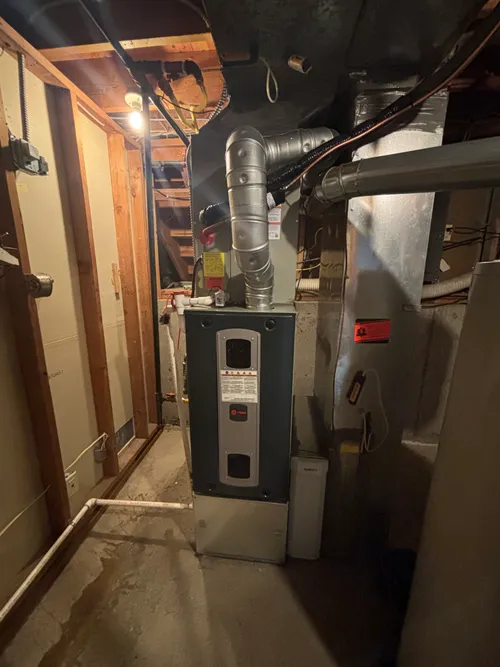
Comfort Pros Heating and Air Conditioning is a family-owned HVAC company serving Denver, CO, with over 15 years of experience. They specialize in the installation, repair, and maintenance of heat pumps, furnaces, air conditioners, boilers, and mini-split systems. Comfort Pros is known for working with high-quality manufacturers and providing thorough system analyses to help customers understand their options. Their team emphasizes clear communication and detailed explanations throughout each project.

Tonville HVAC LLC
710 N 7th Ave #1, Brighton, CO 80601
Tonville HVAC LLC is a locally owned HVAC company serving Denver, CO, and surrounding areas. Since 1987, they have provided heating, air conditioning, geothermal, and ventilation services including installation, repair, and maintenance of furnaces, boilers, rooftop units, and ductless mini splits. Their team is experienced in geothermal system work and offers emergency service along with industry-leading warranties on workmanship and parts.
Why Choose a Ductless Mini-Split for Your Longmont Home?
For many homeowners in Longmont, installing a ductless system solves common comfort challenges. These high-efficiency heat pumps are perfect for spaces where extending traditional ducted HVAC is impractical or too expensive. Whether you've converted a garage into a living space, finished a basement, or have a sunroom that's always too hot, a mini-split can deliver targeted comfort. They are also an excellent choice for whole-home comfort in smaller houses or for creating distinct temperature zones in a larger home, allowing you to heat or cool only the rooms you're using.
Beyond flexibility, the primary advantages are energy efficiency and improved indoor air quality. Because there are no ducts, you avoid the energy losses associated with ductwork, which can account for more than 30% of energy consumption for space conditioning, according to the U.S. Department of Energy. Each indoor unit operates independently, so you're not wasting energy conditioning empty rooms. Furthermore, many models include multi-stage filtration that can reduce dust, allergens, and other particulates in the air.
Understanding System Types: Single-Zone vs. Multi-Zone
The first major decision is choosing between a single-zone or a multi-zone system. This choice will define your system's capabilities, complexity, and cost.
- Single-Zone Systems: This setup consists of one outdoor condenser unit connected to one indoor air-handling unit. It's designed to condition a single space, such as a master bedroom, home office, or great room. This is the most straightforward and often most cost-effective option for a specific application like a new addition 1 2.
- Multi-Zone Systems: A single outdoor condenser is connected to multiple indoor units (typically 2 to 5). This allows you to create custom comfort zones throughout your home-for example, one zone for upstairs bedrooms and another for the main living area. Each indoor unit can be controlled independently, providing maximum flexibility and efficiency for whole-home comfort 3.
Selecting the Right Indoor Unit Style
Ductless indoor units come in several styles to suit different room layouts and aesthetic preferences. The most common styles available in Longmont include:
- Wall-Mounted: This is the standard and most frequently installed type. The unit is mounted high on a wall, similar to a hotel room AC, allowing for excellent air distribution across the room. It's a versatile choice for most residential applications.
- Ceiling Cassette: These units are recessed into the ceiling, with only a sleek grille visible. They provide four-way air discharge for even circulation and are ideal for rooms with high ceilings or where a minimalist look is desired. Installation requires sufficient ceiling cavity space.
- Floor-Mounted: Designed to be installed near the floor, often in place of baseboard heating. This style is perfect for rooms with limited wall space, such as those with extensive glass or shelving, and can be a good retrofit option.
Critical Considerations for Outdoor Unit Placement
Proper placement of the outdoor condenser is crucial for performance, longevity, and maintaining good neighbor relations. In Longmont's climate, with its hot summers and snowy winters, placement requires careful thought.
- Stable Base: The unit must be placed on a level, stable surface. This is typically a concrete pad or specially rated mounting brackets attached to the side of the house. A solid base prevents vibration and noise.
- Adequate Airflow and Clearance: The condenser needs ample space to exchange heat. Manufacturers specify minimum clearances (often 12-24 inches on the sides and much more for the front and back), but more space is generally better. Avoid placing it in an enclosed alcove or directly against dense shrubbery.
- Access for Maintenance and Snow: Ensure technicians have easy access for routine maintenance. In Colorado, consider height from the ground to prevent the unit from being buried in deep snow drifts. Some homeowners use a raised platform or install a protective cover to shield the unit from falling ice and snow.
Find the perfect mini-split installers for your needs
Get personalized recommendations and expert advice
The Professional Installation Process: What to Expect
A proper ductless mini-split installation is a technical job that should always be performed by a licensed HVAC professional. A correct installation ensures efficiency, reliability, and maintains the manufacturer's warranty. Here's a step-by-step overview of what a professional installer will do:
- Site Evaluation and Planning: The technician will assess your home, discuss your comfort goals, and determine the optimal locations for the indoor and outdoor units, as well as the path for the connecting lines.
- Mounting the Indoor Unit: The wall or ceiling bracket for the indoor unit is securely mounted, ensuring it is perfectly level for proper condensate drainage.
- Drilling the Line Set Hole: A small hole (typically about 3 inches in diameter) is drilled through the exterior wall to connect the indoor and outdoor units.
- Running the Line Set: The refrigerant lines (copper tubing), condensate drain line, and electrical communication cable are run through the wall hole and connected to the indoor unit. These lines are often bundled together in a decorative conduit for a clean look.
- Mounting the Outdoor Unit: The condenser is placed on its prepared stable base and connected to the line set coming from inside.
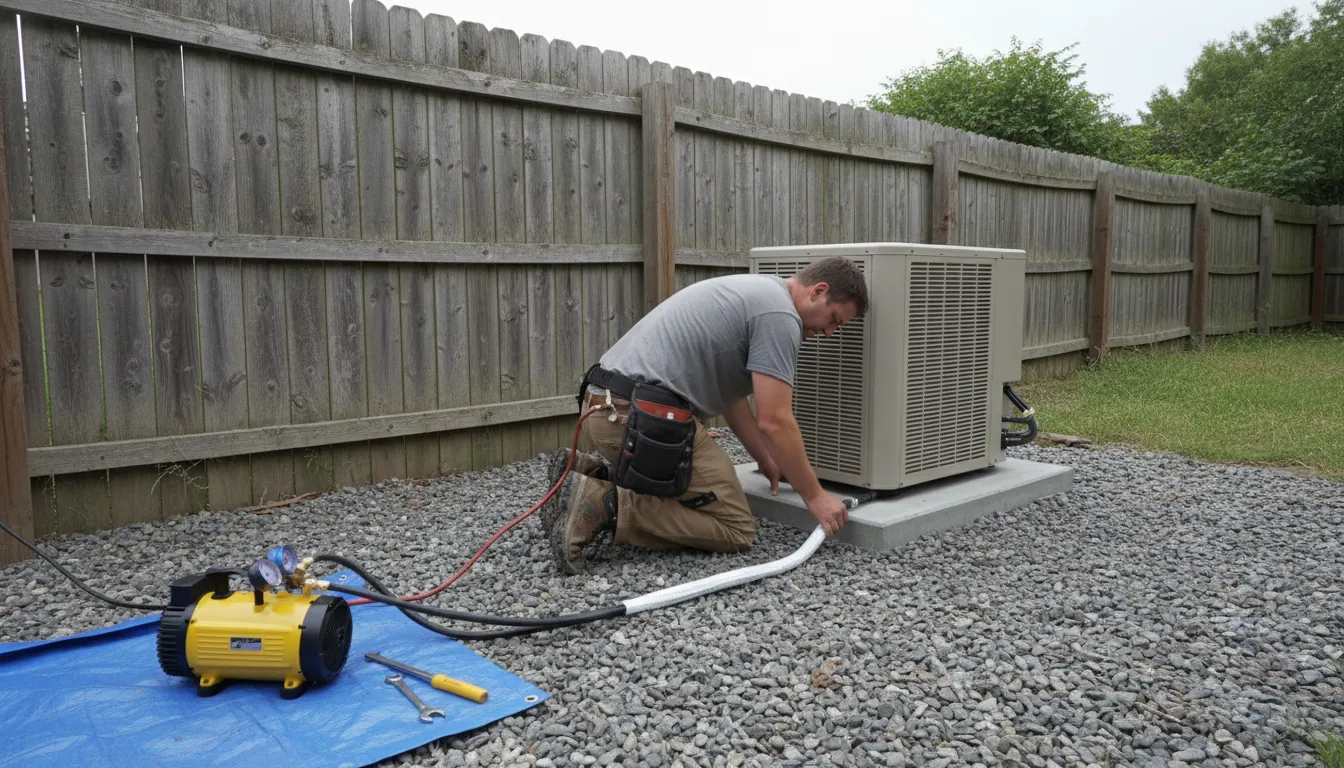
- Evacuating the System: This is a critical step. A vacuum pump is used to remove all air and moisture from the refrigerant lines. Any moisture left inside can cause corrosion and compressor failure.
- Electrical Connections and Testing: The system is connected to your home's electrical service (which may require a new dedicated circuit). Finally, the technician will charge the system with refrigerant, test all functions, and show you how to use the controls 4 5 6.
Understanding Installation Costs in Longmont
The cost of a ductless mini-split installation in Longmont varies widely based on system size, complexity, and specific equipment features. Here is a general cost breakdown based on local market data:
- Single-Zone System: For a basic one-to-one system, homeowners can expect costs ranging from $2,000 to over $8,000. The final price depends on the unit's BTU capacity, brand, and the complexity of the electrical and mounting work 7.
- Multi-Zone System (2-3 zones): Installing a system with one outdoor unit and two or three indoor heads typically ranges from $7,000 to $12,000+. This is a popular choice for whole-home comfort in smaller homes or major additions 8.
- Complex or Whole-Home Systems: For larger homes requiring 4+ zones, systems with advanced cold-climate heat pump technology, or installations with significant electrical upgrades, costs can range from $13,000 to $20,000 or more 9 10.
Key factors influencing cost include the number of zones (indoor units), the need for a cold-climate rated heat pump (essential for efficient heating in Colorado winters), the extent of required electrical work, and local labor rates. Always get detailed, written estimates from multiple contractors that include all equipment, labor, materials, and warranty information.
Frequently asked questions
Sources
Footnotes
-
How Much Does It Cost To Install a Carrier Ductless Mini Split - https://carriercolorado.com/how-much-does-it-cost-to-install-a-carrier-ductless-mini-split-ac/ ↩
-
Ductless mini-split installation: Cool 2025 Guide - Southern Air - https://www.southern-air.com/blog/ductless-mini-split-installation ↩
-
Ductless Mini Split Installation Costs in 2026 - Carrier - https://www.carrier.com/residential/en/us/products/ductless-mini-splits/ductless-mini-split-installation-cost/ ↩
-
Ductless Mini Split Setup: An Ultimate Guide - Airflow Heating & Air - https://www.goairflow.com/blog/ductless-mini-split-installation/ ↩
-
Ductless Mini-Split Systems Loveland CO - https://www.mtnvalleyplumbing.com/ductless-mini-split-systems/ ↩
-
How Much Does a Mini-Split Installation Cost? - Taskrabbit Blog - https://www.taskrabbit.com/blog/mini-split-installation-cost/ ↩
-
Denver MiniSplit Installation Cost - UniColorado - https://unicolorado.com/pricing/minisplit-installation-cost/ ↩
-
Ductless Mini-Splits: A Complete Guide To Cost, Benefits, And ... - https://petermanhvac.com/about-us/blog/mini-splits-complete-guide/ ↩
-
Mini Split Install Cost Aurora, CO | Ductless AC Pricing - https://www.servicebyveteran.com/blog/mini-split-installation-cost ↩
-
How Much Does a Ductless Mini-Split System Cost in Colorado? - Origin PHCE - https://originphce.com/ductless-mini-split-cost-colorado/ ↩