Find the Best Mini-Split Installers for Your Business
No obligation • Fast responses • Nationwide coverage

Why you can trust HVAC Firms
HVAC Firms is a leading United States resource for evaluating HVAC service providers. Our team researches companies, checks credentials, and reviews customer feedback to present clear, unbiased information. Listings and rankings are based on merit, and companies cannot pay to change our editorial content.
Search providers near you
Best Mini-Split Installers in Colorado Ranked
Installing a ductless mini-split system is a smart way to add efficient heating and cooling to your Colorado home, especially for room additions, sunrooms, or older properties without existing ductwork. This process involves professional sizing, permitting, and installation to ensure safety, performance, and eligibility for significant financial incentives. The following guide explains the key steps, costs, and available rebates to help you understand what to expect and how to connect with qualified local professionals for your project.
True Heating & Cooling
1351 W 121st Ave, Westminster, CO 80234
True Heating & Cooling is an HVAC company based in Denver, CO, offering heating, air conditioning, and indoor air quality services. They serve Westminster and nearby areas including Broomfield and Boulder. Their services include installation, repair, and maintenance of furnaces, boilers, air conditioners, heat pumps, ductless mini-split systems, and thermostats. As NATE-certified technicians and official Lennox dealers, they provide skilled work with access to quality equipment. True Heating & Cooling has 24/7 emergency availability to address urgent HVAC needs.
The Weather Changers Heating and Air Conditioning
10525 E 40th Ave #203, Denver, CO 80239
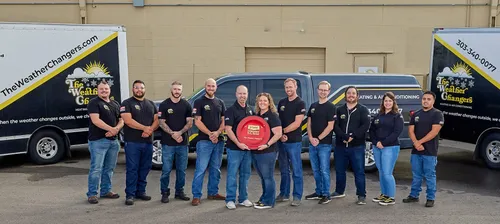
The Weather Changers Heating and Air Conditioning is an HVAC company based in Denver, CO, offering a full range of heating, cooling, and indoor air quality services. They provide installation, repair, and maintenance for air conditioners, furnaces, heat pumps, ductless systems, and thermostats. The company is a Bryant Factory Authorized Dealer and emphasizes proper sizing and installation to optimize system efficiency and longevity. They serve Denver and surrounding areas including Aurora, Centennial, and Parker. Their expertise includes indoor air quality solutions such as humidifier installation and duct cleaning. The Weather Changers has over 15 years of experience serving multiple properties and offers a 100% satisfaction guarantee.
Efficient Comfort: Heating, Cooling & Mechanical
10835 N Dover St #100, Westminster, CO 80021
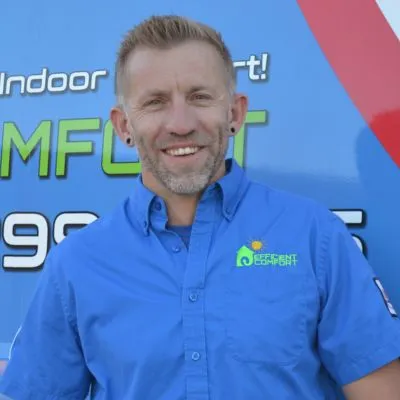
Efficient Comfort: Heating, Cooling & Mechanical is a family owned and operated HVAC company serving Aurora, CO, and the surrounding Denver metro areas. Founded in 2007, the company offers a wide range of heating and cooling services including installation, repair, and maintenance of furnaces, air conditioners, heat pumps, boilers, and ductless mini splits. As Bryant Factory Authorized Dealers, they provide expertise in managing indoor air quality with accessories like air cleaners, humidifiers, ventilators, and UV lights. The company emphasizes ethical business practices and community involvement.
Comfort Pros Heating and Air Conditioning
7270 Gilpin Way #220, Denver, CO 80229
Comfort Pros Heating and Air Conditioning is a family-owned HVAC company serving Denver, CO, with over 15 years of experience. They specialize in the installation, repair, and maintenance of heat pumps, furnaces, air conditioners, boilers, and mini-split systems. Comfort Pros is known for working with high-quality manufacturers and providing thorough system analyses to help customers understand their options. Their team emphasizes clear communication and detailed explanations throughout each project.
Emporia Home Services
7901 Shaffer Pkwy STE 100, Littleton, CO 80127
Emporia Home Services is a family-owned HVAC company serving Denver, CO. They provide installation, repair, and maintenance for furnaces, air conditioners, heat pumps, and mini split systems. Their services include HVAC tune-ups and comprehensive heating and cooling solutions designed to improve indoor comfort throughout the year. The company emphasizes a customer-focused approach and offers financing options through trusted lenders. Emporia Home Services is led by experienced technicians dedicated to ensuring efficient system performance and customer satisfaction.
Understanding Ductless Mini-Split Systems
A ductless mini-split system consists of an outdoor compressor/condenser unit connected by refrigerant lines to one or more indoor air-handling units. This design eliminates the need for extensive ductwork, making it an ideal solution for targeted comfort. In Colorado's varied climate, with hot summers and cold winters, modern heat pump mini-splits provide both efficient air conditioning and electric heating, often serving as a primary heat source even in cooler temperatures.
The Professional Installation Process
A successful ductless installation relies on a meticulous process handled by licensed technicians. Cutting corners can lead to poor performance, higher energy bills, and safety issues.
1. Load Calculation and System Sizing
The first and most critical step is a Manual J load calculation. This assessment determines the exact heating and cooling capacity (measured in BTUs) your space requires based on square footage, insulation levels, window orientation, and local climate. An oversized system will short-cycle, turning on and off frequently, which wastes energy and fails to properly dehumidify the air. An undersized unit will struggle to maintain comfortable temperatures. A professional will perform this calculation to specify the correctly sized equipment.
2. Strategic Unit Placement
Where you place the indoor and outdoor units significantly impacts comfort and efficiency.
- Indoor Air Handlers: These are typically mounted high on an interior wall to allow for optimal airflow. Placement should avoid direct airflow over seating or beds and consider the path for running refrigerant lines to the outside 1.
- Outdoor Condenser: This unit requires a stable, level pad (often concrete) with adequate clearance-usually 1-2 feet on all sides-for proper airflow and service access. It should be positioned away from windows, patios, or neighbor's property lines to minimize noise disturbance.
3. Permitting and Code Compliance
In Colorado, installing a mini-split almost always requires permits. This is not just bureaucracy; it's a vital safety check.
- Typical Permits: You will likely need both a mechanical permit (for the refrigerant work) and an electrical permit (for the new circuit and disconnect).
- Purpose of Permits: The permitting process ensures the installation meets local building codes, including proper electrical connections, secure line-set support, safe refrigerant handling, and adherence to setback requirements. It also usually involves an inspection by a municipal official to verify the work is safe and correct 2.
- The Professional's Role: A reputable, licensed HVAC contractor will typically pull these permits on your behalf, as their license and insurance are often required to do so. This is a key reason DIY installation is strongly discouraged and can void warranties and rebate eligibility 3.
Find the perfect mini-split installers for your needs
Get personalized recommendations and expert advice
Financial Considerations: Costs and Incentives
Installation Cost Factors
The total cost for a ductless mini-split installation in Colorado is highly variable, typically ranging from $7,500 to over $29,000, with an average around $13,000 for a multi-zone system. Key factors influencing price include:
- System Size and Zones: A single-zone system for one room costs less than a multi-zone system supporting several rooms with multiple indoor heads.
- Equipment Brand and Efficiency: Higher-efficiency models (with higher SEER and HSPF ratings) cost more upfront but save on long-term energy bills.
- Installation Complexity: The difficulty of running refrigerant lines through walls, attic spaces, or between floors adds labor time.
- Electrical Upgrades: Many installations require a new dedicated electrical circuit from your main panel, which can add $500 to $1,500 or more if a panel upgrade is needed 4 5.
- Permit Fees: Local permit fees can add approximately $250 to $400 to the total project cost 6.
Available Rebates and Tax Credits
Colorado homeowners have access to exceptional financial incentives that can dramatically reduce the net cost of an energy-efficient mini-split installation.
- Federal Tax Credits (IRA): The Inflation Reduction Act provides a tax credit of 30% of the project cost, up to $2,000 annually, for qualifying air-source heat pumps (which include heating-capable mini-splits). There is no income limit for this credit, which you claim when filing your federal taxes 7 8.
- Colorado State Programs: The Colorado Energy Office administers programs like HEAR (Home Energy Rebates) and HOMES, which are expected to offer direct rebates for heat pump installations. These programs often have income-qualified tiers that provide larger incentives for low- and moderate-income households 9.
- Utility Rebates (e.g., Xcel Energy): Colorado's largest utility, Xcel Energy, offers rebates through its Whole Home Efficiency Program. This program provides bonuses for bundling multiple upgrades, such as adding insulation and installing a heat pump. Working with a participating contractor can unlock significant additional savings.
Important Note: Most rebates and all tax credits require professional installation by a licensed contractor and the installation of specific Energy Star-certified or otherwise qualifying equipment. Always confirm eligibility requirements with your contractor and the program administrators before purchase 10.
Why Professional Installation is Non-Negotiable
While DIY projects can be tempting, ductless mini-split installation involves specialized skills that go beyond basic handyman work.
- Refrigerant Handling: EPA certification is required to handle refrigerant, which must be precisely charged for the system to work efficiently.
- Electrical Work: Connecting high-voltage electrical lines is dangerous and must be done to exacting code standards to prevent fire hazards.
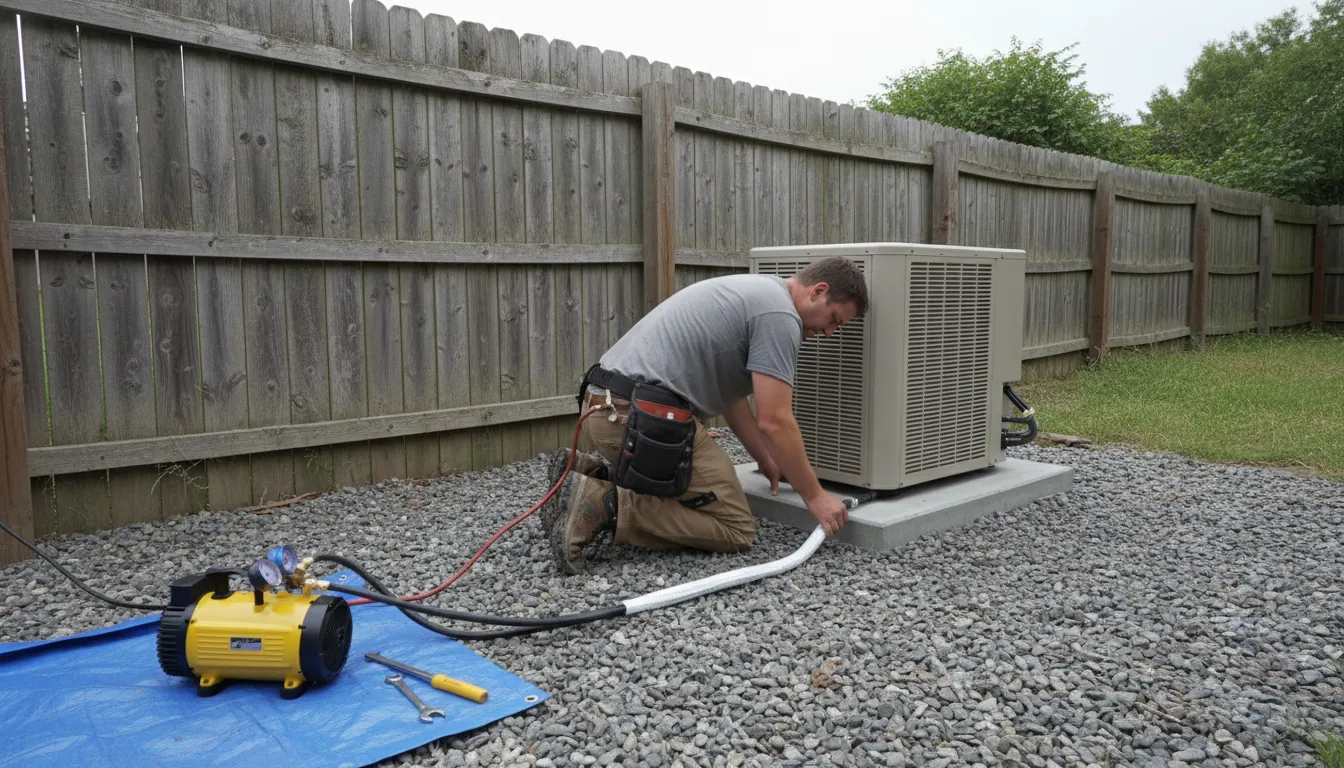
- Vacuum and Pressure Testing: The system's copper lines must be evacuated of all moisture and air with a professional vacuum pump; any contamination can cause premature compressor failure.
- Warranty and Incentive Protection: Manufacturer warranties and all major financial incentives are contingent on professional installation. A DIY job will void these valuable protections 11 12 13.
Choosing the Right Colorado Contractor
Selecting a qualified professional is your most important decision. Look for a Colorado-licensed HVAC contractor with specific experience installing ductless mini-splits. They should be willing to provide a detailed written estimate that includes the Manual J calculation, equipment specifications, a breakdown of labor and materials, permit fees, and a clear explanation of how they will help you apply for available rebates. Check online reviews, ask for references, and verify they carry both liability insurance and workers' compensation coverage.
Frequently asked questions
Sources
Footnotes
-
Mini Split System Installation for Room Additions - https://accurateaircontrolcolorado.com/mini-split-system-installation-for-room-additions/ ↩
-
Colorado Springs HVAC Permit Requirements and Building Code ... - https://accurateaircontrolcolorado.com/colorado-springs-hvac-permit-requirements-and-building-code-updates-2025/ ↩
-
Do You Need a Permit to Install a Mini Split? Find Out Now - https://www.edsheatingandcooling.com/blog/do-you-need-a-permit-to-install-a-mini-split-find-out-now/ ↩
-
How Much Does a Ductless Mini-Split System Cost in Colorado? - https://originphce.com/ductless-mini-split-cost-colorado/ ↩
-
How Much Does It Cost To Install a Carrier Ductless Mini Split AC? - https://carriercolorado.com/how-much-does-it-cost-to-install-a-carrier-ductless-mini-split-ac/ ↩
-
Mini Split Install Cost Aurora, CO | Ductless AC Pricing - https://www.servicebyveteran.com/blog/mini-split-installation-cost ↩
-
Federal Tax Credits for HVAC | 2025 - UniColorado - https://unicolorado.com/rebates/federal-tax-credits/ ↩
-
Colorado Heat Pump Tax Credits - https://energyoffice.colorado.gov/hptc ↩
-
HB24-1352 Appliance Requirements & Incentives - https://leg.colorado.gov/bills/hb24-1352 ↩
-
How the Xcel Whole Home Efficiency Program Works - UniColorado - https://unicolorado.com/xcel-whole-home-efficiency-program/ ↩
-
Is a Ductless Mini-Split Installation a DIY Project A Complete Guide - https://www.heating-ac.com/blog/is-a-ductless-mini-split-installation-a-diy-project-a-complete-guide ↩
-
Cooling System Installation: Window, Ductless, or Central Air? - https://www.lawescompany.com/cooling-system-installation/ ↩
-
Is a DIY Ductless Mini-Split Installation Project Right For Me? - https://newcombandcompany.com/resources/ductless-air-conditioning-do-it-yourself-project ↩