Find the Best Indoor Air Quality Service Providers for Your Business
No obligation • Fast responses • Nationwide coverage

Why you can trust HVAC Firms
HVAC Firms is a leading United States resource for evaluating HVAC service providers. Our team researches companies, checks credentials, and reviews customer feedback to present clear, unbiased information. Listings and rankings are based on merit, and companies cannot pay to change our editorial content.
Search providers near you
Top Indoor Air Quality Service Providers in Milwaukee, Wisconsin Ranked
The air inside your Milwaukee home directly impacts your family's comfort, health, and well-being. Indoor air quality (IAQ) refers to the condition of the air within and around buildings, especially as it relates to the health of occupants. In a city with our distinct climate-bitterly cold winters and humid summers-managing IAQ is crucial for preventing issues like mold growth, radon accumulation, and the buildup of allergens and chemical pollutants. This guide will help you understand the unique air quality challenges in Milwaukee homes, the testing and monitoring options available, and the practical steps you can take to create a cleaner, healthier indoor environment.
Totally Clean
Milwaukee, WI
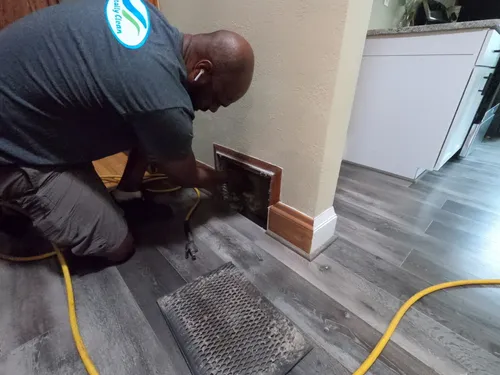
Totally Clean is a family-owned air duct cleaning company serving Milwaukee, WI, and Southeast Wisconsin since 2011. They specialize in residential and commercial indoor air quality services, using NADCA-standard methods to remove contaminants such as dust, pet dander, mold, and construction debris from HVAC systems. Their process includes powerful negative air pressure, high-pressure agitation, and a three-stage HEPA filtration system to ensure thorough cleaning. Totally Clean provides before and after photos to demonstrate their work and offers transparent, flat-rate pricing with no hidden fees.
HoneyCreek Heating, Cooling & Electric, LLC
N63W22633 Main St Ste. 107, Sussex, WI 53089
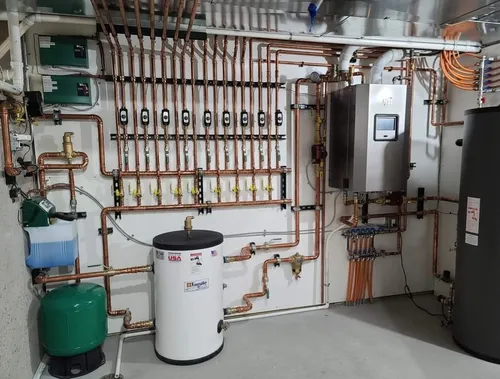
HoneyCreek Heating, Cooling & Electric, LLC is a full-service HVAC and electrical company serving Milwaukee, WI, and the surrounding areas. They provide repair, installation, and maintenance for heating and cooling systems including furnaces, air conditioners, boilers, heat pumps, and thermostats. Their licensed electricians also handle electrical panel upgrades, wiring repairs, and ceiling fan installations. HoneyCreek offers 24/7 emergency service and covers a broad range of locations in Southeastern Wisconsin. Their technicians are experienced with many HVAC brands and emphasize safety and clear communication throughout their work.
Absolute Comfort HVAC LLC
W220N1560 Jericho Ct, Waukesha, WI 53186
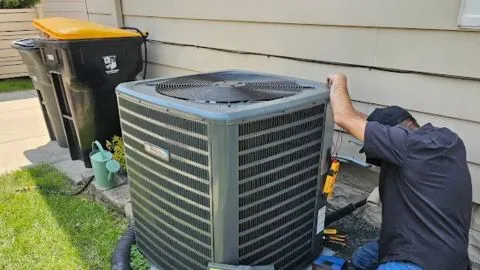
Absolute Comfort HVAC LLC provides heating, cooling, and ventilation services in Milwaukee, WI. They offer maintenance, repair, and installation for air conditioners, furnaces, boilers, mini splits, and indoor air quality systems. The company serves residential, commercial, light commercial, and new construction clients across multiple nearby communities. Their capabilities include HVAC tune-ups and installation of inverter and rooftop units. Absolute Comfort HVAC LLC covers a wide service area including Waterford, Waukesha, Brookfield, and surrounding locations.
Thielmann Heating, Cooling & Plumbing
17020 W National Ave, New Berlin, WI 53151
Thielmann Heating, Cooling & Plumbing is an HVAC company serving Milwaukee, WI, specializing in furnace repair, AC installation, heat pump service, and routine maintenance. They provide comprehensive heating and cooling care for residential customers, focusing on system efficiency and indoor air quality. With decades of local experience, Thielmann offers expert service for all makes and models, aiming to improve home comfort and energy use.
1st Choice Heating & Cooling
S82W19246 Apollo Dr Unit B, Muskego, WI 53150
1st Choice Heating & Cooling offers heating, air conditioning, and indoor air quality services in Milwaukee, WI, and the surrounding Waukesha County area. The company provides a range of HVAC services including AC and furnace repair, installation, and tune-ups. They are equipped to handle urgent repairs with 24-hour availability, ensuring systems are restored quickly. Their team is licensed and insured, serving residential customers with straightforward pricing and free estimates on system replacements.
Why Milwaukee's Climate Demands Attention to Indoor Air
Milwaukee's location on the shores of Lake Michigan creates a specific set of environmental conditions that directly influence the air in your home. Long, cold winters encourage residents to seal their homes tightly to conserve energy, which can trap pollutants and lead to stale, contaminated air. Conversely, the humid summers driven by lake-effect moisture create an ideal breeding ground for mold and mildew on common building materials like drywall, carpet, and wood. This seasonal cycle means that IAQ isn't a one-time concern but a year-round priority that requires different strategies depending on the time of year.
Common Indoor Air Pollutants in Milwaukee Homes
Understanding the specific contaminants prevalent in our area is the first step toward cleaner air. Milwaukee's housing stock and geography contribute to several key concerns.
Radon Gas
Radon is a naturally occurring, radioactive gas that seeps into homes from the ground. It is a significant health concern in Wisconsin and is the second leading cause of lung cancer. Because it is odorless and colorless, the only way to know if your home has elevated levels is through testing.
Mold and Mildew
High humidity levels, particularly in basements and bathrooms, make mold a major issue for Milwaukee residents. Mold spores can trigger allergic reactions, asthma attacks, and other respiratory problems. It thrives on organic materials, often appearing after undetected leaks or due to chronic condensation.
Lead Dust
Milwaukee has a large inventory of older homes, many of which contain lead-based paint. When this paint deteriorates or is disturbed during window operation or renovation projects, it creates fine, toxic dust particles. This is especially hazardous for young children and pregnant women.
Volatile Organic Compounds (VOCs) and Chemical Vapors
These gases are emitted from a wide array of household products, including cleaning supplies, paints, adhesives, and even new furniture. During winter, when homes are sealed tight, concentrations of VOCs can build up to levels that cause headaches, dizziness, and irritation.
Allergens and Particulate Matter
Common allergens like pet dander, dust mites, and pollen can be problematic year-round. Additionally, combustion fumes from gas stoves, fireplaces, and vehicles idling in attached garages introduce pollutants like carbon monoxide and nitrogen dioxide. In recent years, Milwaukee has also experienced periods of poor outdoor air quality due to ozone pollution, which can infiltrate and worsen indoor air 1.
How to Test and Monitor Your Home's Air Quality
You can't manage what you don't measure. Fortunately, Milwaukee homeowners have several options for assessing their indoor air, from professional audits to DIY methods.
Professional IAQ Audits
Hiring a local expert for a comprehensive air quality audit is the most thorough approach. Professionals use advanced equipment like "detectorators" to measure levels of specific pollutants such as VOCs, particulate matter (PM2.5), carbon monoxide, humidity, and radon 2 3. These audits typically cost between $250 and $300 on average and provide a detailed snapshot of your home's air health, along with targeted recommendations 2 4.
Radon Testing
Given the regional risk, specific radon testing is highly recommended. Inexpensive short-term test kits are available at hardware stores, or you can hire a professional. The Environmental Protection Agency (EPA) action level is 4 picocuries per liter (pCi/L). If tests confirm levels at or above this threshold, installing a radon mitigation system is the next step.
Long-Term and Smart Air Quality Monitors
For continuous awareness, consider a smart IAQ monitor. Devices like the Airthings View Plus (approximately $300) track a suite of parameters-including radon, VOCs, CO2, PM2.5, temperature, and humidity-and provide data directly to your smartphone 5 6. These monitors offer peace of mind and help you correlate air quality changes with activities, seasons, or the use of appliances.
Simple DIY Methods
For a basic assessment, there are low-cost DIY techniques. One simple method involves placing a note card coated in petroleum jelly in different rooms to catch airborne particulates over time, giving you a visual indicator of dust levels 7. While not as precise as professional tools, these methods can help identify problem areas.
Find the perfect indoor air quality service providers for your needs
Get personalized recommendations and expert advice
Solutions and Improvements for Cleaner Indoor Air
Once you've identified issues, a range of solutions can help you achieve healthier indoor air. The best approach often combines source control, improved ventilation, and air cleaning.
Source Control
The most effective way to improve IAQ is to remove or reduce the sources of pollution.
- Reduce VOCs: Choose low-VOC paints, cleaning products, and building materials. Store chemicals and fuels in detached sheds or well-ventilated areas, never in attached garages.
- Prevent Mold: Fix plumbing leaks promptly. Use exhaust fans in bathrooms and kitchens to remove moisture at the source. In summer, a dehumidifier is essential for keeping basement humidity below 60% to inhibit mold growth 8.
- Manage Lead: If you live in a pre-1978 home, use lead-safe work practices during renovations. Regularly clean floors and windowsills with a damp mop to control dust 9 10.
Ventilation Strategies
Diluting stale indoor air with fresh outdoor air is key, even in winter.
- Use Exhaust Fans: Always run bathroom and kitchen fans while showering or cooking and for 20 minutes afterward to remove moisture and pollutants 11.
- Open Windows: When weather and outdoor air quality permit, open windows on opposite sides of the house to create cross-ventilation and flush out contaminants 12.
- Consider an ERV/HRV: For tightly sealed, energy-efficient homes, an Energy Recovery Ventilator (ERV) or Heat Recovery Ventilator (HRV) can provide continuous fresh air without significant energy loss.
Air Cleaning and Filtration
When source control and ventilation aren't enough, filtration is a powerful tool.
- Upgrade HVAC Filters: Use the highest MERV-rated filter your furnace or air handler can accommodate (typically MERV 11-13) and change it regularly, every 1-3 months.
- Use Portable Air Purifiers: Place HEPA-certified air cleaners in bedrooms and main living areas. Ensure the unit is properly sized for the room and that it includes a HEPA filter for particles and, if needed, a carbon filter for odors and gases 13.
- Professional Duct Cleaning and UV Lights: Having your home's ductwork professionally cleaned can remove accumulated dust and debris. Some homeowners also opt for UV-C light systems installed inside HVAC ducts to help neutralize mold, bacteria, and viruses 14.
Addressing Specific Hazards
- For Radon: If testing confirms high levels, a professional radon mitigation system, which typically uses a vent pipe and fan to draw gas from beneath the home and exhaust it outside, is the proven solution.
- For Winter Dryness: While managing humidity in summer is critical, heated winter air can become too dry, irritating respiratory passages. A whole-home or portable humidifier can add necessary moisture, aiming for a relative humidity between 30-50% 15.
Maintaining Healthy Air Year-Round
Good indoor air quality is an ongoing process. Establish simple habits like checking and cleaning your HVAC system's filter monthly, running exhaust fans diligently, and keeping your home clean and dry. Schedule annual maintenance for your heating and cooling system to ensure it operates efficiently and doesn't become a source of dust or combustion gases. By staying vigilant and using the combination of testing, source control, ventilation, and filtration that works for your home, you can ensure your Milwaukee home is a haven of clean, healthy air in every season.
Frequently asked questions
Sources
Footnotes
-
Milwaukee is the 26th Worst City for Ozone Pollution - Air Oasis - https://www.airoasis.com/blogs/articles/milwaukee-is-the-26th-worst-city-for-ozone-pollution ↩
-
Indoor Air Quality Testing in Milwaukee - https://www.buranthtg.com/air-conditioning-services/indoor-air-quality/ ↩ ↩2
-
Air Quality Audit in Milwaukee, WI | Test Your Indoor Air | Capital - https://www.capitalhvac.com/air-quality/audit/ ↩
-
Step 1: Custom Indoor Air Quality Test in Your Milwuakee Home - https://pureindoorair.com/how-it-works/indoor-air-quality-test/ ↩
-
Airthings Smart Indoor Air Quality Bundle - https://www.google.com/search?q=product&prds=pvt:hg,productid:12158358147785951134,catalogid:12243222278306153427,gpcid:1296477912621282558,mid:576462702964846467&ibp=oshop ↩
-
Airthings View Plus Air Quality Monitor - https://www.google.com/search?q=product&prds=pvt:hg,productid:6072329373947128373,catalogid:7712427545849036561,gpcid:4854218481369443652,mid:576462731890981916&ibp=oshop ↩
-
How to conduct an at-home air quality test - https://www.youtube.com/watch?v=qqqTCfRbq6Y ↩
-
Mold and Your Health - City of Milwaukee - https://city.milwaukee.gov/health/environmental-health/Mold-and-Your-Health ↩
-
New Lead Testing Guidelines for Milwaukee Families - https://city.milwaukee.gov/Health/News-and-Events/Blog/Invisible-Danger-the-lead-paint-crisis-in-Milwaukee-and-MHDs-new-protective-recommendations ↩
-
ECO Healthy Home Guide - City of Milwaukee - https://city.milwaukee.gov/City-Forms/ECO-Healthy-Home-Guide-2025_Web.pdf ↩
-
Common Indoor Air Pollution Sources & How To Fix Them - https://midwesthvacpro.com/common-sources-of-indoor-air-pollution-in-wisconsin-homes-and-how-to-fix-them/ ↩
-
Clean Air & Air Quality - City of Milwaukee - https://city.milwaukee.gov/Health/Information/Clean-Air--Air-Quality ↩
-
Wisconsin Indoor Air Quality News 08/27/2021 - https://www.dhs.wisconsin.gov/publications/p03079-2021-08-27.pdf ↩
-
Indoor Air Quality Services Milwaukee WI - https://www.actionwi.com/indoor-air-quality ↩
-
Air Quality Issues | Wisconsin Department of Health Services - https://www.dhs.wisconsin.gov/air/index.htm ↩