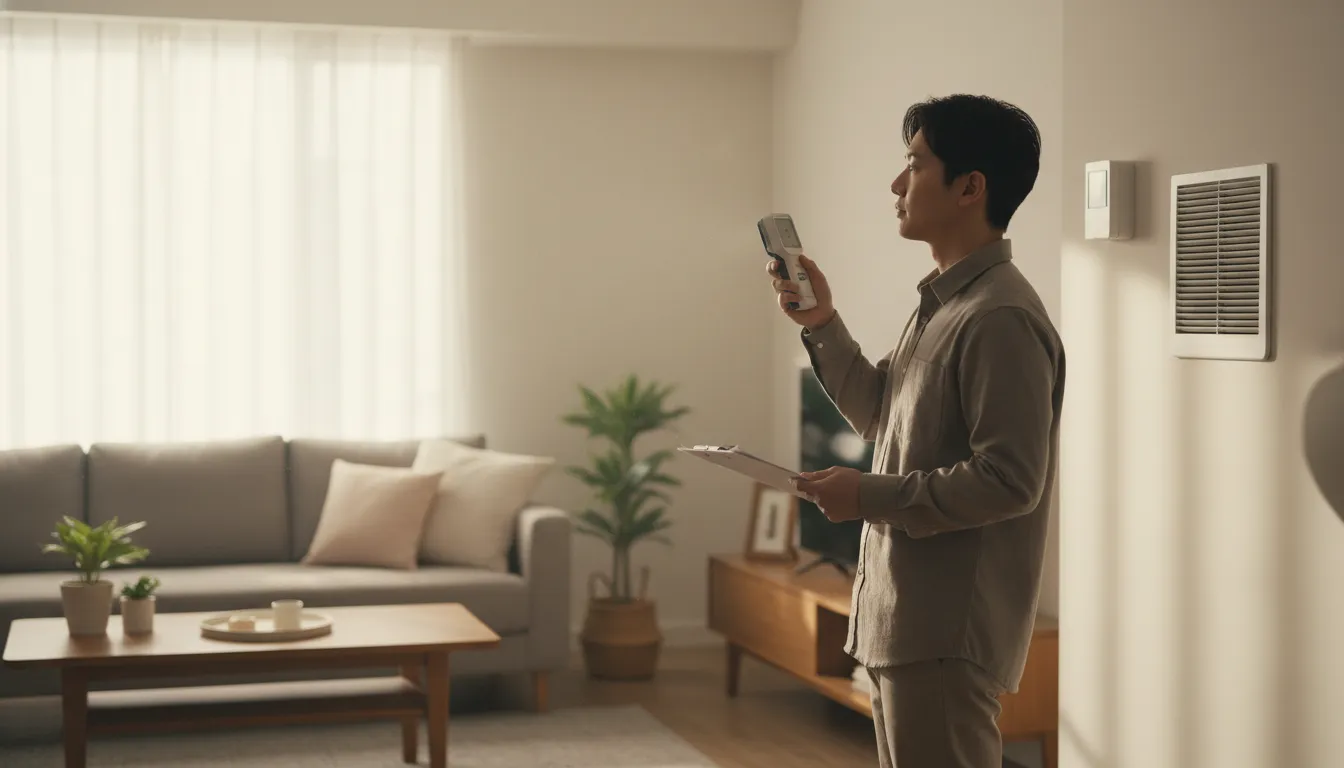
Find the Best Indoor Air Quality Service Providers for Your Business
No obligation • Fast responses • Nationwide coverage

Why you can trust HVAC Firms
HVAC Firms is a leading United States resource for evaluating HVAC service providers. Our team researches companies, checks credentials, and reviews customer feedback to present clear, unbiased information. Listings and rankings are based on merit, and companies cannot pay to change our editorial content.
Search providers near you
Best Indoor Air Quality Service Providers in Wisconsin Ranked
The air inside your Wisconsin home or business directly impacts your comfort, health, and energy bills. Indoor air quality (IAQ) refers to the condition of the air within buildings, influenced by pollutants, humidity, and ventilation. In a state with distinct seasons-from humid summers to tightly-sealed winters-managing IAQ is essential for mitigating allergens, preventing mold, and reducing exposure to harmful contaminants like radon. This guide provides a clear overview of common Wisconsin IAQ concerns, state-specific guidelines, and practical solutions to help you identify and connect with qualified local professionals who can assess and improve your indoor environment.
Totally Clean
Milwaukee, WI
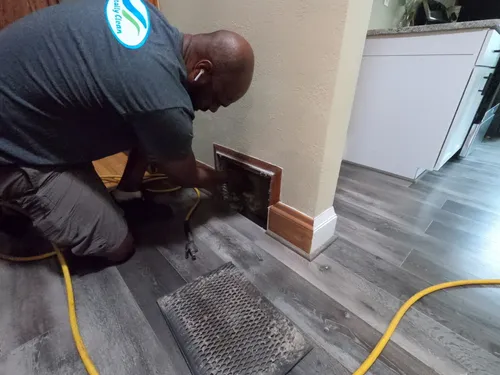
Totally Clean is a family-owned air duct cleaning company serving Milwaukee, WI, and Southeast Wisconsin since 2011. They specialize in residential and commercial indoor air quality services, using NADCA-standard methods to remove contaminants such as dust, pet dander, mold, and construction debris from HVAC systems. Their process includes powerful negative air pressure, high-pressure agitation, and a three-stage HEPA filtration system to ensure thorough cleaning. Totally Clean provides before and after photos to demonstrate their work and offers transparent, flat-rate pricing with no hidden fees.
HoneyCreek Heating, Cooling & Electric, LLC
N63W22633 Main St Ste. 107, Sussex, WI 53089
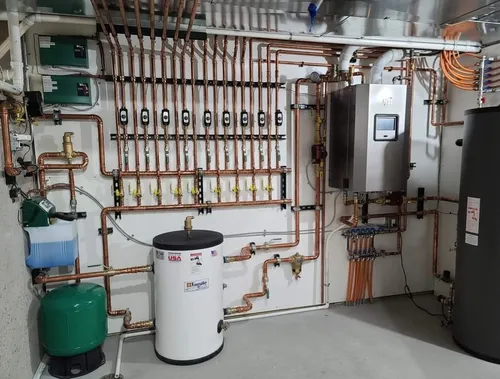
HoneyCreek Heating, Cooling & Electric, LLC is a full-service HVAC and electrical company serving Milwaukee, WI, and the surrounding areas. They provide repair, installation, and maintenance for heating and cooling systems including furnaces, air conditioners, boilers, heat pumps, and thermostats. Their licensed electricians also handle electrical panel upgrades, wiring repairs, and ceiling fan installations. HoneyCreek offers 24/7 emergency service and covers a broad range of locations in Southeastern Wisconsin. Their technicians are experienced with many HVAC brands and emphasize safety and clear communication throughout their work.
Absolute Comfort HVAC LLC
W220N1560 Jericho Ct, Waukesha, WI 53186
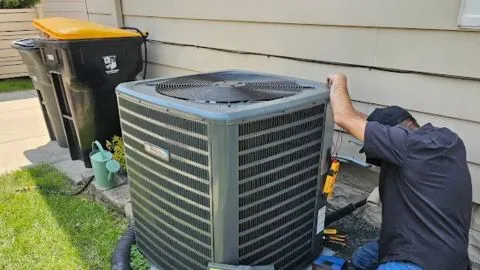
Absolute Comfort HVAC LLC provides heating, cooling, and ventilation services in Milwaukee, WI. They offer maintenance, repair, and installation for air conditioners, furnaces, boilers, mini splits, and indoor air quality systems. The company serves residential, commercial, light commercial, and new construction clients across multiple nearby communities. Their capabilities include HVAC tune-ups and installation of inverter and rooftop units. Absolute Comfort HVAC LLC covers a wide service area including Waterford, Waukesha, Brookfield, and surrounding locations.
TradeWinds Heating & Air Conditioning Inc.
1412 Parkside Dr Ste 1210 Suite 1210, Madison, WI 53704
TradeWinds Heating & Air Conditioning Inc. provides a range of HVAC services in Madison, WI, including air conditioning and furnace repair, installation, and maintenance. They also offer boiler repair, thermostat installation, indoor air quality services, and HVAC tune-ups. The company is experienced in handling various heating and cooling systems and is known for thorough inspections and clear explanations of system conditions. TradeWinds Heating & Air Conditioning Inc. has a history of attentive service and technical knowledge, with technicians who address customer questions and system issues thoughtfully.
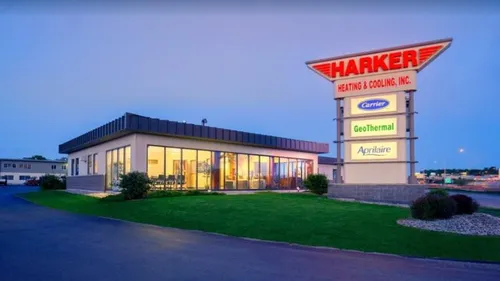
Harker Heating & Cooling
87 Nob Hill Rd, Madison, WI 53713
Harker Heating & Cooling is an HVAC service provider based in Madison, WI, offering installation, repair, and maintenance for heating and cooling systems. Serving the local community since 1949, the company handles air conditioner and furnace services, thermostat installation, indoor air quality improvements, and HVAC tune-ups. They provide 24/7 emergency repair services to address urgent heating and cooling needs. With over 70 years of experience, Harker Heating & Cooling has developed expertise in managing HVAC systems through all seasons in Wisconsin's variable climate.
Understanding Wisconsin's Indoor Air Pollutants
Wisconsin homes and buildings can harbor a variety of airborne contaminants. The state's Department of Health Services (DHS) and the U.S. EPA identify several key pollutants that are particularly relevant in our climate and built environment 1.
Radon: This naturally occurring, radioactive gas is the leading cause of lung cancer among non-smokers. It seeps into buildings from the underlying soil. Due to Wisconsin's geology, about 1 in 10 homes in the state has elevated radon levels, making testing and mitigation critically important 2 3.
Mold and Moisture: Wisconsin's humidity and precipitation can lead to excess moisture from basement leaks, plumbing issues, or condensation. This damp environment encourages mold growth, which can trigger asthma attacks, allergic reactions, and other respiratory problems 4.
Carbon Monoxide (CO): Produced by incomplete combustion in fuel-burning appliances like furnaces, water heaters, gas stoves, and fireplaces, CO is an odorless, deadly gas. Proper appliance maintenance and the installation of working CO detectors on every level of a home are non-negotiable safety measures.
Volatile Organic Compounds (VOCs): These chemicals are emitted as gases from a wide array of common household products, including paints, varnishes, cleaning supplies, aerosol sprays, air fresheners, and even new furniture or carpeting. They can cause short- and long-term health effects.
Particulate Matter (PM): Fine particles from sources like cooking smoke, candle soot, tobacco smoke, dust, and pet dander can penetrate deep into the lungs. Outdoor pollution can also infiltrate indoors, especially during seasonal events like wildfires 5.
Vapor Intrusion: In areas with a history of industrial or chemical spills, harmful vapors from contaminated soil or groundwater can migrate into buildings through cracks in foundations or slabs. This is a concern the Wisconsin DHS monitors and provides guidance on 6.
The Critical Role of Ventilation
Inadequate ventilation is a primary cause of indoor air quality problems because it allows pollutants to accumulate to unhealthy levels 7. The mantra for modern, energy-efficient construction in Wisconsin is "build tight, ventilate right". This means that as homes are sealed to save energy, intentional mechanical ventilation becomes essential to bring in fresh air and exhaust stale, polluted air.
Residential Ventilation Standards & Recommendations
Wisconsin's building code requires spot-exhaust ventilation (like fans) in bathrooms and kitchens to remove moisture and odors at the source. However, it does not mandate a specific whole-house ventilation rate for all existing homes.
For new construction, the Wisconsin ENERGY STAR Homes Program requires certified homes to comply with the ASHRAE 62.2 standard, which provides calculated ventilation rates (in air changes per hour or cubic feet per minute) based on the home's size and number of occupants 8.
General recommendations from the DHS for all Wisconsin homeowners include:
- Using exhaust fans in kitchens and bathrooms during and after use.
- Regularly changing your HVAC system's air filter; consider upgrading to a filter with a higher MERV rating (11-13) for better particle capture.
- Using portable air cleaners with HEPA filters in bedrooms or common areas.
- Controlling humidity levels, ideally keeping them between 30-35% in winter to prevent condensation and mold growth while maintaining comfort 9 10.
Commercial Building Ventilation Codes
Wisconsin's administrative code specifies detailed ventilation requirements for commercial, institutional, and public buildings. These codes dictate minimum ventilation rates, often expressed in air changes per hour (ACH) or cubic feet per minute (cfm) per square foot, for different types of occupancies like offices, schools, and healthcare facilities. These standards are designed to ensure adequate fresh air supply and proper exhaust of contaminants to protect occupant health and comfort.
Find the perfect indoor air quality service providers for your needs
Get personalized recommendations and expert advice
Professional IAQ Testing and Improvement Costs
If you suspect an IAQ issue or are purchasing a new home, professional testing provides accurate, comprehensive data. Costs in Wisconsin vary based on the home's size, location, and the specific pollutants being tested 11.
Professional Inspection and Testing:
- General Indoor Air Quality Test: A broad assessment for multiple pollutants typically costs between $292 and $584 on average, with comprehensive evaluations sometimes exceeding $1,000 12.
- Specific Pollutant Testing:
- Radon testing: $150 to $800.
- Mold testing: $300 to $1,000.
- Carbon Monoxide detection: $100 to $200.
- VOC sampling: $200 to $400.
Common Improvement and Remediation Costs:
- Radon Mitigation: Installing an active soil depressurization system, the most common and effective solution, typically costs $800 to $1,300 in Wisconsin 13 14.
- Mold Remediation: Professional mold removal averages $1,200 to $3,800, depending on the extent of the infestation 15.
- Ventilation Solutions: Installing a whole-home ventilation system like a Heat Recovery Ventilator (HRV) or Energy Recovery Ventilator (ERV) has a wide cost range based on the system type and installation complexity.
- Air Purification: Adding advanced whole-house air cleaners or specialized filtration systems to your existing HVAC system is another investment with costs varying by technology and home size.
Practical Steps for Healthier Indoor Air
Beyond professional services, homeowners can take proactive steps to improve their indoor environment.
- Source Control: The most effective strategy is to eliminate or reduce pollutant sources. Choose low-VOC paints and cleaning products, ensure fuel-burning appliances are properly vented and maintained, and address water leaks immediately.
- Optimize Your HVAC System: Schedule annual maintenance for your furnace and air conditioner. Change filters every 1-3 months, and consider having your ductwork inspected and cleaned if needed.
- Manage Humidity: Use dehumidifiers in damp basements during summer. Ensure clothes dryers are vented to the outside. Use bathroom fans.
- Increase Ventilation: Open windows when weather and outdoor air quality permit. Run kitchen exhaust fans while cooking. Consider installing trickle vents or the whole-house ventilation systems mentioned above.
- Clean Strategically: Vacuum regularly using a HEPA-filter vacuum cleaner. Dust with damp cloths to avoid stirring particles back into the air. Wash bedding frequently in hot water to reduce allergens.
Maintaining good indoor air quality is an ongoing process, especially in Wisconsin's variable climate. By understanding the risks, following state guidelines, and utilizing local expertise for testing and major improvements, you can create a healthier, more comfortable living and working space for yourself and your family.
Frequently asked questions
Sources
Footnotes
-
Indoor Air Quality | US EPA - https://www.epa.gov/air-quality/indoor-air-quality ↩
-
Air Quality Issues | Wisconsin Department of Health Services - https://www.dhs.wisconsin.gov/air/index.htm ↩
-
Wisconsin Indoor Air Quality News 08/27/2021 - https://www.dhs.wisconsin.gov/publications/p03079-2021-08-27.pdf ↩
-
Breathe Easily - Wisconsin Department of Health Services - https://www.dhs.wisconsin.gov/publications/p02166.pdf ↩
-
Common Indoor Air Pollution Sources & How To Fix Them - https://midwesthvacpro.com/common-sources-of-indoor-air-pollution-in-wisconsin-homes-and-how-to-fix-them/ ↩
-
Air: Vapor Intrusion - Wisconsin Department of Health Services - https://www.dhs.wisconsin.gov/air/vi.htm ↩
-
Indoor Air Quality - Welcome to Polk County - https://www.polkcountywi.gov/polkcountyhealth/services/indoor_air_quality.php ↩
-
Build tight and ventilate right is the mantra for - https://www.sccwi.gov/DocumentCenter/View/150 ↩
-
Chapter 4 Ventilation: Wisconsin Mechanical Code 2021 - https://up.codes/viewer/wisconsin/imc-2021/chapter/4/ventilation ↩
-
Maintaining Safe Facilities: Air Quality - https://www.dhs.wisconsin.gov/publications/p03217b.pdf ↩
-
How Much Does a Home Indoor Air Quality Testing Cost? - https://www.airpf.com/how-much-does-a-home-indoor-air-quality-testing-cost/ ↩
-
How Much Does Indoor Air Quality Testing Cost? [2026 Data] | Angi - https://www.angi.com/articles/how-much-does-indoor-air-quality-testing-cost.htm ↩
-
Indoor Air Quality | Wisconsin Home Improvement - https://www.whiinsulation.com/benefits/indoor-air-quality/ ↩
-
Common Indoor Pollution Sources | Blog | Milwaukee, WI - https://rjheatingair.com/blog/what-are-some-common-indoor-pollution-sources/ ↩
-
How Much Does Indoor Air Quality Testing Cost? [2025 Data] - https://www.homeadvisor.com/cost/environmental-safety/test-indoor-air-quality/ ↩