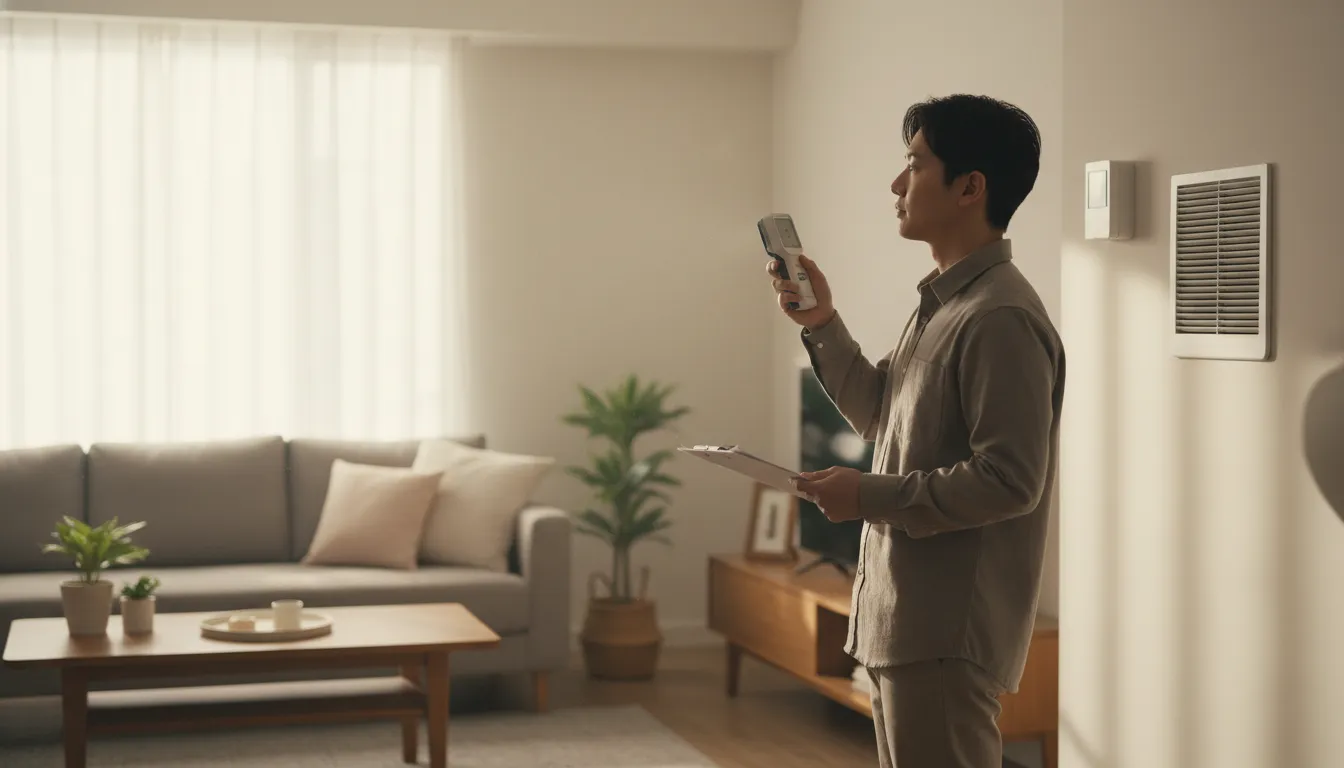
Find the Best Indoor Air Quality Service Providers for Your Business
No obligation • Fast responses • Nationwide coverage

Why you can trust HVAC Firms
HVAC Firms is a leading United States resource for evaluating HVAC service providers. Our team researches companies, checks credentials, and reviews customer feedback to present clear, unbiased information. Listings and rankings are based on merit, and companies cannot pay to change our editorial content.
Search providers near you
Top Indoor Air Quality Service Providers in Vancouver, Washington Ranked
The air you breathe inside your Vancouver home or office has a direct impact on your health, comfort, and productivity. Indoor air quality (IAQ) refers to the condition of the air within and around buildings, particularly as it relates to the health and well-being of occupants. In the Pacific Northwest, this is a critical concern due to our unique environmental challenges, from persistent dampness to seasonal wildfire smoke. This guide is designed to help you understand the specific IAQ risks in Vancouver, recognize signs of poor air, and connect with the right local expertise for testing and solutions. You can use the information here to find qualified professionals who can assess your environment and recommend effective improvements.
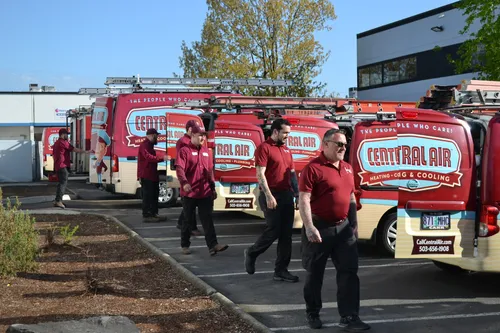
Central Air Heating, Cooling & Plumbing
11640 SW Corby Dr #5, Portland, OR 97225
Central Air Heating, Cooling & Plumbing is a Portland, OR-based company providing heating, cooling, plumbing, and indoor air quality services. Since 2001, they have offered installation, repair, and maintenance for central air conditioners, ductless mini splits, furnaces, and heat pumps. Their services include HVAC tune-ups, air balancing, air purifier installation, and plumbing repairs. The company emphasizes trained technicians and offers a comprehensive HVAC service plan to help maintain system efficiency and reduce breakdowns. They also provide plumbing solutions such as water heater and garbage disposal installation. Central Air Heating, Cooling & Plumbing guarantees repairs lasting at least three years and serves Portland homeowners with a broad range of home comfort needs.
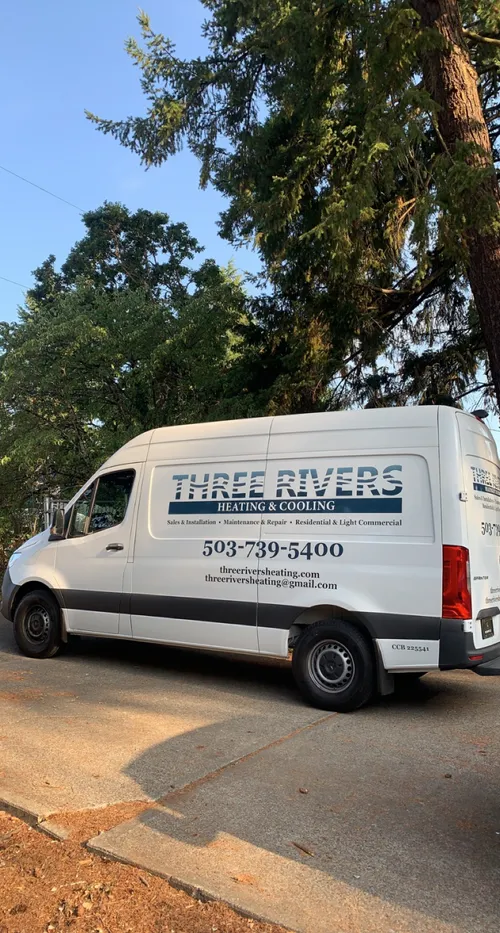
Three Rivers Heating and Cooling
14710 SE Lee Ave, Portland, OR 97267
Three Rivers Heating and Cooling is an HVAC company based in Portland, OR, offering a range of heating and cooling services. They specialize in air conditioning and furnace repair and installation, heat pump and mini split system installation, and indoor air quality services. As an authorized dealer of Lennox, Mitsubishi, and Trane, they provide expert installation and maintenance of these brands' HVAC systems. Their team is knowledgeable in handling these systems to help maintain efficient and comfortable indoor environments.
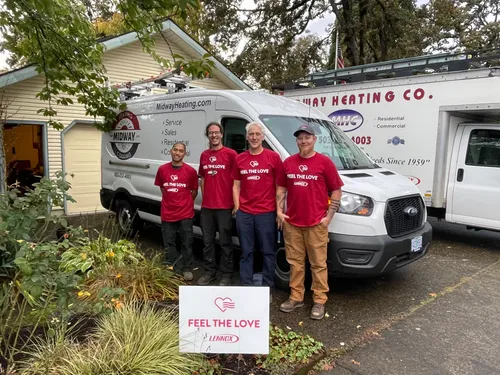
Midway Heating Company
16015 SE 106th Ave, Clackamas, OR 97015
Midway Heating Company is a family-owned HVAC business serving Portland, OR, and the surrounding metro area since 1959. They provide a range of heating and cooling services including furnace and air conditioning repair and installation, mini-split installation, HVAC tune-ups, and indoor air quality solutions such as UV lights, dehumidifiers, and air scrubbers. Midway Heating Company is recognized as a Lennox Premier Dealer and holds an A+ rating from the BBB. Their technicians are available 24/7 to address heating and cooling needs promptly.

Professor Heat Pump Llc
7402 NE 131st Ave, Vancouver, WA 98682
Professor Heat Pump Llc provides HVAC services including air conditioning repair, furnace repair, heat pump repair, HVAC tune-ups, and indoor air quality solutions in Portland, OR. They focus on installation, repair, replacement, and maintenance to keep homes comfortable throughout the year. The company has expertise in restoring air conditioning and heating systems to optimal performance and offers comprehensive air quality services such as air purifiers and ventilation systems. While based near Vancouver, WA, they serve the Portland area with tailored HVAC solutions. Their team is experienced in heat pump maintenance and repair, helping extend system lifespan and improve efficiency.
A-Temp Heating, Cooling, and Electrical
13585 SE Hwy 212, Clackamas, OR 97015
A-Temp Heating, Cooling, and Electrical is a family-owned HVAC company serving Portland, OR, and surrounding counties including Clackamas, Multnomah, and Washington. With over 50 years of experience, they provide a range of services including air conditioning and furnace repair, installation, system tune-ups, and indoor air quality solutions. Their technicians are trained to work with various brands and models, ensuring comprehensive heating and cooling support. The company offers a 10-year parts and labor warranty on new installations and guarantees satisfaction with their work.
Why Vancouver's Climate Demands Attention to Indoor Air
Vancouver's beautiful setting comes with specific air quality challenges. The region's damp climate, characterized by significant rainfall and high humidity for much of the year, creates a persistent moisture issue that promotes mold and mildew growth inside structures. Furthermore, seasonal wildfires have become a recurring threat, blanketing the area in smoke and fine particulates that can seep indoors. Compounding these issues, Vancouver is located in EPA Radon Zone 1, indicating a high potential for dangerous, naturally occurring radon gas to accumulate in homes and buildings. Studies show that indoor air can be 2 to 5 times more polluted than outdoor air, a sobering fact given that people spend 65-90% of their time inside 1 2 3.
Primary Pollutants and Their Sources
Understanding what's in your air is the first step toward cleaning it. In Vancouver, several key pollutants are common:
- Mold and Biological Contaminants: The wet climate is a primary driver. Persistent moisture in basements, crawl spaces, bathrooms, and even within HVAC systems provides the perfect breeding ground for mold, mildew, dust mites, and fungi 4.
- Wildfire Smoke and Particulates (PM2.5): During summer and fall, smoke from regional wildfires becomes a major source of PM2.5-microscopic particles that can penetrate deep into the lungs. In winter, wood-burning stoves and fireplaces contribute similarly 5 6.
- Radon Gas: This colorless, odorless radioactive gas seeps from the soil into buildings. With Vancouver in a high-risk zone, testing is not just recommended; it's essential for long-term health.
- Volatile Organic Compounds (VOCs): These are emitted as gases from common household products, including paints, varnishes, cleaning supplies, air fresheners, and even new furniture or carpeting. Certain areas, like Fruit Valley, may also have historical groundwater contamination contributing to solvent vapors 7.
- Carbon Dioxide (CO2) and Carbon Monoxide (CO): CO2 builds up from occupant breathing in poorly ventilated spaces, leading to drowsiness and reduced cognitive function. CO, a deadly gas, can come from malfunctioning fuel-burning appliances 8.
Recognizing the Signs of Poor Indoor Air Quality
You might not see the pollutants, but your home and body can send clear signals. Physical symptoms often include persistent allergies, headaches, fatigue, dizziness, sinus congestion, and eye or throat irritation that seem to improve when you leave the building. In office settings, these symptoms can lead to "sick building syndrome," affecting employee health and productivity 9.
Environmental clues are equally telling. Musty odors, especially in basements or when the HVAC system kicks on, strongly suggest mold growth. Excessive condensation on windows, peeling paint, or warped wood indicates high humidity levels. Noticeable dust accumulation shortly after cleaning can point to inadequate filtration or excessive airborne particulates.
Find the perfect indoor air quality service providers for your needs
Get personalized recommendations and expert advice
Professional Assessment: Testing Your Indoor Air
For a definitive understanding of your air quality, a professional assessment is invaluable. Local experts use specialized equipment to measure pollutant levels you can't detect yourself.
Comprehensive IAQ Testing: A full assessment typically involves 24-hour monitoring to measure levels of particulates (PM2.5), humidity, carbon dioxide, carbon monoxide, and VOCs. This provides a complete snapshot of your indoor environment and typically costs between $295 and $600+ 10.
Targeted Inspections: If you suspect a specific issue, targeted tests are available:
- Mold and Moisture Inspection: Professionals will look for visible mold and use moisture meters and thermal imaging to find hidden dampness, especially within HVAC systems. Costs generally range from $250 to $500 11.
- Radon Testing: Both short-term (2-7 days) and long-term (90+ days) test kits are used. Given Vancouver's risk, long-term testing is often recommended for the most accurate average level. Professional radon testing costs between $125 and $220 12.
- Asbestos Testing: Important in older homes before renovations, this testing can cost between $300 and $800.
DIY Monitoring: For ongoing awareness, many homeowners use residential smart air quality monitors. These devices track VOCs, CO2, PM2.5, and humidity in real-time, providing valuable data between professional tests.
Solutions and Improvements for Vancouver Homes
Once testing identifies the issues, a range of solutions can create a healthier indoor environment. The average cost for professional indoor air quality testing in Vancouver is around $400 to $437, but investing in solutions yields long-term benefits 13 14.
Key Strategies for Cleaner Air
-
Control Humidity: The single most important step for mold prevention is maintaining indoor relative humidity between 35% and 50% 15 16. This can be achieved through:
- Properly sized and functioning dehumidifiers, particularly for basements and crawl spaces.
- Ensuring your HVAC system is correctly maintained and sized to manage latent heat (moisture removal).
- Using exhaust fans in bathrooms and kitchens.
-
Enhance Ventilation: Diluting indoor pollutants with fresh air is crucial. This includes:
- Using kitchen and bath exhaust fans that vent to the outside.
- Opening windows when outdoor air quality is good (check local AQI reports).
- Considering the installation of an Energy Recovery Ventilator (ERV) or Heat Recovery Ventilator (HRV) to bring in fresh, filtered air without losing significant heating or cooling energy.
- Upgrade Filtration: Your HVAC system's filter is your first line of defense.
- Upgrade to a medium or high-efficiency pleated filter (MERV 13 or higher) to capture fine particulates like wildfire smoke and allergens 17.
- Ensure filters are changed regularly, as a dirty filter can become a source of pollution and strain your system.
- For portable solutions, standalone HEPA air purifiers ($100-$500+) are highly effective for single rooms, especially during smoke events 18.
-
Practice Source Control: Reduce the pollutants you bring inside.
- Choose low-VOC or VOC-free paints, cleaning products, and building materials.
- Minimize the use of aerosol sprays, scented candles, and plug-in air fresheners.
- Remove shoes at the door to prevent tracking in pesticides, pollen, and dirt.
-
Address Radon: If testing reveals radon levels at or above the EPA action level of 4.0 pCi/L, a radon mitigation system should be installed. These systems typically use a vent pipe and fan to draw radon from beneath the house and vent it safely above the roofline.
Maintaining Your System for Long-Term Air Health
Clean air requires ongoing attention. Schedule annual maintenance for your HVAC system to ensure it operates efficiently and doesn't become a source of mold or dust. Change your HVAC filters every 1-3 months, or more frequently during high-use or high-pollution periods. Keep humidity monitors in key areas and act quickly if levels creep above 50%. Finally, re-test your air quality every few years, or after any major home renovation, to ensure your solutions remain effective.
Frequently asked questions
Sources
Footnotes
-
Indoor Air Quality - Northwest Clean Air Agency - https://nwcleanairwa.gov/resources/indoor-air-quality/ ↩
-
Indoor Air Quality - https://doh.wa.gov/community-and-environment/air-quality/indoor-air ↩
-
Indoor Air Quality Testing in OR and WA - Atlas Labs - https://www.atlaslabsinc.com/air-quality-testing/ ↩
-
Focus on Indoor Air - Washington State Department of Ecology - https://apps.ecology.wa.gov/publications/documents/0309035.pdf ↩
-
Washington Air Quality Index (AQI) and USA Air Pollution - IQAir - https://www.iqair.com/us/usa/washington ↩
-
Using low-cost air quality sensors to estimate wildfire smoke infiltration into childcare facilities in British Columbia, Canada - https://iopscience.iop.org/article/10.1088/2752-5309/ad1fd6 ↩
-
Vancouver residents suffer disproportionate health problems ... - https://www.youtube.com/watch?v=IndSu-pACrc&t=39 ↩
-
Indoor Air Quality - Frequently Asked Questions - OSHA - https://www.osha.gov/indoor-air-quality/faqs ↩
-
Do You Suspect Your Office Has an Indoor Air Problem? | US EPA - https://www.epa.gov/indoor-air-quality-iaq/do-you-suspect-your-office-has-indoor-air-problem ↩
-
Professional Air Quality Testing Services in Seattle - AirGanic - https://www.airganic.com/residential/air-quality-testing/ ↩
-
Home & Residential Air Quality Testing & Inspection - https://hawkenvironmental.com/testing-and-inspection/home-air-quality/ ↩
-
Radon Mitigation in Vancouver - SWAT Environmental - https://swat-radon.com/radon-mitigation/washington/vancouver/ ↩
-
How Much Does Indoor Air Quality Testing Cost? [2026 Data] | Angi - https://www.angi.com/articles/how-much-does-indoor-air-quality-testing-cost.htm ↩
-
How Much Does Professional Home Indoor Air Quality Testing Cost? - https://www.airpf.com/how-much-does-a-home-indoor-air-quality-testing-cost/ ↩
-
Unexpected AC Issues in Vancouver Homes - Comfort 360 - https://www.comfortairnow.com/unexpected-ac-issues-in-vancouver-homes/ ↩
-
Indoor Air Quality Alert: Pacific Northwest U.S. Flooding - IQAir - https://www.iqair.com/us/newsroom/indoor-air-quality-alert-pacific-northwest-u-s-flooding ↩
-
Air Quality - Washington State Department of Health - https://doh.wa.gov/community-and-environment/air-quality ↩
-
How Much Does Indoor Air Quality Testing Cost? [2025 Data] - https://www.homeadvisor.com/cost/environmental-safety/test-indoor-air-quality/ ↩