Find the Best Indoor Air Quality Service Providers for Your Business
No obligation • Fast responses • Nationwide coverage

Why you can trust HVAC Firms
HVAC Firms is a leading United States resource for evaluating HVAC service providers. Our team researches companies, checks credentials, and reviews customer feedback to present clear, unbiased information. Listings and rankings are based on merit, and companies cannot pay to change our editorial content.
Search providers near you
Best Indoor Air Quality Service Providers in Washington Ranked
Maintaining healthy indoor air is a critical aspect of home and building management in Washington State. The air inside our homes and workplaces can contain pollutants like radon, mold, carbon monoxide, and volatile organic compounds (VOCs) at higher concentrations than outdoor air, impacting comfort, health, and safety. This guide provides Washington residents with clear, actionable information on common indoor air pollutants, state-specific building code requirements, and practical steps for assessment and improvement, helping you create a healthier living environment.
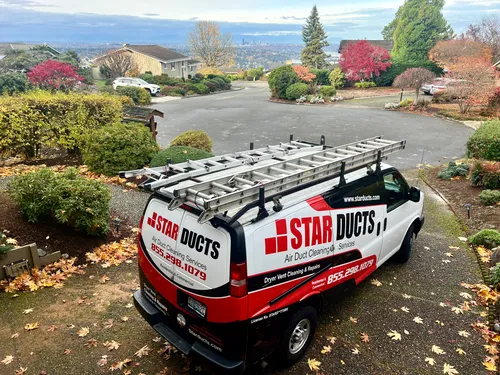
StarDucts
10015 Lake City Way NE Suite 101, Seattle, WA 98125
StarDucts is a duct cleaning company based in Seattle, WA, specializing in indoor air quality services. They use EnviroCon, an EPA-registered microbial control product, to treat air ducts and eliminate odors caused by mold, mildew, and bacteria. This treatment is safe for use in occupied spaces and does not contain harmful propellants or flammable ingredients. StarDucts focuses on thorough cleaning before applying microbial control to ensure effective odor elimination and improved air quality.
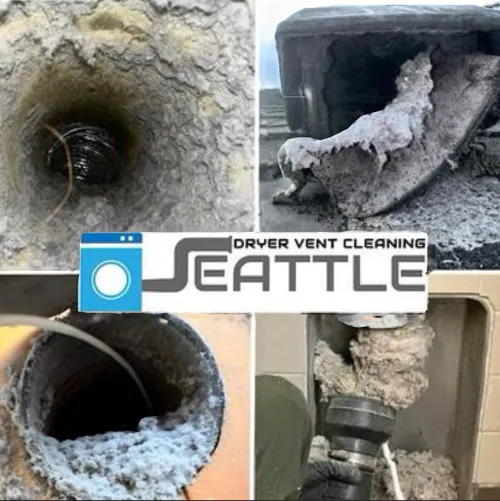
Seattle Dryer Vent Cleaning
3217 S Orcas St, Seattle, WA 98118
Seattle Dryer Vent Cleaning is a local company based in Seattle, WA, specializing in dryer vent cleaning, air duct cleaning, and exhaust fan cleaning. They focus on reducing the risk of dryer fires, improving indoor air quality, and enhancing energy efficiency for homes and businesses. Their services include complete vent system cleaning using high-pressure compressed air tools and advanced air agitation equipment to remove lint, dust, debris, and mold buildup. The company serves Seattle and surrounding areas, including King and Snohomish counties, with a commitment to safety and compliance with industry standards. Seattle Dryer Vent Cleaning is licensed and bonded, emphasizing fire prevention and home protection through professional maintenance.
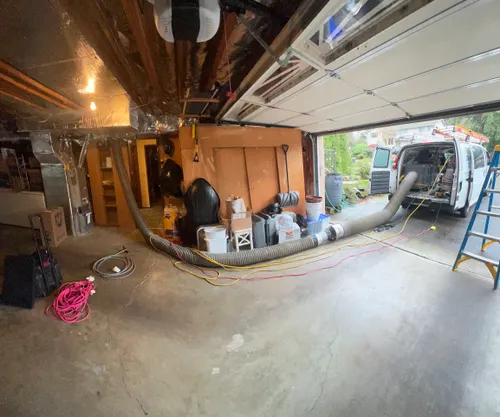
WA Duct Cleaners
17520 Linden Ave N #B304, Shoreline, WA 98133
WA Duct Cleaners is a duct cleaning company based in Seattle, WA. They provide indoor air quality services focused on improving air cleanliness and energy efficiency in homes. Their work helps create a healthier living environment by removing contaminants from air ducts.
A Nu-Look Carpet Cleaning & Restoration
4974 N Bldg Center Dr, Coeur d'Alene, ID 83815
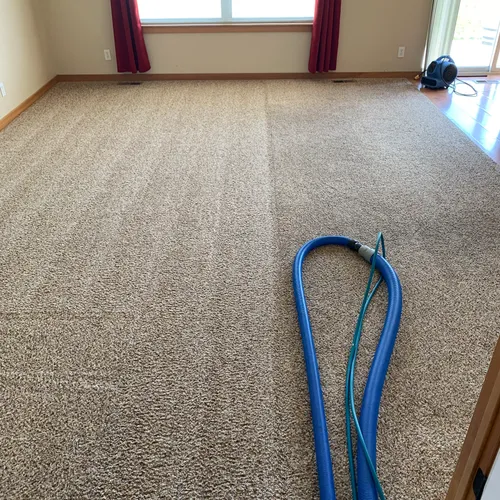
A Nu-Look Carpet Cleaning & Restoration offers a wide range of services in Spokane, WA, including carpet cleaning, HVAC and dryer duct cleaning, mold testing and remediation, water damage restoration, and home remodeling. Their indoor air quality division provides testing and air purification solutions for homes, offices, and vehicles. The company also specializes in emergency smoke and fire damage cleanup with 24/7 availability. They use advanced cleaning processes that remove bacteria, pollen, fungus, and other allergens from carpets and air ducts, improving indoor air quality and supporting allergy sufferers. Additionally, they provide full-service water damage restoration and mold remediation to restore properties to safe conditions. The company serves residential and commercial clients with expertise in kitchen and bathroom renovations, basement finishing, custom decks, and new builds. A Nu-Look emphasizes thorough care for delicate fabrics and offers pick-up and delivery options. Their restoration services include water removal, demolition, drying, and rebuilding. The business is known in the North Idaho region and Spokane area for its comprehensive approach to cleaning, restoration, and remodeling.
Dryer Ducks
13122 E Wick Ave, Spokane Valley, WA 99216
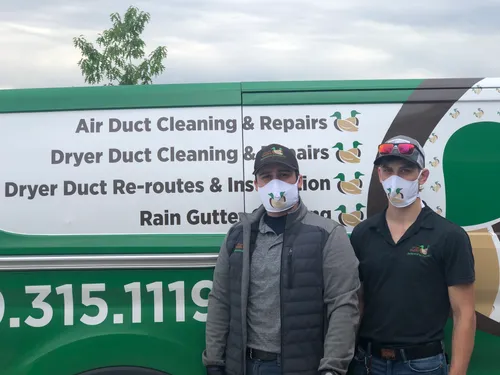
Dryer Ducks is a duct cleaning company based in Spokane, WA, specializing in dryer vent and air duct cleaning for homes and businesses. They serve customers across Eastern Washington and Northern Idaho, focusing on improving indoor air quality and reducing risks associated with clogged dryer vents. Their team is experienced in handling various blockages, including removing bird nests from vents, and they provide thorough cleaning with clear communication throughout the process.
Common Indoor Air Pollutants in Washington
Understanding the sources of indoor air pollution is the first step toward managing it. Washington homes face a mix of region-specific and common pollutants.
- Radon: This naturally occurring, radioactive gas seeps from the soil and is the leading cause of lung cancer among non-smokers. Certain areas of Washington have a higher potential for radon accumulation in buildings.
- Mold and Moisture: Washington's damp climate, especially west of the Cascades, creates ideal conditions for mold growth. Excess moisture from leaks, flooding, or high humidity can lead to mold, which releases spores and compounds that can trigger allergies and asthma.
- Carbon Monoxide (CO): A colorless, odorless gas produced by incomplete combustion in fuel-burning appliances like furnaces, water heaters, fireplaces, and stoves. Proper venting and maintenance are essential to prevent dangerous buildup.
- Volatile Organic Compounds (VOCs): These are gases emitted from a wide array of household products, including paints, varnishes, cleaning supplies, adhesives, and even some furnishings and building materials. They can cause short- and long-term health effects.
- Particulate Matter: This includes dust, pollen, pet dander, and smoke particles from wildfires, cooking, or tobacco. Fine particles can penetrate deep into the lungs and are a significant concern, especially during Washington's increasingly frequent wildfire seasons 1.
Washington's Building Codes and Ventilation Standards
Washington State has adopted building codes that specifically address indoor air quality, recognizing that modern, energy-efficient homes are built tighter, which can trap pollutants inside.
The Washington State Ventilation and Indoor Air Quality Code (based on the International Residential Code with state amendments) mandates mechanical ventilation in new homes and major renovations. The goal is to ensure a consistent supply of fresh outdoor air to dilute and remove indoor pollutants.
A common requirement is for ventilation systems to provide a minimum continuous airflow, such as 15 cubic feet per minute (CFM) per bedroom, plus an additional 15 CFM for the house. Other methods may involve achieving a specific air change rate per hour (ACH). These standards are designed to protect occupant health without excessively compromising energy efficiency 2.
Assessing Your Indoor Air: Inspections and Testing
If you suspect an issue or want a baseline assessment, professional indoor air quality testing can identify specific pollutants and their concentrations.
- What's Involved: An inspection may include visual assessment for moisture and mold, testing for radon, measuring carbon monoxide and VOC levels, evaluating ventilation system performance, and checking for combustion appliance safety.
- Typical Costs: In Washington, a standard indoor air quality inspection for a single-family home typically ranges from $300 to $500. More comprehensive testing that includes specialized analysis for mold spores or radon, or inspections of larger homes, can cost $1,000 or more3.
Find the perfect indoor air quality service providers for your needs
Get personalized recommendations and expert advice
Strategies for Improving Indoor Air Quality
Improving your home's air involves a three-pronged approach: source control, ventilation, and filtration.
1. Source Control
The most effective way to improve air quality is to prevent pollutants from entering the air in the first place.
- Manage Moisture: Use exhaust fans in bathrooms and kitchens, fix leaks promptly, and use a dehumidifier if needed to keep indoor humidity between 30-50% to inhibit mold growth.
- Choose Low-VOC Products: Select paints, cleaners, adhesives, and furnishings labeled as low-VOC or no-VOC.
- Maintain Combustion Appliances: Have furnaces, water heaters, and chimneys inspected and serviced annually by a qualified professional to prevent CO leaks 4.
- Test for Radon: Purchase a low-cost radon test kit or hire a professional. If levels are at or above 4 pCi/L, a radon mitigation system (typically costing $1,000 to $3,000+ to install) is recommended 5.
2. Ventilation
Bringing in fresh outdoor air is crucial, especially in a tight home.
- Use Exhaust Fans: Always run bathroom and kitchen fans while showering or cooking and for 20 minutes afterward to remove moisture and pollutants at the source.
- Open Windows: When weather and outdoor air quality permit, cross-ventilate by opening windows.
- Upgrade to Mechanical Ventilation: For continuous fresh air, consider installing an Energy Recovery Ventilator (ERV) or Heat Recovery Ventilator (HRV). These systems exchange stale indoor air with fresh outdoor air while transferring heat (and in the case of ERVs, moisture) between the airstreams to save energy. Installed costs can range widely from $2,000 to $7,000 or more, depending on the home's complexity 6.
3. Air Cleaning and Filtration
Filtration can remove particles and some gases from the air that is circulated.
- Upgrade HVAC Filters: Use the highest-rated filter your furnace or air handler can accommodate. A MERV 13 or higher filter is effective at capturing fine particles like those from wildfire smoke and viruses. Filter costs range from $20 to $100+ each.
- Use Portable Air Purifiers: For room-specific cleaning, especially bedrooms or home offices, a portable air cleaner with a True HEPA filter can be very effective. Choose a model sized for the room, with costs typically between $100 and $500+7.
Special Considerations for Washington Residents
- Wildfire Smoke: During smoke events, keep windows and doors closed, run HVAC systems with high-efficiency filters (MERV 13 or higher) on recirculate mode, and use portable HEPA air purifiers. Create a "clean room" in your home.
- School and Workplace IAQ: The Washington Department of Health provides comprehensive guidance, including the School Indoor Air Quality Best Management Practices Manual, highlighting the importance of proper ventilation, moisture control, and management practices in public buildings 8.
- New Construction and Remodels: Work with your builder or contractor to ensure compliance with Washington's ventilation codes and to select low-emission materials, ensuring good indoor air quality from the start.
By focusing on these key areas-understanding pollutants, ensuring proper ventilation, and taking targeted improvement steps-Washington residents can significantly enhance their indoor air quality, leading to a healthier and more comfortable home environment.
Frequently asked questions
Sources
Footnotes
-
Indoor Air Quality - NM-Tracking - https://nmtracking.doh.nm.gov/environment/air/IndoorQuality.html ↩
-
Indoor Air Quality (IAQ) for Building Environments - Intertek - https://www.intertek.com/building/indoor-air-quality/ ↩
-
How Much Does Indoor Air Quality Testing Cost? [2026 Data] | Angi - https://www.angi.com/articles/how-much-does-indoor-air-quality-testing-cost.htm ↩
-
Indoor Air Pollutants | Smarter House - https://smarterhouse.org/ventilation-and-air-distribution/indoor-air-pollutants ↩
-
Indoor Air Quality - https://doh.wa.gov/community-and-environment/air-quality/indoor-air ↩
-
Washington State Residential Ventilation and Indoor Air Quality ... - https://www.aceee.org/files/proceedings/2002/data/papers/SS02_Panel1_Paper10.pdf ↩
-
Indoor air pollution: What causes it and how to tackle it - https://www.weforum.org/stories/2024/11/what-causes-indoor-air-pollution-sources-how-to-reduce/ ↩
-
School Indoor Air Quality Best Management Practices Manual - https://www.doh.wa.gov/portals/1/Documents/Pubs/333-044.pdf ↩