Find the Best Indoor Air Quality Service Providers for Your Business
No obligation • Fast responses • Nationwide coverage

Why you can trust HVAC Firms
HVAC Firms is a leading United States resource for evaluating HVAC service providers. Our team researches companies, checks credentials, and reviews customer feedback to present clear, unbiased information. Listings and rankings are based on merit, and companies cannot pay to change our editorial content.
Search providers near you
Top Indoor Air Quality Service Providers in Seattle, Washington Ranked
For Seattle residents, the air inside your home or office is a critical component of your health and comfort. Indoor air quality (IAQ) refers to the condition of the air within and around buildings, particularly as it relates to the health and well-being of occupants. In our city, unique environmental factors like wildfire smoke and persistent dampness make managing IAQ especially important. This guide will help you understand the common pollutants in Seattle, how to assess your indoor environment, and the practical steps you can take to find local specialists who can help you breathe easier.
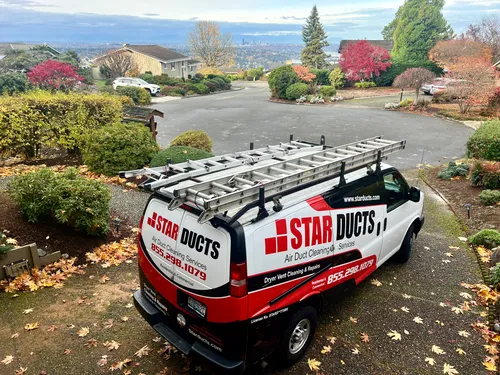
StarDucts
10015 Lake City Way NE Suite 101, Seattle, WA 98125
StarDucts is a duct cleaning company based in Seattle, WA, specializing in indoor air quality services. They use EnviroCon, an EPA-registered microbial control product, to treat air ducts and eliminate odors caused by mold, mildew, and bacteria. This treatment is safe for use in occupied spaces and does not contain harmful propellants or flammable ingredients. StarDucts focuses on thorough cleaning before applying microbial control to ensure effective odor elimination and improved air quality.
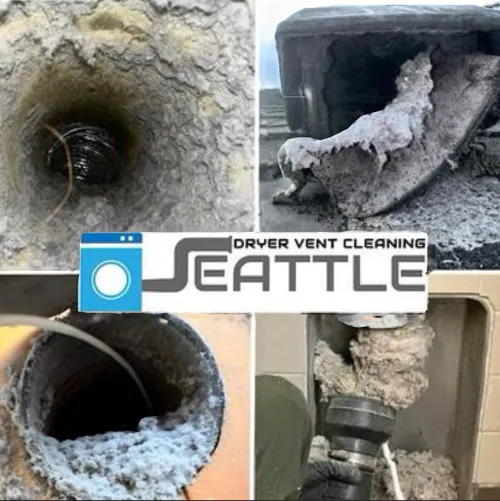
Seattle Dryer Vent Cleaning
3217 S Orcas St, Seattle, WA 98118
Seattle Dryer Vent Cleaning is a local company based in Seattle, WA, specializing in dryer vent cleaning, air duct cleaning, and exhaust fan cleaning. They focus on reducing the risk of dryer fires, improving indoor air quality, and enhancing energy efficiency for homes and businesses. Their services include complete vent system cleaning using high-pressure compressed air tools and advanced air agitation equipment to remove lint, dust, debris, and mold buildup. The company serves Seattle and surrounding areas, including King and Snohomish counties, with a commitment to safety and compliance with industry standards. Seattle Dryer Vent Cleaning is licensed and bonded, emphasizing fire prevention and home protection through professional maintenance.
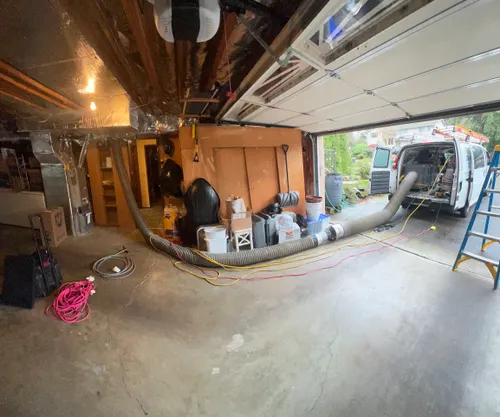
WA Duct Cleaners
17520 Linden Ave N #B304, Shoreline, WA 98133
WA Duct Cleaners is a duct cleaning company based in Seattle, WA. They provide indoor air quality services focused on improving air cleanliness and energy efficiency in homes. Their work helps create a healthier living environment by removing contaminants from air ducts.
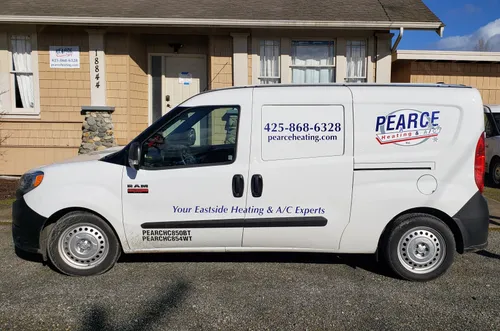
Pearce Heating & A/C
18844 NE 84th St, Redmond, WA 98053
Pearce Heating & A/C is a comprehensive HVAC and electrical service provider based in Seattle, WA. They serve the Eastside and King County areas, including Redmond, Bellevue, and Kirkland. Their services include installation, repair, and maintenance of heating, air conditioning, and heat pump systems, along with indoor air quality solutions such as air purifiers and humidifiers. Pearce Heating & A/C also offers professional electrical services including panel upgrades and rewiring. With decades of experience, their technicians are certified to work with all major HVAC brands and models. The company emphasizes personalized service by assigning consistent technicians and maintaining direct owner involvement to ensure quality and customer satisfaction.
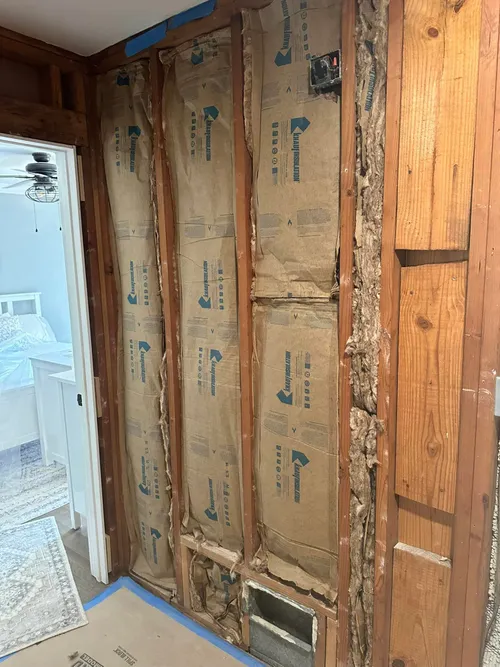
Energy Saver Solutions Inc - HVAC & Insulation W Seattle
4402 40th Ave SW, Seattle, WA 98116
Energy Saver Solutions Inc - HVAC & Insulation W Seattle provides a range of HVAC services in Seattle, WA. They specialize in air conditioning repair, HVAC installation, boiler and mini split installation, as well as indoor air quality services. The company offers expert attic and crawl space insulation to improve energy efficiency and comfort. With over 30 years of industry experience, Energy Saver Solutions also performs carbon monoxide checks to ensure safety. They provide 24/7 emergency service and are available year-round to support heating and cooling needs in all weather conditions.
Why Seattle's Indoor Air Poses Unique Challenges
Seattle's beautiful natural setting comes with specific air quality hurdles that can significantly impact your indoor environment. The combination of our climate and geography creates a perfect storm for certain pollutants to accumulate inside our tightly sealed homes and buildings.
Wildfire Smoke and Particulate Matter: During summer and early fall, smoke from regional wildfires can blanket the city, introducing high levels of fine particulate matter (PM2.5) indoors. These microscopic particles can penetrate deep into the lungs and even enter the bloodstream, posing risks for respiratory and cardiovascular issues, especially for children, the elderly, and those with pre-existing conditions.
Mold and Moisture: Our famously wet winters and high humidity levels create ideal conditions for mold growth. Damp basements, condensation around windows, and unseen leaks behind walls can lead to mold colonies, which release spores and microbial volatile organic compounds (mVOCs) that can trigger allergies, asthma attacks, and other health problems.
Chemical Pollutants (VOCs): Volatile Organic Compounds are gases emitted from a wide array of common household products. In Seattle homes, sources can include cleaning supplies, paints, varnishes, new furniture, carpets, and even air fresheners. These chemicals can cause short-term effects like headaches and dizziness, and some are linked to long-term health concerns.
Inadequate Ventilation: In an effort to improve energy efficiency, modern buildings are often sealed tightly. Without proper mechanical ventilation, pollutants from all the sources mentioned above-smoke particles, mold spores, VOCs-become trapped and concentrated indoors. Stagnant air also allows carbon dioxide (CO2) levels to build up, which can cause drowsiness and poor concentration, and is a key indicator that fresh air exchange is insufficient.
Common Indoor Air Pollutants in Seattle Homes
Understanding the specific contaminants is the first step toward cleaner air. Here's a breakdown of the primary offenders you might encounter.
- Particulate Matter (PM2.5): As mentioned, this is a major concern from wildfire smoke but also comes from cooking, burning candles, and dust. It is a primary driver of poor air quality alerts in the region 1.
- Mold and Mildew: These fungi thrive in areas with moisture intrusion or chronic high humidity (above 60%). Common problem spots include bathrooms, kitchens, basements, and around leaky windows 2.
- Volatile Organic Compounds (VOCs): Emitted as gases from products like formaldehyde-based plywood, certain insulation materials, paints, solvents, and aerosol sprays 3.
- Carbon Monoxide (CO): A deadly, odorless gas produced by malfunctioning fuel-burning appliances like furnaces, water heaters, and stoves. Proper appliance maintenance and CO detectors are non-negotiable for safety.
- Carbon Dioxide (CO2): While not toxic at typical levels, high CO2 concentrations (above 1,000 ppm) are a direct sign of inadequate ventilation and can cause stuffiness, fatigue, and reduced cognitive function 4.
- Radon: A radioactive gas that can seep from the ground into basements and crawl spaces. Radon is the second leading cause of lung cancer and testing is recommended for all homes in Washington state.
How to Test Your Indoor Air Quality in Seattle
You can't manage what you don't measure. Assessing your IAQ involves a combination of observation, DIY tools, and professional expertise.
Start with Your Senses and a Visual Inspection: Look for visible signs of mold growth, water stains on ceilings or walls, and condensation on windows. Pay attention to persistent musty or chemical odors, as well as any correlation between how you feel (e.g., headaches, congestion) and being in a specific room or building.
Utilize DIY Air Quality Monitors: Affordable consumer-grade sensors have become powerful tools for continuous monitoring. Devices like those from Airthings can track levels of PM2.5, CO2, VOCs, radon, humidity, and temperature in real-time, providing valuable data on patterns and problem areas 5. This is an excellent first step to identify issues before investing in professional services.
Hire a Professional IAQ Assessment: For a comprehensive analysis, especially if health symptoms are present or you suspect mold, a professional inspection is recommended. Local specialists, such as Green Home Solutions or Hawk Environmental, conduct detailed testing 6 7. A professional assessment might include:
- Air and surface sampling for mold spores.
- Testing for specific VOCs or formaldehyde.
- Evaluating ventilation system performance and airflow.
- Conducting a blower door test to assess home airtightness and locate leaks.
- Radon testing over a longer period for accurate results.
Find the perfect indoor air quality service providers for your needs
Get personalized recommendations and expert advice
Effective Solutions for Cleaner Indoor Air
Once you've identified the issues, a range of solutions exists, from simple behavioral changes to significant system upgrades.
Source Control: The most effective strategy is to prevent pollutants from entering the air in the first place.
- Choose low-VOC or VOC-free paints, finishes, and cleaning products.
- Ensure fuel-burning appliances are properly vented and serviced annually.
- Fix water leaks promptly and dry wet areas within 24-48 hours to prevent mold.
- Remove mold growth following EPA guidelines or hire a certified remediator for large infestations.
Ventilation Improvements: Diluting indoor pollutants with fresh air is crucial.
- Use exhaust fans in bathrooms and kitchens, venting them to the outside.
- Open windows when outdoor air quality is good (check Puget Sound Clean Air Agency forecasts).
- Consider upgrading your HVAC system to include an Energy Recovery Ventilator (ERV) or Heat Recovery Ventilator (HRV). These systems efficiently bring in fresh, filtered outdoor air while exhausting stale indoor air, maintaining energy efficiency and comfort 8.
Air Cleaning and Filtration: When source control and ventilation aren't enough, filtration can capture remaining pollutants.
- Upgrade HVAC Filters: Use the highest MERV-rated filter your furnace or air handler can accommodate (typically MERV 13 is recommended for capturing fine particles like PM2.5) 9.
- Portable Air Purifiers: Standalone HEPA air purifiers are highly effective for single rooms. Look for units with a true HEPA filter for particles and, if VOC removal is needed, a substantial activated carbon filter 10.
- In-Duct Air Cleaners: For whole-home solutions, devices like UV-C lights (to inhibit microbial growth in ducts) or electronic air cleaners can be installed within your existing HVAC system by a qualified technician.
Moisture Control: Managing humidity is key to preventing mold.
- Use dehumidifiers in damp basements or other areas to keep relative humidity between 30-50% 11.
- Ensure your clothes dryer is vented directly outside.
- Improve drainage around your home's foundation to prevent basement seepage.
Maintaining Healthy Indoor Air Long-Term
Good IAQ is an ongoing process, not a one-time fix. Establish regular habits to protect your environment:
- Change your HVAC system filters regularly, as recommended by the manufacturer.
- Vacuum frequently using a vacuum with a HEPA filter.
- Schedule annual maintenance for your heating and cooling system to ensure it operates efficiently and safely.
- Continue to monitor key parameters like humidity and PM2.5, especially during wildfire season.
By taking a proactive approach-understanding the risks, assessing your space, and implementing the right combination of solutions-you can significantly improve the air you breathe every day in Seattle.
Frequently asked questions
Sources
Footnotes
-
2020 Washington State Ambient Air Monitoring Network Assessment - https://apps.ecology.wa.gov/publications/documents/2002016.pdf ↩
-
Indoor air quality - King County, Washington - https://kingcounty.gov/en/dept/dph/health-safety/environmental-health/healthy-water-air-soil/indoor-air-quality-mold ↩
-
Indoor Air Quality | UW Environmental Health & Safety - https://www.ehs.washington.edu/environmental/indoor-air-quality ↩
-
indoor air quality study - https://des.wa.gov/sites/default/files/2022-06/1992-92-268StateLibraryIndoorAirQualityStudyoAbacus.pdf ↩
-
How to test indoor air quality in your home - Airthings - https://www.airthings.com/resources/how-to-test-air-quality-in-your-home ↩
-
Indoor Air Quality Testing | Green Home Solutions of Seattle, WA - https://www.greenhomesolutions.com/seattle-wa/our-services/air-quality-testing/ ↩
-
Home & Residential Air Quality Testing & Inspection - https://hawkenvironmental.com/testing-and-inspection/home-air-quality/ ↩
-
Indoor Air Quality Improvement | Seattle - PSR Mechanical - https://www.psrmechanical.com/our-services/indoor-air-quality ↩
-
Indoor Air Quality - Northwest Clean Air Agency - https://nwcleanairwa.gov/resources/indoor-air-quality/ ↩
-
Air Quality Services in Seattle, WA - Green Home Solutions - https://www.greenhomesolutions.com/seattle-wa/ ↩
-
Indoor Air Quality (IAQ) | Air Purification | Seattle, WA - https://ballardnaturalgas.com/residential/indoor-air-quality/ ↩