Find the Best Indoor Air Quality Service Providers for Your Business
No obligation • Fast responses • Nationwide coverage

Why you can trust HVAC Firms
HVAC Firms is a leading United States resource for evaluating HVAC service providers. Our team researches companies, checks credentials, and reviews customer feedback to present clear, unbiased information. Listings and rankings are based on merit, and companies cannot pay to change our editorial content.
Search providers near you
Top Indoor Air Quality Service Providers in Marysville, Washington Ranked
Breathing clean, healthy air inside your home or business is essential for comfort and well-being. Indoor air quality (IAQ) refers to the condition of the air within and around buildings, particularly as it relates to the health and comfort of occupants. In Marysville, local environmental factors make managing your indoor environment a unique concern. This guide explains the common pollutants in our area, how to identify them, and the solutions available from local specialists to help you create a safer, more breathable space.
StarDucts
10015 Lake City Way NE Suite 101, Seattle, WA 98125
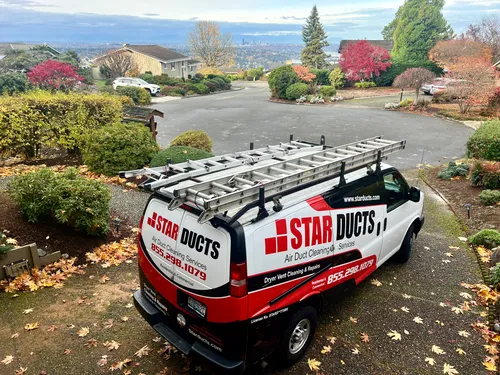
StarDucts is a duct cleaning company based in Seattle, WA, specializing in indoor air quality services. They use EnviroCon, an EPA-registered microbial control product, to treat air ducts and eliminate odors caused by mold, mildew, and bacteria. This treatment is safe for use in occupied spaces and does not contain harmful propellants or flammable ingredients. StarDucts focuses on thorough cleaning before applying microbial control to ensure effective odor elimination and improved air quality.
WA Duct Cleaners
17520 Linden Ave N #B304, Shoreline, WA 98133
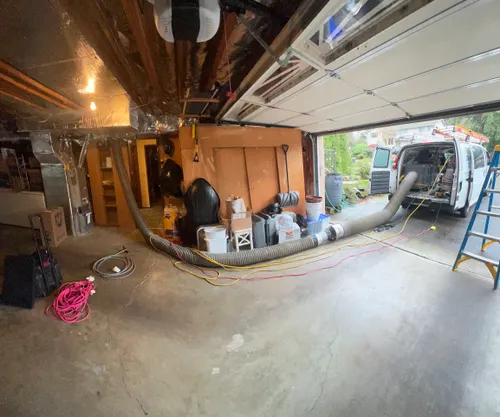
WA Duct Cleaners is a duct cleaning company based in Seattle, WA. They provide indoor air quality services focused on improving air cleanliness and energy efficiency in homes. Their work helps create a healthier living environment by removing contaminants from air ducts.
Pearce Heating & A/C
18844 NE 84th St, Redmond, WA 98053
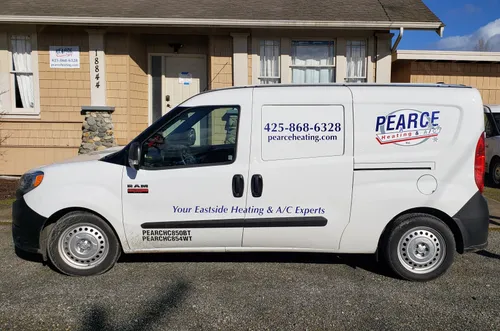
Pearce Heating & A/C is a comprehensive HVAC and electrical service provider based in Seattle, WA. They serve the Eastside and King County areas, including Redmond, Bellevue, and Kirkland. Their services include installation, repair, and maintenance of heating, air conditioning, and heat pump systems, along with indoor air quality solutions such as air purifiers and humidifiers. Pearce Heating & A/C also offers professional electrical services including panel upgrades and rewiring. With decades of experience, their technicians are certified to work with all major HVAC brands and models. The company emphasizes personalized service by assigning consistent technicians and maintaining direct owner involvement to ensure quality and customer satisfaction.
Energy Saver Solutions Inc - HVAC & Insulation Redmond WA
6917 132nd Pl NE, Redmond, WA 98052
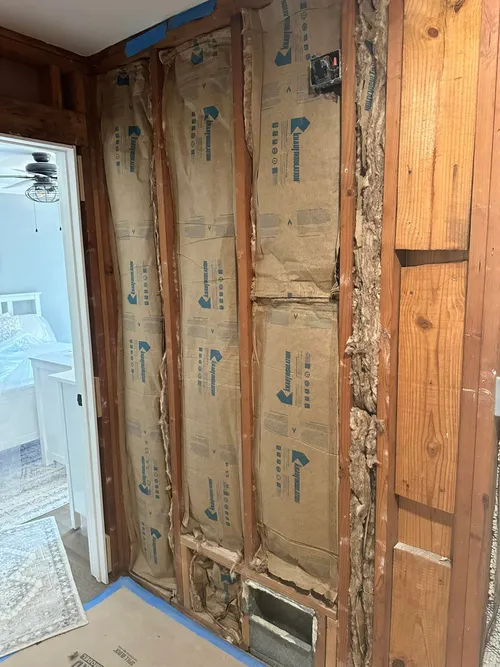
Energy Saver Solutions Inc - HVAC & Insulation Redmond WA provides a range of HVAC services in Seattle, WA, including air conditioning repair, boiler and mini split installation, indoor air quality services, and insulation solutions for attics and crawl spaces. The company specializes in energy-saving strategies and offers carbon monoxide checks to ensure safety. With over 30 years of industry experience, they serve both residential and commercial clients. Their technicians are available 24/7, including holidays, to address urgent heating and cooling needs.
Alpine Specialty Services
6601 220th St SW, Mountlake Terrace, WA 98043
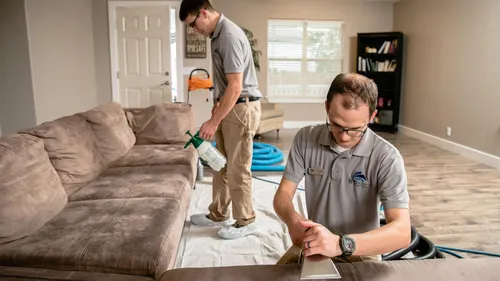
Alpine Specialty Services is a duct cleaning and indoor air quality company serving Seattle, WA. Established in 1969, it provides cleaning solutions using advanced Super Carpet & Air Duct Cleaning Trucks designed to remove dirt, allergens, and pollutants from homes. The company is certified by IICRC and NADCA and focuses on meeting the specific needs of Seattle and the Puget Sound region.
Why Indoor Air Quality Matters in Marysville
The air you breathe indoors can be more polluted than the outdoor air, even in a city like Marysville surrounded by natural beauty. We spend up to 90% of our time indoors, making the quality of that air a direct contributor to our health, productivity, and comfort 1. Poor IAQ can trigger allergies, asthma, headaches, and long-term respiratory issues. For businesses, it can affect employee performance and absenteeism. In Marysville, the specific climate and regional issues create a set of challenges that require local understanding and solutions.
Common Indoor Air Pollutants in Marysville Homes & Businesses
Understanding the specific threats to your indoor environment is the first step toward improvement. Here are the most prevalent concerns for Snohomish County residents.
Mold and Excess Moisture
The Pacific Northwest's damp climate is the primary driver for mold growth in Marysville. High humidity levels, especially in poorly ventilated areas like basements, attics, and crawlspaces, create an ideal environment for mold spores to thrive. This isn't just a cosmetic issue; mold releases allergens and irritants that can cause significant health problems.
Wildfire Smoke and Particulate Matter (PM2.5)
Seasonal wildfires have become a recurring challenge. Smoke carries fine particulate matter (PM2.5) that can infiltrate homes, drastically degrading indoor air quality and posing serious risks, particularly to children, the elderly, and those with pre-existing conditions. Protecting your indoor air from these external events is a critical seasonal task.
Radon Gas
Radon is a colorless, odorless radioactive gas that naturally occurs in Washington soil. It can seep into buildings through cracks in the foundation, floor drains, or sump pits. The Washington State Department of Health and the EPA consider radon a leading cause of lung cancer among non-smokers, making testing a vital safety check for any Marysville property.
Volatile Organic Compounds (VOCs)
These are gases emitted from a wide array of household products and materials. Sources include paints, varnishes, cleaning supplies, building materials (like plywood or carpet), and even new furniture. In today's energy-efficient, airtight homes, these gases can become concentrated, leading to "off-gassing" that causes headaches, dizziness, and irritation.
Combustion Byproducts and Other Contaminants
Carbon monoxide (CO) and nitrogen oxides from gas stoves, unvented fireplaces, furnaces, or attached garages are dangerous indoor pollutants 2. Additionally, everyday contaminants like pet dander, dust mites, pollen, and even chemicals from soil vapor intrusion in certain areas can compromise your air 3.
How to Assess Your Indoor Air Quality
You can't manage what you don't measure. Determining the specific pollutants in your space involves a combination of observation, DIY tools, and professional expertise.
Professional IAQ Assessment
For a comprehensive analysis, local environmental testing companies offer professional inspections. These assessments typically check for a wide range of pollutants, including mold spores, VOCs, humidity levels, carbon monoxide, and particulate matter. A full professional inspection can range from approximately $250 to $550, with some companies offering 24-hour diagnostic testing packages starting around $295, which includes a detailed report and consultation 4 5 6.
- Mold Inspection: Specialists may use tools like infrared cameras to detect hidden moisture behind walls, a common issue in our climate.
- Radon Testing: Professionals can conduct short-term or long-term radon tests to get an accurate reading of your home's levels.
- Targeted Testing: For older homes, testing for asbestos or lead-based paint may be necessary, often handled by licensed abatement specialists.
DIY Monitoring and Observation
For ongoing awareness, smart indoor air quality monitors are an excellent tool. Devices from companies like Airthings can continuously track levels of radon, CO2, PM2.5, VOCs, and humidity, giving you real-time data on your smartphone 7. You can also be alert to signs of poor air, such as persistent musty odors (indicating mold), excessive condensation on windows (high humidity), or worsening allergy symptoms when indoors.
Find the perfect indoor air quality service providers for your needs
Get personalized recommendations and expert advice
Effective Solutions for Cleaner Indoor Air
Once you've identified the issues, a range of solutions can be implemented, from simple behavioral changes to whole-home system upgrades.
Source Control
The most effective way to improve air quality is to eliminate pollutants at their source. This includes:
- Prohibiting smoking indoors.
- Using cleaning products and building materials labeled as low-VOC.
- Ensuring gas-burning appliances are properly vented and maintained.
- Placing mats at doors to reduce tracked-in contaminants 8 9.
Ventilation Improvements
Modern, airtight homes need deliberate ventilation to exchange stale indoor air with fresh outdoor air.
- Natural Ventilation: Simply opening windows daily, when outdoor air quality is good, can help.
- Mechanical Ventilation: Installing systems like Heat Recovery Ventilators (HRVs) or Energy Recovery Ventilators (ERVs) provides controlled, filtered ventilation without wasting energy, which is ideal for Marysville's climate.
Advanced Filtration and Air Cleaning
Your HVAC system is the lungs of your home. Enhancing its filtration capability is key.
- High-Efficiency Filters: Upgrading to a MERV 13 or HEPA filter in your furnace or air handler can capture a high percentage of particulate matter, including allergens and smoke 10.
- Whole-Home Air Purifiers: These systems, such as electronic air cleaners or advanced media purifiers, are integrated directly into your ductwork to clean all the air that circulates through your home. Installation can range from $500 to over $3,000 depending on the technology and complexity 11.
- UV Germicidal Lights: Installed in the ductwork, UV-C lights help neutralize microbial growth like mold, bacteria, and viruses that can circulate through your system.
Moisture and Humidity Control
Managing moisture is critical for preventing mold.
- Use dehumidifiers in damp areas like basements.
- Ensure bathrooms and kitchens are vented to the outside.
- Cover exposed dirt in crawlspaces with a heavy plastic vapor barrier 12 13.
- Repair leaks promptly and ensure proper drainage around your home's foundation.
Regular HVAC Maintenance
A neglected HVAC system can become a source of dust, mold, and poor circulation. An annual professional maintenance service, typically costing between $100 and $200, ensures your system is clean and operating efficiently. Homeowners should also check and replace standard air filters every 4-6 weeks 14 15.
Frequently asked questions
Sources
Footnotes
-
Indoor Air Quality - https://doh.wa.gov/community-and-environment/air-quality/indoor-air ↩
-
Chapter 70.162 RCW: INDOOR AIR QUALITY IN PUBLIC BUILDINGS - https://app.leg.wa.gov/rcw/default.aspx?cite=70.162&full=true ↩
-
Vapor intrusion - Washington State Department of Ecology - https://ecology.wa.gov/spills-cleanup/contamination-cleanup/cleanup-sites/uw-tacoma/vapor-intrusion ↩
-
TOP 10 BEST Environmental Testing in Marysville, WA - Updated 2026 - https://m.yelp.com/search?find_desc=Environmental+Testing&find_loc=Marysville%2C+WA ↩
-
Professional Air Quality Testing Services in Seattle - AirGanic - https://www.airganic.com/residential/air-quality-testing/ ↩
-
How Much Does Professional Home Indoor Air Quality Testing Cost? - https://www.airpf.com/how-much-does-a-home-indoor-air-quality-testing-cost/ ↩
-
How to test indoor air quality in your home - Airthings - https://www.airthings.com/resources/how-to-test-air-quality-in-your-home ↩
-
Puget Heating, Indoor Air Quality Specialists - Lake Stevens ... - https://www.pugetheating.com/services/indoor-air-quality-specialists/ ↩
-
How to Reduce Indoor Air Pollution in the Fall When Trapped Indoors | H & H - https://www.delcohvac.com/blog/how-to-reduce-indoor-air-pollution-in-the-fall-when-trapped-indoors/ ↩
-
Understanding Indoor Air Quality as Canadian Wildfire Smoke Looms Over the U.S. - https://medium.com/discourse/understanding-indoor-air-quality-as-canadian-wildfire-smoke-looms-over-the-u-s-00cc22ca0337 ↩
-
Indoor Air Quality Services | IAQ Systems | Marysville, WA - https://lifetimeheating.com/residential/indoor-air-quality/ ↩
-
Mold & Air Quality | Snohomish County Health Department, WA - https://www.snohd.org/216/Mold-Air-Quality ↩
-
Indoor Air Quality - Washington State Department of Health - https://doh.wa.gov/sites/default/files/legacy/Documents/1500/EH-INAQ2007.pdf ↩
-
Factors That Lead to Poor Indoor Air Quality in Granite Falls, WA - https://cmheating.com/factors-that-lead-to-poor-indoor-air-quality-in-granite-falls-wa/ ↩
-
Indoor Air Quality | HVAC Services | Nordstrom Heating & Air Inc. - https://nordstromheating.com/indoor-air-quality/ ↩