Find the Best Indoor Air Quality Service Providers for Your Business
No obligation • Fast responses • Nationwide coverage

Why you can trust HVAC Firms
HVAC Firms is a leading United States resource for evaluating HVAC service providers. Our team researches companies, checks credentials, and reviews customer feedback to present clear, unbiased information. Listings and rankings are based on merit, and companies cannot pay to change our editorial content.
Search providers near you
Top Indoor Air Quality Service Providers in Kent, Washington Ranked
The air you breathe inside your home or office in Kent directly impacts your health, comfort, and well-being. Indoor air quality (IAQ) refers to the condition of the air within and around buildings, particularly as it relates to the health of the occupants. In Kent, this is a critical concern due to the region's unique climate, which brings high humidity and seasonal wildfire smoke that can infiltrate indoor spaces. Understanding and managing your indoor environment is essential for reducing allergy symptoms, preventing mold-related issues, and protecting your family from pollutants. This guide provides a detailed look at the specific challenges Kent residents face, how to assess your air, and the practical solutions available from local specialists to help you breathe easier.
StarDucts
10015 Lake City Way NE Suite 101, Seattle, WA 98125
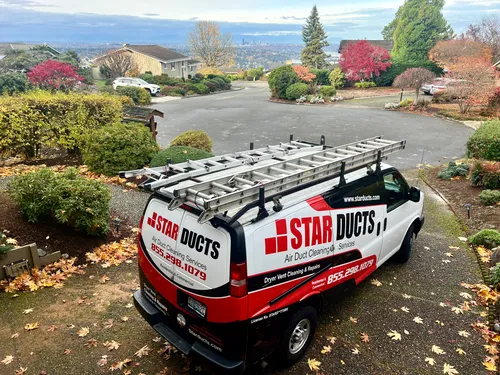
StarDucts is a duct cleaning company based in Seattle, WA, specializing in indoor air quality services. They use EnviroCon, an EPA-registered microbial control product, to treat air ducts and eliminate odors caused by mold, mildew, and bacteria. This treatment is safe for use in occupied spaces and does not contain harmful propellants or flammable ingredients. StarDucts focuses on thorough cleaning before applying microbial control to ensure effective odor elimination and improved air quality.
Seattle Dryer Vent Cleaning
3217 S Orcas St, Seattle, WA 98118
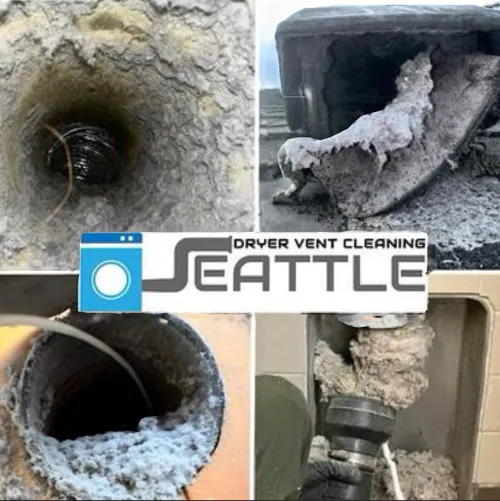
Seattle Dryer Vent Cleaning is a local company based in Seattle, WA, specializing in dryer vent cleaning, air duct cleaning, and exhaust fan cleaning. They focus on reducing the risk of dryer fires, improving indoor air quality, and enhancing energy efficiency for homes and businesses. Their services include complete vent system cleaning using high-pressure compressed air tools and advanced air agitation equipment to remove lint, dust, debris, and mold buildup. The company serves Seattle and surrounding areas, including King and Snohomish counties, with a commitment to safety and compliance with industry standards. Seattle Dryer Vent Cleaning is licensed and bonded, emphasizing fire prevention and home protection through professional maintenance.
WA Duct Cleaners
17520 Linden Ave N #B304, Shoreline, WA 98133
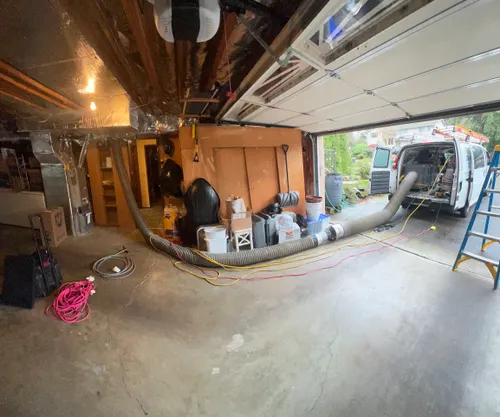
WA Duct Cleaners is a duct cleaning company based in Seattle, WA. They provide indoor air quality services focused on improving air cleanliness and energy efficiency in homes. Their work helps create a healthier living environment by removing contaminants from air ducts.
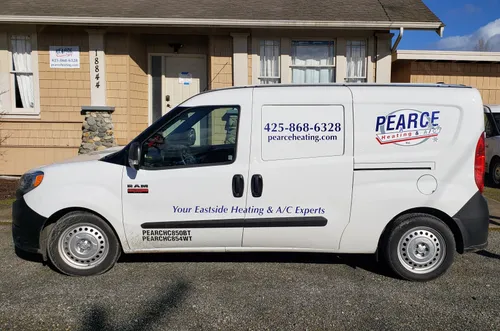
Pearce Heating & A/C
18844 NE 84th St, Redmond, WA 98053
Pearce Heating & A/C is a comprehensive HVAC and electrical service provider based in Seattle, WA. They serve the Eastside and King County areas, including Redmond, Bellevue, and Kirkland. Their services include installation, repair, and maintenance of heating, air conditioning, and heat pump systems, along with indoor air quality solutions such as air purifiers and humidifiers. Pearce Heating & A/C also offers professional electrical services including panel upgrades and rewiring. With decades of experience, their technicians are certified to work with all major HVAC brands and models. The company emphasizes personalized service by assigning consistent technicians and maintaining direct owner involvement to ensure quality and customer satisfaction.
Energy Saver Solutions Inc - HVAC & Insulation W Seattle
4402 40th Ave SW, Seattle, WA 98116
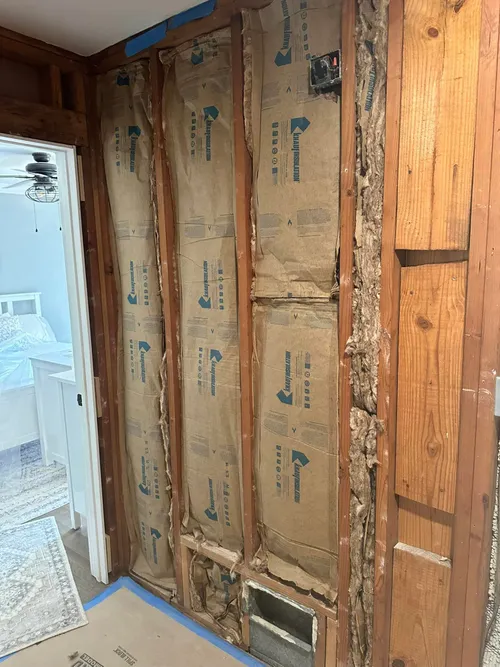
Energy Saver Solutions Inc - HVAC & Insulation W Seattle provides a range of HVAC services in Seattle, WA. They specialize in air conditioning repair, HVAC installation, boiler and mini split installation, as well as indoor air quality services. The company offers expert attic and crawl space insulation to improve energy efficiency and comfort. With over 30 years of industry experience, Energy Saver Solutions also performs carbon monoxide checks to ensure safety. They provide 24/7 emergency service and are available year-round to support heating and cooling needs in all weather conditions.
Why Indoor Air Quality Matters in Kent
The Pacific Northwest's beautiful greenery comes with a cost: moisture. Kent's climate is characterized by damp conditions for much of the year, creating an ideal environment for mold and mildew growth inside homes. Furthermore, in recent years, unprecedented wildfire seasons have become a significant new threat, blanketing the area in fine particulate pollution (PM2.5) that can seep indoors and create hazardous conditions 1 2. Beyond these external factors, everyday activities-cooking, cleaning, using certain building materials, and even breathing-contribute to a buildup of contaminants if a home is not properly ventilated. Poor IAQ is linked to headaches, fatigue, irritation of the eyes, nose, and throat, and can exacerbate asthma and other respiratory conditions 3. For families, children, the elderly, and those with pre-existing health conditions, maintaining clean indoor air is not just about comfort-it's a health priority.
Common Indoor Air Pollutants in Kent Homes
Kent homes and businesses face a distinct set of air quality challenges. Being aware of these specific pollutants is the first step toward addressing them.
High Humidity and Mold Growth
The damp climate is the primary driver for mold and mildew issues, especially in basements, crawl spaces, and bathrooms where ventilation is often poor. Condensation on windows is a common visual clue of excessive indoor humidity. Mold spores can trigger allergic reactions and asthma attacks, and prolonged exposure in severe cases can lead to more serious health problems.
Wildfire Smoke and Fine Particles (PM2.5)
During late summer and early fall, wildfire smoke from regional fires can drastically degrade outdoor air quality, which directly affects indoor air 4. PM2.5 refers to microscopic particles small enough to penetrate deep into the lungs and even enter the bloodstream. These particles are a major health concern and can linger indoors long after the outdoor air has cleared.
Volatile Organic Compounds (VOCs)
These are gases emitted from a wide array of household products, including paints, varnishes, cleaning supplies, new furniture, carpets, and adhesives 5. In a tightly sealed home (which is common for energy efficiency), VOC concentrations can build up to levels that cause eye, nose, and throat irritation, headaches, and nausea.
Biological Contaminants
This category includes dust mites, pet dander, pollen, and bacteria. These allergens are perennial issues but can be amplified by Kent's humidity, which provides a welcoming environment for dust mites.
Radon Gas
Radon is a naturally occurring, radioactive gas that can seep into homes from the ground. It is the second leading cause of lung cancer. Testing for radon is a crucial, though often overlooked, component of a complete indoor air quality assessment in Washington State.
Inadequate Ventilation and Stale Air
When modern homes are built to be energy-efficient, they can also become too airtight. Without proper mechanical ventilation, odors from cooking, pets, and household activities become trapped, and pollutant levels rise, leading to that "stuffy" feeling.
How to Test Your Indoor Air in Kent
You can't manage what you don't measure. Assessing your indoor air quality involves a combination of professional evaluation and DIY monitoring.
Professional IAQ Testing Services
Local experts in the Kent and greater Seattle area offer comprehensive testing. Professionals like those at Green Home Solutions or specialized HVAC companies can conduct tests for mold spores, VOC levels, particulate counts, radon, carbon dioxide (CO2), and humidity 6 7. A professional assessment typically costs between $250 and $550, depending on the scope and number of pollutants tested 8. This service is highly recommended if you suspect a specific problem like mold, are experiencing unexplained health symptoms, or are preparing for a major home renovation.
DIY Monitoring and Inspection
For ongoing awareness, several effective DIY options exist:
- Continuous Air Quality Monitors: Devices like the Airthings View Plus allow you to track key metrics like PM2.5, VOCs, radon, CO2, humidity, and temperature in real-time from your smartphone 9.
- Visual and Physical Inspection: Regularly check for visible signs of water damage, condensation, or mold growth. Notice if dust accumulates quickly on furniture and HVAC vents, which can indicate a filtration or ventilation issue.
- Humidity Tracking: Use a simple hygrometer to monitor relative humidity. The ideal range for indoor spaces is between 30% and 50% to inhibit mold growth and dust mites 10.
Find the perfect indoor air quality service providers for your needs
Get personalized recommendations and expert advice
Effective Solutions for Cleaner Indoor Air
Improving your home's air doesn't necessarily require a massive investment. A layered approach, starting with source control and ventilation, is most effective.
Source Control and Prevention
The most effective way to improve IAQ is to eliminate individual sources of pollution or reduce their emissions.
- Control Moisture: Use exhaust fans in bathrooms and kitchens, repair leaks immediately, and ensure your home has proper drainage and grading to keep water away from the foundation 11.
- Choose Low-VOC Products: Opt for paints, cleaners, and building materials labeled as low-VOC when renovating or furnishing your home.
- Maintain a Clean Home: Regular vacuuming with a HEPA-filter vacuum, dusting with a damp cloth, and washing bedding in hot water can significantly reduce allergens.
Ventilation Improvements
Diluting indoor pollutants with fresh outdoor air is fundamental.
- Natural Ventilation: Open windows and doors when weather permits and outdoor air quality is good (check resources like the Puget Sound Clean Air Agency).
- Mechanical Ventilation: Ensure your bathroom and kitchen exhaust fans are vented to the outside and are powerful enough for the space. Consider installing a whole-house ventilation system, like an Energy Recovery Ventilator (ERV) or Heat Recovery Ventilator (HRV), which brings in fresh air while conserving energy by tempering the incoming air 12.
Air Cleaning and Filtration
When source control and ventilation aren't enough, air cleaners can be highly effective, especially for particles.
- Upgrade HVAC Filters: The simplest step is to use a high-efficiency filter (rated MERV 13 or higher if your system allows it) in your central forced-air system and replace it every 1-3 months, more frequently during wildfire season. These filters typically cost between $50 and $200.
- Portable Air Cleaners: These standalone units with HEPA filters are excellent for targeting specific rooms, such as bedrooms or home offices. Choose one sized appropriately for the room, with a Clean Air Delivery Rate (CADR) that matches the square footage. Prices range from $100 to $500 13.
- DIY Air Filter (Corsi-Rosenthal Box): For a low-cost, high-efficiency option during severe smoke events, you can build a box fan air filter using MERV-13 furnace filters. This can be a highly effective temporary solution for about $50-$100 in materials 14.
- Whole-House Air Filtration Systems: For a whole-home solution, local HVAC contractors can install advanced electronic air cleaners (EACs), UV germicidal lights, or dedicated air scrubbers into your existing ductwork. These systems provide comprehensive cleaning but represent a more significant investment, typically ranging from $500 to $2,500+ for equipment and professional installation 15.
Humidity Control
Managing moisture is non-negotiable in Kent.
- Portable Dehumidifiers: Essential for damp basements or problem areas, costing between $150 and $300.
- Whole-House Dehumidifier: Integrated with your HVAC system, this provides consistent humidity control throughout the entire home. Professional installation costs generally range from $1,000 to $3,000+ 16.
Creating a Healthy Home Action Plan
- Assess: Start with a visual inspection and consider a DIY monitor or professional test to identify your specific issues.
- Prioritize: Address any active moisture or mold problems immediately. Test for radon.
- Ventilate: Make a habit of ventilating when possible and ensure exhaust fans are working.
- Filter: Upgrade your HVAC filter and consider a portable HEPA cleaner for key living areas or bedrooms.
- Maintain: Establish a schedule for replacing filters, cleaning ducts (if needed), and servicing your HVAC system to ensure it operates efficiently and cleanly.
By taking a proactive and informed approach to indoor air quality, Kent residents can create a safer, more comfortable, and healthier living environment for themselves and their families, mitigating the unique challenges posed by the local climate and environment.
Frequently asked questions
Sources
Footnotes
-
2023 Data Summary | Puget Sound Clean Air Agency, WA - https://www.pscleanair.gov/695 ↩
-
Data Summary | Puget Sound Clean Air Agency, WA - https://pscleanair.gov/615/Data-Summary ↩
-
Introduction to Indoor Air Quality | US EPA - https://www.epa.gov/indoor-air-quality-iaq/introduction-indoor-air-quality ↩
-
Washington Air Quality Index (AQI) and USA Air Pollution | IQAir - https://www.iqair.com/us/usa/washington ↩
-
Indoor Air Quality - AIHA - https://www.aiha.org/public-resources/air-quality ↩
-
Indoor Air Quality Testing | Green Home Solutions of Redmond, WA - https://www.greenhomesolutions.com/redmond-wa/our-services/air-quality-testing/ ↩
-
Indoor Air Quality Testing in Seattle WA - Green Home Solutions - https://www.greenhomesolutions.com/greater-seattle-wa/our-services/air-quality-testing/ ↩
-
How Much Does Professional Home Indoor Air Quality Testing Cost? - https://www.airpf.com/how-much-does-a-home-indoor-air-quality-testing-cost/ ↩
-
How to test indoor air quality in your home - Airthings - https://www.airthings.com/resources/how-to-test-air-quality-in-your-home ↩
-
Indoor Air Quality - Washington State Department of Health - https://doh.wa.gov/sites/default/files/legacy/Documents/1500/EH-INAQ2007.pdf ↩
-
Let the Air in: Low-cost ways to improve your indoor air quality - https://www.lung.org/blog/indoor-air-quality-improvements ↩
-
Daikin Indoor Air Quality Kent WA - https://www.daikinseattle.com/iaq/daikin-indoor-air-quality-kent ↩
-
Air Cleaning Devices for the Home - https://ww2.arb.ca.gov/resources/fact-sheets/air-cleaning-devices-home/printable/print ↩
-
Indoor Air Quality | Puget Sound Clean Air Agency, WA - https://www.pscleanair.gov/693/Indoor-Air-Quality ↩
-
Indoor Air Quality - https://doh.wa.gov/community-and-environment/air-quality/indoor-air ↩
-
Indoor Air Quality In Kent & Puyallup | Duct Cleaning - https://aaaheatingac.com/air-quality/ ↩