Find the Best Indoor Air Quality Service Providers for Your Business
No obligation • Fast responses • Nationwide coverage

Why you can trust HVAC Firms
HVAC Firms is a leading United States resource for evaluating HVAC service providers. Our team researches companies, checks credentials, and reviews customer feedback to present clear, unbiased information. Listings and rankings are based on merit, and companies cannot pay to change our editorial content.
Search providers near you
Top Indoor Air Quality Service Providers in Everett, Washington Ranked
Living in Everett offers stunning views and a vibrant community, but the region's marine climate creates a unique set of challenges for the air inside your home or business. Indoor air quality (IAQ) refers to the condition of the air within and around buildings, especially as it relates to the health and comfort of occupants. In Snohomish County, common issues like excess humidity, mold growth, and poor ventilation can significantly impact your well-being and property. This guide explains the local factors affecting your indoor environment, how to identify problems, and the professional solutions available to ensure you're breathing clean, healthy air.
StarDucts
10015 Lake City Way NE Suite 101, Seattle, WA 98125
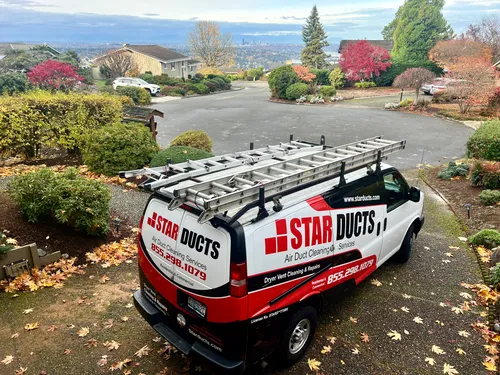
StarDucts is a duct cleaning company based in Seattle, WA, specializing in indoor air quality services. They use EnviroCon, an EPA-registered microbial control product, to treat air ducts and eliminate odors caused by mold, mildew, and bacteria. This treatment is safe for use in occupied spaces and does not contain harmful propellants or flammable ingredients. StarDucts focuses on thorough cleaning before applying microbial control to ensure effective odor elimination and improved air quality.
Seattle Dryer Vent Cleaning
3217 S Orcas St, Seattle, WA 98118
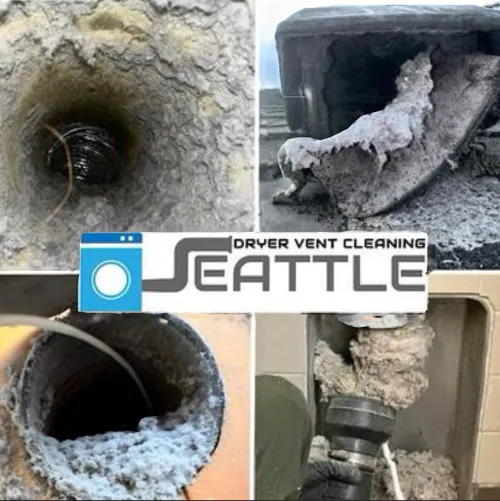
Seattle Dryer Vent Cleaning is a local company based in Seattle, WA, specializing in dryer vent cleaning, air duct cleaning, and exhaust fan cleaning. They focus on reducing the risk of dryer fires, improving indoor air quality, and enhancing energy efficiency for homes and businesses. Their services include complete vent system cleaning using high-pressure compressed air tools and advanced air agitation equipment to remove lint, dust, debris, and mold buildup. The company serves Seattle and surrounding areas, including King and Snohomish counties, with a commitment to safety and compliance with industry standards. Seattle Dryer Vent Cleaning is licensed and bonded, emphasizing fire prevention and home protection through professional maintenance.
WA Duct Cleaners
17520 Linden Ave N #B304, Shoreline, WA 98133
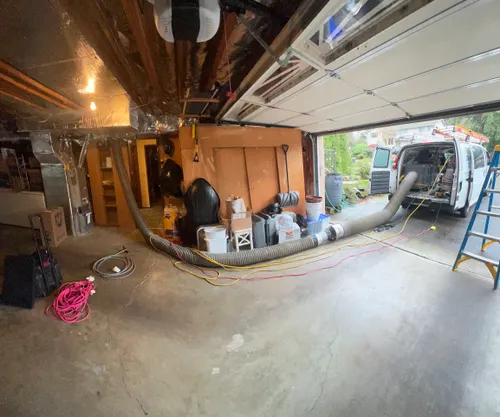
WA Duct Cleaners is a duct cleaning company based in Seattle, WA. They provide indoor air quality services focused on improving air cleanliness and energy efficiency in homes. Their work helps create a healthier living environment by removing contaminants from air ducts.
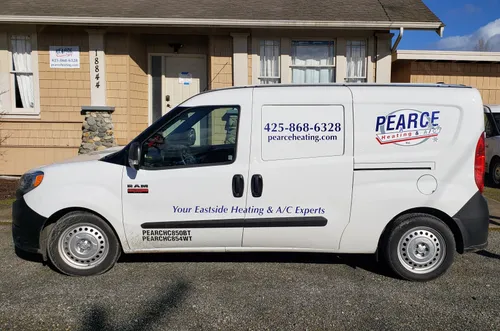
Pearce Heating & A/C
18844 NE 84th St, Redmond, WA 98053
Pearce Heating & A/C is a comprehensive HVAC and electrical service provider based in Seattle, WA. They serve the Eastside and King County areas, including Redmond, Bellevue, and Kirkland. Their services include installation, repair, and maintenance of heating, air conditioning, and heat pump systems, along with indoor air quality solutions such as air purifiers and humidifiers. Pearce Heating & A/C also offers professional electrical services including panel upgrades and rewiring. With decades of experience, their technicians are certified to work with all major HVAC brands and models. The company emphasizes personalized service by assigning consistent technicians and maintaining direct owner involvement to ensure quality and customer satisfaction.
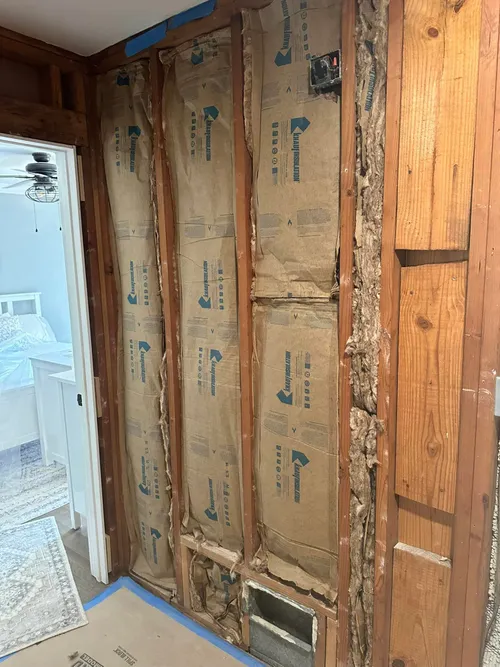
Energy Saver Solutions Inc - HVAC & Insulation W Seattle
4402 40th Ave SW, Seattle, WA 98116
Energy Saver Solutions Inc - HVAC & Insulation W Seattle provides a range of HVAC services in Seattle, WA. They specialize in air conditioning repair, HVAC installation, boiler and mini split installation, as well as indoor air quality services. The company offers expert attic and crawl space insulation to improve energy efficiency and comfort. With over 30 years of industry experience, Energy Saver Solutions also performs carbon monoxide checks to ensure safety. They provide 24/7 emergency service and are available year-round to support heating and cooling needs in all weather conditions.
Why Indoor Air Quality Matters in Everett
The air you breathe indoors can be up to five times more polluted than outdoor air. In Everett, our damp, temperate climate is a primary contributor to indoor air pollutants. High annual rainfall and persistent humidity create ideal conditions for mold and mildew to thrive in hidden spaces like crawl spaces, attics, and around window seals. Furthermore, in an effort to improve energy efficiency, modern and updated older homes are often sealed tightly. While this saves on heating bills, it can trap pollutants inside without adequate mechanical ventilation to exchange stale air for fresh. For businesses, maintaining superior indoor environmental quality is not only a matter of employee health but also productivity and customer comfort.
Common Indoor Air Pollutants in Snohomish County
Understanding the specific contaminants prevalent in our area is the first step toward remediation. The most frequent issues include:
- Mold and Moisture: This is the most widespread concern. Spores can grow on any organic material with sufficient moisture, often leading to musty odors, visible growth, and potential health reactions.
- Poor Ventilation: Inadequate fresh air exchange allows carbon dioxide, moisture, odors, and particulate matter to accumulate. This is especially problematic in tightly sealed buildings or rooms with high occupancy.
- Volatile Organic Compounds (VOCs): These are gases emitted from a wide array of household and office products, including paints, varnishes, cleaning supplies, adhesives, and new furniture or flooring 1. During colder months when windows are closed, VOC levels can rise significantly indoors.
- Combustion Byproducts: Appliances like gas stoves, fireplaces, furnaces, and water heaters can release carbon monoxide (CO) and nitrogen oxides if they are not properly vented, installed, or maintained.
- Radon Gas: This naturally occurring, radioactive gas can seep into buildings from the ground through cracks in the foundation. While risk levels vary, testing is recommended for all homes, particularly those with basements or slab-on-grade foundations.
- Particulate Matter: This includes dust, pollen, pet dander, and particles from outdoor sources like industrial activity or, increasingly, wildfire smoke. These particles can aggravate allergies and asthma.
How to Test Your Indoor Air in Everett
While DIY air quality monitors can provide a general snapshot of particulate levels or VOC concentrations, they often cannot diagnose the root cause of a problem2. For a definitive assessment, professional testing is recommended. Local environmental consultants and HVAC specialists offer several diagnostic approaches:
- Professional Inspection & Air Sampling: Certified professionals, such as those from firms serving Everett, conduct thorough visual inspections for moisture and mold, followed by air sampling. Samples are sent to a lab to identify the types and concentrations of mold spores or other pollutants present.
- Particle and Allergen Testing: Specialized testing measures airborne particle counts against health-based guidelines from organizations like the WHO, which is useful for identifying unresolved dust or allergen issues.
- Vapor Intrusion Evaluation: In areas with known soil or groundwater contamination, experts can assess whether harmful vapors are migrating into a building through the foundation-a process regulated and guided by the Washington State Department of Ecology3.
- Comprehensive HVAC Assessment: Since your heating and cooling system is the lungs of your building, a professional can inspect ductwork for contamination, assess filter efficiency, and evaluate whether the system provides adequate fresh air ventilation.
Find the perfect indoor air quality service providers for your needs
Get personalized recommendations and expert advice
Solutions and Remediation for Cleaner Air
Once the specific issues in your Everett home or commercial space are identified, targeted solutions can be implemented. The cost for these services varies based on the scope and severity of the problem.
- Mold Remediation: This involves containing the affected area, removing contaminated materials, and thoroughly cleaning salvageable surfaces. The cost depends entirely on the extent of the infestation4.
- Crawl Space and Attic Restoration: For moisture problems in these critical areas, solutions may include cleaning, installing a robust vapor barrier, adding insulation, and ensuring proper ventilation to prevent future issues.
- Duct Cleaning and Repair: Over time, ducts can accumulate dust, debris, and even mold. Professional cleaning removes these contaminants. If ducts are damaged, leaking, or improperly installed, repairs or sealing can improve system efficiency and air quality, with specific repairs sometimes costing around $1,0005.
- HVAC Upgrades and IAQ Add-ons: Modernizing your system is one of the most effective long-term strategies. This can include installing higher-efficiency air filters (MERV 13 or higher), adding dedicated air purifiers, integrating energy recovery ventilators (ERVs) or heat recovery ventilators (HRVs) to bring in fresh air without losing energy, and controlling humidity with whole-house dehumidifiers6.
Proactive Maintenance and Daily Habits
You can take immediate, cost-effective steps to improve your indoor environment:
- Control Moisture: Use exhaust fans in bathrooms and kitchens, fix leaks promptly, and consider using a dehumidifier to maintain indoor relative humidity between 30% and 50% to inhibit mold growth7 8.
- Increase Ventilation: Practice "flushing" your home by opening windows on opposite sides of the house for 5-10 minutes daily to create a cross-breeze, even in winter. This rapidly dilutes indoor pollutants without significant heat loss9.
- Practice Source Control: Choose low-VOC paints and cleaning products, ensure gas appliances are properly vented, and store chemicals outside of living spaces. Regular dusting and vacuuming with a HEPA-filtered vacuum also helps reduce particulate matter10 11.
- Maintain Your HVAC System: Change your furnace and air conditioner filters regularly (every 1-3 months), and schedule annual professional maintenance to ensure the system is operating cleanly and efficiently12.
For advice tailored to your specific building, consulting with a local environmental testing firm or a trusted HVAC contractor specializing in indoor air quality is the best course of action13 14.
Frequently asked questions
Sources
Footnotes
-
TVOC Monitoring in Commercial and Office Buildings - https://atmotube.com/blog/tvoc-monitoring-in-commercial-and-office-buildings ↩
-
How to Test Indoor Air Quality in Your Home or Office - Aeroseal - https://aeroseal.com/blog/how-to-test-indoor-air-quality/ ↩
-
Vapor intrusion overview - Washington State Department of Ecology - https://ecology.wa.gov/regulations-permits/guidance-technical-assistance/vapor-intrusion-overview ↩
-
Mold Testing in Everett, WA | Air Quality Testing by AirMD Since 2007 - https://airmd.com/areas-served/washington/everett/mold-testing/ ↩
-
How Much Does Professional Home Indoor Air Quality Testing Cost? - https://www.airpf.com/how-much-does-a-home-indoor-air-quality-testing-cost/ ↩
-
Commercial Indoor Air Quality Product Installation | Everett, WA - https://premierme.net/commercial/indoor-air-quality/ ↩
-
Indoor Air Quality - Washington State Department of Health - https://doh.wa.gov/sites/default/files/legacy/Documents/1500/EH-INAQ2007.pdf ↩
-
Mold & Air Quality | Snohomish County Health Department, WA - https://www.snohd.org/216/Mold-Air-Quality ↩
-
Indoor Air Quality | Improve Your Indoor Air-Get Tested Today - https://www.certifiedindoor.com/indoor-air-quality ↩
-
Indoor Air Quality - NM-Tracking - https://nmtracking.doh.nm.gov/environment/air/IndoorQuality.html ↩
-
Indoor Air Quality - Northwest Clean Air Agency - https://nwcleanairwa.gov/resources/indoor-air-quality/ ↩
-
Indoor Air Quality | UW Environmental Health & Safety - https://www.ehs.washington.edu/environmental/indoor-air-quality ↩
-
TOP 10 BEST Indoor Air Quality Testing in Everett, WA - Yelp - https://m.yelp.com/search?find_desc=Indoor+Air+Quality+Testing&find_loc=Everett%2C+WA ↩
-
Better Air NW Heating & Cooling - https://www.google.com/viewer/place?mid=/g/1tg39t98 ↩