Find the Best Indoor Air Quality Service Providers for Your Business
No obligation • Fast responses • Nationwide coverage

Why you can trust HVAC Firms
HVAC Firms is a leading United States resource for evaluating HVAC service providers. Our team researches companies, checks credentials, and reviews customer feedback to present clear, unbiased information. Listings and rankings are based on merit, and companies cannot pay to change our editorial content.
Search providers near you
Top Indoor Air Quality Service Providers in Bellevue, Washington Ranked
Ensuring clean, healthy indoor air is a critical aspect of home comfort and wellness, especially in Bellevue. With residents spending significant time indoors, the quality of the air you breathe directly impacts health, productivity, and overall quality of life. Common concerns range from seasonal wildfire smoke and persistent mold to everyday pollutants from household activities. This guide explains the unique air quality challenges in the Puget Sound region and outlines practical strategies-from professional testing to DIY improvements-to help you find the right solutions for your home or business.
StarDucts
10015 Lake City Way NE Suite 101, Seattle, WA 98125
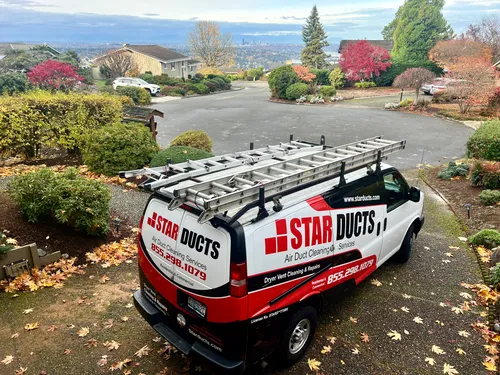
StarDucts is a duct cleaning company based in Seattle, WA, specializing in indoor air quality services. They use EnviroCon, an EPA-registered microbial control product, to treat air ducts and eliminate odors caused by mold, mildew, and bacteria. This treatment is safe for use in occupied spaces and does not contain harmful propellants or flammable ingredients. StarDucts focuses on thorough cleaning before applying microbial control to ensure effective odor elimination and improved air quality.
Seattle Dryer Vent Cleaning
3217 S Orcas St, Seattle, WA 98118
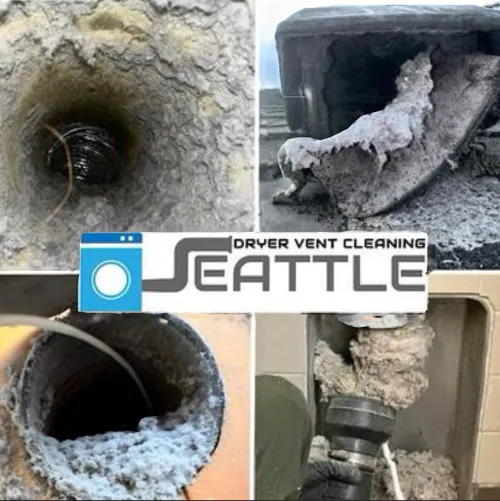
Seattle Dryer Vent Cleaning is a local company based in Seattle, WA, specializing in dryer vent cleaning, air duct cleaning, and exhaust fan cleaning. They focus on reducing the risk of dryer fires, improving indoor air quality, and enhancing energy efficiency for homes and businesses. Their services include complete vent system cleaning using high-pressure compressed air tools and advanced air agitation equipment to remove lint, dust, debris, and mold buildup. The company serves Seattle and surrounding areas, including King and Snohomish counties, with a commitment to safety and compliance with industry standards. Seattle Dryer Vent Cleaning is licensed and bonded, emphasizing fire prevention and home protection through professional maintenance.
WA Duct Cleaners
17520 Linden Ave N #B304, Shoreline, WA 98133
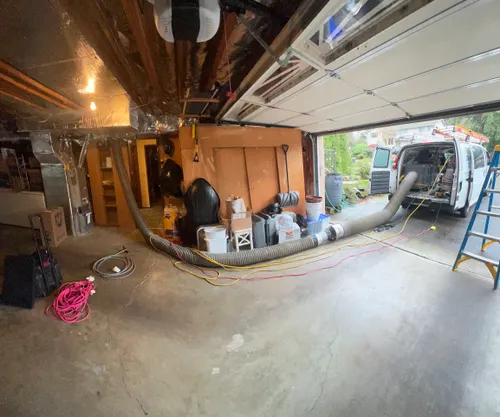
WA Duct Cleaners is a duct cleaning company based in Seattle, WA. They provide indoor air quality services focused on improving air cleanliness and energy efficiency in homes. Their work helps create a healthier living environment by removing contaminants from air ducts.
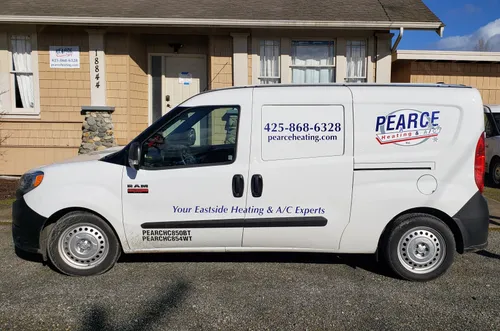
Pearce Heating & A/C
18844 NE 84th St, Redmond, WA 98053
Pearce Heating & A/C is a comprehensive HVAC and electrical service provider based in Seattle, WA. They serve the Eastside and King County areas, including Redmond, Bellevue, and Kirkland. Their services include installation, repair, and maintenance of heating, air conditioning, and heat pump systems, along with indoor air quality solutions such as air purifiers and humidifiers. Pearce Heating & A/C also offers professional electrical services including panel upgrades and rewiring. With decades of experience, their technicians are certified to work with all major HVAC brands and models. The company emphasizes personalized service by assigning consistent technicians and maintaining direct owner involvement to ensure quality and customer satisfaction.
Energy Saver Solutions Inc - HVAC & Insulation W Seattle
4402 40th Ave SW, Seattle, WA 98116
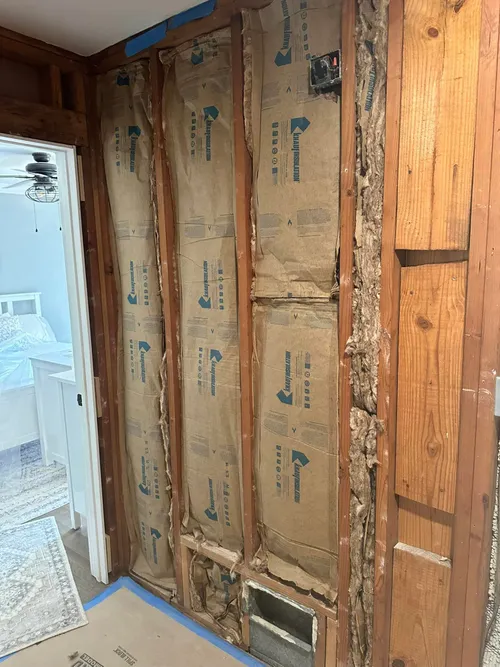
Energy Saver Solutions Inc - HVAC & Insulation W Seattle provides a range of HVAC services in Seattle, WA. They specialize in air conditioning repair, HVAC installation, boiler and mini split installation, as well as indoor air quality services. The company offers expert attic and crawl space insulation to improve energy efficiency and comfort. With over 30 years of industry experience, Energy Saver Solutions also performs carbon monoxide checks to ensure safety. They provide 24/7 emergency service and are available year-round to support heating and cooling needs in all weather conditions.
Why Indoor Air Quality Matters in Bellevue
While the Pacific Northwest is renowned for its fresh outdoor air, the environment inside your Bellevue home can tell a different story. Indoor air can often be five times more polluted than outdoor air. Given our climate and lifestyle, several factors converge to make indoor environmental quality a priority. From the high humidity that encourages biological growth to the smoke from increasingly common regional wildfires, understanding these risks is the first step toward mitigation.
The health implications are significant. Poor indoor air can exacerbate allergies and asthma, cause headaches and fatigue, and contribute to long-term respiratory issues. For families, children, and those with pre-existing conditions, maintaining a clean air environment is not just about comfort-it's a health necessity.
Common Indoor Air Pollutants in Bellevue Homes
Bellevue's specific climate and housing stock create a distinct profile of indoor air contaminants. Being aware of these common pollutants helps in targeting solutions effectively.
Wildfire Smoke and Particulate Matter
Seasonal wildfires have become a recurring challenge for the Puget Sound region. The resulting particulate matter (PM2.5) is a major threat, capable of penetrating deep into the lungs and even entering the bloodstream 1. During smoke events, the standard advice to "stay indoors" only works if your home is properly sealed and equipped with high-efficiency filtration. Without these measures, smoke particles can accumulate indoors, creating an unhealthy environment.
Mold and Moisture
The Pacific Northwest's signature damp climate is a primary driver of indoor air quality issues. High humidity and persistent rain foster moisture accumulation, particularly in poorly ventilated areas like crawl spaces, basements, and bathrooms. This damp environment is ideal for mold and mildew growth, which release spores and microbial volatile organic compounds (mVOCs) into the air, triggering allergic reactions and respiratory problems.
Volatile Organic Compounds (VOCs)
Modern homes are filled with potential sources of VOCs, which are gases emitted from certain solids or liquids. In Bellevue, common sources include new furniture, carpeting, paint, cabinetry, and even household cleaning products 2. These compounds can cause eye, nose, and throat irritation, headaches, and nausea. In energy-efficient, tightly sealed homes, VOCs can build up to concerning levels without adequate ventilation.
Inadequate Ventilation
Paradoxically, the drive for energy efficiency can work against air quality. Modern, well-sealed homes are excellent at conserving heat but often lack sufficient fresh air exchange. Without deliberate ventilation strategies, pollutants from cooking, cleaning, off-gassing materials, and even human occupancy (like exhaled CO2) have nowhere to go, leading to stagnant, contaminated indoor air.
Combustion Gases and Radon
Homes with gas stoves, furnaces, water heaters, or fireplaces must be mindful of combustion byproducts like carbon monoxide (CO) and nitrogen dioxide (NO2), which are dangerous if appliances are not properly vented or maintained 3. Furthermore, the geologic conditions in parts of Washington can lead to radon gas seeping from the soil into basements and crawl spaces 4. Radon is a colorless, odorless radioactive gas and is the second leading cause of lung cancer.
How to Assess Your Home's Air Quality
Before investing in solutions, it's wise to understand the specific problems in your home. Assessment can range from professional-grade analysis to simple, ongoing monitoring.
Professional Inspections and Testing
For a comprehensive analysis, several Bellevue-area companies specialize in indoor air quality testing. Services typically include checks for mold spores, radon levels, VOC concentrations, humidity, and particulate counts. A professional inspector can also identify hidden issues like duct leaks that pull contaminated air from attics or crawl spaces into your living areas. This is highly recommended when moving into a new home, after major renovations, or if household members are experiencing unexplained health symptoms.
DIY Monitoring with Smart Devices
Technology has made ongoing air quality monitoring accessible. Smart monitors like the Airthings View Plus can track key metrics such as PM2.5, VOCs, carbon dioxide (CO2), radon, humidity, and temperature in real time. These devices provide valuable data to help you understand daily patterns, identify pollutant sources, and verify the effectiveness of your air purification strategies.
Routine HVAC System Check-ups
Your heating and cooling system is the lungs of your home. A routine HVAC inspection by a qualified technician is crucial. They can check for duct integrity, ensure proper airflow, and assess whether your system is compatible with higher-efficiency filters or additional air cleaning devices 5.
Find the perfect indoor air quality service providers for your needs
Get personalized recommendations and expert advice
Effective Strategies to Improve Indoor Air
Improving the air in your Bellevue home involves a multi-pronged approach: removing pollutants at the source, diluting them with fresh air, and cleaning the air that remains.
1. Source Control
The most effective strategy is to prevent pollutants from entering the air in the first place.
- Choose low-VOC or zero-VOC paints, finishes, and building materials for any projects.
- Use natural or eco-friendly cleaning products.
- Ensure gas appliances are correctly installed, vented to the outside, and serviced annually.
- Prohibit indoor smoking.
- Address water leaks and moisture intrusions promptly to prevent mold.
2. Ventilation
Diluting stale indoor air with fresh outdoor air is essential, especially in tight homes.
- Use bathroom exhaust fans during and for 20 minutes after showers.
- Always use a kitchen range hood that vents to the outdoors when cooking.
- When outdoor air quality is good (check local air quality indexes), open windows and doors periodically to flush out accumulated pollutants.
- Consider installing an Energy Recovery Ventilator (ERV) or Heat Recovery Ventilator (HRV). These systems provide controlled, fresh air ventilation while minimizing energy loss, a perfect solution for the PNW climate 6.
3. Filtration and Air Cleaning
When source control and ventilation aren't enough, mechanical cleaning is key.
- Upgrade HVAC Filters: Replace standard filters with a MERV 13 or higher rated filter. These can capture a high percentage of fine particles, including smoke and allergens. Ensure your HVAC system can handle the increased airflow resistance.
- Use Portable HEPA Air Purifiers: These units are exceptionally effective, removing 99.97% of airborne particles as small as 0.3 microns 7. Place them in bedrooms and other frequently used rooms for targeted cleaning, especially during wildfire season.
- Consider Whole-House Solutions: For integrated protection, systems like in-duct UV air sanitizers can be installed to kill mold and bacteria on HVAC coils, and whole-house air purifiers can provide filtration for the entire home 8.
4. Moisture and Humidity Control
Managing moisture is non-negotiable in Bellevue for preventing mold.
- Use dehumidifiers in damp areas like basements to maintain indoor relative humidity between 30% and 50%9.
- For severe moisture problems, solutions like crawl space encapsulation-sealing the space with a vapor barrier-can prevent ground moisture from evaporating into your home.
- Ensure gutters and downspouts direct water away from your home's foundation.
Understanding Investment and Value
Improving your home's air is an investment in health and property. Costs can vary based on the scope of work:
- Air Quality Inspection/Consultation: ~$300 - $600+ 10 11
- Portable HEPA Air Purifier: ~$100 - $500 per unit
- HVAC Filter Upgrade (MERV 13): ~$30 - $100 per filter 12
- Whole-House Dehumidifier Installation: ~$1,500 - $3,000+ 13
- Crawl Space Encapsulation/Moisture Barrier: ~$3,000 - $10,000+ 14
- UV Air Sanitizer System Installation: ~$500 - $1,500 15
A layered approach often yields the best results. Start with the fundamentals: maintain a MERV 13 filter in your HVAC system, use a portable HEPA cleaner in key rooms during peak pollution times, and vigilantly control indoor moisture 16 17. From this foundation, you can build a more comprehensive system tailored to your home's specific needs and your family's health priorities.
Frequently asked questions
Sources
Footnotes
-
Air Pollution | City of Bellevue - BellevueWA.gov - https://bellevuewa.gov/city-government/departments/fire/emergency-management/prepare-known-hazards/air-pollution ↩
-
Indoor Air Quality - Northwest Clean Air Agency - https://nwcleanairwa.gov/resources/indoor-air-quality/ ↩
-
Does Seattle Have Clean Air? Here's What Homeowners ... - https://www.coit.com/blog/healthy-home/does-seattle-have-clean-air ↩
-
What are the major sources of indoor air pollution? | The effects ... - Metrikus - https://www.metrikus.io/blog/what-are-the-major-sources-of-indoor-air-pollution ↩
-
How to Improve Indoor Air Quality in Bellevue Homes with ... - https://www.airganic.com/how-to-improve-indoor-air-quality-in-bellevue-homes-with-hvac-inspections/ ↩
-
Strategies to improve indoor air quality - King County - https://kingcounty.gov/en/dept/dph/health-safety/environmental-health/healthy-water-air-soil/indoor-air-quality-mold/strategies ↩
-
Improving Indoor Air Quality - https://www.youtube.com/watch?v=mqbgMyOzwnA&t=479 ↩
-
9 Ways To Improve Air Quality In Your Office - ServiceMaster Clean - https://www.servicemasterclean.com/clean-blog/office-cleaning/9-ways-to-improve-air-quality-in-your-office/ ↩
-
Indoor Air Quality - Washington State Department of Health - https://doh.wa.gov/sites/default/files/legacy/Documents/1500/EH-INAQ2007.pdf ↩
-
Best Air Quality Testing Practices for Bellevue Homeowners - https://www.airganic.com/best-air-quality-testing-practices-for-bellevue-homeowners/ ↩
-
Reliable Indoor Air Quality Testing in Bellevue, WA - https://www.greenhomesolutions.com/bellevue-wa/our-services/air-quality-testing/ ↩
-
Indoor Air Quality Bellevue - Brennan Heating & Air Conditioning - https://www.brennanheating.com/heating-cooling-contractor-bellevue-wa/indoor-air-quality-bellevue-wa/ ↩
-
Strategies to improve indoor air quality - King County - https://kingcounty.gov/en/dept/dph/health-safety/environmental-health/healthy-water-air-soil/indoor-air-quality-mold/strategies ↩
-
Northwest Crawl Space Services - https://www.google.com/viewer/place?mid=/g/11q3y11q33 ↩
-
Indoor Air Quality - Northwest Clean Air Agency - https://nwcleanairwa.gov/resources/indoor-air-quality/ ↩
-
How to test indoor air quality in your home - Airthings - https://www.airthings.com/resources/how-to-test-air-quality-in-your-home ↩
-
Building and Home Automation Solutions | Call 253-852-8284 - https://fivestarmech.com/building-home-automation-installation-in-seattle-and-western-washington-state/ ↩