Find the Best Indoor Air Quality Service Providers for Your Business
No obligation • Fast responses • Nationwide coverage

Why you can trust HVAC Firms
HVAC Firms is a leading United States resource for evaluating HVAC service providers. Our team researches companies, checks credentials, and reviews customer feedback to present clear, unbiased information. Listings and rankings are based on merit, and companies cannot pay to change our editorial content.
Search providers near you
Top Indoor Air Quality Service Providers in Auburn, Washington Ranked
The air you breathe inside your Auburn home or business has a direct impact on your health, comfort, and productivity. Indoor air quality (IAQ) refers to the condition of the air within and around buildings, especially as it relates to the health and well-being of occupants. In the Pacific Northwest, local factors like persistent dampness and seasonal wildfire smoke make proactive air quality management essential. This guide will help you understand the unique air quality challenges in Auburn, outline effective testing and monitoring strategies, and explore solutions to create a cleaner, healthier indoor environment.
StarDucts
10015 Lake City Way NE Suite 101, Seattle, WA 98125
StarDucts is a duct cleaning company based in Seattle, WA, specializing in indoor air quality services. They use EnviroCon, an EPA-registered microbial control product, to treat air ducts and eliminate odors caused by mold, mildew, and bacteria. This treatment is safe for use in occupied spaces and does not contain harmful propellants or flammable ingredients. StarDucts focuses on thorough cleaning before applying microbial control to ensure effective odor elimination and improved air quality.
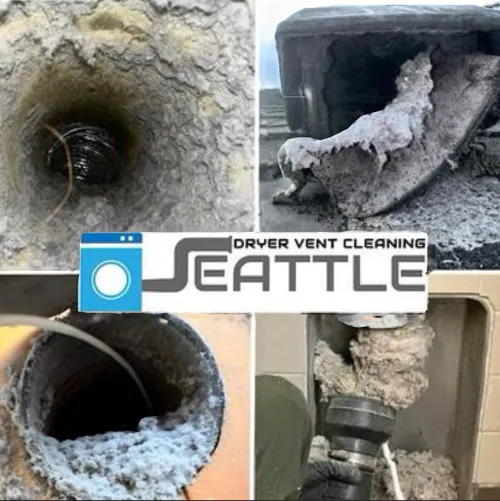
Seattle Dryer Vent Cleaning
3217 S Orcas St, Seattle, WA 98118
Seattle Dryer Vent Cleaning is a local company based in Seattle, WA, specializing in dryer vent cleaning, air duct cleaning, and exhaust fan cleaning. They focus on reducing the risk of dryer fires, improving indoor air quality, and enhancing energy efficiency for homes and businesses. Their services include complete vent system cleaning using high-pressure compressed air tools and advanced air agitation equipment to remove lint, dust, debris, and mold buildup. The company serves Seattle and surrounding areas, including King and Snohomish counties, with a commitment to safety and compliance with industry standards. Seattle Dryer Vent Cleaning is licensed and bonded, emphasizing fire prevention and home protection through professional maintenance.
Pearce Heating & A/C
18844 NE 84th St, Redmond, WA 98053
Pearce Heating & A/C is a comprehensive HVAC and electrical service provider based in Seattle, WA. They serve the Eastside and King County areas, including Redmond, Bellevue, and Kirkland. Their services include installation, repair, and maintenance of heating, air conditioning, and heat pump systems, along with indoor air quality solutions such as air purifiers and humidifiers. Pearce Heating & A/C also offers professional electrical services including panel upgrades and rewiring. With decades of experience, their technicians are certified to work with all major HVAC brands and models. The company emphasizes personalized service by assigning consistent technicians and maintaining direct owner involvement to ensure quality and customer satisfaction.
Energy Saver Solutions Inc - HVAC & Insulation W Seattle
4402 40th Ave SW, Seattle, WA 98116
Energy Saver Solutions Inc - HVAC & Insulation W Seattle provides a range of HVAC services in Seattle, WA. They specialize in air conditioning repair, HVAC installation, boiler and mini split installation, as well as indoor air quality services. The company offers expert attic and crawl space insulation to improve energy efficiency and comfort. With over 30 years of industry experience, Energy Saver Solutions also performs carbon monoxide checks to ensure safety. They provide 24/7 emergency service and are available year-round to support heating and cooling needs in all weather conditions.
Energy Saver Solutions Inc - HVAC & Insulation SW Seattle
1414 SW 114th St, Seattle, WA 98146
Energy Saver Solutions Inc - HVAC & Insulation SW Seattle provides comprehensive HVAC and insulation services in Seattle, WA. They specialize in air conditioning repair, HVAC and boiler installation, mini split systems, and indoor air quality services. The company offers expert attic and crawl space insulation to improve energy efficiency and comfort. With over 30 years of industry experience, they also provide carbon monoxide testing and 24/7 emergency service availability to address urgent heating and cooling needs.
Why Indoor Air Quality Matters in Auburn
People spend an estimated 65-90% of their time indoors, where pollutant levels can be two to five times higher than outdoor air 1 2 3. For residents and business owners in Auburn, this means the air inside can significantly affect daily life. Poor indoor air has been linked to headaches, fatigue, difficulty concentrating, and irritation of the eyes, nose, throat, and lungs. For individuals with asthma, allergies, or other respiratory conditions, it can trigger more severe reactions. Maintaining good indoor environmental quality is not just about comfort-it's a cornerstone of long-term health and wellness.
Common Local Air Quality Concerns
Auburn's climate and geography create a specific set of challenges for maintaining clean indoor air. Understanding these local pollutants is the first step toward addressing them.
Mold and Moisture
The damp climate of the Puget Sound region is a primary driver of indoor air problems. Excess moisture from rainfall, high humidity, and inadequate ventilation can lead to mold and mildew growth, especially in basements, bathrooms, and around windows. Mold spores released into the air are a common allergen and irritant.
Wildfire Smoke and Particulate Matter
Seasonal wildfires have become a recurring issue, blanketing the region in smoke that contains fine particulate matter, known as PM2.5. These microscopic particles can easily infiltrate buildings, even with windows and doors closed, posing serious respiratory and cardiovascular risks 4.
Radon Gas
Washington state has areas with high radon potential. This colorless, odorless radioactive gas can seep from the soil into homes, particularly accumulating in basements and lower levels. Radon is the second leading cause of lung cancer.
Combustion Pollutants
Appliances like furnaces, gas stoves, water heaters, and wood-burning fireplaces can produce harmful combustion byproducts if not properly vented or maintained. These include carbon monoxide (CO), a deadly gas, and nitrogen dioxide (NO2), which can irritate airways 5.
Volatile Organic Compounds (VOCs)
These are gases emitted from a wide array of common household and office products. Sources include cleaning supplies, paints, varnishes, new furniture, carpets, and even some office equipment like printers. Off-gassing from building materials can also be a significant source, especially in newer or recently renovated spaces 6 7.
How to Test and Monitor Your Indoor Air
You can't manage what you don't measure. Several approaches are available to assess the air quality in your Auburn property, ranging from professional services to continuous at-home monitoring.
Professional Indoor Air Quality Assessments
For a comprehensive analysis, local companies offer professional testing services. Firms like AirGanic and Patriot Heating & AC provide detailed assessments that can test for a wide range of pollutants over a 24-hour period, including particles, chemicals, humidity, and mold spores. These professional evaluations typically cost around $295 and provide a detailed report on your air's health 8 9 10.
Continuous Air Quality Monitors
Smart monitors provide real-time data and alerts, allowing you to track conditions daily. Devices like the Airthings View Plus or the IQAir AirVisual Pro (each ranging from $300-$330) can monitor levels of radon, CO2, VOCs, PM2.5, humidity, and temperature 11 12 13. This ongoing feedback is invaluable for identifying patterns, like humidity spikes that could lead to mold, or noticing when outdoor smoke is affecting your indoor air.
DIY Test Kits and Visual Inspections
For specific concerns like radon, low-cost DIY test kits are available at hardware stores or online. While less comprehensive, they can provide a basic screening. A simple visual and olfactory inspection is also a good starting point: look for signs of water damage, condensation, or mold growth, and be aware of persistent musty or chemical smells, particularly after new construction or renovations 14.
Find the perfect indoor air quality service providers for your needs
Get personalized recommendations and expert advice
Solutions for Cleaner Air in Your Home or Office
Once you understand your air quality challenges, a range of solutions can help you achieve a healthier environment. The right approach often involves a combination of strategies.
Source Control and Ventilation
The most effective way to improve indoor air is to eliminate individual sources of pollution or reduce their emissions.
- Increase Ventilation: Open windows when outdoor air quality is good to dilute indoor pollutants. Use exhaust fans in kitchens and bathrooms to remove moisture and combustion gases directly.
- Manage Moisture: Fix leaks promptly, use dehumidifiers in damp areas (units cost $150-$300), and ensure your property has proper drainage and ventilation to prevent mold growth.
- Choose Low-VOC Products: Opt for paints, cleaners, and building materials labeled as low-VOC when renovating or furnishing your space.
Air Cleaning and Filtration
When source control isn't enough, air cleaners can remove pollutants from circulating air.
- Upgrade HVAC Filters: This is one of the most impactful and cost-effective steps. Upgrade the filter in your furnace or central air system to a minimum of MERV 13, which is highly effective at capturing fine particles like wildfire smoke. These filters typically cost $20-$50 each 15.
- Use Portable Air Purifiers: Equipped with HEPA filters, these units can clean the air in a single room or specific area. Prices range from $100 to over $500, depending on the size and features.
- Consider Professional Services: For deep cleaning of your air distribution system, professional duct cleaning can remove accumulated dust, debris, and allergens. This service generally costs between $300 and $700, depending on the size of your home 16.
Specialized Mitigation Systems
Some pollutants require dedicated systems.
- Radon Mitigation: If testing reveals elevated radon levels, a professionally installed active radon mitigation system is essential. These systems use a vent pipe and fan to pull radon from beneath the building and exhaust it outside. Installation costs typically range from $1,000 to $2,500 or more 17.
Creating a Healthy Indoor Environment: A Local Action Plan
For Auburn residents, a practical plan focuses on the region's most pressing issues. First, prioritize moisture control to prevent mold-this is a year-round necessity in our climate. Second, be prepared for wildfire season by ensuring your HVAC system is equipped with a high-efficiency filter (MERV 13 or higher) and consider a portable air purifier for key living areas 18.
Integrate a smart air quality monitor to gain real-time insights into your indoor environment. This data empowers you to make informed decisions, like when to run a dehumidifier or close windows during a smoke event. Regular maintenance of combustion appliances and thoughtful choices about household products will further reduce your exposure to harmful pollutants 19 20.
Frequently asked questions
Sources
Footnotes
-
Indoor Air Quality - https://doh.wa.gov/community-and-environment/air-quality/indoor-air ↩
-
The Air Quality Index (AQI) Basics & Beyond - https://www.lrapa-or.gov/aqi101/ ↩
-
Preventing Moisture and Mold in Your Home - https://www.duerksenrentals.com/preventing-moisture-and-mold-in-your-home ↩
-
Wildfire Smoke - Tacoma-Pierce County Health Department - https://tpchd.org/environment/outdoor-air/wildfire-smoke/ ↩
-
Chapter 70.162 RCW: INDOOR AIR QUALITY IN PUBLIC BUILDINGS - https://app.leg.wa.gov/rcw/default.aspx?cite=70.162&full=true ↩
-
Indoor Air Quality - NM-Tracking - https://nmtracking.doh.nm.gov/environment/air/IndoorQuality.html ↩
-
What are the major sources of indoor air pollution? | The effects ... - Metrikus - https://www.metrikus.io/blog/what-are-the-major-sources-of-indoor-air-pollution ↩
-
INDOOR AIR QUALITY - Auburn University - https://cws.auburn.edu/shared/content/files/1480/IAQ%20Brochure.pdf ↩
-
Indoor Air Quality Services in Enumclaw & Auburn, WA - https://patriotheating.net/indoor-air-quality-services ↩
-
Professional Air Quality Testing Services in Seattle - AirGanic - https://www.airganic.com/residential/air-quality-testing/ ↩
-
iqair AirVisual PRO AIR-QUALITY Monitor - https://www.google.com/search?q=product&prds=pvt:hg,productid:12731750861393503074,catalogid:16835460390359639346,gpcid:10152811169155146236,mid:576462399365726378&ibp=oshop ↩
-
Airthings View Plus Air Quality Monitor - https://www.google.com/search?q=product&prds=pvt:hg,productid:6072329373947128373,catalogid:7712427545849036561,gpcid:4854218481369443652,mid:576462731890981916&ibp=oshop ↩
-
The best air quality monitors we have tested - https://housefresh.com/air-quality-monitors/ ↩
-
DOSH Directive (WRD) 10.10 - Indoor Air Quality - Lni.wa.gov - https://lni.wa.gov/safety-health/safety-rules/enforcement-policies/DD1010.pdf ↩
-
Strategies to Reduce Exposure Indoors | US EPA - https://www.epa.gov/wildfire-smoke-course/strategies-reduce-exposure-indoors ↩
-
Whole Home Electric Air Purifiers - https://jarboes.com/whole-home-electric-air-purifiers/ ↩
-
Indoor Air Quality - Northwest Clean Air Agency - https://nwcleanairwa.gov/resources/indoor-air-quality/ ↩
-
Outdoor Air Quality - Tacoma-Pierce County Health Department - https://tpchd.org/environment/outdoor-air/ ↩
-
How to Monitor Indoor Air Quality - https://tsi.com/occupational-health-safety/learn/how-to-monitor-indoor-air-quality ↩
-
Indoor Air Quality Monitoring Methods - A Definitive Guide - https://dewpoint.in/the-definitive-guide-to-indoor-air-quality-monitoring-methods/ ↩