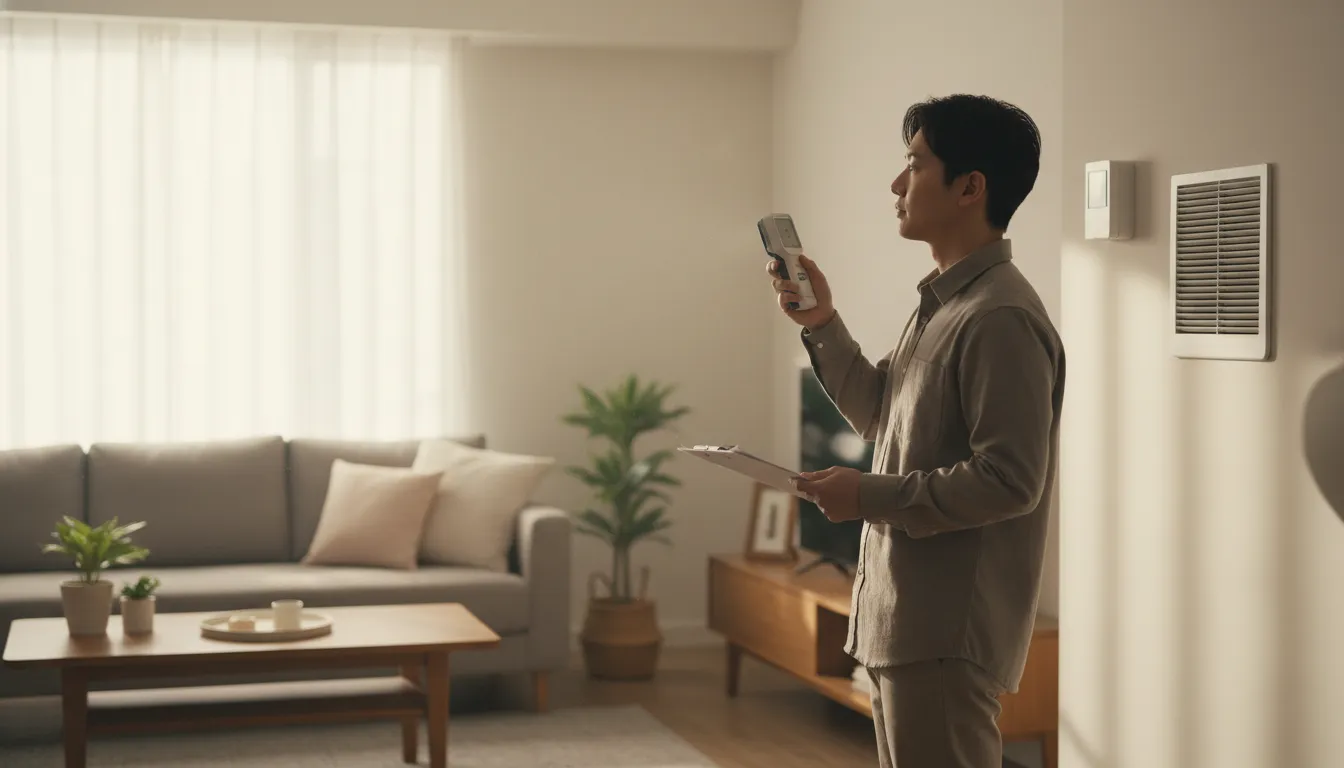
Find the Best Indoor Air Quality Service Providers for Your Business
No obligation • Fast responses • Nationwide coverage

Why you can trust HVAC Firms
HVAC Firms is a leading United States resource for evaluating HVAC service providers. Our team researches companies, checks credentials, and reviews customer feedback to present clear, unbiased information. Listings and rankings are based on merit, and companies cannot pay to change our editorial content.
Search providers near you
Top Indoor Air Quality Service Providers in Tulsa, Oklahoma Ranked
The air you breathe inside your home or office in Tulsa has a direct impact on your health, comfort, and productivity. Indoor air quality (IAQ) refers to the condition of the air within and around buildings, particularly as it relates to the health and well-being of occupants. In Tulsa, this is a critical concern due to the region's unique climate and environmental factors, which can lead to high humidity, mold, allergens, and other pollutants accumulating indoors. Understanding and managing your indoor environment is essential for creating a safe and healthy space. This guide will help you identify common local air quality issues, explore solutions, and connect with knowledgeable professionals who can assess and improve the air in your Tulsa property.
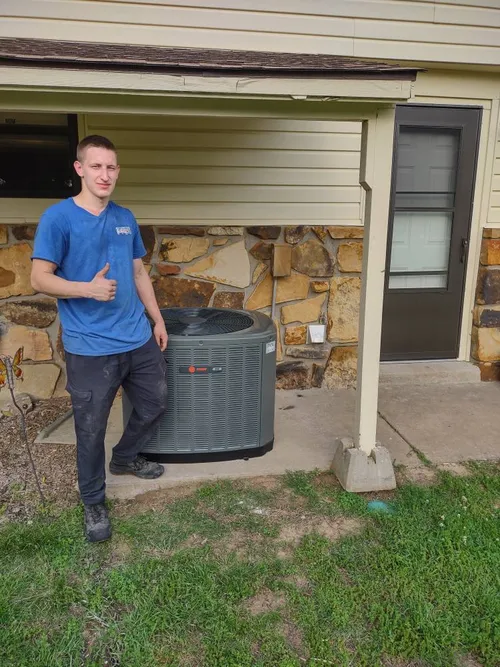
TemperaturePro
10404 E 55th Pl Suite Y, Tulsa, OK 74146
TemperaturePro is a locally owned and family-operated HVAC company serving Tulsa, OK. They provide comprehensive heating and cooling services including installation, repair, and maintenance for systems such as air conditioners, furnaces, heat pumps, boilers, and ductless mini splits. Their technicians also specialize in indoor air quality solutions, including air scrubbers and filtration systems. TemperaturePro offers 24/7 emergency service and supports a wide range of brands including Trane, Goodman, and Daikin. They emphasize transparent pricing and honest service to help customers maintain comfortable and efficient HVAC systems year-round.

American Home Pros
912 W Main St, Collinsville, OK 74021
American Home Pros is a veteran-owned HVAC and plumbing company based in Tulsa, OK. They provide a range of services including air conditioning, furnace, and heat pump repair and installation, as well as indoor air quality solutions such as duct cleaning, filtration, and humidity control. The company is known for its skilled technicians and offers maintenance memberships that include indoor air quality tests and drain treatments. They also specialize in heat pump systems suited for cold weather and provide plumbing services like water heater replacement and pipe installations.
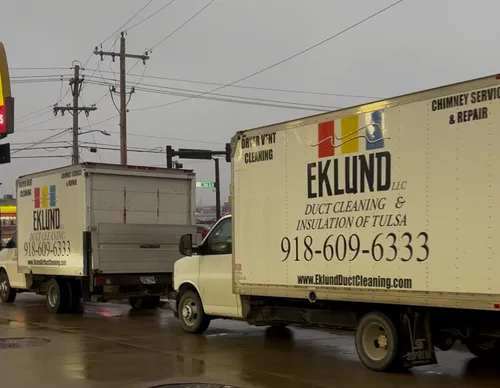
Eklund Duct Cleaning and Chimney Service
Tulsa, OK
Eklund Duct Cleaning and Chimney Service is based in Tulsa, OK, providing duct cleaning, chimney care, dryer vent cleaning, and attic insulation services. With over 10 years of experience and full HVAC support, they offer thorough inspections and cleaning to improve indoor air quality and system efficiency. Their services also include chimney cleaning and repair, as well as dryer vent cleaning to reduce fire hazards. Attic insulation is available to help regulate home temperatures and enhance energy efficiency. The company emphasizes affordable pricing and reliable scheduling.
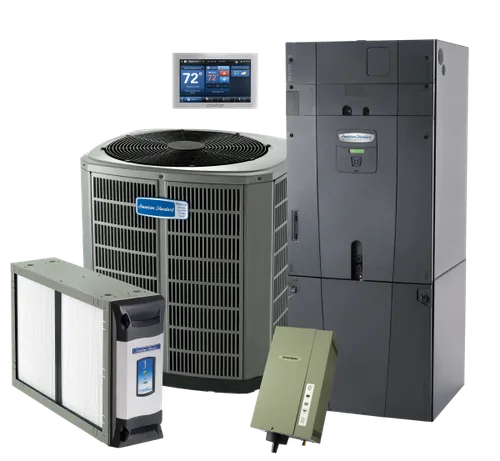
Baker's Mechanical Services
2608 W Kenosha St Ste.242, Broken Arrow, OK 74012
Baker's Mechanical Services is a residential HVAC company based in Tulsa, OK, providing installation, maintenance, and repair for heating and cooling systems. They offer services including air quality solutions such as humidifiers, air cleaners, and air purification systems. Serving Tulsa and surrounding areas, the company has been operating since 2009 and focuses on optimizing HVAC efficiency and lifespan through semi-annual maintenance programs.
Vivid Air
Tulsa, OK
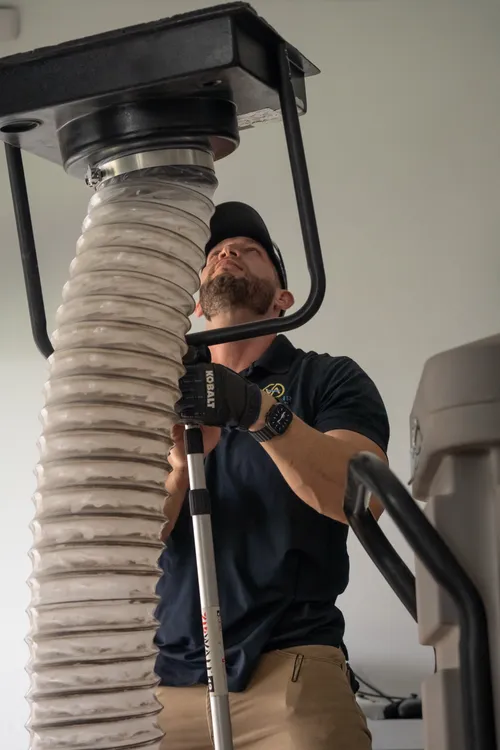
Vivid Air is a Tulsa, OK-based company specializing in indoor air quality services and duct cleaning for both residential and commercial properties. They address local climate challenges such as humidity and dust by improving air circulation, reducing contaminants, and managing moisture through solutions like air filtration, purification systems, and humidity control. The company serves Tulsa and the surrounding region, including Oklahoma City, bringing local expertise to each project. Vivid Air emphasizes thorough inspections and practical recommendations to enhance comfort and safety. They offer free estimates, weekend appointments, and back their work with a warranty.
Why Tulsa's Indoor Air Presents Unique Challenges
Tulsa's indoor air is influenced by a combination of natural and human-made factors. The city experiences high humidity levels, especially during the summer, which creates a perfect breeding ground for mold and dust mites. Furthermore, the region has significant seasonal pollen counts in the spring and fall, and the metro area contends with fine particulate matter (PM2.5) from sources like agriculture, traffic, and industrial activity. Modern, energy-efficient buildings are designed to be "tight," which is great for utility bills but can trap these pollutants inside, leading to poor ventilation and a buildup of contaminants. This combination makes proactive air quality management not just a luxury, but a necessity for many Tulsa residents and business owners.
Common Indoor Air Pollutants in Tulsa Homes & Offices
Being aware of the specific contaminants prevalent in our area is the first step toward cleaner air. Here are the most frequent offenders:
- High Humidity & Mold: Oklahoma's climate often leads to excessive indoor moisture. This can cause mold growth on walls, in ducts, or under carpets, resulting in musty odors and potential health issues. Controlling humidity is a foundational step for Tulsa IAQ.
- Allergens (Pollen & Pet Dander): Tulsa's robust allergy seasons mean pollen easily infiltrates homes. Once inside, it can mix with pet dander and dust, creating a potent mix for allergy and asthma sufferers.
- Particulate Matter (PM2.5): This refers to tiny, inhalable particles found in dust, soot, and smoke. The Tulsa metro area experiences periods of significant particulate pollution, which can penetrate deep into the lungs 1.
- Volatile Organic Compounds (VOCs): These are gases emitted from everyday household products like paints, cleaning supplies, adhesives, and new furniture or carpeting. In a poorly ventilated Tulsa home, VOC levels can become surprisingly high.
- Radon Gas: This colorless, odorless radioactive gas is a serious hidden concern. It can seep into homes from the ground and is the second leading cause of lung cancer. Specific testing is required to detect it.
- Inadequate Ventilation: When fresh outdoor air doesn't adequately replace stale indoor air, all the pollutants listed above concentrate to higher, more problematic levels.
How to Test and Monitor Your Air
You can't manage what you don't measure. Several approaches range from DIY monitoring to professional assessment.
- Professional Air Quality Assessment: For a comprehensive analysis, many local HVAC specialists offer on-site testing. This is the best way to identify hidden problems like mold spores in your ducts, elevated VOC levels, or inadequate air exchange rates 2 3. They use specialized equipment to give you a clear picture of your indoor environment.
- Digital Air Quality Monitors: For ongoing awareness, smart monitors are an excellent tool. Devices like the Airthings Wave Plus (which tracks radon, CO2, VOCs, and humidity) or the more comprehensive View Plus provide real-time data to your smartphone, helping you spot trends and verify the effectiveness of solutions 4 5.
- Visual and Sensory Inspection: Never underestimate your own senses. Look for visible mold, constant dust accumulation on surfaces, or condensation on windows. A persistent musty smell is often a telltale sign of a moisture and mold problem.
Effective Solutions for Cleaner Tulsa Indoor Air
Improving your air typically involves a three-pronged strategy: controlling the source of pollutants, increasing ventilation, and cleaning the air. Here's how that applies locally:
1. Source Control: This is the most effective method. It means removing the pollutant at its origin.
- Fix water leaks immediately to prevent mold.
- Use low-VOC paints and cleaning products.
- Ensure gas appliances are properly vented to the outside.
- Test for and mitigate radon if levels are high.
2. Ventilation Enhancement: Diluting stale indoor air with fresh outdoor air is crucial.
- Use exhaust fans in kitchens and bathrooms.
- Open windows when weather and outdoor pollen levels permit.
- Consider installing an Energy Recovery Ventilator (ERV) or Heat Recovery Ventilator (HRV) to bring in fresh air without sacrificing energy efficiency, a great solution for Tulsa's tight, modern homes 6 7.
3. Air Cleaning and Filtration: This step removes pollutants from circulating air.
- Upgrade HVAC Filters: Swap standard filters for high-efficiency pleated filters with a MERV rating of 11-13. This can significantly reduce pollen, dust, and other particles.
- Use Portable Air Purifiers: HEPA-certified air purifiers are highly effective for single rooms, especially bedrooms or home offices.
- Consider HVAC Add-ons: For whole-house solutions, UV-C light systems can be installed in your ductwork to kill mold and bacteria, and whole-house dehumidifiers are invaluable for maintaining humidity below the critical 50% threshold to inhibit mold growth 8.
Find the perfect indoor air quality service providers for your needs
Get personalized recommendations and expert advice
Understanding Investment and Improvement Options
Taking action on indoor air quality involves an investment in your health. Costs can vary based on your home's size and specific needs. Here's an approximate range for common improvements in the Tulsa market:
- High-Efficiency HVAC Filters: A simple upgrade, with filters typically costing between $20 and $100 depending on the MERV rating and size.
- Portable Air Purifier: A HEPA-certified unit for a single room can range from $100 to over $500.
- UV Light Installation: Installing a UV-C light system inside your HVAC ductwork to combat microbial growth generally costs between $500 and $1,000 or more 9.
- Whole-House Dehumidifier: Crucial for Tulsa's climate, a professionally installed system often ranges from $1,500 to $3,000+.
- Air Duct Cleaning: The cost for this service depends entirely on the size and complexity of your ductwork, ranging from a few hundred to over a thousand dollars.
- Radon Mitigation System: If testing reveals high levels, a professionally installed radon mitigation system is essential, with costs frequently between $800 and $1,500 10 11.
The most effective plan is often a customized combination of these solutions. Many local service providers offer free or low-cost consultations to assess your specific situation and recommend a targeted, cost-effective approach 12 13.
Maintaining Healthy Air Long-Term
Improving your indoor air isn't a one-time event; it's an ongoing process. After implementing solutions, regular maintenance is key. This includes changing HVAC filters every 1-3 months, having your HVAC system serviced annually, monitoring humidity levels, and keeping your living spaces clean and free of dust. By staying vigilant and partnering with a trusted professional, you can ensure that your home or office in Tulsa remains a haven of clean, healthy air year-round.
Frequently asked questions
Sources
Footnotes
-
New 'State of the Air' Report Finds Oklahoma City Metro Area ... - https://www.lung.org/media/press-releases/ok-sota-2025-okc-release ↩
-
Aire Serv of South Tulsa Air Quality Services - https://www.aireserv.com/south-tulsa/services/other-services/indoor-air-quality/ ↩
-
Indoor Air Quality - AIHA - https://www.aiha.org/public-resources/air-quality ↩
-
Airthings Wave Plus Indoor Air Quality Monitor - https://www.google.com/search?q=product&prds=pvt:hg,productid:16311341432536872277,catalogid:6447474023514366693,gpcid:6620892780681045840,mid:576462820956330020&ibp=oshop ↩
-
Airthings View Plus Air Quality Monitor - https://www.google.com/search?q=product&prds=pvt:hg,productid:6072329373947128373,catalogid:7712427545849036561,gpcid:4854218481369443652,mid:576462731890981916&ibp=oshop ↩
-
Tulsa Office Air Quality Testing: Environmental Compliance ... - https://www.myshyft.com/blog/indoor-air-quality-testing-for-offices-tulsa-oklahoma/ ↩
-
How to Improve Indoor Air Quality - Strada Services - https://stradaservices.com/about-us/blog/how-to-improve-indoor-air-quality/ ↩
-
Humidity Control Guide: Perfect Indoor Air Balance | Air Doctor Tulsa - https://airdoctortulsa.com/blog/humidity-control-and-indoor-air-quality/ ↩
-
Indoor Air Quality Services in Tulsa, OK - Air Comfort Solutions - https://aircomfortsolutions.net/tulsa/air-quality/ ↩
-
Indoor Air Quality Tulsa | HVAC IAQ Services - KMS Heating & Cooling - https://kms-intl.com/residential-services/indoor-air-quality-iaq ↩
-
Air Quality - Custom Services - Tulsa, OK - (918) 622-8686 - https://customservices-inc.com/ac-repair/air-quality-2/ ↩
-
The air inside your home may contain various particles that ... - https://www.facebook.com/TulsaHealth/posts/the-air-inside-your-home-may-contain-various-particles-that-can-impact-your-heal/1063689259138374/ ↩
-
Improving Indoor Air Quality | US EPA - https://www.epa.gov/indoor-air-quality-iaq/improving-indoor-air-quality ↩