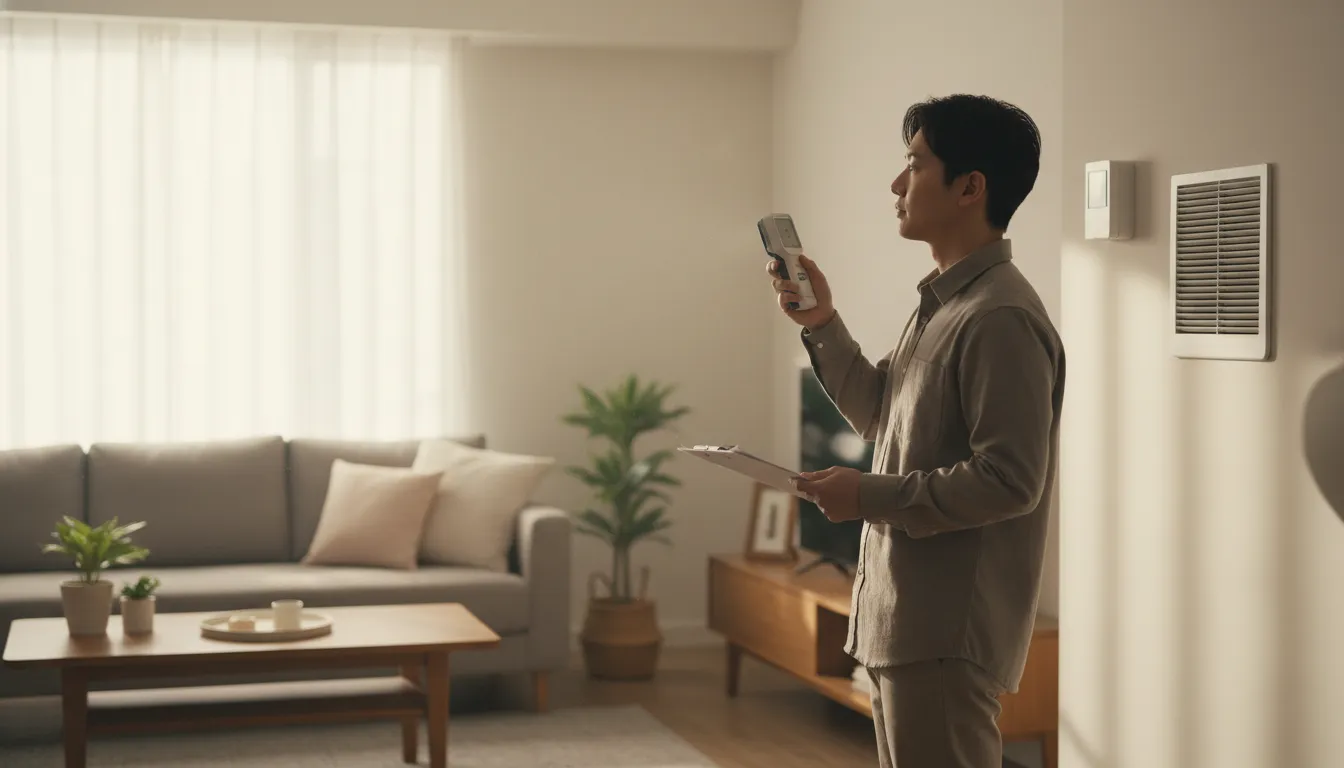
Find the Best Indoor Air Quality Service Providers for Your Business
No obligation • Fast responses • Nationwide coverage

Why you can trust HVAC Firms
HVAC Firms is a leading United States resource for evaluating HVAC service providers. Our team researches companies, checks credentials, and reviews customer feedback to present clear, unbiased information. Listings and rankings are based on merit, and companies cannot pay to change our editorial content.
Search providers near you
Best Indoor Air Quality Service Providers in Oklahoma Ranked
The quality of the air inside your Oklahoma home directly impacts your health, comfort, and even your energy bills. Indoor air quality (IAQ) refers to the condition of the air within and around buildings, particularly as it relates to the health and well-being of occupants. With Oklahomans spending a significant amount of time indoors, managing common pollutants like dust, mold, radon, and volatile chemicals is essential. This guide provides clear, actionable information on Oklahoma's air quality landscape, common pollutants, and practical solutions. You can use this resource to understand your home's needs and connect with qualified local professionals who offer testing, mitigation, and improvement services.
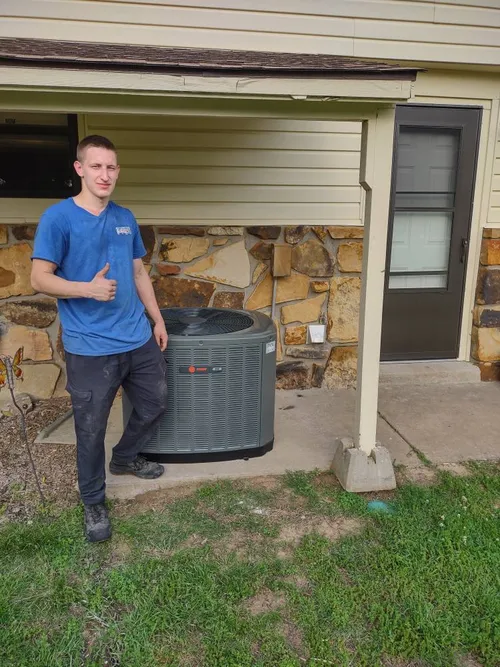
TemperaturePro
10404 E 55th Pl Suite Y, Tulsa, OK 74146
TemperaturePro is a locally owned and family-operated HVAC company serving Tulsa, OK. They provide comprehensive heating and cooling services including installation, repair, and maintenance for systems such as air conditioners, furnaces, heat pumps, boilers, and ductless mini splits. Their technicians also specialize in indoor air quality solutions, including air scrubbers and filtration systems. TemperaturePro offers 24/7 emergency service and supports a wide range of brands including Trane, Goodman, and Daikin. They emphasize transparent pricing and honest service to help customers maintain comfortable and efficient HVAC systems year-round.

American Home Pros
912 W Main St, Collinsville, OK 74021
American Home Pros is a veteran-owned HVAC and plumbing company based in Tulsa, OK. They provide a range of services including air conditioning, furnace, and heat pump repair and installation, as well as indoor air quality solutions such as duct cleaning, filtration, and humidity control. The company is known for its skilled technicians and offers maintenance memberships that include indoor air quality tests and drain treatments. They also specialize in heat pump systems suited for cold weather and provide plumbing services like water heater replacement and pipe installations.
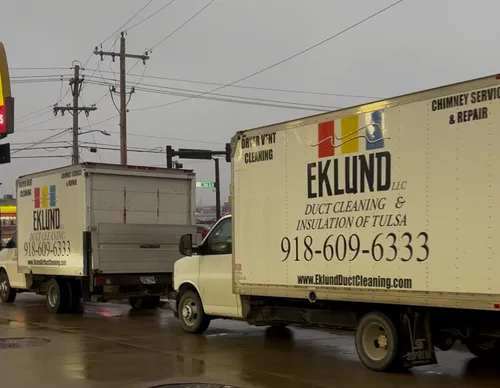
Eklund Duct Cleaning and Chimney Service
Tulsa, OK
Eklund Duct Cleaning and Chimney Service is based in Tulsa, OK, providing duct cleaning, chimney care, dryer vent cleaning, and attic insulation services. With over 10 years of experience and full HVAC support, they offer thorough inspections and cleaning to improve indoor air quality and system efficiency. Their services also include chimney cleaning and repair, as well as dryer vent cleaning to reduce fire hazards. Attic insulation is available to help regulate home temperatures and enhance energy efficiency. The company emphasizes affordable pricing and reliable scheduling.
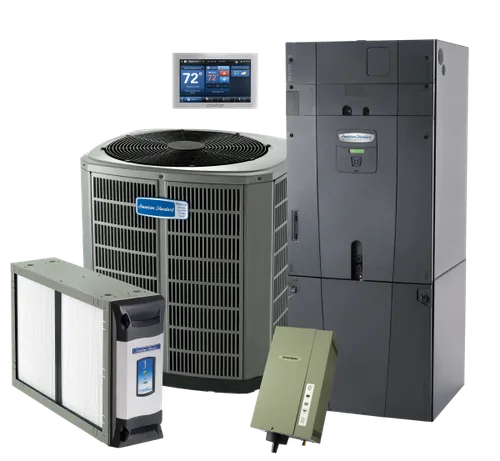
Baker's Mechanical Services
2608 W Kenosha St Ste.242, Broken Arrow, OK 74012
Baker's Mechanical Services is a residential HVAC company based in Tulsa, OK, providing installation, maintenance, and repair for heating and cooling systems. They offer services including air quality solutions such as humidifiers, air cleaners, and air purification systems. Serving Tulsa and surrounding areas, the company has been operating since 2009 and focuses on optimizing HVAC efficiency and lifespan through semi-annual maintenance programs.
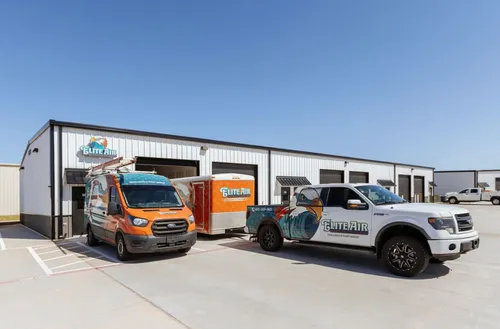
Elite Air Heating and Air Conditioning
2500 N Shields Blvd suite 501, Moore, OK 73160
Elite Air Heating and Air Conditioning is a family-owned HVAC company serving Oklahoma City, OK, and nearby areas. They provide a range of services including air conditioning installation and repair, furnace and heat pump maintenance, commercial HVAC solutions, and indoor air quality improvements such as air filtration and ventilation systems. With over 15 years of experience, Elite Air offers preventative maintenance through their Elite Comfort Program to help extend system lifespan and maintain efficiency.
Understanding Oklahoma's Indoor Air Quality Landscape
Oklahoma's approach to indoor air largely follows federal guidelines from agencies like the U.S. Environmental Protection Agency (EPA) and the Occupational Safety and Health Administration (OSHA), rather than implementing unique state-specific regulations 1 2. The Oklahoma Department of Environmental Quality (DEQ) primarily monitors and regulates outdoor ambient air quality and industrial emissions, but it endorses general best practices for indoor environments that align with national standards 1 3. This means homeowners and building managers are responsible for proactively managing their indoor air, guided by widely accepted principles of source control, ventilation, and filtration.
Professional inspections and improvements are key to this proactive approach, with costs varying based on your home's size and the specific services required 4 5 6 7. Understanding this framework is the first step toward creating a healthier living space.
Common Indoor Pollutants in Oklahoma Homes
Several pollutants commonly affect indoor environments in Oklahoma. Identifying these is crucial for determining the right improvement strategy.
- Radon: This radioactive gas originates from the natural decay of uranium in soil and can seep into buildings through cracks in the foundation. It is the leading cause of lung cancer among non-smokers 8.
- Carbon Monoxide (CO): A colorless, odorless, and potentially lethal gas produced by the incomplete combustion of fuels. Common sources include malfunctioning furnaces, water heaters, stoves, fireplaces, and vehicles in attached garages 9.
- Mold and Mildew: Fungi that thrive in damp, humid conditions. In Oklahoma, areas like bathrooms, basements, and around leaky windows or roofs are common breeding grounds. Mold spores can trigger allergic reactions and respiratory issues 10.
- Volatile Organic Compounds (VOCs): These are chemicals that evaporate (off-gas) at room temperature from products like paints, varnishes, cleaning supplies, adhesives, new furniture, and building materials. They can cause short- and long-term health effects 11.
- Particulate Matter: This includes fine dust, smoke (from tobacco, cooking, or wildfires), and other microscopic particles that can be inhaled deep into the lungs, aggravating asthma and other conditions 12.
- Allergens: Biological irritants such as dust mite droppings, pollen that enters from outdoors, pet dander, and particles from pest waste (like rodents or cockroaches) are common triggers for allergies and asthma 13 14.
The Critical Role of Ventilation
Proper ventilation is one of the most effective strategies for diluting and removing indoor air pollutants by bringing in fresh outdoor air 15. Oklahoma's building codes provide specific expectations for ventilation systems.
The Oklahoma Mechanical Code requires that every occupied space be provided with ventilation by natural or mechanical means. For modern, energy-efficient homes built with tight seals and low air infiltration rates (typically less than 5 air changes per hour), the code explicitly requires mechanical ventilation systems to ensure adequate air exchange. Key ventilation practices include:
- Using Exhaust Fans: Always use kitchen exhaust fans vented to the outside when cooking and bathroom fans during and after showers to remove moisture and pollutants.
- Venting Combustion Appliances: Ensure all fuel-burning appliances, such as furnaces, water heaters, and stoves, are properly vented to the outdoors to prevent dangerous backdrafting of gases like carbon monoxide.
- General Air Circulation: Regularly opening windows when weather permits is a simple way to refresh indoor air, though it may be less practical during Oklahoma's extreme summer heat or winter cold.
Find the perfect indoor air quality service providers for your needs
Get personalized recommendations and expert advice
HVAC Maintenance: Your First Line of Defense
Your heating, ventilation, and air conditioning (HVAC) system plays a pivotal role in circulating and filtering the air throughout your home. Regular maintenance is not just about efficiency; it's a core component of good indoor air quality.
A well-maintained system with a clean filter can trap a significant amount of particulate matter and allergens. Industry recommendations suggest replacing standard HVAC filters every 1 to 3 months, depending on use and household factors like pets 16 17. For enhanced filtration, high-efficiency particulate air (HEPA) filters or upgraded media filters are recommended to capture finer particles 16. Furthermore, having your ductwork professionally cleaned every 3 to 5 years, as suggested by the National Air Duct Cleaners Association (NADCA), can remove accumulated dust, debris, and microbial growth that would otherwise be recirculated.
Professional IAQ Testing and Improvement Costs
While DIY test kits are available for a lower initial cost, professional testing is widely recommended for its accuracy, comprehensiveness, and the expert interpretation that guides effective remediation 18 19. Costs for indoor air quality services in Oklahoma are generally consistent with national averages, varying by the home's square footage and the scope of work 18 20.
| Service | Average Cost Range | Notes |
|---|---|---|
| Professional IAQ Inspection (Basic) | $285 - $563 | Typically assesses multiple parameters and varies by home size. |
| Specific Pollutant Testing (Professional) | ||
| - Radon Testing | $150 - $800 | |
| - Mold Testing | $300 - $1,000 | Often includes multiple air or surface samples. |
| - Carbon Monoxide Inspection | $100 - $200 | Frequently part of a general home safety check. |
| - VOC Assessment | $200 - $300 | Per sample or assessment. |
| Air Duct Cleaning | $300 - $1,000 | Depends on the number of vents, system accessibility, and home size. |
| Air Purifier Installation (Whole-home) | $150 - $700+ | Cost depends on the unit's technology and coverage capacity. |
| Mold Remediation (Professional) | $1,200 - $3,800 | Highly variable based on the extent and location of contamination. |
| Radon Mitigation System Installation | $800 - $1,300 | Involves installing a sub-slab depressurization system and vent pipe. |
Investing in these services can lead to long-term benefits, including improved health, reduced allergy symptoms, and even potential energy savings from a more efficient HVAC system 21.
Creating a Healthier Indoor Environment: Practical Steps
Beyond testing and professional services, everyday habits contribute significantly to your home's air quality.
- Control Moisture: Use dehumidifiers in damp areas like basements, fix leaks promptly, and ensure proper drainage around your home's foundation to prevent mold growth.
- Practice Source Control: Choose low-VOC paints and cleaning products, store chemicals properly in garages or sheds, and avoid smoking indoors.
- Clean Regularly: Vacuum carpets and upholstery with a HEPA-filter vacuum cleaner, dust with damp cloths, and wash bedding frequently in hot water to reduce allergens.
- Maintain Appliances: Have your furnace, water heater, and other combustion appliances inspected annually by a qualified technician to ensure they are operating safely and efficiently.
- Monitor Your Air: Consider using affordable standalone monitors for humidity, carbon monoxide, and particulate matter to stay informed about your home's conditions.
By combining consistent maintenance, smart habits, and professional expertise when needed, you can effectively manage the air quality in your Oklahoma home for a healthier and more comfortable living environment.
Frequently asked questions
Sources
Footnotes
-
Air Quality Rules & Planning - Oklahoma.gov - https://oklahoma.gov/deq/divisions/air-quality/rules-planning.html ↩ ↩2
-
Indoor Air Quality - Overview - OSHA - https://www.osha.gov/indoor-air-quality ↩
-
Care for Your Air: A Guide to Indoor Air Quality | US EPA - https://www.epa.gov/indoor-air-quality-iaq/care-your-air-guide-indoor-air-quality ↩
-
Chapter 4 Ventilation: Oklahoma Mechanical Code 2018 - https://up.codes/viewer/oklahoma/imc-2018/chapter/4/ventilation ↩
-
Ideal Indoor Air Quality: Standards, Strategies, and Natural Enhancements - https://www.linkedin.com/pulse/ideal-indoor-air-quality-standards-strategies-natural-jules-williams-4qcxc ↩
-
How often should you service your AC unit in Oklahoma's climate? - https://www.trueblueac.com/blog/how-often-should-you-service-your-ac-unit-in-oklahomas-climate/ ↩
-
Indoor Air Quality Services | Advanced IAQ Solutions - https://advancediaqconsulting.com/indoor-air-quality/ ↩
-
Radon Issue Brief FINAL - https://wicancer.org/wp-content/uploads/2025/11/Nov-2025-Radon-Issue-Brief.pdf ↩
-
Indoor Air Quality | US EPA - https://www.epa.gov/air-quality/indoor-air-quality ↩
-
Avoiding Indoor airPLUS Pi0alls for Your PHIUS Projects - https://www.phius.org/sites/default/files/2022-07/Wasser-IAP_PHIUS.pdf ↩
-
About VOC's and Air Quality Atlanta - https://advancedentpc.com/about-vocs-and-air-quality/ ↩
-
Indoor and Outdoor Pollution - https://filterking.com/blog/indoor-and-outdoor-pollution ↩
-
Indoor Air Pollutants: AP® Environmental Science Review - https://www.albert.io/blog/indoor-air-pollutants-and-its-sources-ap-environmental-science-review/ ↩
-
National Ambient Air Quality Standards (NAAQS) - https://oklahoma.gov/deq/divisions/air-quality/ambient-monitoring/naaqs.html ↩
-
IAQ Reference Guide, Indoor Air Quality, Tools for Schools - epa nepis - https://nepis.epa.gov/Exe/ZyPURL.cgi?Dockey=P1009QR0.TXT ↩
-
Maintaining Healthy Indoor Air Quality During Oklahoma Winters - https://aircomfortsolutions.net/okc/blog/maintaining-healthy-indoor-air-quality-during-oklahoma-winters/ ↩ ↩2
-
Indoor Air Pollution: Introduction for Health Professionals | CPSC.gov - https://www.cpsc.gov/safety-education/safety-guides/home/indoor-air-pollution-introduction-health-professionals ↩
-
How Much Does Indoor Air Quality Testing Cost? [2026 Data] | Angi - https://www.angi.com/articles/how-much-does-indoor-air-quality-testing-cost.htm ↩ ↩2
-
How Much Does an Indoor Air Quality Test Cost? - Ambient Edge - https://www.ambientedge.com/faqs/how-much-does-an-indoor-air-quality-test-cost/ ↩
-
How Much Does Indoor Air Quality Testing Cost? - https://www.katyacrepair.com/how-much-does-it-cost-to-have-your-home-indoor-air-quality-tested/ ↩
-
OKC Homeowners Save $300 Annually with Vent Cleaning - https://ventmantic.com/local-study-shows-okc-homeowners-save-three-hundred-through-vent-cleaning/ ↩