Find the Best Indoor Air Quality Service Providers for Your Business
No obligation • Fast responses • Nationwide coverage

Why you can trust HVAC Firms
HVAC Firms is a leading United States resource for evaluating HVAC service providers. Our team researches companies, checks credentials, and reviews customer feedback to present clear, unbiased information. Listings and rankings are based on merit, and companies cannot pay to change our editorial content.
Search providers near you
Top Indoor Air Quality Service Providers in Niagara Falls, New York Ranked
The air you breathe inside your Niagara Falls home or office has a direct impact on your health, comfort, and productivity. Indoor air quality (IAQ) refers to the condition of the air within and around buildings, particularly as it relates to the health and well-being of occupants. In our region, unique environmental factors like humid summers, cold winters, and seasonal wildfire smoke make managing IAQ a critical concern. This resource is designed to help you understand common local air quality challenges, from mold to fine particulates, and connect you with proven strategies and local expertise to create a cleaner, healthier indoor environment for your family or employees.
Sullivan Heating & Cooling
3486 Walden Ave, Depew, NY 14043
Sullivan Heating & Cooling is a licensed HVAC contractor serving Buffalo, NY, specializing in heating and cooling system installation, repair, and maintenance. They work with all brands of furnaces, air conditioners, heat pumps, boilers, and mini split systems. The company offers indoor air quality services and installs thermostats and zoning products. As a Lennox dealer, they provide a range of residential heating and air conditioning equipment. Sullivan Heating & Cooling has experience installing many systems in the area and offers 24/7 emergency service to assist customers whenever needed.
Reimer Heating, Cooling & Plumbing
2575 Broadway, Cheektowaga, NY 14227
Reimer Heating, Cooling & Plumbing is a full-service provider based in Buffalo, NY, offering HVAC, plumbing, and electrical services. They specialize in air conditioning and furnace repair and installation, mini split and ductless system installation, HVAC tune-ups, and indoor air quality solutions. Reimer is a Factory Authorized Trane System Dealer and has been serving Western New York since 1921. The company provides 24/7 availability for urgent home service needs, ensuring comfort and safety year-round.
Zenner & Ritter Home Services
3404 Bailey Ave, Buffalo, NY 14215
Zenner & Ritter Home Services is a full-service HVAC, plumbing, air quality, and generator company serving Buffalo, NY. With 95 years of experience, they provide installation, repair, and maintenance for heating and cooling systems, including furnaces, boilers, heat pumps, and air conditioners. Their services also include indoor air quality improvements such as duct cleaning and air purifier installations, as well as generator installation and repair to ensure reliable backup power during outages. The company is known for thorough diagnostics and system-wide inspections to address root causes of HVAC issues.

Sunbeam Service Experts
2914 Walden Ave Suite 300, Depew, NY 14043
Sunbeam Service Experts is an HVAC and home services provider based in Buffalo, NY, serving the local community since 1939. They offer a range of services including air conditioning and furnace repair, installation, HVAC tune-ups, and indoor air quality solutions. Their team is licensed, bonded, and ACE-certified, ensuring professional care for heating, cooling, and electrical systems. Sunbeam Service Experts provides 24/7 availability to address urgent home comfort needs and supports customers across Buffalo and surrounding areas with expertise backed by a national network.
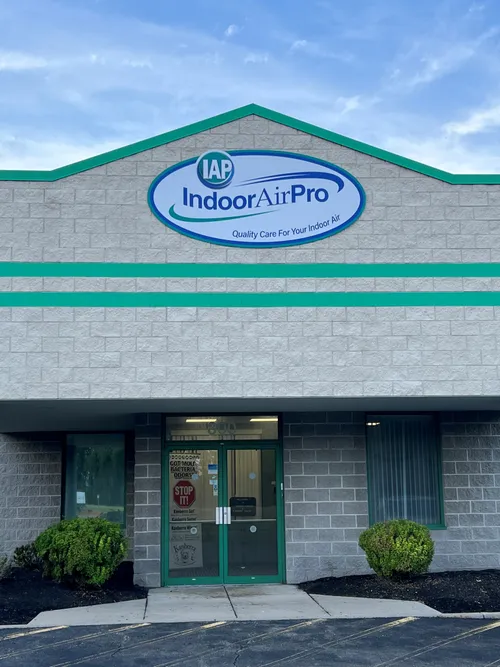
Indoor Air Professionals Inc.
800 Commerce Pkwy, Lancaster, NY 14086
Indoor Air Professionals Inc. is a duct cleaning and indoor air quality service provider based in Buffalo, NY. They use the patented Collom™ Air Duct Cleaning System to thoroughly clean ductwork while preserving its integrity. The company also offers Aeroseal, a non-toxic aerosol mist process developed in 1994 to seal duct leaks, improving temperature balance and reducing HVAC stress. Additionally, Indoor Air Professionals provides mold testing and remediation as a licensed New York State Mold Assessor and Remediation Contractor, along with dryer vent cleaning and specialized Tea Tree Fogging treatments for odor elimination and allergy relief.
Why Niagara Falls Presents Unique Air Quality Challenges
Niagara Falls isn't just famous for its waterfalls; its climate and location create a specific set of conditions that affect the air inside local buildings. The proximity to major water bodies contributes to higher humidity levels, especially during summer months. This moisture, combined with cold winters that force buildings to be sealed tight, creates a perfect breeding ground for mold and mildew, particularly in basements and crawlspaces.
Furthermore, Western New York has recently experienced significant impacts from wildfire smoke, which has led to elevated levels of fine particulate matter (PM2.5) in outdoor air. Since people often retreat indoors when outdoor air quality is poor, ensuring the indoor environment is clean becomes even more vital. Older buildings in the area may also lack modern ventilation, trapping pollutants and leading to stale, potentially unhealthy air.
Common Indoor Pollutants in Niagara Falls Homes & Businesses
Understanding what you're up against is the first step toward improvement. Here are the most frequent culprits affecting indoor environmental quality in our area:
- Mold and Mildew: Driven by high humidity, damp basements, and condensation on cold surfaces. Mold spores can trigger allergies, asthma, and other respiratory issues.
- Fine Particulate Matter (PM2.5): These microscopic particles can penetrate deep into the lungs. While often from outdoor sources like wildfires, they can infiltrate homes and recirculate 1 2.
- Volatile Organic Compounds (VOCs): Gases emitted from common household products like paints, varnishes, cleaning supplies, adhesives, and even new furniture or carpeting.
- Combustion Pollutants: Including carbon monoxide (CO) and nitrogen dioxide (NO2), which can leak from malfunctioning fuel-burning appliances like furnaces, water heaters, or wood stoves 3.
- Allergens: Pet dander, dust mites, and pollen that enter from outdoors can accumulate in carpets, upholstery, and ductwork.
- Dry Indoor Air: While humidity is a summer problem, winter heating can strip moisture from the air, leading to dry skin, irritated sinuses, and static electricity.
Professional IAQ Assessment: What to Expect
For a comprehensive understanding of your air, many local homeowners and business managers opt for a professional indoor air quality audit. Specialists in the Buffalo and Niagara Falls region use advanced tools to diagnose problems accurately.
A thorough assessment may include:
- Particle Counting: Measuring levels of PM2.5 and PM10.
- VOC Monitoring: Identifying concentrations of harmful chemical gases.
- Humidity & Temperature Mapping: Pinpointing areas prone to mold growth.
- Combustion Safety Testing: Checking for dangerous leaks from heating equipment 4.
- Carbon Dioxide (CO₂) Monitoring: High CO₂ levels indicate inadequate ventilation and stale air 5.
- Blower Door Tests: To assess how leaky a building's envelope is, which affects both energy loss and pollutant infiltration 6.
- Mold Sampling: Air or surface samples sent to a lab for analysis.
Professional testing provides a clear baseline and can typically range from $200 to $500 or more, depending on the scope and number of tests performed.
Find the perfect indoor air quality service providers for your needs
Get personalized recommendations and expert advice
Effective Strategies to Improve Your Indoor Air
Once you've identified the issues, a multi-pronged approach is often most effective. Here are key strategies recommended by experts:
1. Source Control
The most effective way to improve air quality is to eliminate pollutants at their source. This includes using low-VOC paints and cleaning products, ensuring gas appliances are properly vented and maintained, and promptly fixing water leaks to prevent mold 7.
2. Ventilation Improvements
Bringing in fresh, outdoor air is crucial, especially in tightly sealed, energy-efficient homes.
- Use Exhaust Fans: Always run bathroom and kitchen fans while showering or cooking.
- Open Windows: When weather and outdoor air quality permit, cross-ventilation helps flush out contaminants.
- Install an HRV/ERV: A Heat Recovery Ventilator (HRV) or Energy Recovery Ventilator (ERV) is highly recommended for modern homes. It systematically brings in fresh air while exhausting stale air, recovering heat in the process to maintain energy efficiency. Installation for these systems often ranges from $1,500 to $3,000+ 8 9.
3. Advanced Filtration and Air Cleaning
Upgrading your HVAC system's filtration is a powerful step.
- High-Efficiency Filters: Use a Minimum Efficiency Reporting Value (MERV) 13 or higher filter in your forced-air system to capture fine particles, including PM2.5. This upgrade typically costs a few hundred dollars 10 11.
- Standalone Air Purifiers: Portable HEPA air purifiers are effective for single rooms, with costs ranging from $200 to $1,000+ 12.
- UV Germicidal Lights: Installed inside your HVAC ductwork, these lights use ultraviolet energy to kill mold, bacteria, and viruses, with units often costing between $500 and $1,000+ 13 14.
4. Humidity Control
Maintaining indoor relative humidity between 30% and 50% inhibits mold growth and dust mites.
- Dehumidifiers: Essential for basements and crawlspaces in our humid summers.
- Humidifiers: Can add necessary moisture back into the air during dry winter months.
5. Sealing the Building Envelope
While ventilation is key, sealing major air leaks (like those around windows, doors, and foundations) prevents uncontrolled infiltration of dust, pollen, and moist air. This can be done with caulk, spray foam, or weatherstripping 15.
Maintaining Healthy Air Long-Term
Improving your indoor air isn't a one-time project; it requires ongoing attention. Simple habits make a big difference: change HVAC filters regularly (every 1-3 months), keep houseplants to help naturally filter air, vacuum frequently using a HEPA-filter vacuum cleaner, and immediately address any water intrusion or musty odors. Scheduling annual HVAC maintenance also ensures your system is circulating and filtering air efficiently.
Frequently asked questions
Sources
Footnotes
-
Air quality health advisory issued for Western New York - https://www.wivb.com/news/local-news/western-new-york/air-quality-health-advisory-issued-for-most-of-western-new-york/ ↩
-
Air Quality Health Advisory Issued for Western New York ... - https://dec.ny.gov/news/press-releases/2025/8/air-quality-health-advisory-issued-for-western-new-york-eastern-lake-ontario-and-adirondack-regions ↩
-
Updated Air Quality Health Advisory Issued for Central New York, ... - https://dec.ny.gov/news/press-releases/2025/8/updated-air-quality-health-advisory-issued-for-central-new-york-western-new-york-eastern-lake-ontario-and-adirondack-regions ↩
-
Environmental Air Solutions - https://www.google.com/viewer/place?mid=/g/11hcx7sdh2 ↩
-
WHO Health Guidelines for Indoor Air Quality and National Recommendations/Standards - https://link.springer.com/rwe/10.1007/978-981-10-5155-5_49-1 ↩
-
Indoor Air Quality Testing Services | Buffalo & Niagara Falls, NY - https://tropicalheating.net/services/indoor-air-quality/indoor-air-quality-testing/ ↩
-
Indoor Air Quality - NM-Tracking - https://nmtracking.doh.nm.gov/environment/air/IndoorQuality.html ↩
-
Enhance Indoor Air Quality in Niagara Falls - https://www.niagarahomeheating.com/iaq ↩
-
Indoor Air Quality - NYSERDA - NY.Gov - https://www.nyserda.ny.gov/PutEnergyToWork/Energy-Technology-and-Solutions/Energy-Efficiency-Solutions/Indoor-Air-Quality ↩
-
Elevate Indoor Air Quality | Improve Home Comfort - https://www.niagarahomeheating.com/blog/elevate-indoor-air-quality-in-properties ↩
-
Enhanced Indoor Air Quality Strategies ref guide BDC - USGBC - https://www.usgbc.org/node/2755634 ↩
-
When the air quality index is unhealthy ... - Niagara County - https://www.niagaracounty.gov/news_detail_T8_R484.php ↩
-
Enhance Indoor Air Quality in Niagara Falls - https://www.niagarahomeheating.com/iaq ↩
-
Buffalo Environmental & Construction Group - https://www.google.com/viewer/place?mid=/g/11c45z_wv2 ↩
-
How to Improve Indoor Air Quality - Strada Services - https://stradaservices.com/about-us/blog/how-to-improve-indoor-air-quality/ ↩