Find the Best Indoor Air Quality Service Providers for Your Business
No obligation • Fast responses • Nationwide coverage

Why you can trust HVAC Firms
HVAC Firms is a leading United States resource for evaluating HVAC service providers. Our team researches companies, checks credentials, and reviews customer feedback to present clear, unbiased information. Listings and rankings are based on merit, and companies cannot pay to change our editorial content.
Search providers near you
Top Indoor Air Quality Service Providers in Buffalo, New York Ranked
The air you breathe inside your home or workplace has a direct impact on your health, comfort, and productivity. In Buffalo, managing indoor air quality (IAQ) is a critical concern due to the region's climate and historic building stock. This resource connects you with local expertise for assessing and improving your indoor environment, helping you navigate solutions for cleaner, healthier air.
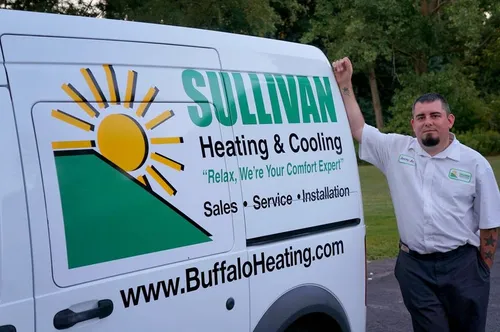
Sullivan Heating & Cooling
3486 Walden Ave, Depew, NY 14043
Sullivan Heating & Cooling is a licensed HVAC contractor serving Buffalo, NY, specializing in heating and cooling system installation, repair, and maintenance. They work with all brands of furnaces, air conditioners, heat pumps, boilers, and mini split systems. The company offers indoor air quality services and installs thermostats and zoning products. As a Lennox dealer, they provide a range of residential heating and air conditioning equipment. Sullivan Heating & Cooling has experience installing many systems in the area and offers 24/7 emergency service to assist customers whenever needed.
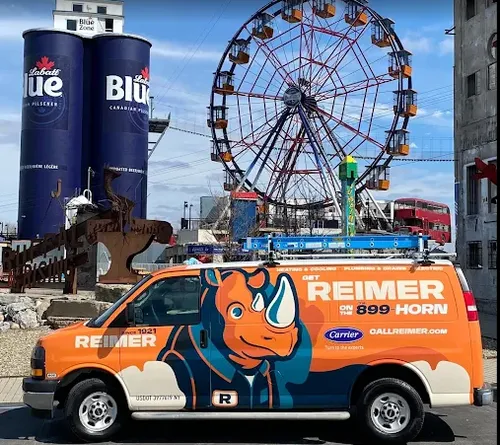
Reimer Heating, Cooling & Plumbing
2575 Broadway, Cheektowaga, NY 14227
Reimer Heating, Cooling & Plumbing is a full-service provider based in Buffalo, NY, offering HVAC, plumbing, and electrical services. They specialize in air conditioning and furnace repair and installation, mini split and ductless system installation, HVAC tune-ups, and indoor air quality solutions. Reimer is a Factory Authorized Trane System Dealer and has been serving Western New York since 1921. The company provides 24/7 availability for urgent home service needs, ensuring comfort and safety year-round.
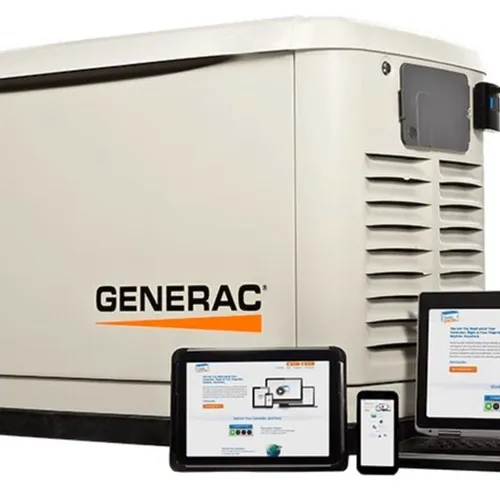
Zenner & Ritter Home Services
3404 Bailey Ave, Buffalo, NY 14215
Zenner & Ritter Home Services is a full-service HVAC, plumbing, air quality, and generator company serving Buffalo, NY. With 95 years of experience, they provide installation, repair, and maintenance for heating and cooling systems, including furnaces, boilers, heat pumps, and air conditioners. Their services also include indoor air quality improvements such as duct cleaning and air purifier installations, as well as generator installation and repair to ensure reliable backup power during outages. The company is known for thorough diagnostics and system-wide inspections to address root causes of HVAC issues.

Sunbeam Service Experts
2914 Walden Ave Suite 300, Depew, NY 14043
Sunbeam Service Experts is an HVAC and home services provider based in Buffalo, NY, serving the local community since 1939. They offer a range of services including air conditioning and furnace repair, installation, HVAC tune-ups, and indoor air quality solutions. Their team is licensed, bonded, and ACE-certified, ensuring professional care for heating, cooling, and electrical systems. Sunbeam Service Experts provides 24/7 availability to address urgent home comfort needs and supports customers across Buffalo and surrounding areas with expertise backed by a national network.
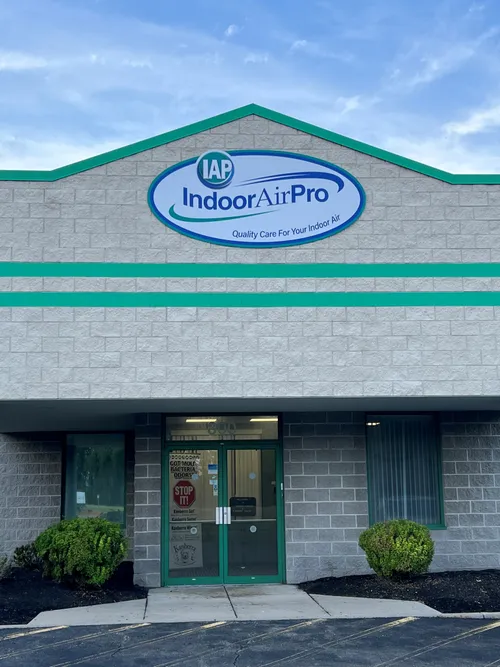
Indoor Air Professionals Inc.
800 Commerce Pkwy, Lancaster, NY 14086
Indoor Air Professionals Inc. is a duct cleaning and indoor air quality service provider based in Buffalo, NY. They use the patented Collom™ Air Duct Cleaning System to thoroughly clean ductwork while preserving its integrity. The company also offers Aeroseal, a non-toxic aerosol mist process developed in 1994 to seal duct leaks, improving temperature balance and reducing HVAC stress. Additionally, Indoor Air Professionals provides mold testing and remediation as a licensed New York State Mold Assessor and Remediation Contractor, along with dryer vent cleaning and specialized Tea Tree Fogging treatments for odor elimination and allergy relief.
Understanding Buffalo's Unique Indoor Air Challenges
Buffalo's distinct seasons and architectural heritage create a specific set of indoor environmental quality issues. The long, humid winters and the prevalence of older homes and commercial buildings mean residents often contend with problems that are less common in newer, climate-controlled structures in other parts of the country. Addressing these issues starts with recognizing the most common culprits affecting air purity in the Queen City.
Moisture and Mold: A Persistent Problem
From November through May, high humidity levels and temperature fluctuations can lead to condensation on windows, damp basements, and hidden moisture within walls. This persistent dampness is a primary catalyst for mold growth. Older homes, with their unique construction and sometimes inadequate insulation, are particularly susceptible. Exposure to mold spores and the microbial volatile organic compounds (mVOCs) they produce can trigger symptoms like persistent headaches, fatigue, sinus congestion, and aggravated respiratory issues, especially in sensitive individuals 1.
Legacy Hazards in Older Buildings
Buffalo's rich architectural history comes with a hidden cost: legacy building materials. Homes and structures built before the 1980s may contain lead-based paint and asbestos-containing insulation, flooring, or pipe wrap 2 3. Disturbing these materials during renovations or through normal wear and tear can release dangerous particles into the air. Furthermore, older buildings may have materials that "off-gas" volatile organic compounds (VOCs) from adhesives, paints, or treated wood, contributing to poor indoor environmental quality 2 4.
Combustion Byproducts and Outdoor Intrusion
Daily activities can introduce pollutants. Gas stoves, a common feature in many homes, emit nitrogen dioxide (NO2) and carbon monoxide (CO), which are particularly harmful to children, the elderly, and those with asthma or other respiratory conditions. Buffalo's urban environment also means outdoor air pollution from traffic, regional industrial sources, and even seasonal wood smoke can infiltrate homes, especially through leaks in older, drafty building envelopes 5. This creates a cycle where improving indoor air also involves managing what comes in from outside.
How to Test and Monitor Your Indoor Air
Knowing what's in your air is the first step toward fixing it. A range of methods, from simple observations to professional-grade analysis, can help you identify the specific pollutants affecting your space.
Initial Assessment: Begin with your own senses. Look for visible mold, water stains, or condensation. Pay attention to musty odors, which often indicate microbial growth, or chemical smells that could point to VOC off-gassing. Note if symptoms like irritation or headaches improve when you leave the building and return when you come back.
DIY Monitoring Devices: For ongoing awareness, consumer-grade air quality monitors can track key metrics like particulate matter (PM2.5), carbon dioxide (CO2), VOCs, humidity, and temperature 6. Radon test kits, available at hardware stores, are essential for detecting this odorless, radioactive gas that can seep from the soil into basements.
Professional Indoor Air Quality Testing: For a definitive diagnosis, professional testing is recommended. Certified inspectors use specialized equipment like photoionization detectors (PIDs) for broad-spectrum VOC measurement, laser particle counters for mold and dust, and precise radon detectors 7. They can also take air or surface samples for laboratory analysis to identify specific mold species, asbestos fibers, or chemical contaminants 8.
What Does Professional Testing Cost in Buffalo?
Investment in testing varies based on the scope. A basic visual inspection and consultation may range from $400 to $600. More comprehensive testing packages that cover multiple pollutants (e.g., mold, VOCs, particulates) typically range from $1,200 to over $2,800. Specific tests have their own ranges:
- Mold/Particulate Analysis: $600 - $800
- VOC Testing: $800 - $1,200
- Radon Testing: $175 - $350
- Asbestos Testing: $550 - $1,200 Many professionals also work on an hourly basis, with rates between $75 and $150 per hour 9.
Find the perfect indoor air quality service providers for your needs
Get personalized recommendations and expert advice
Effective Strategies for Cleaner Indoor Air
Once you understand your air quality challenges, you can implement targeted solutions. The most effective approach follows a hierarchy: control the source, then ventilate, and finally, clean the air.
1. Source Control: Eliminate Pollutants at the Origin
This is the most effective long-term strategy. For Buffalo homes, key actions include:
- Electrify Appliances: Replacing a gas stove with an induction cooktop eliminates kitchen-based NO2 and CO pollution 10.
- Choose Low-VOC Products: Opt for paints, sealants, cleaners, and furnishings labeled as low-VOC to reduce off-gassing.
- Manage Dust and Pests: Use a vacuum with a HEPA filter, employ doormats, and address pest issues with integrated pest management to reduce allergens.
- Safely Address Hazards: Hire certified professionals for lead or asbestos abatement before beginning renovation projects in older homes.
2. Ventilation: Dilute Stale Air with Fresh Air
Proper ventilation is crucial, especially in tightly sealed homes.
- Natural Ventilation: Simply opening windows when weather and outdoor air quality permit is highly effective.
- Exhaust Fans: Consistently use bathroom and kitchen fans that vent to the outside to remove moisture and cooking pollutants.
- HVAC Upgrades: For whole-home solutions, consider installing Energy Recovery Ventilators (ERVs) or Heat Recovery Ventilators (HRVs). These systems efficiently exchange stale indoor air for fresh outdoor air while conserving energy, a significant benefit in Buffalo's climate. Upgrading to a modern, properly sized HVAC system can also improve air circulation and filtration.
3. Air Cleaning: Capture Remaining Contaminants
When source control and ventilation aren't enough, air purifiers provide an additional layer of defense.
- HEPA Filtration: Portable air cleaners with true HEPA filters are excellent for removing fine particulate matter, including mold spores, dust, and pollen.
- Activated Carbon: Filters containing activated carbon are necessary to adsorb gases, odors, and VOCs that HEPA filters cannot catch.
- Whole-Home Air Cleaners: These units integrate directly with your forced-air HVAC system, providing centralized filtration for the entire house.
4. Humidity and Building Envelope Management
Controlling moisture is non-negotiable in Western New York.
- Use dehumidifiers in basements and humidifiers in dry winter months to maintain an ideal relative humidity between 30% and 50% 11.
- Invest in weatherization, such as proper insulation, air sealing, and window upgrades. This not only improves comfort and saves energy but also reduces drafts that can bring in outdoor pollutants and create cold surfaces where condensation forms.
Improving your indoor environment is an investment in long-term health and well-being. While some upgrades have upfront costs, many-like electrification and weatherization-offer significant savings on energy bills over time, creating a positive return on investment for your home and health 12 13.
Frequently asked questions
Sources
Footnotes
-
Indoor Air Quality Testing in Buffalo, NY - https://environmentalairsolutionsny.com/indoor-air-quality-testing-buffalo-ny/ ↩
-
Indoor Air Quality Testing Services | Buffalo & Niagara Falls, NY - https://tropicalheating.net/services/indoor-air-quality/indoor-air-quality-testing/ ↩ ↩2
-
Climate Solutions are Health Solutions: - https://ppgbuffalo.org/files/documents/environment/buildings_and_housing/environment-_climate_solutions_are_health_solutions.pdf ↩
-
Indoor Environmental Quality - Administrative Services Gateway - https://www.buffalo.edu/administrative-services/managing-facilities/environment-health-and-safety/working-safely/workplace/air-quality-ventilation/indoor-environmental-quality.html ↩
-
Residential Indoor and Outdoor PM Measured Using Low-cost ... - https://aaqr.org/articles/aaqr-22-05-oa-0210 ↩
-
How to test indoor air quality in your home - Airthings - https://www.airthings.com/resources/how-to-test-air-quality-in-your-home ↩
-
Improving Indoor Air Quality by Identifying Sources of Particulate ... - https://emsl.com/News.aspx?newsid=3982 ↩
-
Indoor Air Sampling and Analysis Guidance - https://www.health.ny.gov/environmental/indoors/air/guidance.htm ↩
-
Indoor Air Quality Testing Company Buffalo - https://www.buffaloenv.com/indoor-air-quality-testing ↩
-
Out of Gas, In With Justice - Kinetic Communities Consulting - https://kc3.nyc/media/pages/resources/df2aac839a-1698940383/out-of-gas-report-final-sml.pdf ↩
-
How to Improve Indoor Air Quality - Strada Services - https://stradaservices.com/about-us/blog/how-to-improve-indoor-air-quality/ ↩
-
Buffalo Office IAQ Testing: Safety Compliance Mastery Guide - https://www.myshyft.com/blog/indoor-air-quality-testing-for-offices-buffalo-new-york/ ↩
-
NYSERDA Market Development Case Study: Buildings of Excellence - https://www.nyserda.ny.gov/-/media/Project/Nyserda/Files/Publications/PPSER/Program-Evaluation/2023-Buildings-of-Excellence-Case-Study-appendices.pdf ↩