Find the Best Indoor Air Quality Service Providers for Your Business
No obligation • Fast responses • Nationwide coverage

Why you can trust HVAC Firms
HVAC Firms is a leading United States resource for evaluating HVAC service providers. Our team researches companies, checks credentials, and reviews customer feedback to present clear, unbiased information. Listings and rankings are based on merit, and companies cannot pay to change our editorial content.
Search providers near you
Best Indoor Air Quality Service Providers in New York Ranked
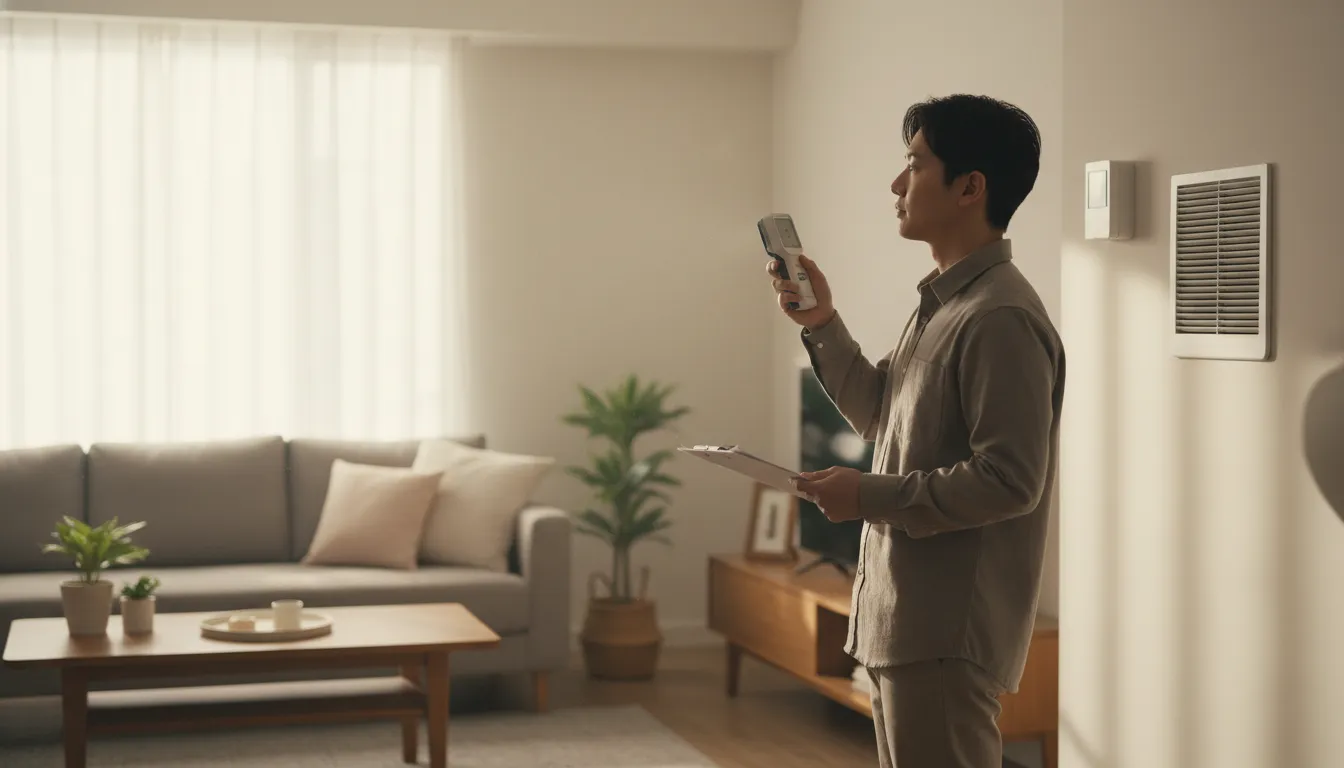
The air you breathe inside your home or workplace has a direct impact on your health, comfort, and productivity. In New York, managing indoor air quality (IAQ) is crucial due to diverse climates, urban density, and aging building stock. This guide explains the common pollutants in New York, outlines state and local guidance, and details practical steps for assessment and improvement. You can use this information to understand your air quality needs and connect with qualified local professionals who offer testing, remediation, and system upgrades.
Cool Clean Services
97 Gilmore Blvd, Floral Park, NY 11001
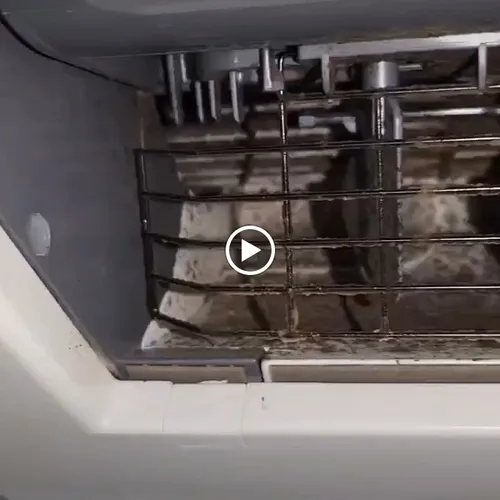
Cool Clean Services is a veteran-owned company based in New York, NY, specializing in ductless mini split cleaning and indoor air quality services. They focus on thorough cleaning and maintenance of ductless mini-split systems for both residential and commercial properties, using EPA-certified products and custom tools designed for this specific work. Their services help remove dust, allergens, odors, and mold to improve air quality and system efficiency. In addition to mini split cleaning, they offer dryer vent cleaning, air duct cleaning, and sanitizing services to support overall indoor air quality. Cool Clean Services is licensed, insured, and BBB A+ rated, serving the New York area with flexible scheduling options.
J R Air Duct Cleaning
215 Gates Rd # D, Little Ferry, NJ 07643
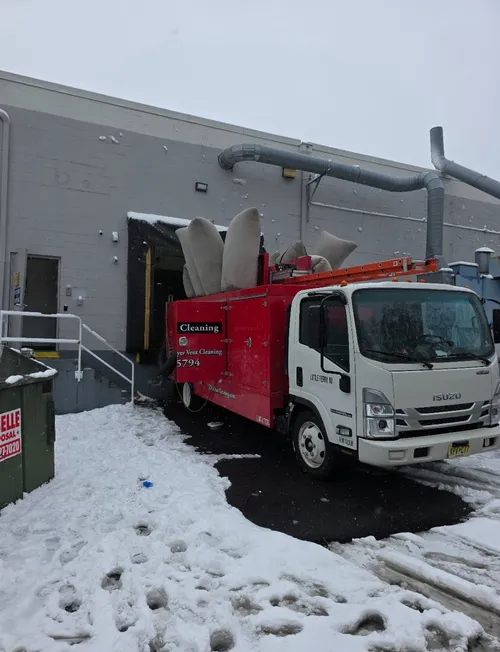
J R Air Duct Cleaning is a duct cleaning company serving New York, NY, and nearby North Jersey areas. Since 2011, they have provided residential and commercial air duct, dryer vent, and mini split air conditioner cleaning services. Their work includes thorough cleaning of HVAC system components such as air filters, coils, and registers to improve indoor air quality and system efficiency. They also offer dryer vent repairs and install bird guards to prevent blockages. Additionally, they provide UV light purifier installation to reduce airborne pollutants, benefiting those with allergies or asthma.
All Seasons Air Duct Cleaning
232 Fulton Terrace, Cliffside Park, NJ 07010
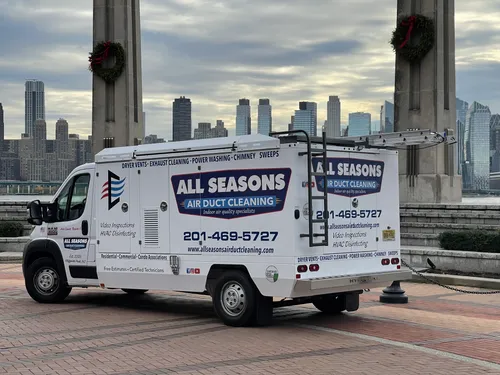
All Seasons Air Duct Cleaning is a NADCA certified company specializing in air duct and dryer vent cleaning. Based near New York, NY, they serve New Jersey areas including Hudson, Bergen, and Essex counties. Their services focus on improving indoor air quality, reducing fire risks, and enhancing HVAC efficiency through professional duct and vent cleaning. With over 20 years of experience, this family-owned business follows industry standards to ensure thorough and reliable service.
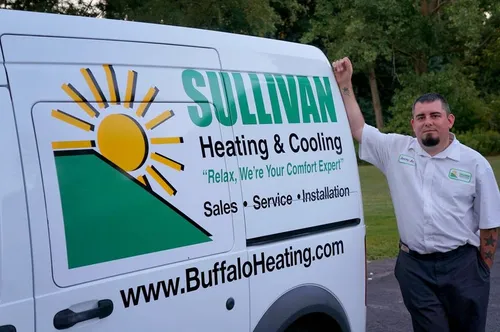
Sullivan Heating & Cooling
3486 Walden Ave, Depew, NY 14043
Sullivan Heating & Cooling is a licensed HVAC contractor serving Buffalo, NY, specializing in heating and cooling system installation, repair, and maintenance. They work with all brands of furnaces, air conditioners, heat pumps, boilers, and mini split systems. The company offers indoor air quality services and installs thermostats and zoning products. As a Lennox dealer, they provide a range of residential heating and air conditioning equipment. Sullivan Heating & Cooling has experience installing many systems in the area and offers 24/7 emergency service to assist customers whenever needed.
SM Heating and Air Conditioning Inc.
94 Wanaque Ave #1, Pompton Lakes, NJ 07442
SM Heating and Air Conditioning Inc. offers heating and air conditioning services in New York, NY, and the surrounding New Jersey areas including Pequannock and Morris County. The company provides a range of HVAC services such as air conditioner and furnace repair, installation, maintenance, and indoor air quality solutions. With over 25 years of experience, they handle everything from preventive maintenance to full system replacements and offer same-day service to address urgent needs promptly.
Why Indoor Air Quality Matters in New York
New Yorkers spend a significant amount of time indoors, where pollutant levels can be two to five times higher than outdoor levels. The New York State Department of Health emphasizes that poor indoor air can lead to immediate effects like headaches, dizziness, and fatigue, as well as long-term health risks such as respiratory diseases, heart disease, and even cancer. For vulnerable populations like children, the elderly, and those with asthma or allergies, the impact is even more pronounced. Given the state's mix of tightly sealed modern buildings and older, draftier structures, a proactive approach to air quality is not just a luxury-it's a cornerstone of public health and building maintenance.
Common Indoor Air Pollutants in New York
Understanding the specific threats is the first step toward mitigation. Key pollutants of concern identified by state and city health agencies include:
- Combustion Products: These include carbon monoxide (CO), nitrogen dioxide, and fine particulate matter from fuel-burning appliances (furnaces, water heaters, stoves), fireplaces, and tobacco or vape smoke. Proper venting and appliance maintenance are critical to prevent dangerous buildup.
- Mold and Biological Contaminants: Fungi, bacteria, dust mites, and pet dander thrive in damp conditions. New York's humid summers and potential for basement moisture in many homes create ideal environments for mold growth, which can trigger allergies and asthma attacks.
- Volatile Organic Compounds (VOCs): These are emitted as gases from a wide array of household products, including paints, varnishes, cleaning supplies, new furniture, carpets, and building materials like pressed wood (which may contain formaldehyde). Off-gassing can contribute to poor air quality long after installation 1.
- Radon: This naturally occurring, radioactive gas is a serious concern in New York. It seeps into buildings from the underlying soil and rock, particularly through basement floors and foundations. Radon is the second leading cause of lung cancer in the United States, and testing is strongly recommended for all homes, especially those with ground-floor living spaces.
- Pesticides and Tracked-in Contaminants: Chemicals used for pest control can linger in air and dust. Pollutants from outdoors, like vehicle exhaust and industrial emissions, can also be tracked inside, particularly in urban areas like New York City 2.
New York's Approach to Indoor Air Quality
New York does not have a single, overarching set of IAQ standards for all buildings but provides extensive guidance and has targeted regulations 3 4 5. The primary approach endorsed by authorities involves a three-pronged strategy: source control, ventilation, and filtration 6.
Source Control is the most effective method. This means eliminating or reducing the emission of pollutants at their origin. Examples include:
- Prohibiting smoking indoors (regulated by the NYS Clean Indoor Air Act).
- Using low-VOC paints and cleaning products.
- Fixing water leaks promptly to prevent mold.
- Ensuring fuel-burning appliances are properly installed, vented, and maintained.
Ventilation is crucial for diluting indoor pollutants by bringing in fresh outdoor air. Guidance for building occupants includes:
- Opening windows and doors when outdoor air quality is good.
- Using and maintaining exhaust fans in kitchens and bathrooms to remove moisture and contaminants at the source 7.
- For mechanically ventilated buildings, the New York Mechanical Code requires systems to provide minimum outdoor airflow rates to ensure sufficient air exchange, especially in tightly sealed structures 8.
Filtration involves capturing pollutants from the air as it circulates. Key recommendations include:
- Using high-efficiency filters (MERV 13 or higher is recommended) in forced-air HVAC systems to capture fine particles 9.
- Employing portable HEPA air cleaners in specific rooms, particularly for individuals with allergies or asthma.
- Maintaining a relative indoor humidity level between 30% and 50% to inhibit mold growth and dust mites, which may involve using dehumidifiers in damp basements or humidifiers in dry, heated winter air 10 11.
Find the perfect indoor air quality service providers for your needs
Get personalized recommendations and expert advice
Professional Assessment and Improvement Costs
While many improvements are DIY, professional assessment is often wise for identifying hidden problems like mold, radon, or improper ventilation. Costs in New York vary widely based on the pollutant, property size, and location 12 13 14.
Testing and Inspection Costs:
- General IAQ Inspection: A professional assessment may include a visual evaluation, air sampling, and laboratory analysis. Depending on the scope and number of pollutants tested, this can range from several hundred to over a thousand dollars 15 16 17.
- Radon Testing: Do-it-yourself test kits are relatively inexpensive ($20-$50). Professional short-term or long-term testing provides expert placement and analysis and may cost slightly more 18.
- Mold Assessment: If visible mold is not present but an odor or health symptom suggests it, a professional assessment can cost a few hundred dollars. This typically includes air and/or surface sampling.
Improvement and Remediation Costs:
- Ventilation Upgrades: Installing or upgrading a bathroom or kitchen exhaust fan typically costs $150 - $500+ per fan, including labor. Comprehensive HVAC system maintenance or upgrades to improve fresh air intake can range from routine service (a few hundred dollars annually) to system modifications or replacement costing thousands 19.
- Air Filtration: Portable HEPA air cleaners range from $100 to $500+ per unit, depending on room size and features. High-efficiency HVAC filters (MERV 13+) are relatively low-cost (tens of dollars per filter) but require regular replacement 20 21.
- Radon Mitigation: If high radon levels are found, installing a mitigation system (sub-slab depressurization with vent pipes and a fan) is highly effective. The typical cost in New York is $1,200 - $2,500+ 22.
- Mold Remediation: The cost for professional mold removal depends entirely on the extent of the growth. Addressing a small, contained area may cost a few hundred dollars, while remediation for widespread contamination, including repair of the underlying water damage, can easily reach several thousand dollars 23.
Resources for New York Residents
The New York State Department of Health and NYC Health provide robust, detailed resources for both homeowners and building managers 24. These include fact sheets on specific pollutants, guidance for schools and workplaces, and recommendations for action during events like wildfires when outdoor air quality plummets. Utilizing these publicly available guidelines is an excellent first step in creating a healthier indoor environment.
Frequently asked questions
Sources
Footnotes
-
Indoor Air Quality - NYC Health - https://www.nyc.gov/site/doh/health/health-topics/indoor-air-quality.page ↩
-
Indoor Air Quality | NYCOSH - http://nycosh.org/wp-content/uploads/2014/10/Indoor-Air-Quality-NYCOSH.pdf ↩
-
The Inside Story: A Guide to Indoor Air Quality | US EPA - https://www.epa.gov/indoor-air-quality-iaq/inside-story-guide-indoor-air-quality ↩
-
Ensuring Healthy Air in Your Home | NYC.gov - https://www.nyc.gov/assets/hpd/downloads/pdfs/services/safe-ventilation-at-home.pdf ↩
-
Comparison of strategies to improve indoor air quality at the pre-occupancy stage in new apartment buildings - https://www.sciencedirect.com/science/article/pii/S0360132306003453 ↩
-
Indoor Air - New York State Department of Health - https://www.health.ny.gov/environmental/indoors/air/ ↩
-
Indoor Air Quality - NYC Health - https://www.nyc.gov/site/doh/health/health-topics/indoor-air-quality.page ↩
-
Chapter 4 Ventilation: New York State Mechanical Code 2020 - https://up.codes/viewer/new_york/ny-mechanical-code-2020/chapter/4/ventilation ↩
-
Clean Air Centers - New York State Department of Health - https://www.health.ny.gov/environmental/outdoors/air/cleanair.htm ↩
-
Indoor Air - New York State Department of Health - https://www.health.ny.gov/environmental/indoors/air/ ↩
-
Indoor Air Quality - NYC Health - https://www.nyc.gov/site/doh/health/health-topics/indoor-air-quality.page ↩
-
Main stages of indoor air quality services testing, remediation & maintenance? - Thermacon Service Company, Inc. - https://thermaconservice.com/indoor-air-quality-testing-remediation-maintenance/ ↩
-
Proposed Amendments to Metro Vancouver's Air Quality Management Fees Regulation Bylaw No. 1330 Discussion Paper - https://metrovancouver.org/services/air-quality-climate-action/Documents/air-quality-management-fees-discussion-paper-summary.pdf ↩
-
How Much Does a Car Inspection Cost in New York? (2025 Guide) - https://carlosrepairsridge.com/blog/how-much-does-a-car-inspection-cost-in-new-york-2025-guide/ ↩
-
Our Approach & Methods - https://www.iaqanswers.com/our-approach ↩
-
What To Expect In Professional Indoor Air Quality Testing - https://www.linkedin.com/pulse/what-expect-professional-indoor-air-quality-testing-81jre ↩
-
Indoor Air Quality Assessment: What IAQ Is & How It Helps - SitelogIQ - https://www.sitelogiq.com/blog/indoor-air-quality-assessments/ ↩
-
How to Improve Your Building's Indoor Air Quality - https://www.rbiva.com/resources/how-to-improve-your-buildings-indoor-air-quality/ ↩
-
Breathing Easier: Indoor Air Quality & Asthma Management in Schools - https://www.health.ny.gov/environmental/indoors/healthy_schools/docs/breathing_easier.pdf ↩
-
How to Prevent Toxic Indoor Air with Purifiers - https://www.airoasis.com/blogs/articles/how-to-prevent-toxic-indoor-air-with-purifiers ↩
-
Air Purifier vs Humidifier: Which Is Right For You? - https://albertamountainair.com/air-purifier-vs-humidifier/ ↩
-
How Common Are Indoor Air Contaminants in New York ... - https://www.getmapleair.com/blog-post/indoor-air-contaminants-in-new-york-homes ↩
-
Clean Air Centers - New York State Department of Health - https://health.ny.gov/environmental/outdoors/air/cleanair.htm ↩
-
Indoor Air Quality - NYC Health - https://www.nyc.gov/site/doh/health/health-topics/indoor-air-quality.page ↩