
Find the Best Indoor Air Quality Service Providers for Your Business
No obligation • Fast responses • Nationwide coverage

Why you can trust HVAC Firms
HVAC Firms is a leading United States resource for evaluating HVAC service providers. Our team researches companies, checks credentials, and reviews customer feedback to present clear, unbiased information. Listings and rankings are based on merit, and companies cannot pay to change our editorial content.
Search providers near you
Top Indoor Air Quality Service Providers in Freeport, New York Ranked
Breathing clean, healthy air inside your home or workplace is fundamental to your well-being. Indoor air quality (IAQ) refers to the condition of the air within and around buildings, especially as it relates to the health and comfort of occupants. In a coastal community like Freeport, local climate, building age, and common appliances create a unique set of air quality challenges. This guide will help you understand the specific IAQ concerns for Freeport residents and businesses, identify potential problems, and explore effective solutions to create a safer, more comfortable indoor environment.
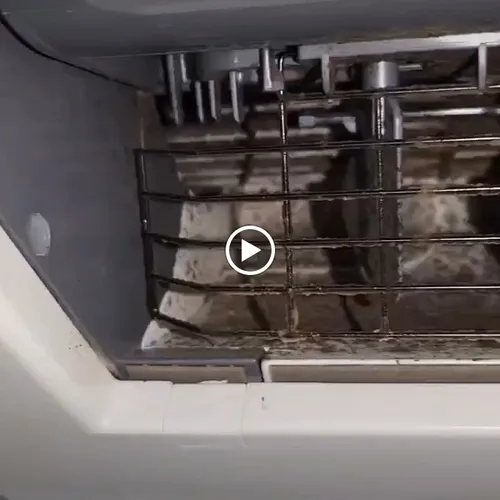
Cool Clean Services
97 Gilmore Blvd, Floral Park, NY 11001
Cool Clean Services is a veteran-owned company based in New York, NY, specializing in ductless mini split cleaning and indoor air quality services. They focus on thorough cleaning and maintenance of ductless mini-split systems for both residential and commercial properties, using EPA-certified products and custom tools designed for this specific work. Their services help remove dust, allergens, odors, and mold to improve air quality and system efficiency. In addition to mini split cleaning, they offer dryer vent cleaning, air duct cleaning, and sanitizing services to support overall indoor air quality. Cool Clean Services is licensed, insured, and BBB A+ rated, serving the New York area with flexible scheduling options.
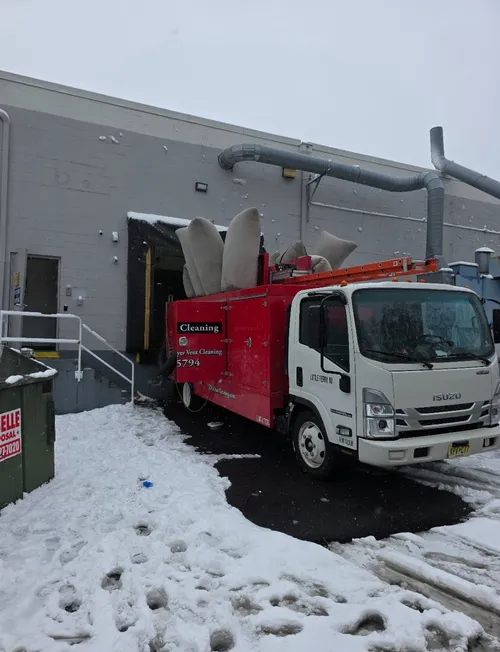
J R Air Duct Cleaning
215 Gates Rd # D, Little Ferry, NJ 07643
J R Air Duct Cleaning is a duct cleaning company serving New York, NY, and nearby North Jersey areas. Since 2011, they have provided residential and commercial air duct, dryer vent, and mini split air conditioner cleaning services. Their work includes thorough cleaning of HVAC system components such as air filters, coils, and registers to improve indoor air quality and system efficiency. They also offer dryer vent repairs and install bird guards to prevent blockages. Additionally, they provide UV light purifier installation to reduce airborne pollutants, benefiting those with allergies or asthma.
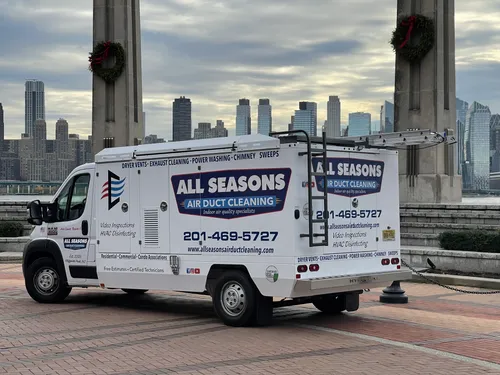
All Seasons Air Duct Cleaning
232 Fulton Terrace, Cliffside Park, NJ 07010
All Seasons Air Duct Cleaning is a NADCA certified company specializing in air duct and dryer vent cleaning. Based near New York, NY, they serve New Jersey areas including Hudson, Bergen, and Essex counties. Their services focus on improving indoor air quality, reducing fire risks, and enhancing HVAC efficiency through professional duct and vent cleaning. With over 20 years of experience, this family-owned business follows industry standards to ensure thorough and reliable service.

Aeromark Mechanical Inc
153 Morgan St, Jersey City, NJ 07302
Aeromark Mechanical Inc provides residential and commercial HVAC services in New York, NY, and the surrounding Northern New Jersey area. They specialize in heating and air conditioning repair, installation, and maintenance, including heat pumps, ductless HVAC systems, and indoor air quality solutions. With over 15 years of experience, Aeromark Mechanical offers seasonal maintenance plans and has expertise in installing advanced systems like VRF and high-velocity HVAC. Their certified technicians also handle smart thermostat installations and duct repair services.
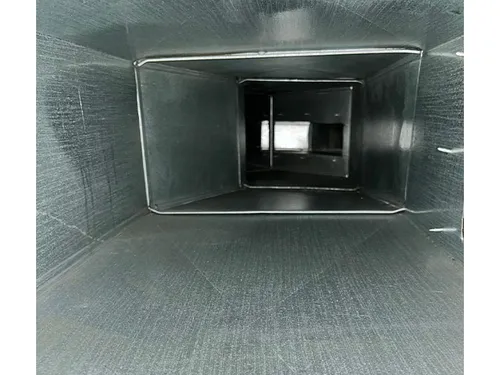
The NYC Air Duct Cleaning Company
347 5th Ave Suite 1208, New York, NY 10016
The NYC Air Duct Cleaning Company provides professional air duct cleaning and indoor air quality services in New York, NY. They specialize in removing dust, debris, mold, and allergens from residential and commercial ductwork using modern equipment and thorough inspection processes. Their services include vacuuming, sanitization, mold and mildew removal, and sealing ducts to prevent future buildup. The company serves clients in New York and surrounding areas, aiming to improve indoor air quality through comprehensive duct cleaning and maintenance.
Common Indoor Air Pollutants in Freeport Homes & Offices
The air inside your Freeport property can be affected by a mix of general indoor pollutants and factors specific to the New York coastal region. Understanding these common contaminants is the first step toward improving your indoor environment.
Moisture and Mold: Freeport's variable coastal climate, with its humidity, precipitation, and potential for flooding, significantly increases the risk of dampness. Leaks in basements, crawl spaces, bathrooms, and around windows can lead to persistent moisture, which is the primary catalyst for mold growth. Mold spores can trigger allergic reactions, asthma attacks, and other respiratory issues, making moisture control a critical IAQ priority.
Combustion Pollutants: Many buildings in New York, including those in Freeport, rely on oil or natural gas for heating, cooking, and hot water 1. Furnaces, boilers, stoves, and fireplaces that are not properly installed, vented, or maintained can release harmful gases like carbon monoxide (CO) and nitrogen oxides (NOx), as well as fine particulate matter (PM2.5) 2. These pollutants are a major health concern, particularly in tightly sealed homes where they can accumulate.
Radon: This colorless, odorless radioactive gas naturally emanates from the soil and rock beneath buildings. It can seep into homes through cracks in the foundation, sump pits, or gaps around pipes. Radon exposure is the second leading cause of lung cancer in the United States. Testing is the only way to know if this silent hazard is present in your Freeport home or business.
Volatile Organic Compounds (VOCs): These are gases emitted from a wide array of everyday products and materials. Common sources in homes and offices include new furniture, carpets, paints, varnishes, cleaning supplies, air fresheners, and even office equipment like printers 3. In poorly ventilated spaces, VOC concentrations can build up, causing short-term irritation and contributing to long-term health effects.
Inadequate Ventilation: Proper air exchange is essential for diluting and removing indoor pollutants. Both older Freeport buildings with minimal mechanical ventilation and newer, energy-efficient "tight" buildings can suffer from insufficient fresh air intake 4. Without adequate ventilation, all the pollutants mentioned above become trapped and concentrated indoors.
How to Identify Indoor Air Quality Problems
You don't need to wait for obvious symptoms to check your air. Proactive identification involves observation, DIY tools, and professional assessment.
Signs and Symptoms: Often, your body or your building will give you clues. Health indicators can include frequent headaches, dizziness, fatigue, irritation of the eyes, nose, or throat, and worsening allergy or asthma symptoms, especially when indoors. Building indicators might be persistent musty odors, visible mold growth, condensation on windows, or excessive dust accumulation.
Do-It-Yourself Monitoring and Testing: Several low-cost tools can provide valuable insights:
- Consumer Air Quality Monitors: These devices can track real-time levels of parameters like humidity, particulate matter (PM2.5), carbon dioxide (CO2), and some VOCs 5. They are excellent for identifying trends and problem areas.
- Radon Test Kits: Inexpensive and easy-to-use, these kits are highly recommended by the New York State Department of Health and are a crucial first step for every homeowner.
- Carbon Monoxide Detectors: These are non-negotiable safety devices. Every home and office with fuel-burning appliances or an attached garage must have working CO alarms installed.
Professional IAQ Inspection and Testing: For a comprehensive analysis, IAQ consultants offer specialized services. A professional assessment typically involves a visual inspection to identify potential pollutant sources, followed by air sampling using calibrated equipment 6. Samples may be analyzed on-site or sent to an accredited laboratory to measure specific levels of mold spores, VOCs, formaldehyde, asbestos, lead dust, and other contaminants 7 8. This approach is particularly valuable for diagnosing complex problems, verifying remediation success, or during real estate transactions.
Find the perfect indoor air quality service providers for your needs
Get personalized recommendations and expert advice
Solutions and Improvements for Healthier Air
Addressing indoor air pollution ranges from simple, immediate actions to larger investments in your building's systems. The right approach depends on the specific issues identified.
Source Control: The most effective way to improve air quality is to prevent pollutants from entering the air in the first place.
- Moisture Management: Fix leaks promptly. Use dehumidifiers in damp areas like basements to maintain indoor humidity between 30% and 50%, which helps prevent mold and dust mites 9. Ensure gutters and downspouts direct water away from your foundation.
- Combustion Appliance Safety: Have furnaces, boilers, water heaters, and chimneys inspected and serviced annually by a qualified professional. Never use gas stoves or ovens as a heat source.
- Mindful Material Choices: When renovating or furnishing, select low-VOC or VOC-free paints, adhesives, and flooring. Allow new furniture and carpets to off-gas in a well-ventilated space before bringing them into main living areas.
Ventilation Improvements: Diluting stale indoor air with fresh outdoor air is key.
- Natural Ventilation: Regularly open windows and doors when weather and outdoor air quality permit.
- Mechanical Ventilation: Use exhaust fans in kitchens and bathrooms, venting them to the outdoors. For whole-house solutions, consider installing an Energy Recovery Ventilator (ERV) or Heat Recovery Ventilator (HRV), which brings in fresh air while conserving energy by tempering the incoming air 10.
Air Cleaning: While not a substitute for source control and ventilation, air cleaners can help remove pollutants that are already airborne.
- Air Purifiers: Standalone units with True HEPA filters are effective at capturing particulate matter like dust, pollen, and mold spores 11. Units with activated carbon filters can also help adsorb some gases and odors.
- HVAC System Filtration: Upgrade the filter in your central heating and cooling system to a higher Minimum Efficiency Reporting Value (MERV) rating (e.g., MERV 13 or higher, if your system can accommodate it) to capture finer particles as air circulates 12.
Professional Remediation and Upgrades: Some situations require expert intervention.
- Mold Remediation: Significant mold growth, especially in areas larger than 10 square feet, often requires professional remediation to safely contain, remove, and clean affected materials.
- Radon Mitigation: If testing confirms elevated radon levels (4 pCi/L or higher), a professional can install a radon mitigation system, typically involving sub-slab depressurization, which can cost between $1,500 and $3,000+ depending on the home's structure 13 14.
- HVAC System Maintenance: Regular professional duct cleaning and HVAC servicing ensure your system is distributing air efficiently and not contributing to contamination through dirty ducts or components.
The Impact of Indoor Air on Health and Productivity
Investing in better indoor air is an investment in health, comfort, and even performance. For families, good IAQ is crucial for children's developing respiratory systems and can reduce the frequency of asthma attacks and allergy symptoms 15. In office settings, studies have shown a direct link between improved ventilation, lower CO2 levels, and enhanced cognitive function, reduced absenteeism, and higher productivity among employees 16. Cleaner indoor air benefits everyone, creating a foundation for a healthier, more vibrant community in Freeport.
Frequently asked questions
Sources
Footnotes
-
New York Emits More Building Air Pollution Than Any Other ... - https://rmi.org/new-york-emits-more-building-air-pollution-than-any-other-state/ ↩
-
New York Emits More Building Air Pollution Than Any Other ... - https://rmi.org/new-york-emits-more-building-air-pollution-than-any-other-state/ ↩
-
Volatile Organic Compounds' Impact on Indoor Air Quality - EPA - https://www.epa.gov/indoor-air-quality-iaq/volatile-organic-compounds-impact-indoor-air-quality ↩
-
Indoor Air Quality - Frequently Asked Questions - OSHA - https://www.osha.gov/indoor-air-quality/faqs ↩
-
Low-Cost Air Pollution Monitors and Indoor Air Quality | US EPA - https://www.epa.gov/indoor-air-quality-iaq/low-cost-air-pollution-monitors-and-indoor-air-quality ↩
-
INDOOR AIR QUALITY EXECUTIVE SUMMARY - https://www.ahla.com/sites/default/files/AHLA_Indoor_Air_Quality-01252023-FINAL.pdf ↩
-
Indoor Air Sampling and Analysis Guidance - https://www.health.ny.gov/environmental/indoors/air/guidance.htm ↩
-
Indoor Air Quality Testing - https://allcheck.biz/indoor-air-quality-testing/ ↩
-
Environmental Health - Indoor Assessment - Monroe County, NY - https://www.monroecounty.gov/eh-indoorairquality ↩
-
Indoor Air Quality - NYSERDA - https://www.nyserda.ny.gov/PutEnergyToWork/Energy-Technology-and-Solutions/Energy-Efficiency-Solutions/Indoor-Air-Quality ↩
-
Let the Air in: Low-cost ways to improve your indoor air quality - https://www.lung.org/blog/indoor-air-quality-improvements ↩
-
Indoor Air Quality | US EPA - https://www.epa.gov/air-quality/indoor-air-quality ↩
-
Indoor Air - New York State Department of Health - https://www.health.ny.gov/environmental/indoors/air/ ↩
-
Indoor Air Quality Testing - HSE Consulting Services - https://www.hseconsultingservices.com/pages/indoor-air-quality-testing-near-syracuse-ny ↩
-
Low-cost interventions improve indoor air quality and children's health - https://pubmed.ncbi.nlm.nih.gov/19772759/ ↩
-
Articles - https://www.euroenvironmental.co.uk/news/item/why-indoor-air-quality-matters-boosting-wellbeing-productivity-and-brain-power-in-the-workplace ↩