Find the Best Indoor Air Quality Service Providers for Your Business
No obligation • Fast responses • Nationwide coverage

Why you can trust HVAC Firms
HVAC Firms is a leading United States resource for evaluating HVAC service providers. Our team researches companies, checks credentials, and reviews customer feedback to present clear, unbiased information. Listings and rankings are based on merit, and companies cannot pay to change our editorial content.
Search providers near you
Top Indoor Air Quality Service Providers in Las Cruces, New Mexico Ranked
The air you breathe inside your home or office in Las Cruces has a direct impact on your health, comfort, and well-being. Indoor air quality, or IAQ, refers to the condition of the air within and around buildings, and in our high-desert climate, it faces unique challenges. From windblown dust to potential mold from cooling systems, understanding and managing your indoor environment is crucial. This guide will help you identify common local air quality concerns, explore professional and DIY solutions, and connect you with the expertise needed to ensure your indoor air is clean and safe.
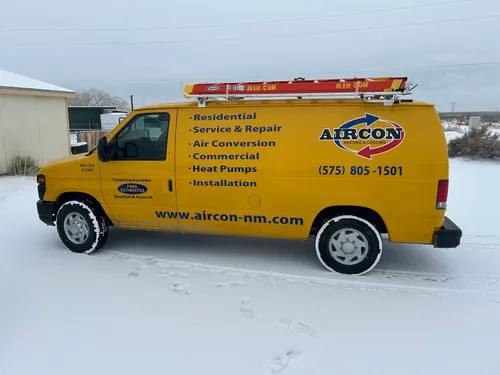
The Air Conditioning Company
6590 Crawford Rd, Anthony, NM 88021
The Air Conditioning Company is an HVAC contractor serving El Paso, TX, and nearby communities. They provide a wide range of heating and cooling services including repair, installation, maintenance, and indoor air quality solutions. Their expertise covers air conditioning systems, heat pumps, thermostats, and commercial HVAC units. With over 30 years of experience, they offer 24-hour repair services to address urgent HVAC needs.
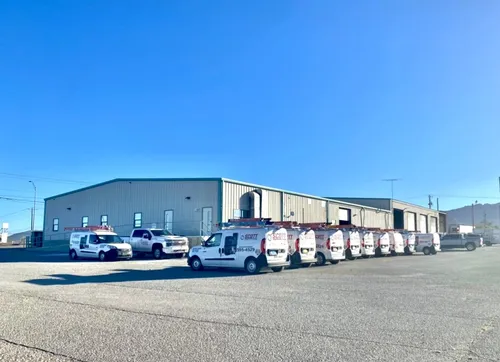
Scott Heating & Cooling
520 Vinton Rd, Vinton, TX 79821
Scott Heating & Cooling is an HVAC company based in El Paso, TX, offering a full range of heating and cooling services. They provide air conditioning and furnace repair, installation, and maintenance, along with indoor air quality solutions and ductless AC services. The company serves residential and commercial customers across El Paso and nearby communities, including Anthony, Horizon, San Elizario, and Fort Bliss. Their capabilities include ductwork fabrication and leak detection, addressing diverse HVAC needs in the region.
Understanding Las Cruces's Unique IAQ Challenges
Living in the Mesilla Valley means enjoying abundant sunshine but also contending with environmental factors that directly affect the air inside your home. The arid climate, frequent winds, and specific building practices common to the region create a distinct set of indoor air quality issues that every resident should understand.
The Impact of Desert Dust and Particulate Matter
One of the most pervasive challenges is particulate matter, specifically PM10-dust particles smaller than 10 micrometers. Dona Ana County's dry soil, combined with wind erosion and construction activity, generates significant amounts of this fugitive dust1. These tiny particles can easily infiltrate homes through doors, windows, and ventilation systems, penetrating deep into the lungs when inhaled. This is a year-round concern but is often exacerbated during the windy spring months. Regular dust accumulation isn't just a cleaning nuisance; it's a respiratory irritant that can aggravate allergies, asthma, and other chronic conditions.
Allergens in the Dry Air
The dry, windy conditions that stir up dust also mobilize other allergens. Pollen from local vegetation, along with dust mites that thrive in household fabrics, are common culprits for allergy sufferers in Las Cruces. Without proper filtration and ventilation, these allergens can become concentrated indoors, leading to persistent symptoms like sneezing, itchy eyes, and congestion even when you're inside your home.
Common Indoor Air Pollutants in Las Cruces Homes
Beyond the environmental factors, the systems and materials within our homes can contribute to poor air quality. Being aware of these potential sources is the first step toward mitigation.
- Swamp Cooler Complications: Evaporative coolers, a popular and efficient cooling choice in our dry climate, can become a source of indoor air problems if not meticulously maintained. The constantly moist pads are a breeding ground for mold and mildew, which can then be blown throughout your home2. These systems can also draw in and circulate outdoor dust, pollen, and even insects if the exterior vents are not properly screened and filtered.
- Combustion Byproducts: During cooler months, the use of gas furnaces, unvented space heaters, fireplaces, and gas stoves can release harmful combustion products like carbon monoxide (CO), nitrogen dioxide, and sulfur dioxide into your living space 3. Proper venting and regular inspection of fuel-burning appliances are non-negotiable for safety and air quality.
- Volatile Organic Compounds (VOCs): These are gases emitted from a wide array of household products, including paints, varnishes, cleaning supplies, adhesives, and even new furniture or building materials4. In a tightly sealed home-a common feature for energy efficiency-VOCs can accumulate to levels that cause headaches, dizziness, and long-term health effects.
- Legacy Hazards: Mold and Asbestos: Older homes in New Mexico may contain asbestos in insulation, flooring, or roofing materials5. When disturbed during renovations, asbestos fibers can become airborne and pose a serious health risk. Similarly, undetected water leaks or chronic humidity issues can lead to mold growth behind walls or in attics, releasing spores that degrade air quality and can cause respiratory issues.
How to Assess Your Indoor Air Quality
You don't have to guess about the air you're breathing. Several methods, from professional services to consumer technology, can provide a clear picture of your indoor environment.
Professional IAQ Inspection and Testing
For a comprehensive assessment, hiring a certified professional is the most effective route. Local HVAC specialists can conduct thorough inspections of your ductwork, air handling units, and overall system performance using specialized tools. They can identify issues like leaky ducts pulling in attic dust, inadequate filtration, or improper ventilation. For specific concerns like mold or asbestos, environmental testing firms in Las Cruces offer sampling services where air or surface samples are sent to a lab for analysis6 7. These professional assessments typically provide detailed, actionable reports.
DIY and Continuous Monitoring
Technology has made monitoring your air more accessible. Low-cost, smart air quality monitors can track levels of particulate matter (PM2.5/PM10), VOCs, carbon dioxide (CO2), humidity, and temperature in real-time8. These devices connect to smartphone apps, allowing you to see how activities like cooking, cleaning, or opening windows affect your air. While not a substitute for professional diagnosis for serious hazards, they are excellent tools for awareness and tracking the effectiveness of improvements you make.
Find the perfect indoor air quality service providers for your needs
Get personalized recommendations and expert advice
Effective Solutions for Cleaner Indoor Air
Once you understand your home's specific challenges, a range of solutions can significantly improve your indoor air quality. Many of these strategies work best when implemented as part of a holistic plan.
Source Control and Ventilation
The most effective way to improve IAQ is to prevent pollutants from entering or being generated in the first place9. This includes:
- Using low-VOC paints and cleaning products.
- Ensuring gas appliances are properly vented to the outside.
- Placing high-quality doormats at all entrances to reduce tracked-in dust.
- Controlled Ventilation: Simply opening windows isn't always practical due to dust, pollen, or extreme temperatures. Installing a Heat Recovery Ventilator (HRV) or Energy Recovery Ventilator (ERV) is a sophisticated solution. These systems continuously bring in fresh, filtered outdoor air while exhausting stale indoor air, recovering energy in the process to maintain heating and cooling efficiency 10.
Advanced Filtration and Air Cleaning
Your HVAC system's filter is your first line of defense.
- Filter Upgrades: Moving from a standard fiberglass filter (MERV 1-4) to a pleated filter with a Minimum Efficiency Reporting Value (MERV) of 13 or higher can capture a much greater percentage of dust, pollen, and mold spores 11. It's important to ensure your HVAC system can handle the increased airflow resistance of a higher-MERV filter.
- Whole-Home Air Purifiers: For superior particle and allergen removal, a dedicated air purification system can be installed in your ductwork. These units, such as UVGI (Ultraviolet Germicidal Irradiation) systems or high-efficiency electronic air cleaners, work in tandem with your HVAC to clean all the air that circulates through your home12.
- Duct Cleaning and Sealing: Over years, a significant amount of dust, debris, and allergens can accumulate in your home's ductwork. Professional duct cleaning removes this buildup. More importantly, sealing leaky ducts prevents unconditioned (and unfiltered) air from attics or crawl spaces from being drawn into your living areas, which improves both air quality and system efficiency.
Moisture and Humidity Management
Controlling moisture is critical to preventing mold growth, especially given the potential for swamp coolers to add humidity.
- Using exhaust fans in bathrooms and kitchens.
- Repairing plumbing leaks promptly.
- In naturally damp areas like basements, or during the humid monsoon season, a dehumidifier can help maintain an indoor relative humidity level between 30-50%, which is ideal for comfort and inhibits mold and dust mites13.
Investing in Your Indoor Air: What to Expect
Improving your home's air quality is an investment in health. Costs can vary based on the size of your home and the solutions chosen.
- A basic professional HVAC inspection and filter change might range from $100 to $200+ as part of routine maintenance14.
- Duct cleaning and sealing can range from a few hundred dollars to over $1,000+, depending on the size and complexity of your duct system.
- A professional IAQ assessment can cost from $200 to $500+ for a basic evaluation, to over $1,000 for comprehensive testing including mold or asbestos sampling with lab analysis15 16.
- Installing a whole-home air purifier or ventilator (HRV/ERV) is a larger investment, typically ranging from $500 to $2,000+ for the equipment and professional installation17 18.
For any work involving your HVAC system or potential hazards like mold or asbestos, it is strongly recommended to hire certified, licensed professionals19. They have the training, equipment, and knowledge to implement solutions safely and effectively, ensuring you and your family can breathe easier.
Frequently asked questions
Sources
Footnotes
-
Fugitive Dust - The City of Las Cruces - https://lascruces.gov/property/remodeling-and-construction/las-cruces-land-use-development-and-preservation/fugitive-dust/ ↩
-
Fugitive Dust - The City of Las Cruces - https://lascruces.gov/property/remodeling-and-construction/las-cruces-land-use-development-and-preservation/fugitive-dust/ ↩
-
Healthy Indoor Air for New Mexico Homes - Publications - https://pubs.nmsu.edu/_g/G108.pdf ↩
-
Indoor Air Quality - NM-Tracking - https://nmtracking.doh.nm.gov/environment/air/IndoorQuality.html ↩
-
My Air Quality - New Mexico Environment Department - https://www.env.nm.gov/air-quality/my-air-quality/ ↩
-
Las Cruces, NM | Mold Testing & Asbestos Testing - https://msenational.com/las-cruces-new-mexico ↩
-
Las Cruces, NM | Mold Testing & Asbestos Testing - https://msenational.com/las-cruces-new-mexico ↩
-
Low-Cost Air Pollution Monitors and Indoor Air Quality | US EPA - https://www.epa.gov/indoor-air-quality-iaq/low-cost-air-pollution-monitors-and-indoor-air-quality ↩
-
EPA Says Good Indoor Air Quality Starts At The Source - https://www.lascrucesbulletin.com/premium/napsnet/stories/epa-says-good-indoor-air-quality-starts-at-the-source,153511 ↩
-
Why Indoor Air Quality Should Be Your Top Priority - https://nicksairconditioning.com/indoor-air-quality-solutions/ ↩
-
Indoor Air Quality Services in Las Cruces - Metal Craft Co. - https://www.metalcraftco.com/hvac-services/indoor-air-quality-services-in-las-cruces/ ↩
-
Seasonal Smog: How to Prepare Your Home - https://molekule.com/blogs/all/seasonal-smog ↩
-
Indoor Air Quality | Las Cruces, NM - https://dynamicheatingcooling.net/indoor-air-quality ↩
-
Indoor Air Quality Solutions Las Cruces | Professional Gas Line ... - https://atozplumbing-llc.com/indoor-air-quality-solutions-las-cruces-nm/ ↩
-
Indoor Air Quality - NM-Tracking - https://nmtracking.doh.nm.gov/environment/air/IndoorQuality.html ↩
-
Indoor Air Quality Testing / Industrial Hygiene Services - Safex - https://www.safex.us/our-services/indoor-air-quality/ ↩
-
Beyond Regular HVAC Maintenance: Air Pollution Hazards and Protecting Indoor Air Quality - https://www.binsky.com/beyond-regular-hvac-maintenance-air-pollution-hazards-and-protecting-indoor-air-quality/ ↩
-
Indoor Air Quality Tampa - https://www.cmbair.com/indoor-air-quality ↩
-
Healthy Indoor Air for New Mexico Homes - Publications - https://pubs.nmsu.edu/_g/G108/index.html ↩