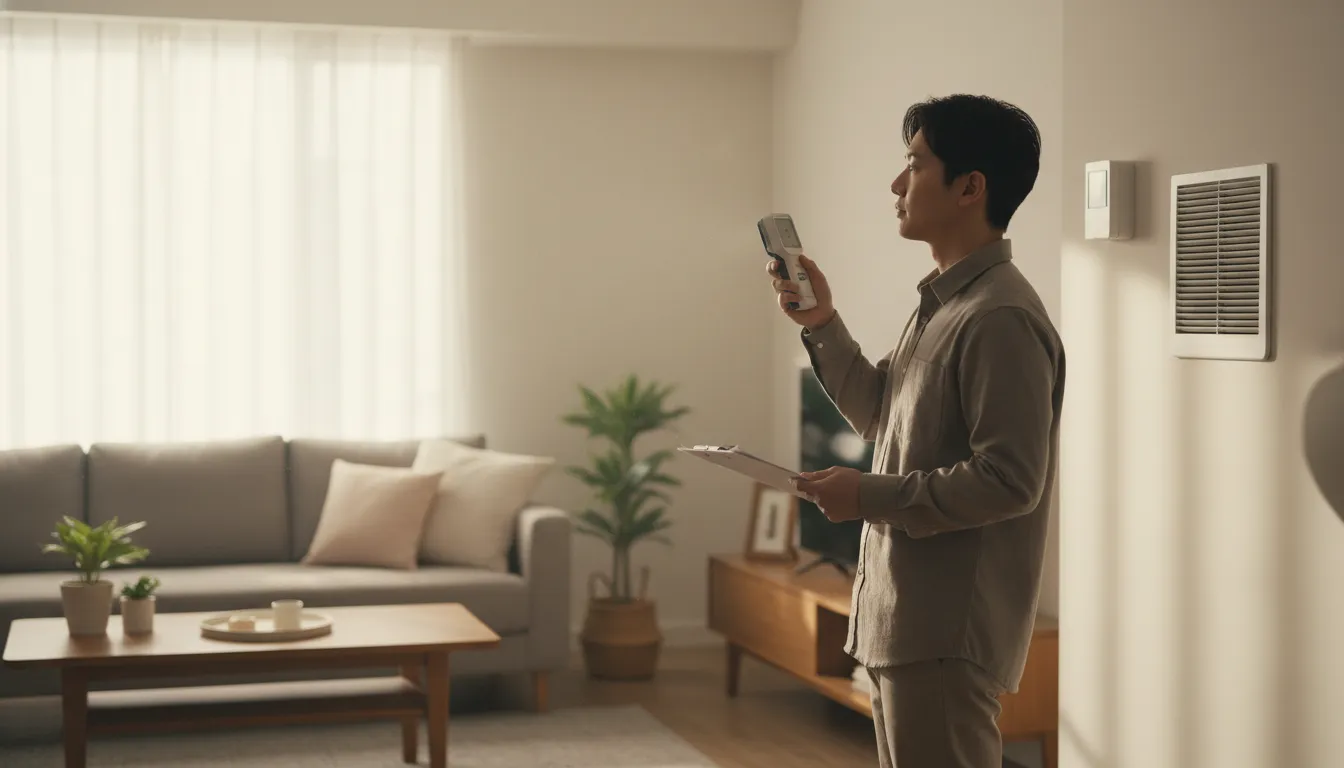
Find the Best Indoor Air Quality Service Providers for Your Business
No obligation • Fast responses • Nationwide coverage

Why you can trust HVAC Firms
HVAC Firms is a leading United States resource for evaluating HVAC service providers. Our team researches companies, checks credentials, and reviews customer feedback to present clear, unbiased information. Listings and rankings are based on merit, and companies cannot pay to change our editorial content.
Search providers near you
Best Indoor Air Quality Service Providers in New Mexico Ranked
The air inside your home or business in New Mexico can have a significant impact on your health, comfort, and energy bills. Indoor air quality (IAQ) refers to the condition of the air within buildings, influenced by pollutants like radon, mold, dust, and chemicals. In New Mexico's unique climate-from arid deserts to high-altitude regions-specific challenges such as radon gas infiltration, dust storms, and seasonal temperature swings make proactive IAQ management essential. This guide provides practical information on common pollutants, ventilation strategies, and improvement steps to help you find the right local expertise for testing, maintenance, and system upgrades to ensure your indoor environment is safe and healthy.
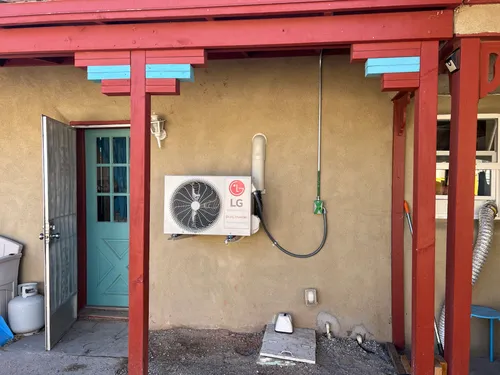
Hi-Tech Heating and Cooling
2601 Wyoming Blvd NE #115D, Albuquerque, NM 87112
Hi-Tech Heating and Cooling provides residential and commercial HVAC services in Albuquerque, NM. With 20 years of experience, they specialize in the installation, repair, and maintenance of air conditioning, heating systems, heat pumps, furnaces, boilers, and ductless mini-splits. Their services include indoor air quality solutions, thermostat installation, and duct cleaning, all tailored to meet the unique climate needs of the Albuquerque area. The company offers comprehensive diagnostics, preventive maintenance, and emergency 24/7 repair services to ensure reliable system performance and comfort year-round. As authorized Lennox and LG dealers, they emphasize precise system sizing and energy-efficient installations backed by a satisfaction guarantee.
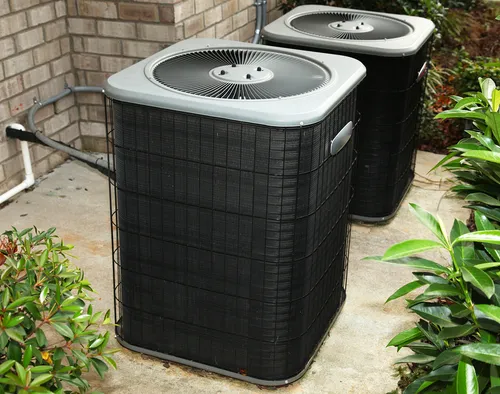
Airlink Cooling & Heating Systems
Albuquerque, NM
Airlink Cooling & Heating Systems is an HVAC contractor based in Albuquerque, NM, offering a range of heating and cooling services. They provide installation, repair, and maintenance for air conditioners, furnaces, heat pumps, mini splits, thermostats, and indoor air quality products. As a Carrier® dealer, they supply various indoor comfort equipment including air conditioners, heat pumps, gas furnaces, humidifiers, and air cleaners. Airlink Cooling & Heating Systems is experienced in servicing all brands and emphasizes integrity and respect in their customer interactions.
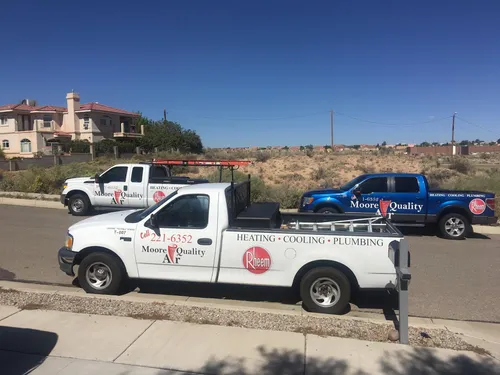
Moore Quality Air
3301-R Coors Blvd NW #200, Albuquerque, NM 87120
Moore Quality Air is an HVAC company based in Albuquerque, NM, offering a range of heating and cooling services. They provide air conditioner and furnace repair, installation, and maintenance, along with water heater installation and repair. Their services also include thermostat installation and indoor air quality solutions. The company supports various heating and air conditioning equipment brands and focuses on energy-efficient solutions for homes and offices.
First Rate Plumbing Heating and Cooling Inc
4311 Sara Rd #212, Rio Rancho, NM 87124
First Rate Plumbing Heating and Cooling Inc is a locally owned HVAC and plumbing company based in Albuquerque, NM, serving the Rio Rancho area. With over 20 years of experience since 1999, they provide a wide range of services including air conditioning, furnace, heat pump, boiler, and mini split installation and repair, as well as indoor air quality solutions tailored to the local climate. Their certified technicians are knowledgeable about Rio Rancho building codes and offer expertise in installing and maintaining evaporative coolers and Breezair systems. The company also handles plumbing services, commercial HVAC projects, and ensures compliance with permits and regulations.
Ace Heating, Cooling, Plumbing and Electrical
4020 Vassar Dr NE Unit A, Albuquerque, NM 87107
Ace Heating, Cooling, Plumbing and Electrical is a veteran-operated company serving Albuquerque, NM, and surrounding areas with over 30 years of experience. They provide a wide range of home services including heating and cooling repair and installation, indoor air quality solutions, duct cleaning, plumbing, and electrical work. Their capabilities include smart thermostat installation, hydro jetting, and emergency services. The company is licensed, insured, and holds an A+ rating with the Better Business Bureau.
Understanding New Mexico's Indoor Air Challenges
New Mexico's environment presents distinct factors that affect the air you breathe indoors. The state's geology, particularly in many regions, contributes to higher potential for radon gas seeping into buildings from the soil. The arid climate leads to pervasive dust and particulate matter, which can easily enter homes. Conversely, in areas with higher humidity or due to activities like cooking and showering, moisture can become trapped, creating ideal conditions for mold growth. Furthermore, the use of combustion appliances for heating and cooking, common in many homes, introduces risks like carbon monoxide if not properly maintained. Understanding these local factors is the first step toward creating a healthier indoor space.
Common Pollutants in New Mexico Homes
Being aware of the specific contaminants in your indoor air is crucial for taking effective action.
- Radon: This naturally occurring, radioactive gas is a leading cause of lung cancer and is a significant concern in many parts of New Mexico due to the underlying soil and rock. It is odorless and invisible, making testing the only way to know if it's present in your home.
- Carbon Monoxide (CO): Produced by incomplete combustion from sources like gas furnaces, water heaters, stoves, and fireplaces. Proper appliance maintenance and installing CO detectors are vital safety measures.
- Mold and Mildew: These fungi thrive in damp areas with poor ventilation, such as bathrooms, basements, and around leaky windows. Keeping indoor humidity below 50% is key to prevention.
- Particulate Matter: This includes dust, pollen, pet dander, and smoke particles (PM2.5 and PM10). New Mexico's windy conditions can significantly increase indoor dust levels 1.
- Volatile Organic Compounds (VOCs): These are gases emitted from common household products like paints, cleaning supplies, adhesives, and new furniture or flooring.
- Tobacco Smoke: Secondhand smoke contains thousands of chemicals and is a major indoor air irritant and health hazard.
Practical Strategies for Healthier Indoor Air
You don't need to be an expert to make meaningful improvements. Here are actionable steps based on guidance for New Mexico residents.
1. Source Control
The most effective way to improve IAQ is to prevent pollutants from entering or being created in your space.
- Test for Radon: Use a short-term or long-term radon test kit, available at hardware stores or through state programs. If levels are high, professional mitigation is recommended.
- Maintain Combustion Appliances: Schedule annual inspections for furnaces, water heaters, and gas stoves to ensure they are venting properly and not leaking CO.
- Choose Low-VOC Products: Opt for paints, cleaners, and building materials labeled as low-VOC when renovating or cleaning.
- Prevent Smoking Indoors: Establish a smoke-free policy inside your home.
2. Improve Ventilation
Diluting stale indoor air with fresh outdoor air is essential, even in winter.
- Natural Ventilation: Open windows and doors for short periods daily to allow air exchange, being mindful of outdoor pollen or dust levels.
- Use Exhaust Fans: Always run bathroom and kitchen exhaust fans that vent to the outside during and after showers or cooking to remove moisture and odors.
- Maintain HVAC Systems: Ensure your heating and cooling system is designed to bring in some outdoor air. Change air filters regularly (every 1-3 months) to maintain proper airflow and filtration.
3. Control Humidity and Clean
Managing moisture and removing settled pollutants are daily defenses.
- Use Dehumidifiers/Air Conditioners: In damp areas, use a dehumidifier to keep relative humidity between 30% and 50% to inhibit mold growth 2.
- Clean Regularly: Use a vacuum with a HEPA filter and damp mop floors to reduce dust, pet dander, and other particulates without kicking them back into the air.
- Address Water Leaks Promptly: Fix leaky roofs, pipes, or foundations within 24-48 hours to prevent mold from taking hold.
Find the perfect indoor air quality service providers for your needs
Get personalized recommendations and expert advice
When to Seek Professional IAQ Services
While many improvements are DIY, certain situations call for expert assessment and intervention.
- Persistent Health Symptoms: If household members experience ongoing allergies, headaches, or respiratory issues that improve when leaving the home.
- Visible Mold Growth: For mold covering more than a small area (typically more than 10 square feet), professional remediation is advised to safely remove it and address the moisture source.
- High Radon Levels: Radon mitigation requires specialized equipment and installation to safely vent the gas from beneath your home to the outside.
- Before a Major Real Estate Transaction: Radon testing and a general IAQ check can be a prudent part of home inspections.
- After a Major Event: Such as significant water damage from flooding or a fire.
Understanding Inspection and Improvement Costs
Investing in your indoor air quality involves various potential costs, depending on the scope.
- Testing: DIY radon test kits start around $15-$30. Professional comprehensive IAQ inspections, which may test for mold, allergens, VOCs, and CO, typically range from $100 to over $1,000, depending on the number of tests and samples analyzed 3 4 5.
- Improvements & Mitigation:
- Radon Mitigation System: Professional installation usually costs between $800 and $2,500.
- Mold Remediation: Costs vary widely by extent, from $500 for a small area to several thousand dollars for severe contamination.
- Air Purifiers & Filters: Stand-alone HEPA air purifiers range from $100 to $800. Upgrading your HVAC filter to a higher MERV rating or installing a whole-house air cleaner involves filter costs and potential professional installation fees.
- Ventilation Upgrades: Installing energy recovery ventilators (ERVs) or heat recovery ventilators (HRVs) to bring in fresh air without losing heating/cooling can be a larger investment, often $1,500 to $4,500+ installed.
Key Actions for New Mexico Residents
To summarize, focus on these priority actions tailored to the state's environment:
- Test for Radon: This is a critical first step for nearly every New Mexico home due to the state's geology.
- Ensure Proper Ventilation: Make a habit of bringing in fresh air and using exhaust fans to prevent pollutant buildup 6 7.
- Control Humidity: Use exhaust fans, air conditioners, or dehumidifiers to keep indoor moisture in check and prevent mold.
- Maintain Combustion Appliances: Annual professional servicing of gas or wood-burning appliances is non-negotiable for safety 8.
- Filter and Clean: Use quality HVAC filters, change them regularly, and clean surfaces to reduce dust and allergens 9.
Frequently asked questions
Sources
Footnotes
-
Emissions Inventory Guidance Document - https://www.env.nm.gov/wp-content/uploads/sites/2/2024/02/AEIRGuidancedoc02062024.pdf ↩
-
Indoor Air Quality - Overview - OSHA - https://www.osha.gov/indoor-air-quality ↩
-
Indoor Air Quality - NM-Tracking - https://nmtracking.doh.nm.gov/environment/air/IndoorQuality.html ↩
-
Indoor Air Pollution: An Introduction for Health Professionals | US EPA - https://www.epa.gov/indoor-air-quality-iaq/indoor-air-pollution-introduction-health-professionals ↩
-
Healthy Indoor Air for New Mexico Homes - Publications - https://pubs.nmsu.edu/_g/G108/index.html ↩
-
Enhancing health with indoor air - GSA - https://www.gsa.gov/governmentwide-initiatives/federal-highperformance-buildings/highperformance-building-clearinghouse/health/buildings-and-health/enhancing-health-with-indoor-air ↩
-
The Basics Of Winter Indoor Air Quality | Albuquerque, NM - https://williamsmechanical.com/the-basics-of-winter-indoor-air-quality/ ↩
-
Healthy Indoor Air for New Mexico Homes - Publications - https://pubs.nmsu.edu/_g/G108.pdf ↩
-
Air Quality - New Mexico Department of Health - https://www.nmhealth.org/about/erd/eheb/aqp/ ↩