Find the Best Indoor Air Quality Service Providers for Your Business
No obligation • Fast responses • Nationwide coverage

Why you can trust HVAC Firms
HVAC Firms is a leading United States resource for evaluating HVAC service providers. Our team researches companies, checks credentials, and reviews customer feedback to present clear, unbiased information. Listings and rankings are based on merit, and companies cannot pay to change our editorial content.
Search providers near you
Top Indoor Air Quality Service Providers in Albuquerque, New Mexico Ranked
Maintaining healthy indoor air is a critical concern for Albuquerque residents and business owners. The city's unique high-desert environment presents specific challenges that can affect the air inside homes and offices. This resource explains the local factors impacting your indoor environment and provides actionable guidance on how to find professional testing, monitoring, and remediation services to address them. You can use this information to identify local experts who can help assess and improve your air.
Hi-Tech Heating and Cooling
2601 Wyoming Blvd NE #115D, Albuquerque, NM 87112
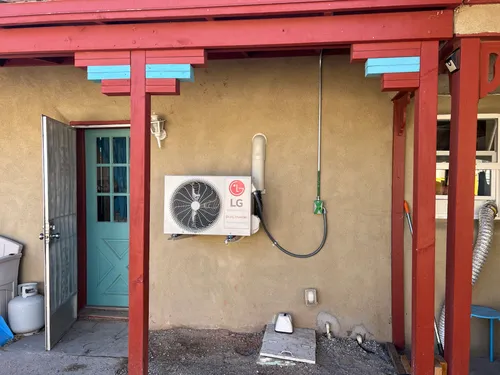
Hi-Tech Heating and Cooling provides residential and commercial HVAC services in Albuquerque, NM. With 20 years of experience, they specialize in the installation, repair, and maintenance of air conditioning, heating systems, heat pumps, furnaces, boilers, and ductless mini-splits. Their services include indoor air quality solutions, thermostat installation, and duct cleaning, all tailored to meet the unique climate needs of the Albuquerque area. The company offers comprehensive diagnostics, preventive maintenance, and emergency 24/7 repair services to ensure reliable system performance and comfort year-round. As authorized Lennox and LG dealers, they emphasize precise system sizing and energy-efficient installations backed by a satisfaction guarantee.
Airlink Cooling & Heating Systems
Albuquerque, NM
Airlink Cooling & Heating Systems is an HVAC contractor based in Albuquerque, NM, offering a range of heating and cooling services. They provide installation, repair, and maintenance for air conditioners, furnaces, heat pumps, mini splits, thermostats, and indoor air quality products. As a Carrier® dealer, they supply various indoor comfort equipment including air conditioners, heat pumps, gas furnaces, humidifiers, and air cleaners. Airlink Cooling & Heating Systems is experienced in servicing all brands and emphasizes integrity and respect in their customer interactions.
Moore Quality Air
3301-R Coors Blvd NW #200, Albuquerque, NM 87120
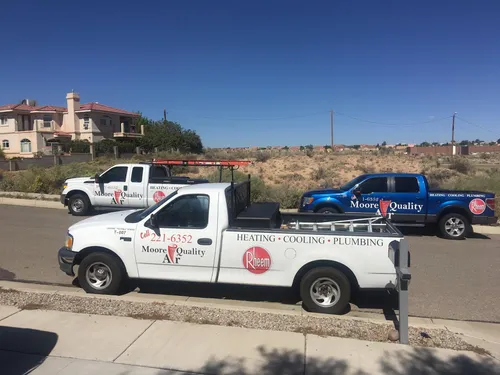
Moore Quality Air is an HVAC company based in Albuquerque, NM, offering a range of heating and cooling services. They provide air conditioner and furnace repair, installation, and maintenance, along with water heater installation and repair. Their services also include thermostat installation and indoor air quality solutions. The company supports various heating and air conditioning equipment brands and focuses on energy-efficient solutions for homes and offices.
First Rate Plumbing Heating and Cooling Inc
4311 Sara Rd #212, Rio Rancho, NM 87124
First Rate Plumbing Heating and Cooling Inc is a locally owned HVAC and plumbing company based in Albuquerque, NM, serving the Rio Rancho area. With over 20 years of experience since 1999, they provide a wide range of services including air conditioning, furnace, heat pump, boiler, and mini split installation and repair, as well as indoor air quality solutions tailored to the local climate. Their certified technicians are knowledgeable about Rio Rancho building codes and offer expertise in installing and maintaining evaporative coolers and Breezair systems. The company also handles plumbing services, commercial HVAC projects, and ensures compliance with permits and regulations.
Ace Heating, Cooling, Plumbing and Electrical
4020 Vassar Dr NE Unit A, Albuquerque, NM 87107
Ace Heating, Cooling, Plumbing and Electrical is a veteran-operated company serving Albuquerque, NM, and surrounding areas with over 30 years of experience. They provide a wide range of home services including heating and cooling repair and installation, indoor air quality solutions, duct cleaning, plumbing, and electrical work. Their capabilities include smart thermostat installation, hydro jetting, and emergency services. The company is licensed, insured, and holds an A+ rating with the Better Business Bureau.
Understanding Albuquerque's Unique Indoor Air Challenges
Albuquerque's indoor air quality is directly shaped by its outdoor climate and local geography. The high-desert setting brings low humidity, significant temperature swings, and persistent winds that carry dust and pollen. Furthermore, the city sits in the Rio Grande Valley, which can trap pollutants like ozone. These external factors combine with indoor sources to create a distinct IAQ profile that requires targeted solutions.
Primary Pollutants in Albuquerque Homes and Offices
The most common indoor air contaminants in the area fall into several key categories:
- Particulate Matter (Dust & Pollen): The dry, windy conditions are a major source of fine dust and high pollen counts that easily infiltrate buildings 1. During spring and on windy days, these particles can trigger allergies and respiratory issues indoors.
- Ozone: As a valley, Albuquerque can experience elevated ground-level ozone, especially during warmer months. This pollutant can seep into buildings through ventilation systems and open windows, potentially causing irritation 2 3.
- Radon Gas: New Mexico has regions with a known elevated risk for radon, a colorless, odorless radioactive gas that can seep from the soil into building foundations. Testing for radon is considered essential, particularly in basements and ground-floor spaces.
- Volatile Organic Compounds (VOCs): Modern, energy-efficient construction in Albuquerque often creates tightly sealed buildings. While great for temperature control, this can trap VOCs emitted from paints, new furniture, cleaning supplies, and office equipment.
- Humidity and Mold: While the climate is generally arid, the summer monsoon season and issues like plumbing leaks or poor ventilation can lead to moisture buildup. This creates ideal conditions for mold growth, a common problem in older homes or areas with inadequate airflow.
How to Assess Your Indoor Air
Before investing in solutions, it's important to understand the specific issues in your space. Assessment options range from DIY monitoring to professional-grade testing.
DIY and Continuous Air Monitoring
For ongoing awareness, smart air quality monitors are a popular choice. These devices provide real-time data on key metrics:
- Popular Devices: Products like the Airthings View Plus track radon, VOCs, carbon dioxide (CO2), humidity, and particulate matter, sending data directly to your smartphone 4. Other monitors, like the IQAir AirVisual Pro, focus on particulate levels and outdoor air quality integration 5.
- Cost Range: These multi-sensor smart monitors typically range from $90 to $330.
- Best Use: Ideal for continuous tracking, identifying patterns (like high VOC levels after cleaning), and verifying the effectiveness of air purifiers or ventilation strategies.
Professional Air Quality Testing
For a definitive diagnosis, especially when health symptoms are present or before a real estate transaction, professional testing is recommended. Local companies offer comprehensive assessments.
- What They Test: Professional services can conduct targeted testing for allergens, mold spores (including hidden mold), specific VOCs, formaldehyde, and radon 6 7.
- The Process: A certified inspector will visit your property, often using advanced equipment to take air and surface samples, which are then analyzed in a lab.
- Typical Cost: Professional testing fees vary based on the scope but generally align with specialized inspection services, often ranging from $300 to $600 for a comprehensive evaluation 8.
Leveraging Local Resources
Albuquerque provides valuable public tools to help manage air quality:
- Daily Air Quality Reports: The City of Albuquerque offers daily updates on outdoor air quality, including pollen counts and pollutant levels 9. This information is crucial for deciding when to open windows for natural ventilation.
- Radon Guidance: The New Mexico Environment Department provides resources and recommendations for radon testing, which is a critical step for any homeowner 10.
Effective Strategies for Improvement
Once you've identified your air quality issues, a combination of source control, ventilation, and filtration is the most effective approach.
1. Enhance Your HVAC System
Your heating and cooling system is the lungs of your building. Optimizing it is a foundational step.
- Upgrade Filters: Use high-efficiency MERV 13 filters (if your system can accommodate them) to capture finer dust and pollen particles. Remember to change filters at least every three months, and more frequently during Albuquerque's windy seasons.
- Consider Add-ons: UV germicidal lights installed in the ductwork can help neutralize mold spores, bacteria, and some viruses. Professional installation is required, and costs vary based on the system 11.
2. Control Sources of Pollution
Preventing pollutants from entering or being created indoors is the most efficient strategy.
- Minimize Dust: Use doormats and adopt a "no shoes indoors" policy to dramatically reduce tracked-in dust and allergens.
- Choose Low-VOC Products: Select paints, adhesives, and cleaning supplies labeled as low-VOC when renovating or for regular use.
- Manage Moisture: Use exhaust fans in bathrooms and kitchens to remove humidity at the source. Repair leaks promptly and aim to keep indoor relative humidity between 30% and 50% to inhibit mold growth 12 13.
3. Purify and Ventilate
Diluting and removing contaminated air is essential.
- Use Portable Air Purifiers: Place HEPA air purifiers in bedrooms, home offices, or other high-occupancy areas. HEPA filters are highly effective at removing particulate matter 14.
- Ventilate Wisely: Open windows when the outdoor air quality is good (check the city's daily report) to flush out stale, polluted indoor air. For continuous ventilation, consider installing an Energy Recovery Ventilator (ERV) to bring in fresh air without losing significant heating or cooling energy.
Find the perfect indoor air quality service providers for your needs
Get personalized recommendations and expert advice
Addressing Specific Contaminants
Radon Mitigation
If testing reveals elevated radon levels (at or above 4 pCi/L), professional mitigation is necessary. The most common method is a sub-slab depressurization system, which uses a vent pipe and fan to draw radon gas from beneath the foundation and exhaust it safely above the roofline. This is a specialized job that requires a certified mitigator.
Mold Remediation
For mold growth beyond a small, cleanable area (typically more than 10 square feet), professional remediation is advised. The process involves containment of the affected area, removal of contaminated porous materials, HEPA vacuuming, and cleaning of surfaces. The underlying moisture problem must be fixed to prevent recurrence 15.
Commercial Indoor Air Quality
For office buildings and commercial spaces in Albuquerque, maintaining good IAQ is also a matter of productivity and occupant health. Regular HVAC maintenance, proper ventilation in meeting rooms, and managing pollutants from printers, copiers, and building materials are key considerations 16. A professional assessment can help ensure a healthy work environment.
Frequently asked questions
Sources
Footnotes
-
Pollen count and allergy info for Albuquerque - IQAir - https://www.iqair.com/us/pollen/usa/new-mexico/albuquerque ↩
-
Air Quality Monitoring - City of Albuquerque - https://www.cabq.gov/airquality/air-quality-monitoring ↩
-
Ozone Advance Path Forward - City of Albuquerque - https://www.cabq.gov/airquality/regulation-development/ozone-advance-path-forward-2025_abq-bernco_v-3-fin-with-final-edits.pdf/@@download/file/Ozone%20Advance%20Path%20Forward%202025_ABQ-BernCo_v.3%20fin%20with%20final%20edits.pdf ↩
-
Airthings View Plus Air Quality Monitor - https://www.google.com/search?q=product&prds=pvt:hg,productid:6072329373947128373,catalogid:7712427545849036561,gpcid:4854218481369443652,mid:576462731890981916&ibp=oshop ↩
-
iqair AirVisual PRO AIR-QUALITY Monitor - https://www.google.com/search?q=product&prds=pvt:hg,productid:12731750861393503074,catalogid:16835460390359639346,gpcid:10152811169155146236,mid:576462399365726378&ibp=oshop ↩
-
Air Quality Testing in Albuquerque | Find Hidden Mold & IAQ ... - https://moldremovalalbuquerque.com/air-quality-testing ↩
-
Air Quality of New Mexico - Indoor Air Testing - http://airqualitynm.com/ ↩
-
THE BEST 10 Air Quality Testing in Albuquerque, NM - Yelp - https://m.yelp.com/search?find_desc=Air+Quality+Testing&find_loc=Albuquerque%2C+NM ↩
-
Daily Air Quality Update - City of Albuquerque - https://www.cabq.gov/airquality/todays-status ↩
-
Indoor Air Quality - NM-Tracking - https://nmtracking.doh.nm.gov/environment/air/IndoorQuality.html ↩
-
Improving Indoor Air Quality In Large Office Buildings - Iron Mechanical - https://www.ironmechanical.com/indoor-air-quality-guide/ ↩
-
Indoor Air Quality - NM-Tracking - https://nmtracking.doh.nm.gov/environment/air/IndoorQuality.html ↩
-
How Indoor Air Quality Impacts Your Office - COIT - https://www.coit.com/blog/your-business/improving-indoor-air-quality-benefits-your-business-employees-and-occupants ↩
-
How to Improve Air Quality in Your Home or Office Building - https://mountainpeakair.com/blog/how-to-improve-air-quality-in-your-home-or-office-building/ ↩
-
Indoor Mold - New Mexico Department of Health - https://www.nmhealth.org/publication/view/help/280/ ↩
-
Essential Air Quality Testing For Little Rock Offices: Compliance Guide - myshyft.com - https://www.myshyft.com/blog/indoor-air-quality-testing-for-offices-little-rock-arkansas/ ↩