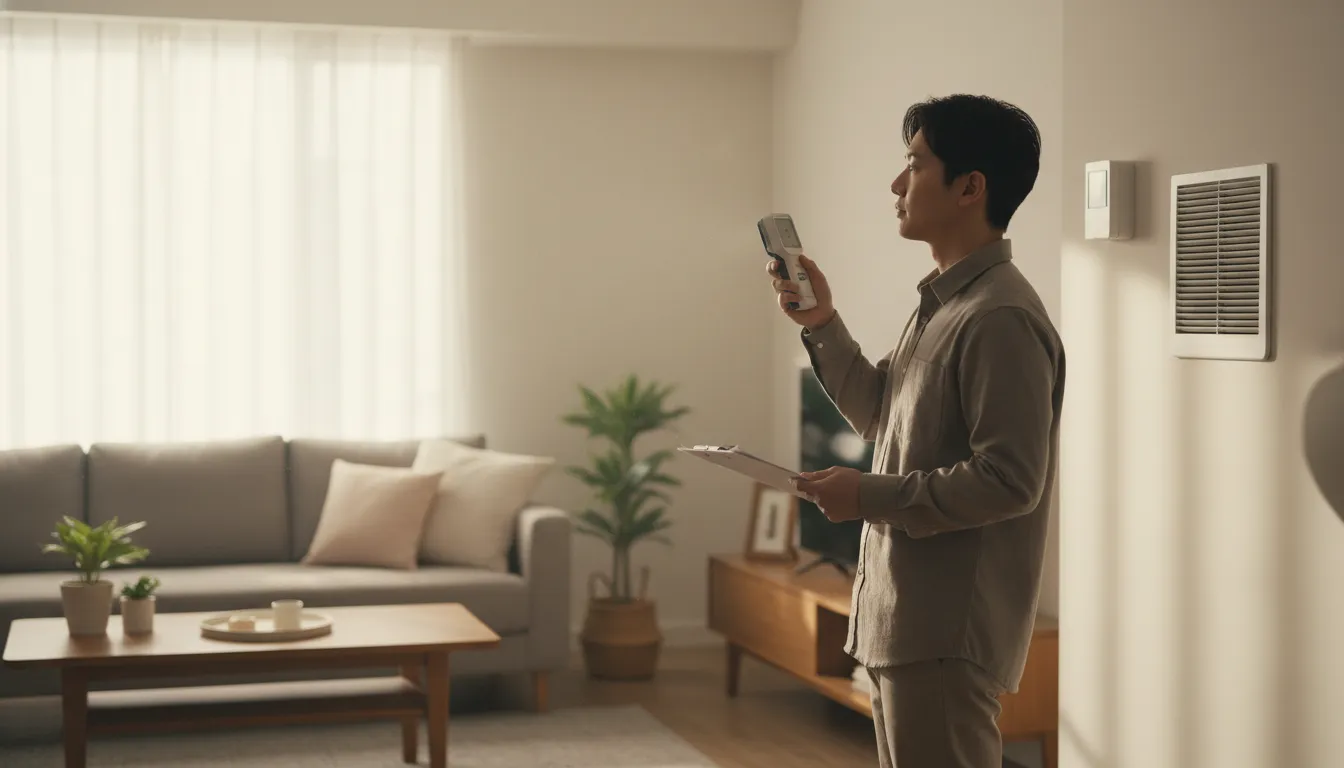
Find the Best Indoor Air Quality Service Providers for Your Business
No obligation • Fast responses • Nationwide coverage

Why you can trust HVAC Firms
HVAC Firms is a leading United States resource for evaluating HVAC service providers. Our team researches companies, checks credentials, and reviews customer feedback to present clear, unbiased information. Listings and rankings are based on merit, and companies cannot pay to change our editorial content.
Search providers near you
Top Indoor Air Quality Service Providers in Trenton, New Jersey Ranked
The air you breathe inside your home or office has a direct impact on your health, comfort, and well-being. In Trenton, specific environmental factors and building characteristics can create unique indoor air quality (IAQ) challenges. This guide explains the common contaminants found in local homes and businesses, outlines practical testing and monitoring options, and details effective strategies for improvement. Use this information to identify potential issues and connect with qualified local professionals who can help you create a healthier indoor environment.
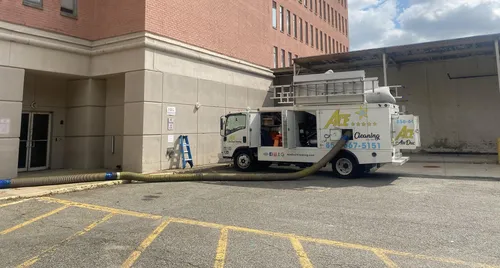
Ace Duct Cleaning Inc
423 Commerce Ln UNIT 1, West Berlin, NJ 08091
Ace Duct Cleaning Inc is a family-owned company serving Philadelphia, PA, and nearby areas with air duct cleaning and indoor air quality services. Since 1992, they have provided thorough cleaning of HVAC systems using advanced power vacuum trucks and NADCA Certified technicians. Their services cover residential, commercial, and industrial properties, focusing on removing dust, allergens, mold, and other contaminants to improve air quality and HVAC efficiency. The company offers 24/7 availability, including emergency services, to support heating and air needs at any time.
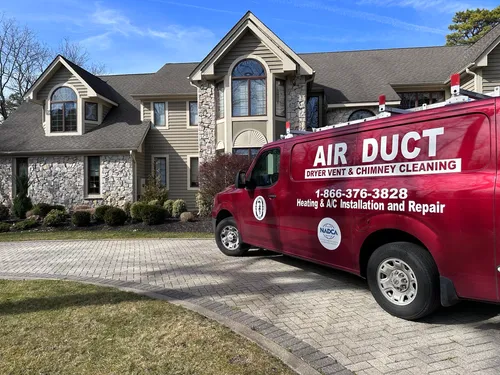
A Plus Cleaning Services
805 Red Lion Rd Apt C17, Philadelphia, PA 19115
A Plus Cleaning Services is a duct cleaning company based in Philadelphia, PA, specializing in indoor air quality improvement. They serve residential and commercial clients across New Jersey, Pennsylvania, and Delaware, offering air duct, dryer vent, and chimney cleaning and repair services. The company uses state-of-the-art equipment and employs certified technicians to help enhance indoor air quality, reduce allergens, and minimize fire hazards. Established in 2005, A Plus Cleaning Services brings over 15 years of experience to their work.
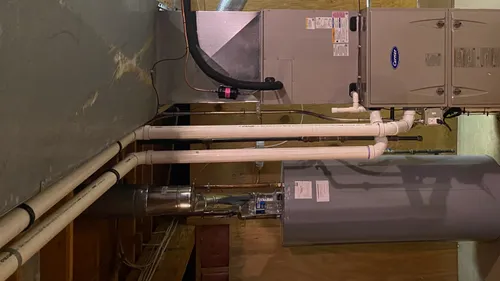
Done Rite Heating & Cooling
736 Eayrestown Rd, Lumberton Township, NJ 08048
Done Rite Heating & Cooling provides a full range of HVAC services including air conditioning, furnace, and heat pump repair, installation, and maintenance in Philadelphia, PA. They also offer commercial HVAC solutions, air duct cleaning, and indoor air quality testing and improvement services. Their team is experienced in handling refrigerant leaks, compressor issues, furnace ignition problems, and heat pump electrical or mechanical failures. Serving the Philadelphia area, they focus on ensuring efficient and reliable heating and cooling systems for both residential and commercial clients.
GB Heating and Cooling, LLC.
1317 Veterans Hwy, Bristol, PA 19007
GB Heating and Cooling, LLC. is an HVAC company serving Philadelphia, PA, and surrounding communities. They provide a range of heating and cooling services including installation, repair, maintenance, and indoor air quality testing for residential and commercial clients. Their capabilities include installing and servicing air conditioners, furnaces, heat pumps, boilers, mini splits, and rooftop units, with a focus on energy-efficient and smart climate control systems. The company has over 10 years of experience and offers round-the-clock service to address urgent heating and cooling needs.
Plumbing Pals
2424 E York St Suite 100-B, Philadelphia, PA 19125
Plumbing Pals is a family-owned and operated company serving Philadelphia, PA. They provide a range of plumbing and HVAC services including drain cleaning, water heater repairs, air conditioner maintenance, furnace repairs, and indoor air quality services. With over a decade of experience, Plumbing Pals offers 24-hour emergency services for both plumbing and HVAC needs. Their trained technicians handle installations, repairs, and maintenance with a focus on efficient and knowledgeable service.
Understanding Trenton's Indoor Air Quality Challenges
Trenton's climate, housing stock, and location contribute to a distinct set of indoor air pollutants. Being aware of these common issues is the first step toward addressing them.
Humidity and Mold Growth
New Jersey's humid climate, combined with frequent rain and the prevalence of older homes in the Trenton area, creates ideal conditions for mold and mildew. Basements, crawlspaces, attics, and bathrooms are particularly susceptible. Persistent moisture not only damages building materials but also releases mold spores into the air, which can trigger allergies, asthma, and other respiratory issues.
Radon Gas Infiltration
Radon is a naturally occurring, radioactive gas that seeps from the soil into buildings. It is a significant concern in central New Jersey and is the leading cause of lung cancer among non-smokers 1. The gas enters homes through cracks in foundations, gaps around pipes, and other openings. The Environmental Protection Agency (EPA) recommends mitigation if radon levels reach or exceed 4.0 picocuries per liter (pCi/L), and testing is crucial as concentrations can vary dramatically from one house to the next, even in the same neighborhood.
Volatile Organic Compounds (VOCs)
These are gases emitted from a wide array of everyday products and materials. In both Trenton homes and offices, common sources include new furniture, carpets, paints, varnishes, cleaning supplies, and air fresheners. During and after renovations, VOC levels can spike. Prolonged exposure to certain VOCs can cause headaches, dizziness, and irritation of the eyes, nose, and throat, and may have longer-term health effects.
Combustion Pollutants
Homes with gas stoves, furnaces, water heaters, fireplaces, or attached garages are at risk for elevated levels of carbon monoxide (CO) and nitrogen dioxide (NO₂). These colorless, odorless gases are especially concerning in winter when windows are closed and ventilation is minimal. Carbon monoxide is particularly dangerous, making functional CO detectors an absolute necessity on every floor of a home.
Allergens and Particulate Matter
Common biological allergens like dust mite debris, pet dander, and pollen constantly circulate in indoor air. Additionally, particulate matter (PM), such as PM2.5-fine particles small enough to penetrate deep into the lungs-comes from cooking, burning candles, outdoor vehicle exhaust, and even distant wildfire smoke that infiltrates indoors 2 3. Modern, energy-efficient homes are often tightly sealed, which can trap these particles inside without adequate filtration or ventilation.
Outdoor Air Infiltration
While sealing a home improves energy efficiency, it can also allow outdoor pollutants like ozone and particulate matter to build up indoors if not properly managed 4. On days with poor outdoor air quality, these pollutants can enter and remain inside, affecting the overall indoor environment.
How to Test and Monitor Your Indoor Air
Determining your specific air quality issues involves assessment, which ranges from simple DIY checks to comprehensive professional analysis.
Professional IAQ Assessment
For a definitive diagnosis of complex problems, professional indoor air quality testing services are recommended. These experts use calibrated scientific instruments to measure specific contaminants like formaldehyde, a wide range of VOCs, airborne mold spore types, and precise levels of gases like radon and carbon monoxide 5 6. Samples are often sent to a laboratory for analysis, providing a detailed report on your air's composition. This level of testing is particularly valuable before a real estate transaction, after a mold or water damage event, or if household members are experiencing unexplained health symptoms. Professional testing can start at approximately $550 5.
Do-It-Yourself Monitoring and Testing
Homeowners can effectively track several key parameters with consumer products:
- Radon Test Kits: Short-term (2-7 day) and long-term (90+ day) kits are available at hardware stores or online. They are relatively inexpensive and are a critical first step for every Trenton-area home.
- Carbon Monoxide Detectors: These are non-negotiable safety devices that should be installed on every level of the home, especially near sleeping areas. They provide continuous monitoring and alarm at dangerous levels 7.
- Indoor Air Quality Monitors: Smart devices can continuously track and report on levels of particulate matter (PM2.5), VOCs, temperature, and humidity via a smartphone app 8. These are excellent for identifying trends and patterns in your home's environment.
- Humidity Gauges (Hygrometers): A simple, low-cost tool to monitor relative humidity, helping you keep levels in the optimal 30-50% range to discourage mold growth and dust mites.
Find the perfect indoor air quality service providers for your needs
Get personalized recommendations and expert advice
Effective Strategies for Improving Indoor Air in Trenton
Once you've identified the issues, a combination of strategies-source control, ventilation, and purification-will provide the best results. Costs vary based on the solution and the size of your home.
Source Control: The First Line of Defense
This is often the most effective and least expensive approach. It involves removing or reducing the emission of pollutants at their origin.
- Choose low-VOC or VOC-free paints, adhesives, and cleaning products.
- Store paints, solvents, and pesticides in sealed containers, preferably in a detached shed or garage.
- Address water leaks and condensation promptly to prevent mold.
- Use exhaust fans vented to the outside when cooking, showering, or using the dishwasher.
- Maintain gas-burning appliances and have chimneys cleaned regularly to ensure proper combustion 9.
Ventilation: Diluting Stale Air with Fresh Air
Proper ventilation replaces stale, polluted indoor air with fresher outdoor air.
- Local Exhaust: Ensure your kitchen and bathroom exhaust fans are functional and vent directly outside, not into an attic or crawlspace.
- Whole-House Ventilation: For tighter, modern homes, systems like Energy Recovery Ventilators (ERVs) or Heat Recovery Ventilators (HRVs) provide controlled, filtered ventilation without wasting energy. These systems can be integrated into your existing HVAC ductwork 10.
Air Cleaning and Filtration
When source control and ventilation aren't enough, air cleaners capture pollutants that are already circulating.
- Portable Air Purifiers: Effective for single rooms or open areas. Look for units with a true HEPA filter for particles and an activated carbon filter for gases and odors. Prices typically range from approximately $100 to over $500 depending on features and room coverage 11.
- Whole-House Air Filtration/Purification: These systems are installed directly into your home's central forced-air HVAC system, cleaning the air throughout the entire house as it circulates. Options include high-efficiency media filters, electronic air cleaners, and whole-house plasma or UV air purifiers 12. This provides a seamless, whole-home solution.
Targeted Solutions for Specific Contaminants
- Radon Mitigation: If testing confirms high levels, a sub-slab depressurization system is the standard solution. A pipe is installed through the foundation slab to vent radon gas from beneath the house to the outside. This work typically costs around $1,200, with a general range of $500 to $2,500 depending on home construction 13.
- Moisture and Mold Control: In damp basements or crawlspaces, a dehumidifier is a critical investment to maintain humidity below 50% and prevent mold growth. Fixing the source of water intrusion is always the first priority.
- Advanced Filtration: Upgrading your HVAC system's filter to a higher MERV rating (e.g., MERV 13) can significantly reduce airborne particulates, including pollen, dust, and some bacteria 14.
Maintaining a Healthy Indoor Environment
Improving your air quality is not a one-time project but an ongoing process. Regular maintenance of your HVAC system, including professional cleaning and filter changes, is essential. Continue to monitor humidity and be vigilant about potential moisture problems. By understanding the local challenges in Trenton and taking proactive steps, you can ensure the air in your home supports the health and comfort of everyone inside.
Frequently asked questions
Sources
Footnotes
-
Trenton, New Jersey Radon Mitigation, Testing & Levels - https://radonresources.com/directory/nj/city/trenton/ ↩
-
Common Indoor Air Contaminants in New Jersey Homes and ... - https://www.getmapleair.com/blog-post/common-indoor-air-contaminants-in-new-jersey-homes ↩
-
Build a Healthier Home: Prioritizing Indoor Air Quality in New Construction - https://devereinsulation.com/why-indoor-air-quality-matters-and-how-to-improve-it/ ↩
-
airquality - https://www.hcdnnj.org/airquality ↩
-
Indoor Air Quality Testing & VOC Monitoring in NJ - https://esmcorp.com/indoor-air-quality-testing-services/ ↩ ↩2
-
New Jersey Indoor Air Quality Testing Services - https://paulsakson.com/indoor-air-quality-testing/ ↩
-
Your Holiday IAQ Checklist: Essential CO2 Monitoring Strategies for Ho - https://www.co2meter.com/blogs/news/indoor-air-quality-monitors-available-for-homes-and-businesses ↩
-
Improving Air Quality at Home: Smart Monitoring & Practical Tips - https://ruuvi.com/improving-indoor-air-quality-at-home/ ↩
-
10 Signs of Poor Air Quality in the Home and How to Fix It - https://www.amarilloair.com/blog/what-worsens-indoor-air-quality/ ↩
-
Common Indoor Air Contaminants in New Jersey Homes and ... - https://www.getmapleair.com/blog-post/common-indoor-air-contaminants-in-new-jersey-homes ↩
-
Common Indoor Air Contaminants in New Jersey Homes and ... - https://www.getmapleair.com/blog-post/common-indoor-air-contaminants-in-new-jersey-homes ↩
-
Wichita Air Quality Solutions by Midwest Mechanical in 2025 - https://www.coolwichita.com/indoor-air-quality ↩
-
NJDEP-Radiation Protection Programs - NJ.gov - https://www.nj.gov/dep/rpp/radon/homebs.htm ↩
-
How Your HVAC System Can Help Asthma - https://www.princetonfuel.com/blog/indoor-air-quality-trenton-nj-hvac-system-help-asthma/ ↩