Find the Best Indoor Air Quality Service Providers for Your Business
No obligation • Fast responses • Nationwide coverage

Why you can trust HVAC Firms
HVAC Firms is a leading United States resource for evaluating HVAC service providers. Our team researches companies, checks credentials, and reviews customer feedback to present clear, unbiased information. Listings and rankings are based on merit, and companies cannot pay to change our editorial content.
Search providers near you
Best Indoor Air Quality Service Providers in New Jersey Ranked
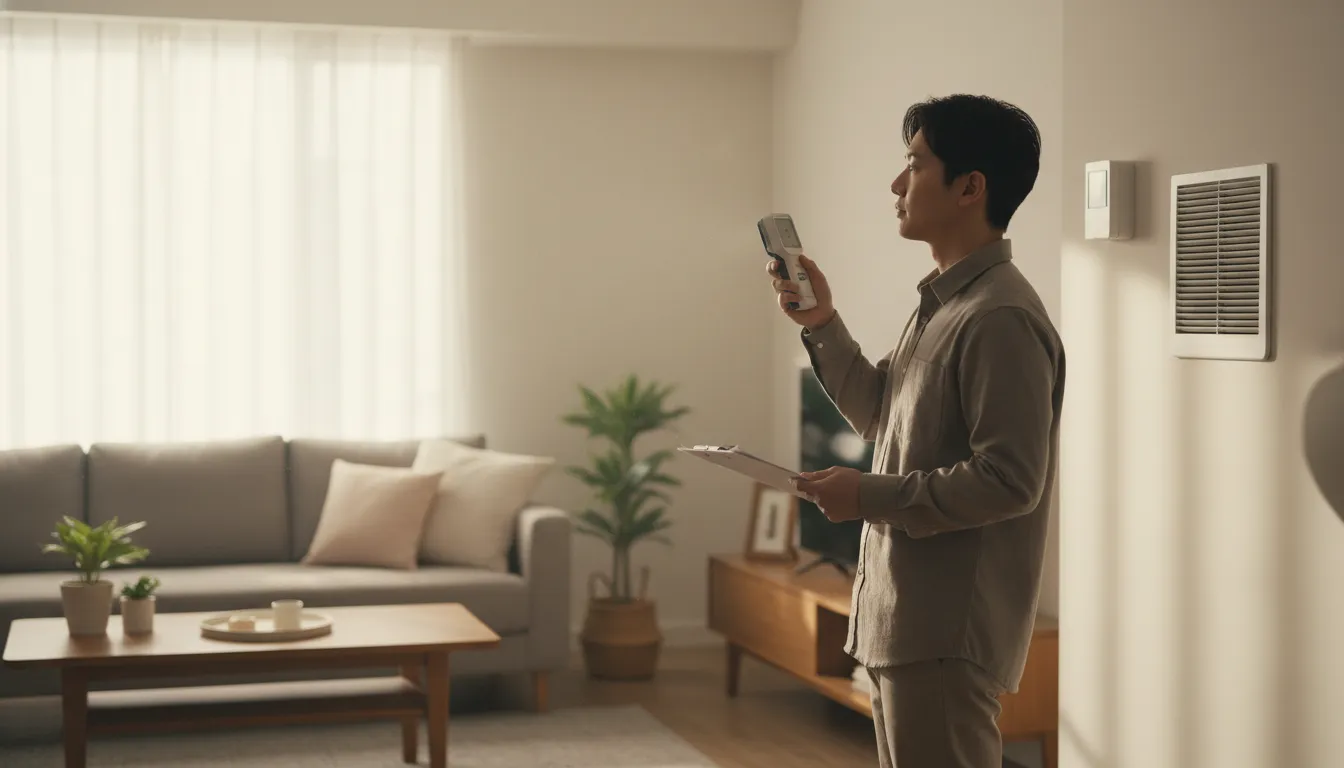
The air inside your New Jersey home or business can be more polluted than the outdoor air, impacting comfort, health, and even property value. Indoor air quality (IAQ) refers to the condition of the air within buildings, influenced by pollutants like mold, radon, and volatile chemicals. For New Jersey residents, managing IAQ is crucial due to the state's humid climate, older housing stock, and specific regional risks. This guide explains the common contaminants, relevant state regulations, and practical solutions to help you identify and connect with qualified professionals who can assess and improve your indoor environment.
P.A.C. Plumbing, Heating, & A/C
545 Port Richmond Ave, Staten Island, NY 10302
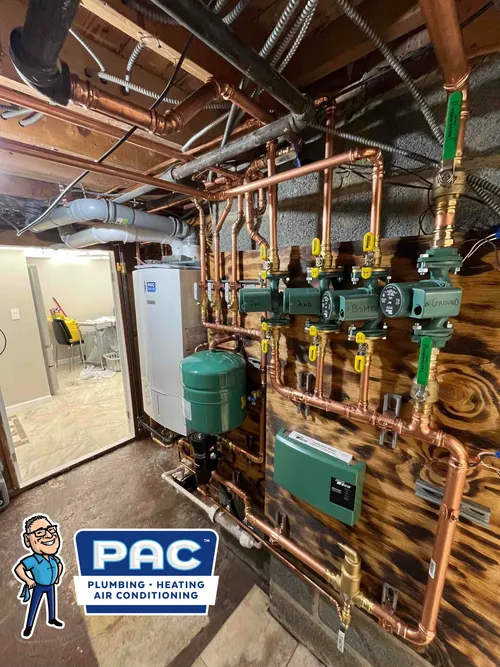
P.A.C. Plumbing, Heating, & A/C is a full-service plumbing and HVAC company serving Newark, NJ, and surrounding areas. They provide a range of services including air conditioning and furnace repair and installation, as well as indoor air quality solutions. The company is known for offering accurate diagnoses and tailored service options to fit different budgets. Their team is experienced in handling various plumbing and HVAC issues, with a focus on long-term comfort through maintenance plans. P.A.C. Plumbing, Heating, & A/C has been recognized locally for its service quality and commitment to the community.
Airtek Mechanical Heating & Cooling LLC
400 Valley Brook Ave, Lyndhurst, NJ 07071
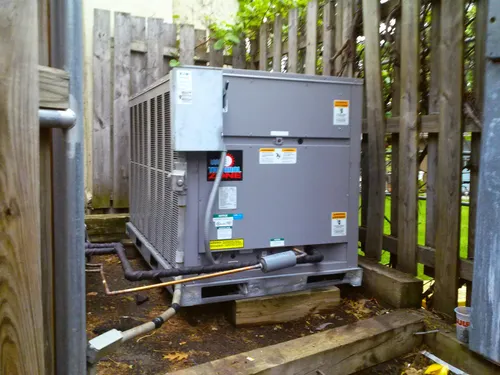
Airtek Mechanical Heating & Cooling LLC is an HVAC contractor based in Newark, NJ, providing residential and commercial heating, cooling, and refrigeration services. They offer repairs, installations, and maintenance for air conditioning, furnaces, boilers, and ductless mini-split systems. Their capabilities include 24-hour emergency HVAC repairs and servicing a variety of unit types such as rooftop package units and wall air conditioners. With over 10 years of experience, Airtek Mechanical serves Newark and surrounding areas with a focus on comprehensive HVAC solutions.
Stanley Steemer
178 Pulaski Ave, Staten Island, NY 10303
Stanley Steemer is a cleaning company serving Staten Island, NY, specializing in carpet, upholstery, tile, and air duct cleaning. Their team includes NADCA-certified professionals who provide comprehensive air duct cleaning to improve indoor air quality and HVAC efficiency. With over 75 years of experience nationally and more than 38 years serving the Staten Island community, Stanley Steemer combines advanced cleaning technology with family-safe, EPA-certified products. They also offer emergency water damage restoration services with 24/7 availability.
B&K Air Duct Cleaning Solutions
91 S Livingston Ave, Livingston, NJ 07039
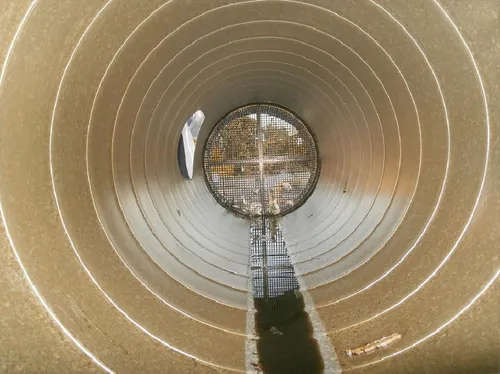
B&K Air Duct Cleaning Solutions provides comprehensive air duct and HVAC services in Newark, NJ. They offer hospital-grade duct sanitization that eliminates bacteria, mold, and viruses, along with eco-friendly allergen removal and dryer vent fire prevention. Their commercial HVAC maintenance includes complete duct cleaning for offices and restaurants. The company also specializes in mold and mildew remediation and offers seasonal maintenance plans tailored to New Jersey's climate. Emergency same-day service is available 24/7 for urgent situations such as water damage or smoke removal.
D & D Ducts & Chimney Maintenance
254 Joralemon St, Belleville, NJ 07109
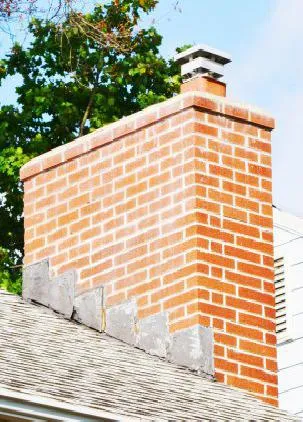
D & D Ducts & Chimney Maintenance provides duct cleaning and chimney services in Newark, NJ. They offer comprehensive chimney cleaning, fireplace inspection and repair, duct cleaning, dryer vent cleaning, and chimney relining. Their advanced creosote removal and smoke chamber restoration services address critical safety and efficiency issues in chimney maintenance. The company also provides HVAC sanitization to improve indoor air quality by eliminating biological contaminants. With a focus on thorough cleaning and structural care, they support year-round maintenance including seasonal preparation and emergency 24/7 chimney cleaning.
Understanding New Jersey's Indoor Air Landscape
New Jersey presents a unique set of challenges for maintaining clean indoor air. Its coastal humidity promotes mold growth, certain geological areas have a higher potential for radon gas, and a mix of urban and suburban environments introduces various pollutants. Furthermore, the state's building codes have evolved, meaning newer homes are built tighter for energy efficiency, which can trap pollutants indoors without proper mechanical ventilation.
While there are no state-mandated IAQ standards for private residences, New Jersey does enforce specific rules for public workplaces under N.J.A.C. 12:100-13 1. For homeowners and renters, guidance comes from federal agencies like the EPA and recommendations from the New Jersey Department of Health (NJDOH), focusing on proactive moisture control, radon testing, and the use of carbon monoxide detectors.
Common Indoor Air Contaminants in New Jersey
Identifying the pollutants in your space is the first step toward remediation. The most prevalent issues in the Garden State include:
- Mold and Fungi: Driven by the state's humidity, basement moisture, and leaky roofs or pipes, mold is a widespread concern. It can cause allergic reactions, asthma attacks, and respiratory irritation. Controlling indoor humidity (ideally between 30-50%) is the most effective prevention strategy 2.
- Radon: This colorless, odorless radioactive gas seeps from the ground into buildings through cracks in foundations. The EPA identifies areas of New Jersey with elevated radon potential and recommends taking action if test results show levels at or above 4.0 picocuries per liter (pCi/L) 3.
- Volatile Organic Compounds (VOCs): These gases are emitted from a vast array of household products, including paints, varnishes, cleaning supplies, adhesives, and even new furniture or flooring. During and after renovations, VOC levels can spike significantly 4.
- Combustion Pollutants: Carbon monoxide (CO) and nitrogen dioxide (NO₂) are produced by fuel-burning appliances like gas stoves, furnaces, water heaters, and fireplaces. Proper venting and annual appliance maintenance are critical, especially in tightly sealed homes during winter.
- Particulate Matter (PM2.5): These fine inhalable particles come from cooking, smoking, burning candles, and can also infiltrate from outdoor air pollution, including seasonal wildfire smoke. They can penetrate deep into the lungs 5.
- Biological Allergens: Dust mites, pet dander, cockroach debris, and pollen are common triggers for allergies and asthma. These allergens circulate through the air and can accumulate in ductwork, carpets, and upholstery.
New Jersey's Ventilation Codes and Standards
Ventilation is the cornerstone of good indoor air quality, replacing stale, polluted air with fresh outdoor air. New Jersey's Uniform Construction Code (UCC) adopts nationally recognized standards to ensure buildings are properly ventilated 6.
- Mechanical Ventilation: For new and renovated homes, the code requires whole-house mechanical ventilation systems (like Energy Recovery Ventilators or HRVs) to provide a continuous supply of fresh air, which is essential in energy-efficient, tightly built structures 7 8.
- Local Exhaust: Code mandates exhaust fans in kitchens (to remove moisture, grease, and combustion gases) and bathrooms (to remove humidity and prevent mold). These fans should vent directly to the outdoors 9 10.
- Natural Ventilation: While operable windows are a simple way to get fresh air, they are not a reliable year-round solution. Building codes treat them as a supplement to, not a replacement for, mechanical systems 11 12.
Find the perfect indoor air quality service providers for your needs
Get personalized recommendations and expert advice
Professional IAQ Testing and Improvement Costs
If you suspect an air quality issue, professional testing can pinpoint the problem. Costs in New Jersey vary based on the size of your home, the type of pollutants tested for, and the complexity of the inspection.
| Service/Improvement | Typical Cost Range in New Jersey |
|---|---|
| Basic Whole-Home IAQ Inspection | $292 - $584 (Average: ~$437) 13 |
| Mold Testing & Inspection | $300 - $1,000 |
| Radon Testing (Professional) | $150 - $800 |
| VOC Testing | $200 - $400 |
| Carbon Monoxide System Check | $100 - $200 |
| Mold Remediation | $1,200 - $3,800 14 |
| Radon Mitigation System Installation | $800 - $1,300 15 |
| Whole-House Air Purifier Installation | Cost varies significantly by system type and home size. |
It's important to get detailed quotes from certified professionals, as comprehensive assessments that test for multiple contaminants will be at the higher end of the scale.
Taking Action: Steps for Healthier Indoor Air
You don't always need to start with a professional test. Several effective actions can immediately improve your home's air:
- Control Moisture: Use dehumidifiers in damp basements, fix leaks promptly, and run bathroom exhaust fans for at least 20 minutes after showering.
- Test for Radon: Purchase an affordable DIY radon test kit (often $15-$30) or hire a professional. This is a critical step for any New Jersey homeowner.
- Maintain Your HVAC System: Change filters regularly (every 1-3 months), and have your heating and cooling system professionally serviced annually to ensure it's not circulating dust and mold.
- Increase Ventilation: Use kitchen exhaust hoods when cooking, and consider installing a whole-house ventilation system if your home feels stuffy.
- Choose Low-VOC Products: Opt for paints, cleaners, and building materials labeled "low-VOC" or "zero-VOC," especially for indoor projects.
- Use Portable Air Cleaners: A HEPA-filter air purifier in bedrooms and main living areas can effectively reduce particulate matter and allergens.
For persistent issues, unexplained health symptoms, or before major renovations, investing in a professional assessment is wise. A qualified specialist can provide a clear diagnosis and a targeted plan for creating a healthier indoor environment for you and your family.
Frequently asked questions
Sources
Footnotes
-
Workplace Health and Safety | New Jersey Indoor Air Quality ... - https://www.nj.gov/health/workplacehealthandsafety/peosh/peosh-health-standards/iaq.shtml ↩
-
Common Indoor Air Contaminants in New Jersey Homes and ... - https://www.getmapleair.com/blog-post/common-indoor-air-contaminants-in-new-jersey-homes ↩
-
Indoor Air Quality (IAQ) Program | Atlantic County, NJ - https://www.atlanticcountynj.gov/government/county-departments/department-of-human-services/division-of-public-health/environmental-health/indoor-air-quality-iaq-program ↩
-
airquality - https://www.hcdnnj.org/airquality ↩
-
Los Angeles Office Air Quality Testing: Essential Compliance Guide - myshyft.com - https://www.myshyft.com/blog/indoor-air-quality-testing-for-offices-los-angeles-california/ ↩
-
New Jersey Ventilation for Acceptable Indoor Air Quality Code ... - https://up.codes/viewer/new_jersey/ashrae-62-1-2019 ↩
-
Mechanical Ventilation - NJ Energy Code - https://njenergycode.com/ventilation/default.html ↩
-
NEW JERSEY DEPARTMENT OF COMMUNITY AFFAIRS DIVISION ... - https://www.nj.gov/dca/divisions/dhcr/offices/docs/wap/hs_survey-ashrae_62.2_%202013_residential_ventilation_standard.pdf ↩
-
Chapter 4 Ventilation: New Jersey UCC Mechanical Subcode ... - https://up.codes/viewer/new_jersey/imc-2021/chapter/4/ventilation ↩
-
Introduction to Ventilation & the latest ASHRAE 62.2 standards - https://www.youtube.com/watch?v=Mj2DtDn8pmU ↩
-
How much ventilation do I need in my home to improve indoor air ... - https://www.epa.gov/indoor-air-quality-iaq/how-much-ventilation-do-i-need-my-home-improve-indoor-air-quality ↩
-
PIER C R - https://ww2.arb.ca.gov/sites/default/files/classic/research/apr/past/04-310.pdf ↩
-
How Much Does Indoor Air Quality Testing Cost in NJ? (2026) - https://cleanairtechnologiesnj.com/how-much-does-indoor-air-quality-testing-cost/ ↩
-
Mold Remediation In Monmouth County, New Jersey - https://mastertech-monoc.com/service-area/mold-remediation-in-monmouth-county-new-jersey/ ↩
-
How Much Does Indoor Air Quality Testing Cost? [2025 Data] - https://www.homeadvisor.com/cost/environmental-safety/test-indoor-air-quality/ ↩