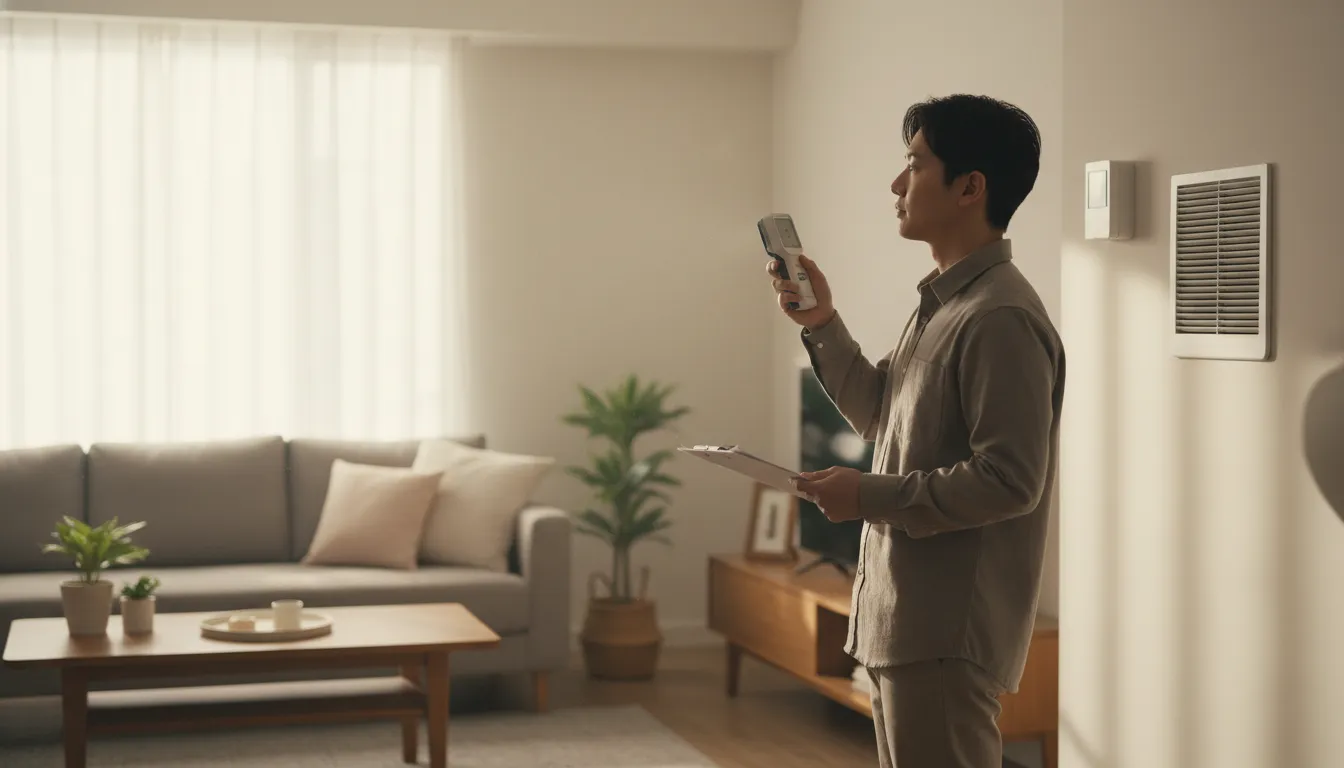
Find the Best Indoor Air Quality Service Providers for Your Business
No obligation • Fast responses • Nationwide coverage

Why you can trust HVAC Firms
HVAC Firms is a leading United States resource for evaluating HVAC service providers. Our team researches companies, checks credentials, and reviews customer feedback to present clear, unbiased information. Listings and rankings are based on merit, and companies cannot pay to change our editorial content.
Search providers near you
Top Indoor Air Quality Service Providers in Newark, New Jersey Ranked
The air you breathe inside your home or office in Newark has a direct impact on your health, comfort, and productivity. Indoor Air Quality (IAQ) refers to the condition of the air within buildings, influenced by pollutants from both inside and outside sources. In an urban environment like Newark, managing IAQ is especially important due to the unique mix of indoor contaminants and outdoor air infiltration. This guide will help you understand the common air quality challenges in Newark, how to identify them, and the practical solutions available from local specialists to create a cleaner, healthier indoor environment.
Cool Clean Services
97 Gilmore Blvd, Floral Park, NY 11001
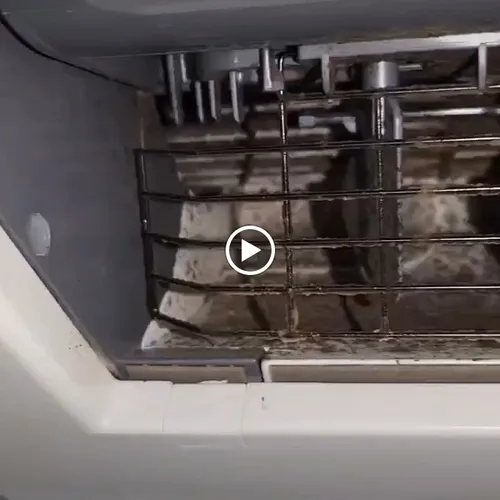
Cool Clean Services is a veteran-owned company based in New York, NY, specializing in ductless mini split cleaning and indoor air quality services. They focus on thorough cleaning and maintenance of ductless mini-split systems for both residential and commercial properties, using EPA-certified products and custom tools designed for this specific work. Their services help remove dust, allergens, odors, and mold to improve air quality and system efficiency. In addition to mini split cleaning, they offer dryer vent cleaning, air duct cleaning, and sanitizing services to support overall indoor air quality. Cool Clean Services is licensed, insured, and BBB A+ rated, serving the New York area with flexible scheduling options.
J R Air Duct Cleaning
215 Gates Rd # D, Little Ferry, NJ 07643
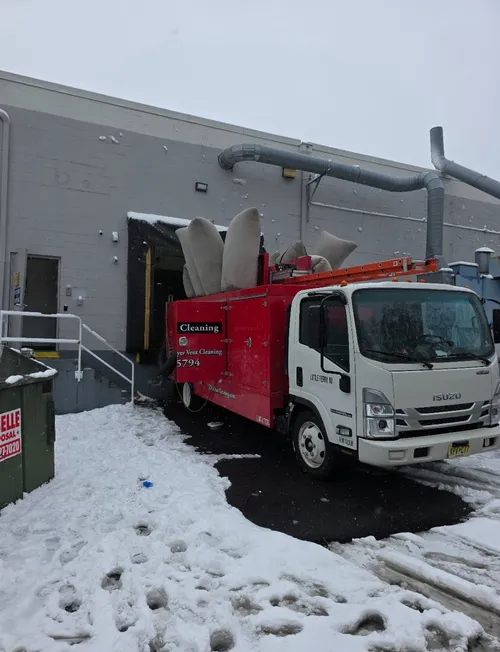
J R Air Duct Cleaning is a duct cleaning company serving New York, NY, and nearby North Jersey areas. Since 2011, they have provided residential and commercial air duct, dryer vent, and mini split air conditioner cleaning services. Their work includes thorough cleaning of HVAC system components such as air filters, coils, and registers to improve indoor air quality and system efficiency. They also offer dryer vent repairs and install bird guards to prevent blockages. Additionally, they provide UV light purifier installation to reduce airborne pollutants, benefiting those with allergies or asthma.
All Seasons Air Duct Cleaning
232 Fulton Terrace, Cliffside Park, NJ 07010
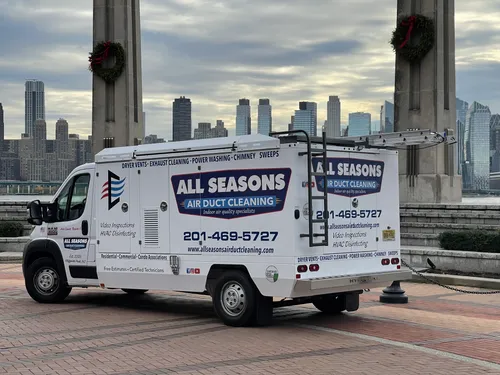
All Seasons Air Duct Cleaning is a NADCA certified company specializing in air duct and dryer vent cleaning. Based near New York, NY, they serve New Jersey areas including Hudson, Bergen, and Essex counties. Their services focus on improving indoor air quality, reducing fire risks, and enhancing HVAC efficiency through professional duct and vent cleaning. With over 20 years of experience, this family-owned business follows industry standards to ensure thorough and reliable service.
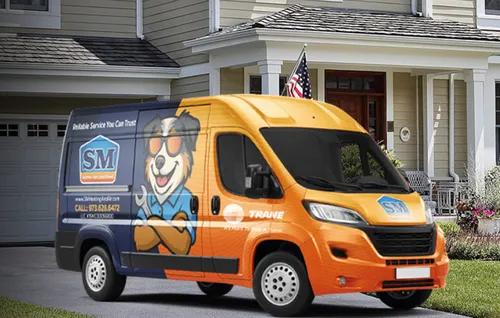
SM Heating and Air Conditioning Inc.
94 Wanaque Ave #1, Pompton Lakes, NJ 07442
SM Heating and Air Conditioning Inc. offers heating and air conditioning services in New York, NY, and the surrounding New Jersey areas including Pequannock and Morris County. The company provides a range of HVAC services such as air conditioner and furnace repair, installation, maintenance, and indoor air quality solutions. With over 25 years of experience, they handle everything from preventive maintenance to full system replacements and offer same-day service to address urgent needs promptly.
Aeromark Mechanical Inc
153 Morgan St, Jersey City, NJ 07302
Aeromark Mechanical Inc provides residential and commercial HVAC services in New York, NY, and the surrounding Northern New Jersey area. They specialize in heating and air conditioning repair, installation, and maintenance, including heat pumps, ductless HVAC systems, and indoor air quality solutions. With over 15 years of experience, Aeromark Mechanical offers seasonal maintenance plans and has expertise in installing advanced systems like VRF and high-velocity HVAC. Their certified technicians also handle smart thermostat installations and duct repair services.
Why Indoor Air Quality Matters in Newark
Newark's dense urban landscape, industrial history, and aging housing stock create a distinct set of challenges for maintaining clean indoor air. Poor IAQ can lead to immediate symptoms like headaches, fatigue, and irritation of the eyes, nose, and throat, as well as long-term health effects, including respiratory diseases and aggravated allergies 1. For businesses, subpar air can affect employee well-being and productivity. Given that many residents spend the majority of their time indoors, proactively addressing air quality is a critical component of home and workplace safety.
Common Indoor Air Pollutants in Newark Homes and Offices
A variety of contaminants can compromise your indoor environment. Understanding these common pollutants is the first step toward remediation.
Mold and Excess Moisture
The regional climate and the prevalence of older buildings in Newark make moisture control a persistent issue. Leaks from roofs, windows, or plumbing, combined with high humidity in poorly ventilated areas like basements and bathrooms, create ideal conditions for mold growth. Mold spores can trigger asthma attacks, allergic reactions, and other respiratory problems, making it one of the most common IAQ concerns in the area.
Radon Gas
Radon is a colorless, odorless radioactive gas that naturally seeps from the ground. It is a known carcinogen and a significant health risk. Certain geological formations in New Jersey make radon infiltration a concern for Newark properties, where it can enter through cracks in foundations, floor drains, or sump pits 2. Testing is the only way to know if your home has elevated radon levels.
Volatile Organic Compounds (VOCs)
These are gases emitted from a wide array of everyday products and materials. In both homes and offices, sources include paints, varnishes, new furniture, carpeting, cleaning supplies, adhesives, and even air fresheners 3. Concentrations are often highest indoors, sometimes up to ten times higher than outdoor levels, and can cause both short- and long-term health effects.
Combustion Pollutants
Homes with fuel-burning appliances-such as gas stoves, furnaces, water heaters, or fireplaces-can produce harmful gases like carbon monoxide (CO) and nitrogen dioxide (NO₂) 4. These are especially dangerous in modern, tightly sealed buildings during winter when windows are closed. Proper venting and regular appliance maintenance are essential.
Outdoor Air Infiltration
Newark's proximity to major highways, the Port of Newark, and industrial facilities means that outdoor pollutants readily find their way inside. Fine particulate matter (PM2.5), often called soot, from diesel trucks and industrial emissions can infiltrate through windows, doors, and building envelopes 5. This is a particular concern on days when outdoor air quality advisories are issued.
Other Contaminants
In older buildings, legacy materials like lead-based paint and asbestos can become airborne during renovations or due to deterioration, posing serious health risks. Dust mites, pet dander, and pollen are also perennial allergens that affect air quality.
How to Assess Your Indoor Air Quality
Determining the quality of your indoor air involves a combination of observation, self-testing, and professional evaluation.
Self-Checks and DIY Monitoring: Start by being aware of potential symptoms among occupants, such as persistent coughing, congestion, or dizziness that seem to improve when leaving the building. Essential safety devices like CO detectors and smoke alarms are non-negotiable. Homeowners can also use affordable radon test kits and low-cost air quality sensors that monitor particulate levels and sometimes VOCs 6.
Professional IAQ Testing: For a comprehensive analysis or when dealing with specific suspected issues like hidden mold or asbestos, hiring a certified environmental consultant is recommended. These professionals use specialized equipment to test for a full spectrum of pollutants, including mold spores, specific VOCs, formaldehyde, radon, lead dust, and asbestos fibers 7. They can provide a detailed report and remediation plan.
Workplace Requirements: It's important to note that New Jersey has enforceable IAQ standards for public employee workplaces. Under these rules, employers are required to investigate employee complaints, conduct building and HVAC system inspections, and address identified problems within a mandated timeframe 8 9.
Find the perfect indoor air quality service providers for your needs
Get personalized recommendations and expert advice
Solutions for Healthier Indoor Air
Improving your indoor environment typically involves a multi-pronged approach: source control, ventilation improvements, and air cleaning.
Source Control
The most effective way to improve IAQ is to eliminate or reduce the sources of pollution.
- Moisture and Mold: Fix water leaks promptly. Use dehumidifiers in damp basements and ensure bathrooms and kitchens are well-ventilated with exhaust fans that vent outside.
- VOCs: Choose low-VOC or VOC-free paints, adhesives, and cleaning products. Allow new furniture and carpets to off-gas in a well-ventilated space before bringing them into main living areas.
- Combustion Appliances: Ensure all fuel-burning appliances are properly installed, vented, and serviced annually by a qualified technician.
- General Cleaning: Regular cleaning with a HEPA-filter vacuum and damp-dusting can significantly reduce dust, pet dander, and other particulates.
Ventilation Improvements
Increasing the amount of fresh outdoor air coming inside dilutes indoor pollutant concentrations.
- Natural Ventilation: Simply opening windows and doors when weather and outdoor air quality permit.
- Mechanical Ventilation: For a more controlled solution, especially in tightly sealed homes, systems like Energy Recovery Ventilators (ERVs) or Heat Recovery Ventilators (HRVs) can bring in fresh air while minimizing energy loss. The cost for installing such systems can vary widely based on the home's layout.
Air Cleaning and Purification
While not a substitute for source control and ventilation, air purifiers can be effective at removing particles and some gases already in the air.
- Portable Air Purifiers: These are useful for single rooms. Look for units with HEPA filters for particles and activated carbon filters for gases and odors. Prices generally range from $100 to over $500.
- Whole-House Air Cleaners: These are installed directly into your home's central HVAC ductwork, cleaning the air throughout the entire house as it circulates. These systems represent a more significant investment, often ranging from $500 to several thousand dollars installed 10.
Professional Remediation Services
For specific, severe problems, professional remediation is necessary.
- Mold Remediation: The cost depends entirely on the extent of contamination. A small, contained area might cost between $500 and $1,500, while remediation of a large, affected area like a basement can run into the thousands 11.
- Radon Mitigation: Professionally installed radon mitigation systems, which typically use sub-slab depressurization, are highly effective. Installation in Newark typically costs between $800 and $2,500, depending on home construction 12.
- Asbestos/Lead Abatement: These are hazardous materials that require specialized, licensed contractors for safe removal.
Local Resources and Regulations in Newark
Residents and business owners in Newark have access to specific local resources. The Newark Division of Environmental Health provides guidance and can be a point of contact for concerns about environmental health hazards in the community 13. For broader state-level information and community science air monitoring projects, the New Jersey Department of Environmental Protection (NJDEP) offers resources and data.
Frequently asked questions
Sources
Footnotes
-
Common Indoor Air Contaminants in New Jersey Homes and ... - https://www.getmapleair.com/blog-post/common-indoor-air-contaminants-in-new-jersey-homes ↩
-
Air Quality Testing, Indoor Air Pollution | CT, NY, NJ - https://rtkenvironmental.com/services/iaq-radon/ ↩
-
Air Quality Testing, Indoor Air Pollution | CT, NY, NJ - https://rtkenvironmental.com/services/iaq-radon/ ↩
-
Do You Suspect Your Office Has an Indoor Air Problem? | US EPA - https://www.epa.gov/indoor-air-quality-iaq/do-you-suspect-your-office-has-indoor-air-problem ↩
-
Stop the Soot - NJDEP - https://dep.nj.gov/stopthesoot/ ↩
-
NJDEP| Air Monitoring | Community Science - https://dep.nj.gov/airmon/community-science/ ↩
-
New Jersey Indoor Air Quality Testing Services - https://paulsakson.com/indoor-air-quality-testing/ ↩
-
Workplace Health and Safety | New Jersey Indoor Air Quality ... - https://www.nj.gov/health/workplacehealthandsafety/peosh/peosh-health-standards/iaq.shtml ↩
-
Employers Guide to the Revised Indoor Air Quality ... - NJ.gov - https://www.nj.gov/health/workplacehealthandsafety/documents/peosh/iaq.pdf ↩
-
indoor air quality services - Horizon - https://www.horizonservices.com/indoor-air-quality/ ↩
-
airquality - https://www.hcdnnj.org/airquality ↩
-
Indoor Air Quality and Mold - Institutional Planning and Operations - https://ipo.rutgers.edu/rehs/safety/students/iaq ↩
-
Division of Environmental Health | Newark, NJ - https://www.newarknj.gov/207/Division-of-Environmental-Health ↩