Find the Best Indoor Air Quality Service Providers for Your Business
No obligation • Fast responses • Nationwide coverage

Why you can trust HVAC Firms
HVAC Firms is a leading United States resource for evaluating HVAC service providers. Our team researches companies, checks credentials, and reviews customer feedback to present clear, unbiased information. Listings and rankings are based on merit, and companies cannot pay to change our editorial content.
Search providers near you
Top Indoor Air Quality Service Providers in South Brunswick, New Jersey Ranked
The air inside your home or office in South Brunswick can have a profound impact on your health, comfort, and productivity. Indoor air quality (IAQ) refers to the condition of the air within and around buildings, particularly as it relates to the health and well-being of occupants. In our region, specific local factors like climate, geology, and building age create a unique set of air quality challenges. This guide helps you understand those local concerns, from mold and radon to everyday pollutants, and outlines the professional testing and improvement strategies available to create a healthier indoor environment for your family or employees.
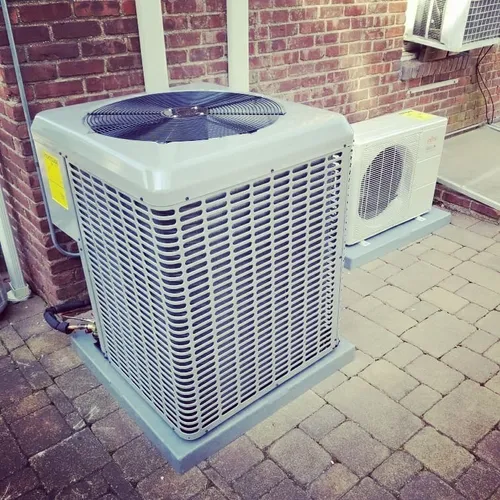
VIP HVAC SERVICE CORPORATION
133 Atlanta Ave, Vauxhall, NJ 07088
VIP HVAC SERVICE CORPORATION provides indoor air quality services in New York, NY. They specialize in humidifier installation and filter replacement to improve air flow and overall air quality. The company focuses on addressing the root causes of air quality issues rather than just treating symptoms.
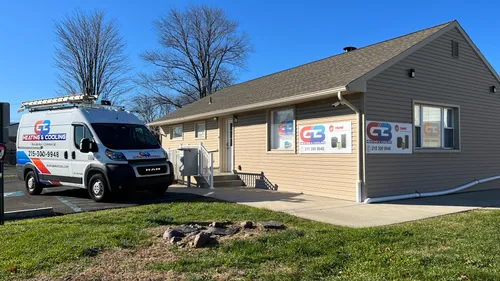
GB Heating and Cooling, LLC.
1317 Veterans Hwy, Bristol, PA 19007
GB Heating and Cooling, LLC. is an HVAC company serving Philadelphia, PA, and surrounding communities. They provide a range of heating and cooling services including installation, repair, maintenance, and indoor air quality testing for residential and commercial clients. Their capabilities include installing and servicing air conditioners, furnaces, heat pumps, boilers, mini splits, and rooftop units, with a focus on energy-efficient and smart climate control systems. The company has over 10 years of experience and offers round-the-clock service to address urgent heating and cooling needs.
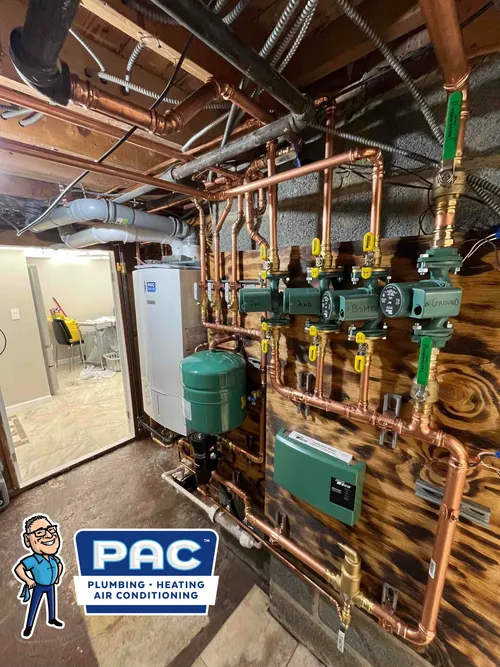
P.A.C. Plumbing, Heating, & A/C
545 Port Richmond Ave, Staten Island, NY 10302
P.A.C. Plumbing, Heating, & A/C is a full-service plumbing and HVAC company serving Newark, NJ, and surrounding areas. They provide a range of services including air conditioning and furnace repair and installation, as well as indoor air quality solutions. The company is known for offering accurate diagnoses and tailored service options to fit different budgets. Their team is experienced in handling various plumbing and HVAC issues, with a focus on long-term comfort through maintenance plans. P.A.C. Plumbing, Heating, & A/C has been recognized locally for its service quality and commitment to the community.
ECI Comfort
1115 W Gillam Ave, Langhorne, PA 19047
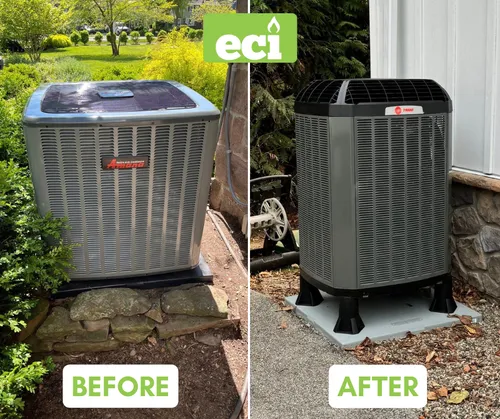
ECI Comfort is an HVAC contractor based in Philadelphia, PA, specializing in air conditioning installation, mini split installation, HVAC tune-ups, and indoor air quality services. They offer a range of services including the installation of air scrubbers to improve air quality. The company is known for knowledgeable staff and thorough explanations of service options. Their team handles installations and maintenance with care, including protective measures during work and post-service cleanup.
Stanley Steemer
178 Pulaski Ave, Staten Island, NY 10303
Stanley Steemer is a cleaning company serving Staten Island, NY, specializing in carpet, upholstery, tile, and air duct cleaning. Their team includes NADCA-certified professionals who provide comprehensive air duct cleaning to improve indoor air quality and HVAC efficiency. With over 75 years of experience nationally and more than 38 years serving the Staten Island community, Stanley Steemer combines advanced cleaning technology with family-safe, EPA-certified products. They also offer emergency water damage restoration services with 24/7 availability.
Understanding South Brunswick's Indoor Air Quality Challenges
South Brunswick's environment and housing stock contribute to several common indoor air pollutants. New Jersey's humid climate, with frequent rain, creates ideal conditions for moisture-related issues. Many homes, especially older ones, have basements and crawlspaces that are prone to dampness. Furthermore, the local geology in parts of New Jersey can lead to elevated levels of certain gases. Being aware of these primary contaminants is the first step toward managing your indoor environment.
Moisture and Mold Growth
Persistent humidity and potential water intrusion are leading causes of poor IAQ in the area. Mold spores are everywhere, but they need moisture to grow. Common problem areas in South Brunswick homes include basements, bathrooms, attics, and behind walls where leaks or condensation may occur. Controlling indoor moisture is not just about comfort-it's the most critical step in preventing mold, which can cause allergic reactions, asthma attacks, and other respiratory issues.
Radon Gas Infiltration
Radon is a colorless, odorless radioactive gas that naturally occurs from the breakdown of uranium in soil and rock. It is a significant health concern and is the second leading cause of lung cancer. In New Jersey, certain geological formations can lead to higher radon potential. The gas enters homes through cracks in floors and walls, construction joints, and gaps around service pipes. Testing for radon is a critical and standard practice, often included in home inspections, because you cannot detect it without proper equipment.
Volatile Organic Compounds (VOCs)
These are gases emitted from a wide array of everyday products and materials. Common sources in homes and offices include paints, varnishes, adhesives, new furniture, carpeting, cleaning supplies, and even air fresheners. During and after renovations, VOC levels can spike. Exposure can lead to symptoms like headaches, dizziness, eye and throat irritation, and, over the long term, more serious health effects. Managing VOCs involves source control and increased ventilation.
Allergens and Particulates
Dust mites, pet dander, pollen, and general dust are pervasive indoor allergens. South Brunswick's seasons bring different pollens that easily infiltrate indoors 1. These particulates are often circulated and concentrated by a home's forced-air HVAC system, especially if filters are not regularly changed or ducts are not clean. For those with allergies or asthma, managing these airborne particles is essential for daily comfort.
Combustion Byproducts
Homes with fuel-burning appliances-such as gas furnaces, boilers, water heaters, stoves, or fireplaces-can produce carbon monoxide (CO) and nitrogen dioxide (NO₂). These gases are dangerous at high levels and require proper venting to the outside. Ensuring appliances are correctly installed, maintained, and monitored with working CO detectors is a non-negotiable aspect of home safety and air quality.
Legacy Hazards: Asbestos and Lead
Older buildings in South Brunswick, particularly those built before the 1980s, may contain asbestos in insulation, floor tiles, or pipe wrap, and lead-based paint 2. These materials are generally safe if intact and undisturbed. However, they become a serious airborne hazard during renovations, repairs, or if they deteriorate. Specialized testing is required before any demolition or remodeling work in older properties.
Professional IAQ Assessment and Testing Services
Because many air quality problems are invisible, professional assessment is the most reliable way to identify issues. Local specialists use a comprehensive, multi-step approach to diagnose your home's specific conditions.
Initial Consultation and Visual Inspection: A professional will start with a thorough walkthrough, discussing occupant symptoms and concerns while looking for visible signs of moisture, mold, ventilation issues, and potential pollutant sources.
Comprehensive Air Quality Analysis: This involves mapping your home's airflow, identifying pollution sources, and pinpointing ventilation deficiencies. It provides a complete picture of how your indoor environment functions 3.
Specific Pollutant Testing: Using advanced equipment, technicians can test for individual contaminants:
- Mold Inspection and Sampling: While a visual inspection for moisture is key, air or surface sampling can identify the types and concentrations of mold spores present 4.
- Radon Testing: Professionals use specialized canisters or continuous monitoring devices to measure radon levels accurately over a period of time, which is more reliable than short-term DIY kits.
- VOC Monitoring: Equipment can detect and measure the concentration of various chemical gases, helping to pinpoint specific sources like new furniture or stored chemicals 5.
- Combustion Product Analysis: Precise detectors measure levels of carbon monoxide and nitrogen dioxide to ensure appliances are operating safely.
- Asbestos/Lead Testing: If suspected, samples of materials are carefully collected and sent to a certified laboratory for analysis.
Ongoing Monitoring and Maintenance Planning: For long-term management, professionals can help set up maintenance protocols for your HVAC system and may recommend continuous air monitoring systems to track conditions over time 6.
Find the perfect indoor air quality service providers for your needs
Get personalized recommendations and expert advice
Solutions and Improvements for Healthier Air
Once testing identifies the issues, targeted solutions can be implemented. The strategy typically follows a hierarchy: first control the source, then improve ventilation, and finally use cleaning or purification.
Source Control: This is the most effective method. It involves removing or sealing the origin of the pollutant. Examples include fixing water leaks, storing chemicals in sealed containers, choosing low-VOC paints and materials, and ensuring fuel-burning appliances are properly tuned and vented 7.
Ventilation Improvements: Diluting stale indoor air with fresh outdoor air is crucial.
- Local Exhaust: Using bathroom and kitchen fans that vent to the outside removes moisture and pollutants at their source.
- Whole-House Ventilation: Systems like Energy Recovery Ventilators (ERVs) or Heat Recovery Ventilators (HRVs) bring in fresh air while conserving energy by transferring heat and moisture between incoming and outgoing airstreams. These are excellent for modern, tightly sealed homes.
Air Cleaning and Filtration:
- HVAC Filter Upgrades: Using a higher MERV-rated filter in your central furnace/AC can capture more particulates. It's important to ensure your system can handle the increased airflow resistance.
- Air Purifiers: Portable units with HEPA filters are effective for single rooms. For whole-house purification, in-duct systems like plasma air purifiers or UV lights can be installed to neutralize microorganisms and some gases.
- Air Duct Cleaning: If testing indicates significant buildup of dust, mold, or debris within the ductwork, professional cleaning can help improve system efficiency and air quality.
Moisture and Humidity Control:
- Dehumidifiers: Portable or whole-house dehumidifiers are essential for keeping basement and crawlspace humidity levels below 50-60%, which inhibits mold growth and dust mites 8.
- Radon Mitigation: If high radon levels are detected, a mitigation system is installed. This typically involves a vent pipe and fan that pulls radon from beneath the foundation and safely exhausts it above the roofline 9.
Understanding the Investment in Clean Air
Costs for IAQ services in South Brunswick vary based on the complexity of the problem and the solutions required.
Testing Costs:
- A basic indoor air quality evaluation typically ranges from $400 to $650 10.
- Comprehensive testing for multiple pollutants (e.g., mold, VOCs, particulates) can cost between $700 and $950 11.
- Specific add-on tests have their own ranges: professional radon testing often costs $125-$220, while a mold inspection with sampling may be $250-$500 12.
Improvement and Mitigation Costs:
- Air Duct Cleaning: Varies significantly by the size of the home and the extent of contamination but is a common service to remove circulated allergens 13.
- Dehumidifiers: A critical investment for moisture control, with quality portable units starting at a few hundred dollars.
- Air Purification Systems: Portable HEPA units are a lower-cost option. Whole-house systems installed in ductwork, such as plasma air purifiers, can cost around $1,400 to install 14.
- Ventilation Systems: Installing an Energy Recovery Ventilator (ERV) is a larger investment, often starting around $2,000 and up, depending on the home's layout 15.
- Radon Mitigation System: Professional installation of an active depressurization system is the standard solution, with costs varying based on home construction and foundation type.
For residents and business owners in South Brunswick, taking a proactive stance on indoor air quality is a smart investment in health and property. By understanding the local risks-primarily mold, radon, and pervasive particulates-you can take informed steps. Begin with professional testing to identify specific issues, then implement a plan focused on source control, enhanced ventilation, and targeted purification. Regular HVAC maintenance, including filter changes, forms the backbone of ongoing IAQ management 16 17.
Frequently asked questions
Sources
Footnotes
-
Air Quality in a home - Arch Inspections LLC - https://archinspections.com/nj-home-inspection-helpful-home-owner-information/air-quality-in-a-home-nj-home-inspector/ ↩
-
Top 5 Environmental Issues to Watch Out for in New Jersey Home Inspections - https://www.jadlawfirm.com/blog/top-5-environmental-issues-to-watch-out-for-in-new-jersey-home-inspections/ ↩
-
Indoor Air Quality Testing - HSE Consulting Services - https://www.hseconsultingservices.com/pages/indoor-air-quality-testing-near-syracuse-ny ↩
-
Indoor Air Quality IAQ Testing Mold New Jersey NJ - https://www.atlenv.com/indoor-air-quality-testing ↩
-
Indoor Air Quality Testing - New York | AAA Lead Professionals - NYC Certified Experts - https://www.aaaleadpro.com/services/new-jersey/indoor-air-quality-testing-new-jersey/ ↩
-
Why should you be Monitoring Indoor Air Quality in Autumn - https://www.systemhygienics.co.uk/blog/why-you-should-be-monitoring-indoor-air-quality-in-autumn ↩
-
Source Control - https://maineindoorair.org/source-control/ ↩
-
5 cost-effective ways to improve your indoor air quality - https://www.goodgoodgood.co/articles/tips-for-improving-indoor-air-quality ↩
-
Health Physics - https://journals.lww.com/health-physics/fulltext/2024/12000/indoor_radon_concentrations_in_severe_cold_area.19.aspx ↩
-
How Much Does Indoor Air Quality Testing Cost? [2026 Data] - https://www.angi.com/articles/how-much-does-indoor-air-quality-testing-cost.htm ↩
-
Common Indoor Air Contaminants in New Jersey Homes and ... - https://www.getmapleair.com/blog-post/common-indoor-air-contaminants-in-new-jersey-homes ↩
-
Top 10 Best Environmental Testing Near South Brunswick ... - https://m.yelp.com/search?cflt=environmentaltesting&find_loc=South+Brunswick+Township%2C+NJ ↩
-
Air Duct Services for Home - https://www.google.com/viewer/place?mid=/g/11pgxpjrbw ↩
-
How Much Do Indoor Air Quality Systems Cost? - https://www.callmattioni.com/blog/t-indoor-air-quality-systems-cost/ ↩
-
Indoor Air Quality Service South Brunswick (866) 661-0734 NJ ... - https://indoor-air-quality-service-south-brunswick-nj.patriotair.net/ ↩
-
Indoor Air Quality and Mold - https://ipo.rutgers.edu/rehs/safety/students/iaq ↩
-
10 Workplace Toxic Indoor Air Pollutants and Their Sources - https://www.atlenv.com/10-workplace-toxic-indoor-air-pollutants ↩