Find the Best Indoor Air Quality Service Providers for Your Business
No obligation • Fast responses • Nationwide coverage

Why you can trust HVAC Firms
HVAC Firms is a leading United States resource for evaluating HVAC service providers. Our team researches companies, checks credentials, and reviews customer feedback to present clear, unbiased information. Listings and rankings are based on merit, and companies cannot pay to change our editorial content.
Search providers near you
Top Indoor Air Quality Service Providers in Sayreville, New Jersey Ranked
The air you breathe inside your home or office has a direct impact on your health, comfort, and well-being. In Sayreville, NJ, maintaining good indoor air quality (IAQ) involves addressing a unique mix of local environmental factors and common household pollutants. This guide explains the specific air quality concerns for Sayreville residents, outlines the testing and improvement options available, and helps you connect with local professionals who can assess your space and recommend effective solutions.
Aeromark Mechanical Inc
153 Morgan St, Jersey City, NJ 07302
Aeromark Mechanical Inc provides residential and commercial HVAC services in New York, NY, and the surrounding Northern New Jersey area. They specialize in heating and air conditioning repair, installation, and maintenance, including heat pumps, ductless HVAC systems, and indoor air quality solutions. With over 15 years of experience, Aeromark Mechanical offers seasonal maintenance plans and has expertise in installing advanced systems like VRF and high-velocity HVAC. Their certified technicians also handle smart thermostat installations and duct repair services.
VIP HVAC SERVICE CORPORATION
133 Atlanta Ave, Vauxhall, NJ 07088
VIP HVAC SERVICE CORPORATION provides indoor air quality services in New York, NY. They specialize in humidifier installation and filter replacement to improve air flow and overall air quality. The company focuses on addressing the root causes of air quality issues rather than just treating symptoms.
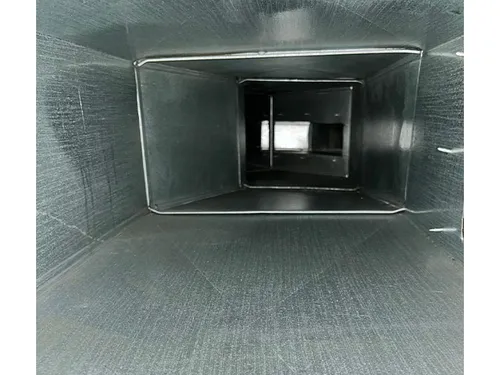
The NYC Air Duct Cleaning Company
347 5th Ave Suite 1208, New York, NY 10016
The NYC Air Duct Cleaning Company provides professional air duct cleaning and indoor air quality services in New York, NY. They specialize in removing dust, debris, mold, and allergens from residential and commercial ductwork using modern equipment and thorough inspection processes. Their services include vacuuming, sanitization, mold and mildew removal, and sealing ducts to prevent future buildup. The company serves clients in New York and surrounding areas, aiming to improve indoor air quality through comprehensive duct cleaning and maintenance.
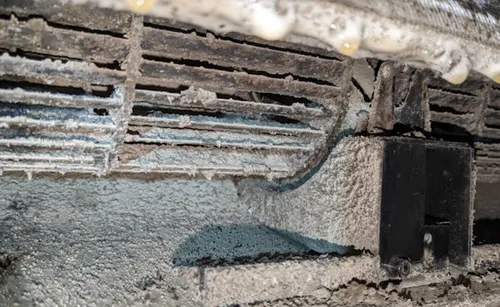
We Clean Heat Pumps – Greater Tri-State Area
257A Sumpter St, Brooklyn, NY 11233
We Clean Heat Pumps - Greater Tri-State Area specializes in professional cleaning and maintenance of mini-split heat pumps, HRV/ERV systems, and PTAC units in New York, NY. Their services focus on removing dirt, mold, and allergens to improve indoor air quality and system efficiency. The company operates with in-house technicians who provide thorough cleaning of all system components to extend equipment life and enhance performance. They serve a broad region including New England and Eastern New York, with dedicated local teams ensuring service tailored to regional climate demands.
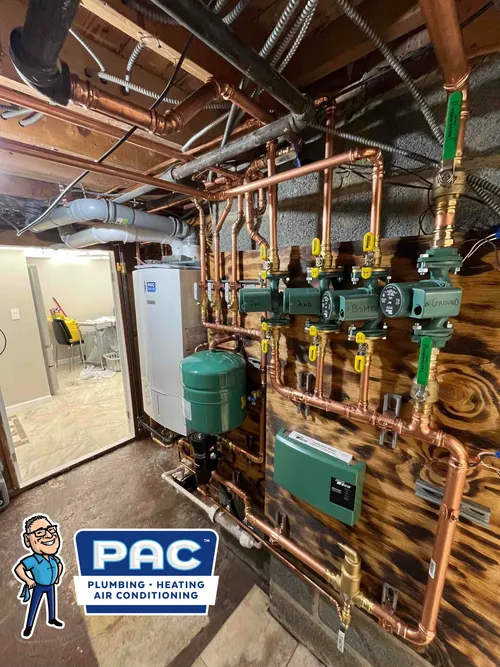
P.A.C. Plumbing, Heating, & A/C
545 Port Richmond Ave, Staten Island, NY 10302
P.A.C. Plumbing, Heating, & A/C is a full-service plumbing and HVAC company serving Newark, NJ, and surrounding areas. They provide a range of services including air conditioning and furnace repair and installation, as well as indoor air quality solutions. The company is known for offering accurate diagnoses and tailored service options to fit different budgets. Their team is experienced in handling various plumbing and HVAC issues, with a focus on long-term comfort through maintenance plans. P.A.C. Plumbing, Heating, & A/C has been recognized locally for its service quality and commitment to the community.
Understanding Sayreville's Indoor Air Challenges
Sayreville's indoor environment is influenced by both its geography and local industry. The town's proximity to industrial facilities and major transportation corridors means that outdoor pollutants can more easily find their way indoors. When combined with typical household sources of contamination, this creates a layered set of challenges for maintaining a healthy indoor atmosphere.
The primary culprits affecting indoor air in the area include:
- Mold and Moisture: New Jersey's humidity and potential for heavy rain events create ideal conditions for mold growth in basements, crawl spaces, and any area with water damage or poor ventilation.
- Radon Gas: This naturally occurring, radioactive gas is a significant concern in New Jersey. It seeps from the soil into buildings through foundation cracks and is the second leading cause of lung cancer.
- Volatile Organic Compounds (VOCs): These chemicals are emitted as gases from a wide array of products including paints, cleaning supplies, adhesives, and new furniture. Industrial proximity can add to general concerns about airborne chemical levels 1.
- Particulate Matter (PM2.5): Fine particles from outdoor sources like vehicle exhaust and industrial emissions can infiltrate homes. Once inside, they can be recirculated by HVAC systems and contribute to respiratory issues 2.
- Combustion Pollutants: Sources like gas stoves, fireplaces, unvented heaters, and even candles release carbon monoxide, nitrogen dioxide, and other irritants into the indoor air 3.
How to Test Your Indoor Air
Identifying the specific pollutants in your space is the critical first step toward cleaner air. Several methods are available, ranging from DIY kits to comprehensive professional assessments.
Professional Indoor Air Quality Inspection Hiring a certified environmental consultant or HVAC specialist is the most thorough approach. A professional can conduct a visual inspection, assess your ventilation, and use specialized equipment to take air or surface samples. These samples are then analyzed in a laboratory to provide a detailed report on pollutant types and concentrations 4. This is especially recommended if you suspect multiple issues or are experiencing health symptoms.
Targeted Pollutant Testing If you have a specific concern-such as a musty odor suggesting mold or because you're in a high-risk area for radon-you can opt for testing focused on that single contaminant. Professionals offer tests for mold spores, radon levels, VOC panels, and even legacy hazards like asbestos 5.
Continuous Monitoring and Safety Devices For ongoing awareness, homeowners can install essential safety devices like carbon monoxide detectors. Additionally, consumer-grade air quality monitors are available that track real-time levels of PM2.5, VOCs, humidity, and temperature, providing a constant snapshot of your indoor environment.
DIY Test Kits For initial screening, affordable do-it-yourself kits are sold for radon and mold. While convenient, their accuracy can be limited, and they often lack the comprehensive analysis a professional provides. A negative DIY result may not rule out a problem, and a positive result will typically require professional follow-up for confirmation and remediation planning 6.
Common Solutions and Improvements for Sayreville Homes
Once testing identifies problems, a range of solutions can be implemented to purify your indoor air. The right approach depends on the pollutant source.
Source Control The most effective strategy is to remove or reduce the source of pollution.
- For Mold: This requires fixing water leaks, improving drainage, and increasing ventilation. Professional mold remediation involves containing the affected area, removing contaminated materials, and thoroughly cleaning to prevent regrowth.
- For Radon: A radon mitigation system, which typically involves installing a vent pipe and fan to draw the gas from beneath the foundation and exhaust it outside, is the standard and highly effective solution.
- For VOCs: Choose low-VOC paints and furnishings, store chemicals properly, and increase ventilation when using strong cleaning products.
Ventilation Improvements Bringing in fresh, filtered outdoor air is crucial for diluting indoor pollutants.
- Energy Recovery Ventilators (ERVs): These systems efficiently exchange stale indoor air with fresh outdoor air while recovering energy to minimize heating and cooling costs. They are excellent for modern, tightly sealed homes in humid climates like New Jersey's.
- HVAC System Upgrades: Ensuring your heating and cooling system is properly maintained and fitted with high-efficiency air filters (like MERV 13 or higher) can capture a significant amount of particulate matter.
Air Cleaning Devices Portable air purifiers with HEPA filters are highly effective at removing airborne particles like dust, pollen, and mold spores. Units with activated carbon filters can also help adsorb certain gases and VOCs. It's important to select a purifier sized appropriately for the room in which it will be used.
Find the perfect indoor air quality service providers for your needs
Get personalized recommendations and expert advice
Investing in Your Indoor Air: What to Expect
The cost of addressing indoor air quality varies based on the size of your home, the pollutants present, and the solutions required. The following table provides a general overview of potential costs for common services in the New Jersey market 7 8 9 10 11.
| Service/Improvement | Average Cost Range (approx.) |
|---|---|
| Professional Air Quality Testing | |
| Standard whole-home test | $292 - $584 |
| Specific Pollutant Testing | |
| Mold testing | $300 - $1,000 |
| Radon testing | $150 - $800 |
| VOC testing | $200 - $300+ per sample |
| Asbestos testing | $200 - $1,000 |
| Common Improvements/Remediation | |
| Mold remediation | $1,200 - $4,000+ |
| Radon mitigation system | $700 - $1,300 |
| Asbestos removal | $1,000 - $3,000+ |
| Energy Recovery Ventilator (ERV) installation | $2,000 - $5,000+ |
For accurate pricing, it is always best to obtain detailed, on-site estimates from licensed local professionals who can assess your specific situation.
The Health and Business Impact of Clean Air
Improving your indoor atmosphere isn't just about comfort; it's a health imperative. Poor indoor air has been linked to short-term effects like headaches, fatigue, and irritation of the eyes, nose, and throat, as well as long-term risks including respiratory diseases, heart disease, and cancer 12. For businesses in Sayreville, good office air quality is also an investment in productivity, reducing absenteeism and improving cognitive function among employees 13.
Finding Local Expertise
When seeking help, look for New Jersey-licensed environmental consultants, certified mold inspectors (like those from the American Council for Accredited Certification), and HVAC contractors with specific experience in indoor air quality systems. The New Jersey Department of Environmental Protection (NJDEP) website is a valuable resource for understanding state-specific guidelines and health advisories related to air quality 14 15.
Frequently asked questions
Sources
Footnotes
-
https://firststreet.org/city/sayreville-nj/3465790_fsid/air ↩
-
https://modernpurair.com/indoor-air-quality-testing-healthy-living/ ↩
-
https://www.angi.com/articles/how-much-does-indoor-air-quality-testing-cost.htm ↩
-
https://www.airpf.com/how-much-does-a-home-indoor-air-quality-testing-cost/ ↩
-
https://www.homeadvisor.com/cost/environmental-safety/test-indoor-air-quality/ ↩
-
https://www.puroclean.com/ridgewood-nj/blog/how-much-does-mold-remediation-cost-in-nj/ ↩
-
https://www.callmattioni.com/blog/t-indoor-air-quality-systems-cost/ ↩
-
https://yaleclimateconnections.org/2025/12/improving-indoor-air-quality-might-save-your-life/ ↩
-
https://molekule.com/blogs/all/the-cost-of-bad-office-air-quality ↩
-
https://www.nj.gov/dep/airmon/pdf/nj-network-plan-2024-draft.pdf ↩