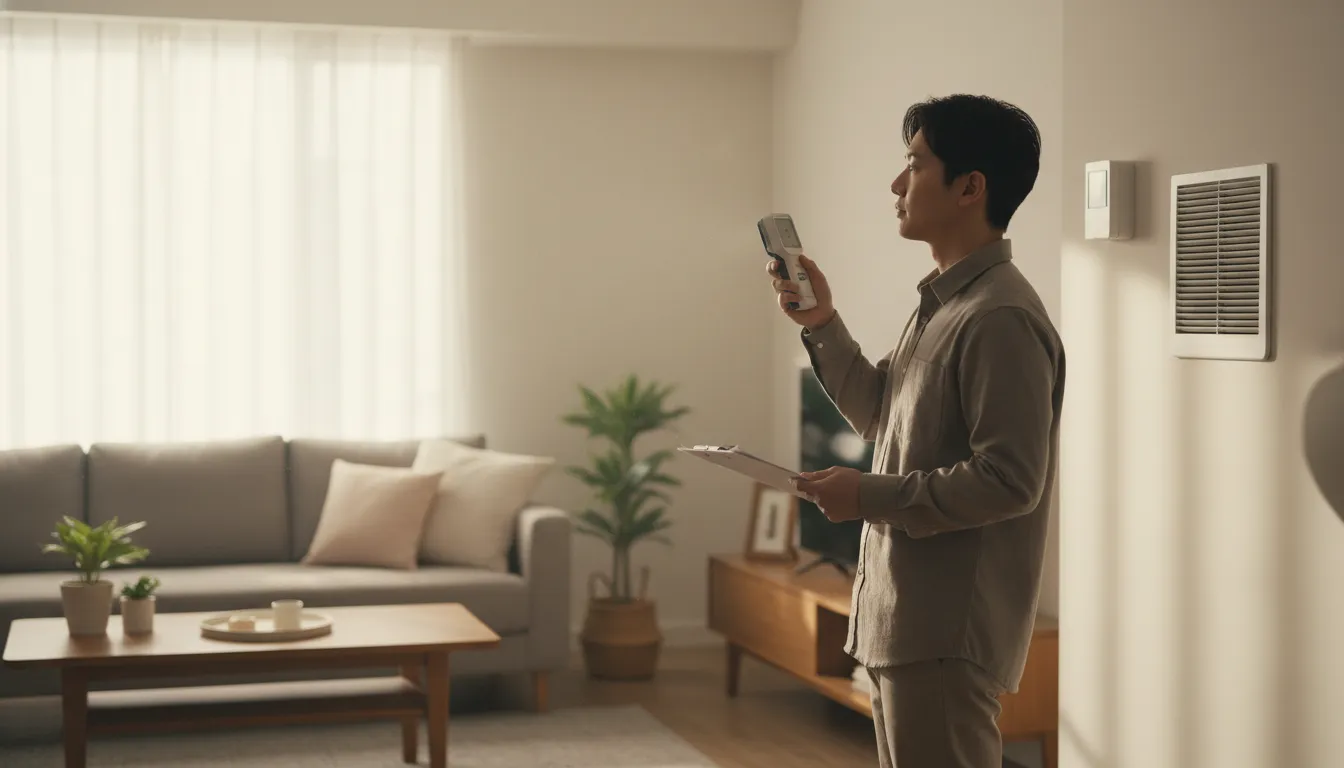
Find the Best Indoor Air Quality Service Providers for Your Business
No obligation • Fast responses • Nationwide coverage

Why you can trust HVAC Firms
HVAC Firms is a leading United States resource for evaluating HVAC service providers. Our team researches companies, checks credentials, and reviews customer feedback to present clear, unbiased information. Listings and rankings are based on merit, and companies cannot pay to change our editorial content.
Search providers near you
Top Indoor Air Quality Service Providers in Perth Amboy, New Jersey Ranked
Breathing clean, healthy air inside your home or workplace is fundamental to your well-being. Indoor Air Quality (IAQ) refers to the condition of the air within and around buildings, directly impacting the health, comfort, and productivity of occupants. In Perth Amboy, a mix of coastal climate, older building stock, and environmental factors creates unique challenges for maintaining optimal indoor air. This guide explains the common pollutants found locally, how to assess your air, and the solutions available from qualified professionals to help you create a safer, more comfortable indoor environment.
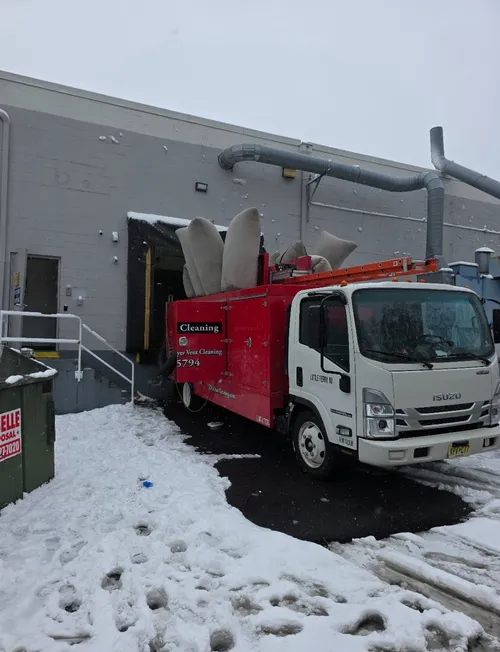
J R Air Duct Cleaning
215 Gates Rd # D, Little Ferry, NJ 07643
J R Air Duct Cleaning is a duct cleaning company serving New York, NY, and nearby North Jersey areas. Since 2011, they have provided residential and commercial air duct, dryer vent, and mini split air conditioner cleaning services. Their work includes thorough cleaning of HVAC system components such as air filters, coils, and registers to improve indoor air quality and system efficiency. They also offer dryer vent repairs and install bird guards to prevent blockages. Additionally, they provide UV light purifier installation to reduce airborne pollutants, benefiting those with allergies or asthma.
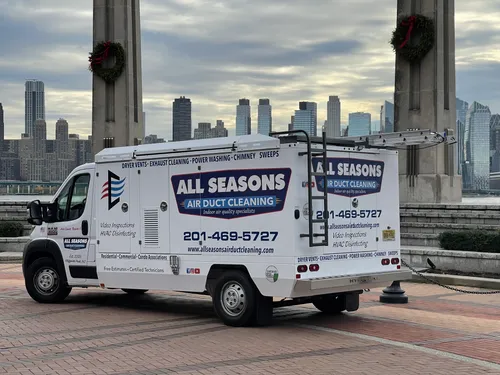
All Seasons Air Duct Cleaning
232 Fulton Terrace, Cliffside Park, NJ 07010
All Seasons Air Duct Cleaning is a NADCA certified company specializing in air duct and dryer vent cleaning. Based near New York, NY, they serve New Jersey areas including Hudson, Bergen, and Essex counties. Their services focus on improving indoor air quality, reducing fire risks, and enhancing HVAC efficiency through professional duct and vent cleaning. With over 20 years of experience, this family-owned business follows industry standards to ensure thorough and reliable service.
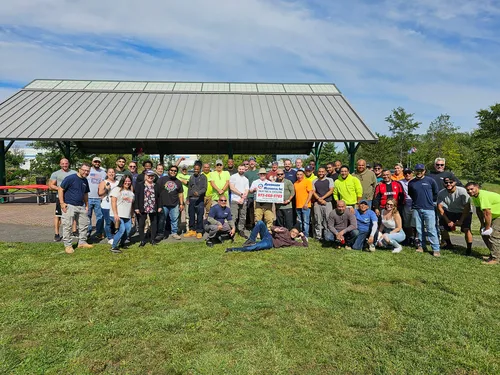
Aeromark Mechanical Inc
153 Morgan St, Jersey City, NJ 07302
Aeromark Mechanical Inc provides residential and commercial HVAC services in New York, NY, and the surrounding Northern New Jersey area. They specialize in heating and air conditioning repair, installation, and maintenance, including heat pumps, ductless HVAC systems, and indoor air quality solutions. With over 15 years of experience, Aeromark Mechanical offers seasonal maintenance plans and has expertise in installing advanced systems like VRF and high-velocity HVAC. Their certified technicians also handle smart thermostat installations and duct repair services.
VIP HVAC SERVICE CORPORATION
133 Atlanta Ave, Vauxhall, NJ 07088
VIP HVAC SERVICE CORPORATION provides indoor air quality services in New York, NY. They specialize in humidifier installation and filter replacement to improve air flow and overall air quality. The company focuses on addressing the root causes of air quality issues rather than just treating symptoms.
The NYC Air Duct Cleaning Company
347 5th Ave Suite 1208, New York, NY 10016
The NYC Air Duct Cleaning Company provides professional air duct cleaning and indoor air quality services in New York, NY. They specialize in removing dust, debris, mold, and allergens from residential and commercial ductwork using modern equipment and thorough inspection processes. Their services include vacuuming, sanitization, mold and mildew removal, and sealing ducts to prevent future buildup. The company serves clients in New York and surrounding areas, aiming to improve indoor air quality through comprehensive duct cleaning and maintenance.
Understanding Perth Amboy's Indoor Air Challenges
The air inside your Perth Amboy home or office can be more polluted than the outdoor air, even in an industrial area. A combination of environmental conditions and building-specific factors contributes to this. High humidity from the nearby Raritan Bay, seasonal temperature swings, and the prevalence of older homes with basements or crawlspaces create a perfect environment for certain contaminants to thrive. Understanding these local factors is the first step toward effective air quality management.
Common Indoor Air Pollutants in the Area
Residents and business owners in Perth Amboy should be aware of several specific airborne contaminants that are prevalent in New Jersey.
- Mold and Moisture: This is one of the most widespread issues. Persistent humidity, water intrusion from foundations, and inadequate ventilation in bathrooms, kitchens, and basements can lead to mold growth. Mold spores can trigger allergic reactions, asthma attacks, and other respiratory problems 1.
- Radon: A naturally occurring, radioactive gas that seeps from the ground, radon is a serious health hazard and a known cause of lung cancer. It is odorless and colorless, entering buildings through cracks in floors and walls, construction joints, or gaps around service pipes. Testing is the only way to know if your property has elevated levels.
- Volatile Organic Compounds (VOCs): These are gases emitted from a wide array of everyday products and materials. Common sources in homes and offices include paints, varnishes, cleaning supplies, disinfectants, air fresheners, new furniture, and building materials like adhesives and composite wood. Exposure can cause headaches, eye and throat irritation, and long-term health effects 2.
- Combustion Gases: Appliances that burn fuel, such as gas stoves, furnaces, boilers, water heaters, and fireplaces, can produce harmful byproducts like carbon monoxide (CO) and nitrogen dioxide (NO₂). These gases are particularly concerning during colder months when windows are closed and ventilation is minimal 3.
- Allergens: Biological pollutants like dust mites, pet dander, cockroach droppings, and pollen that infiltrates from outdoors are perennial triggers for allergies and asthma. Their prevalence often follows seasonal patterns 4.
- Outdoor Air Infiltration: While bringing in fresh air is crucial, outdoor pollution can also degrade indoor air. Factors like proximity to industrial facilities, traffic emissions, and even distant wildfire smoke can impact indoor spaces when outdoor air is drawn in through ventilation systems or open windows 5.
How to Assess Your Indoor Air
Before investing in solutions, it's important to understand the specific issues affecting your space. A comprehensive approach to IAQ involves identifying pollutant sources and accurately measuring their levels.
Do-It-Yourself (DIY) Monitoring and Screening
For initial awareness and ongoing tracking, several DIY options are available:
- Portable Air Quality Monitors: These consumer-grade devices can provide real-time data on key parameters like particulate matter (PM2.5), carbon dioxide (CO2), VOCs, temperature, and humidity. They are useful for spotting trends and identifying problem areas.
- Radon Test Kits: Short-term and long-term radon test kits are available at hardware stores or online. They are a critical first step for every homeowner, as radon risk varies even from house to house.
- Visual Inspection: Regularly check for signs of moisture, water damage, condensation on windows, and visible mold growth. Musty odors are also a strong indicator of a hidden problem.
Professional Air Quality Assessment
For a definitive diagnosis, especially when health symptoms are present or a major issue is suspected, a professional assessment is recommended. Certified environmental specialists use advanced tools and methodologies 6:
- Comprehensive Air Sampling: Professionals may use pumps and collection devices to capture air samples for specific pollutants like mold spores, VOCs, formaldehyde, or asbestos fibers.
- Source Investigation: Beyond air sampling, experts perform a thorough inspection to map the source of contamination, such as finding hidden mold behind walls or identifying inadequate ventilation pathways.
- Laboratory Analysis: Collected samples are sent to accredited laboratories for precise identification and quantification of contaminants, providing a report that details exactly what is in your air.
- Continuous Monitoring Plans: For commercial settings or sensitive environments, professionals can help establish protocols for ongoing monitoring to ensure air quality remains within healthy standards over time.
Government resources, such as those from the New Jersey Department of Health, provide guidelines and standards, particularly for indoor air in public workplaces 7.
Solutions and Improvement Strategies
Once pollutants are identified, a range of solutions can be implemented to clean your air. The right strategy depends on the specific contaminants and the layout of your building.
Source Control
The most effective way to improve indoor air is to eliminate or reduce the sources of pollution.
- Address Moisture: Fix leaks promptly, ensure proper drainage away from your foundation, and use exhaust fans in high-moisture areas. A professional may recommend installing a whole-home dehumidifier for chronic humidity issues, with installation costs typically ranging from $3,000 to $4,300.
- Choose Low-VOC Products: When renovating or furnishing, select paints, adhesives, and materials labeled as low-VOC or no-VOC.
- Maintain Combustion Appliances: Have gas-fired furnaces, boilers, water heaters, and fireplaces inspected and serviced annually by a qualified technician to ensure they are venting properly and not producing dangerous gases.
Ventilation Improvements
Diluting stale indoor air with fresh outdoor air is a cornerstone of good IAQ.
- Natural Ventilation: Opening windows and doors when weather and outdoor air quality permit.
- Mechanical Ventilation: For tighter, more energy-efficient homes, dedicated systems like Heat Recovery Ventilators (HRVs) or Energy Recovery Ventilators (ERVs) are highly effective. These systems continuously exchange indoor and outdoor air while recovering energy, maintaining comfort. Installation for such systems can range from $2,000 to over $5,000 depending on complexity.
Air Cleaning and Purification
Air cleaners are designed to remove pollutants from circulating air. They vary greatly in technology and effectiveness.
- Portable Room Air Purifiers: Good for treating air in a single room or specific area. Look for units with HEPA filters for particles and activated carbon for gases and odors.
- Whole-House Air Purification Systems: These are integrated directly into your home's forced-air HVAC system, cleaning the air throughout the entire house as it circulates. Installation costs for whole-house air purifiers generally fall between $500 and $2,000, depending on the system type and features 8.
Find the perfect indoor air quality service providers for your needs
Get personalized recommendations and expert advice
Specialized Remediation
For serious contamination, specialized remediation is necessary.
- Mold Remediation: Professional mold removal involves containment, removal of contaminated materials, deep cleaning, and addressing the moisture source. Costs vary dramatically with the extent of the problem; while an average remediation may cost around $2,500, severe, widespread infestations can reach tens of thousands of dollars.
- Radon Mitigation: If testing confirms high radon levels, a mitigation system must be installed. This typically involves PVC piping and a fan to vent radon gas from beneath the foundation to the outside, preventing its entry into living spaces. Costs are usually quoted after testing confirms a need.
Investing in Health: Understanding Costs
Improving your indoor environment is an investment in health and property value. Costs in Perth Amboy vary based on the service 9 10:
- IAQ Testing/Inspection: A basic professional air quality evaluation starts around $400-$650. A more comprehensive test for multiple specific pollutants (e.g., mold, VOCs) typically ranges from $700 to $950. A dedicated residential mold inspection can cost $700 to $1,200 or more.
- Improvement Measures: As noted, whole-house air purifier installation ranges from $500-$2,000, ventilation system installation (e.g., ERV) from $2,000-$5,000+, and whole-home dehumidifiers from $3,000-$4,300. Mold remediation averages around $2,500 for a mid-range problem but can be significantly higher 11 12 13.
Maintaining Healthy Air Long-Term
Good indoor air quality is not a one-time fix but an ongoing commitment. Regular maintenance of your HVAC system, including changing filters as recommended (often every 1-3 months), is essential. Continue to monitor humidity levels, be vigilant for moisture issues, and consider periodic re-testing for pollutants like radon, especially after any major renovations or changes to your home's foundation.
Frequently asked questions
Sources
Footnotes
-
Indoor Air Quality - Biological Pollution - Arch Inspections LLC - https://archinspections.com/nj-home-inspection-helpful-home-owner-information/nj-home-indoor-air-quality-biological-pollution/ ↩
-
An Office Building Occupant's Guide to Indoor Air Quality | US EPA - https://www.epa.gov/indoor-air-quality-iaq/office-building-occupants-guide-indoor-air-quality ↩
-
airquality - https://www.hcdnnj.org/airquality ↩
-
Common Indoor Air Contaminants in New Jersey Homes and ... - https://www.getmapleair.com/blog-post/common-indoor-air-contaminants-in-new-jersey-homes ↩
-
Perth Amboy, NJ Poor Air Quality Map and Forecast | First Street - https://firststreet.org/city/perth-amboy-nj/3458200_fsid/air ↩
-
Residential Indoor Air Quality Testing & Mold Sampling, Inspection, ... - https://esmcorp.com/residential-indoor-air-quality/ ↩
-
Workplace Health and Safety | New Jersey Indoor Air Quality ... - https://www.nj.gov/health/workplacehealthandsafety/peosh/peosh-health-standards/iaq.shtml ↩
-
Air Purifiers Installation and Repair Services in New Jersey - https://greenworksllc.com/services/air-purifiers/ ↩
-
How Much Does An Indoor Air Quality Test Cost? - https://www.cleanairsciences.com/indoor-air-quality-cost/ ↩
-
Wichita Air Quality Solutions by Midwest Mechanical in 2025 - https://www.coolwichita.com/indoor-air-quality ↩
-
Indoor Air Quality Service Perth Amboy (866) 661-0734 NJ ... - https://indoor-air-quality-service-perth-amboy-nj.patriotair.net/ ↩
-
How Much Do Indoor Air Quality Systems Cost? - https://www.callmattioni.com/blog/t-indoor-air-quality-systems-cost/ ↩
-
How Much Does Mold Remediation Cost in NJ? - PuroClean - https://www.puroclean.com/ridgewood-nj/blog/how-much-does-mold-remediation-cost-in-nj/ ↩