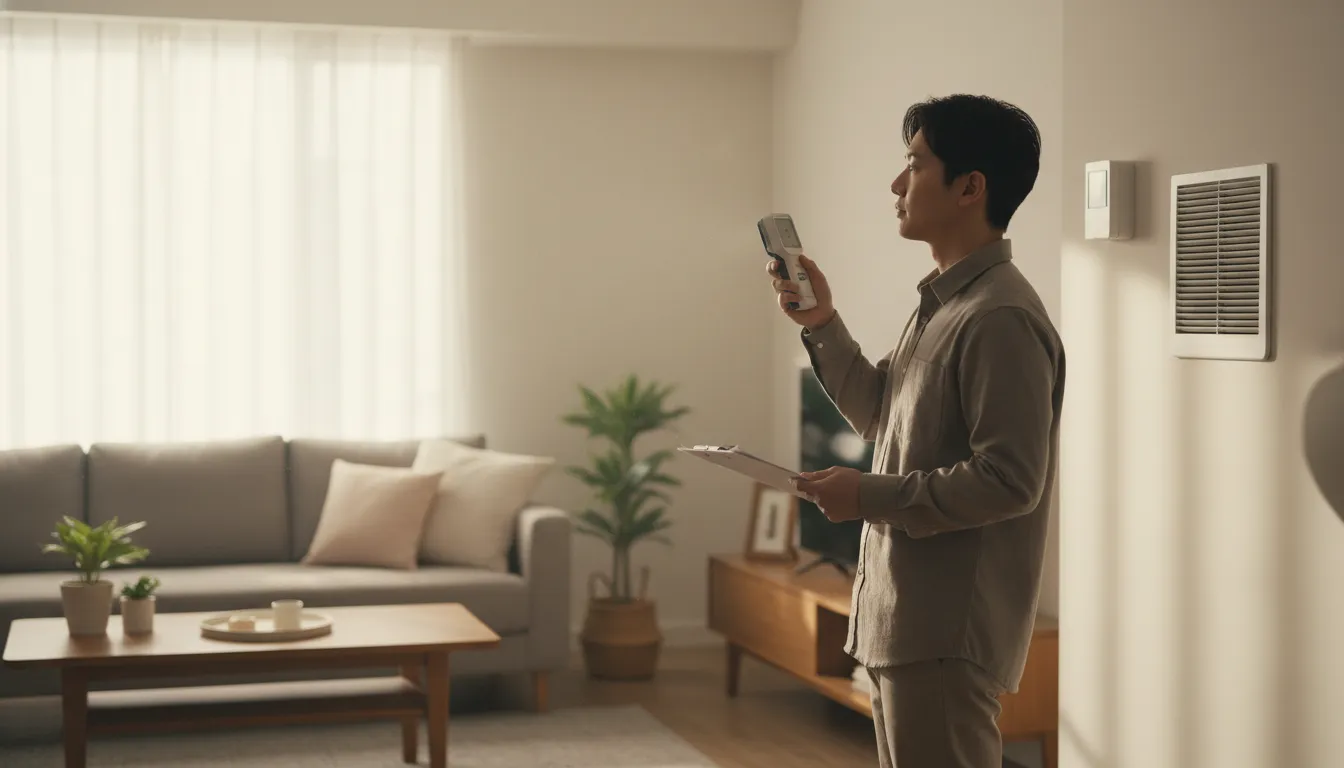
Find the Best Indoor Air Quality Service Providers for Your Business
No obligation • Fast responses • Nationwide coverage

Why you can trust HVAC Firms
HVAC Firms is a leading United States resource for evaluating HVAC service providers. Our team researches companies, checks credentials, and reviews customer feedback to present clear, unbiased information. Listings and rankings are based on merit, and companies cannot pay to change our editorial content.
Search providers near you
Top Indoor Air Quality Service Providers in North Bergen, New Jersey Ranked
Maintaining healthy indoor air is a critical aspect of home and workplace comfort and safety. In North Bergen, a mix of coastal humidity, older building stock, and external pollutants creates specific challenges for air quality. This guide explains the common indoor air contaminants in our area, the methods for testing and improving your environment, and how to connect with local experts who can help diagnose and solve air quality issues.
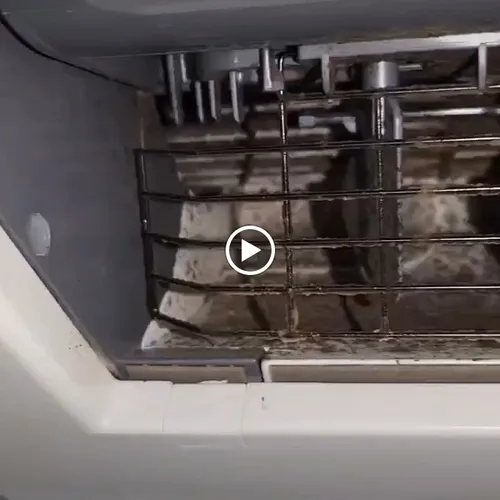
Cool Clean Services
97 Gilmore Blvd, Floral Park, NY 11001
Cool Clean Services is a veteran-owned company based in New York, NY, specializing in ductless mini split cleaning and indoor air quality services. They focus on thorough cleaning and maintenance of ductless mini-split systems for both residential and commercial properties, using EPA-certified products and custom tools designed for this specific work. Their services help remove dust, allergens, odors, and mold to improve air quality and system efficiency. In addition to mini split cleaning, they offer dryer vent cleaning, air duct cleaning, and sanitizing services to support overall indoor air quality. Cool Clean Services is licensed, insured, and BBB A+ rated, serving the New York area with flexible scheduling options.
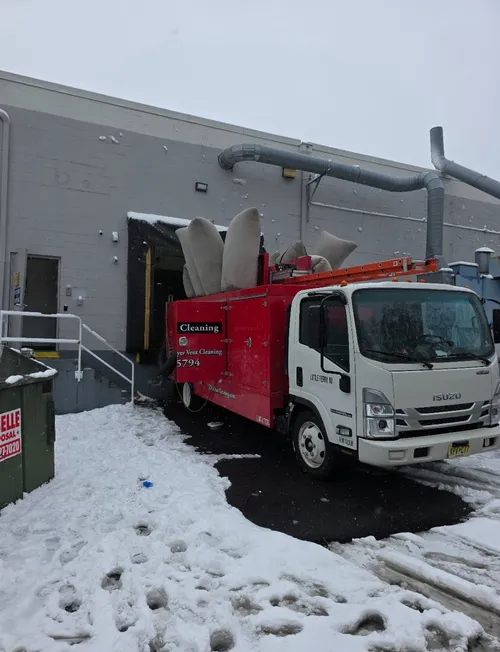
J R Air Duct Cleaning
215 Gates Rd # D, Little Ferry, NJ 07643
J R Air Duct Cleaning is a duct cleaning company serving New York, NY, and nearby North Jersey areas. Since 2011, they have provided residential and commercial air duct, dryer vent, and mini split air conditioner cleaning services. Their work includes thorough cleaning of HVAC system components such as air filters, coils, and registers to improve indoor air quality and system efficiency. They also offer dryer vent repairs and install bird guards to prevent blockages. Additionally, they provide UV light purifier installation to reduce airborne pollutants, benefiting those with allergies or asthma.
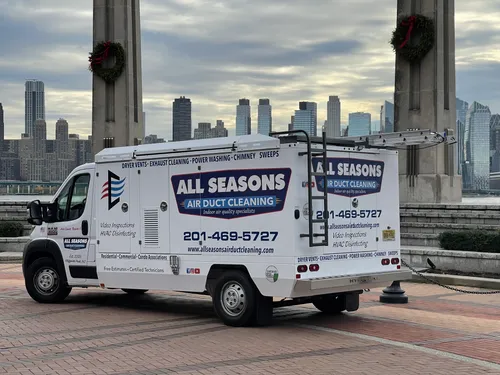
All Seasons Air Duct Cleaning
232 Fulton Terrace, Cliffside Park, NJ 07010
All Seasons Air Duct Cleaning is a NADCA certified company specializing in air duct and dryer vent cleaning. Based near New York, NY, they serve New Jersey areas including Hudson, Bergen, and Essex counties. Their services focus on improving indoor air quality, reducing fire risks, and enhancing HVAC efficiency through professional duct and vent cleaning. With over 20 years of experience, this family-owned business follows industry standards to ensure thorough and reliable service.
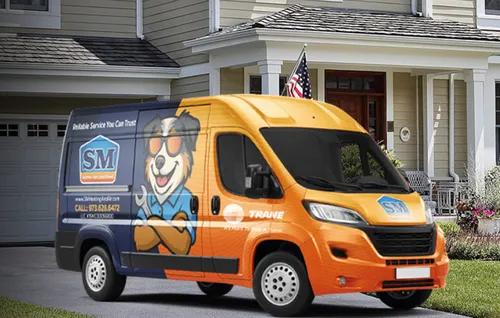
SM Heating and Air Conditioning Inc.
94 Wanaque Ave #1, Pompton Lakes, NJ 07442
SM Heating and Air Conditioning Inc. offers heating and air conditioning services in New York, NY, and the surrounding New Jersey areas including Pequannock and Morris County. The company provides a range of HVAC services such as air conditioner and furnace repair, installation, maintenance, and indoor air quality solutions. With over 25 years of experience, they handle everything from preventive maintenance to full system replacements and offer same-day service to address urgent needs promptly.
Aeromark Mechanical Inc
153 Morgan St, Jersey City, NJ 07302
Aeromark Mechanical Inc provides residential and commercial HVAC services in New York, NY, and the surrounding Northern New Jersey area. They specialize in heating and air conditioning repair, installation, and maintenance, including heat pumps, ductless HVAC systems, and indoor air quality solutions. With over 15 years of experience, Aeromark Mechanical offers seasonal maintenance plans and has expertise in installing advanced systems like VRF and high-velocity HVAC. Their certified technicians also handle smart thermostat installations and duct repair services.
Understanding North Bergen's Indoor Air Challenges
The air inside your North Bergen home or office can be affected by a complex blend of local factors. The region's climate, with its high humidity and frequent rain, combines with the prevalence of older homes and proximity to urban pollution sources to create a unique profile of indoor air quality (IAQ) concerns 1. Being aware of these common pollutants is the first step toward creating a healthier indoor environment.
Moisture and Mold Growth
Persistent humidity and dampness in basements or crawlspaces provide an ideal breeding ground for mold and mildew. This is a widespread issue in older New Jersey homes and can trigger allergies, asthma attacks, and other respiratory problems. Addressing the source of moisture-whether from leaks, poor drainage, or inadequate ventilation-is crucial for long-term mold control.
Chemical Off-Gassing (VOCs)
Volatile Organic Compounds are gases emitted from a wide array of everyday products. In North Bergen homes, common sources include new furniture, paints, varnishes, cleaning supplies, and materials used in renovations 2. These chemicals can cause short-term effects like headaches and eye irritation, and some may pose longer-term health risks.
Combustion Byproducts
Homes using natural gas for heating, hot water, or cooking must be mindful of combustion gases. Malfunctioning or poorly vented furnaces, boilers, stoves, and fireplaces can produce dangerous levels of carbon monoxide (CO) and nitrogen dioxide (NO₂) 3. This risk is often heightened during winter when windows are sealed tight.
Radon Gas Infiltration
Radon is a colorless, odorless radioactive gas that seeps from the ground into buildings through cracks in foundations and slabs. While the highest radon levels in New Jersey are often found in northwestern counties, testing is recommended for all homes in the state due to the potential health risk.
Particulate Matter from Outdoors
Fine particulate matter (PM2.5) from sources like local traffic, construction, and even distant wildfire smoke can easily infiltrate indoor spaces 4. These tiny particles can penetrate deep into the lungs and affect cardiovascular and respiratory health.
Legacy Hazards: Asbestos and Lead
Many older buildings in the area may contain asbestos in insulation, floor tiles, or pipe wrap, and lead in old paint. These materials are generally safe if intact and undisturbed, but they become significant air quality hazards during renovations, repairs, or as materials deteriorate over time5 6.
How to Test Your Indoor Air
Identifying the specific pollutants in your space is essential for implementing an effective solution. You have two primary avenues for assessment: professional testing and do-it-yourself monitoring.
Professional IAQ Inspection and Testing
Hiring a certified professional is the most comprehensive way to assess your indoor environment. These experts conduct on-site evaluations, which may include:
- Visual Inspection: Checking for moisture issues, mold growth, and ventilation problems.
- Air and Surface Sampling: Collecting samples of air, dust, or visible mold to be analyzed in an accredited laboratory.
- Real-Time Monitoring: Using advanced equipment to measure levels of specific gases, particles, humidity, and temperature.
A professional assessment can provide a detailed report identifying specific mold species, concentrations of VOCs, levels of radon, and other contaminants7 8. This data forms a solid foundation for any remediation plan. The cost for a standard professional home assessment in North Bergen typically ranges from $300 to $500, with more complex commercial testing or specific add-ons (like asbestos sampling) costing more 9 10.
DIY Air Quality Monitoring
For ongoing awareness or initial screening, homeowners can use various consumer-grade devices:
- Smart Air Quality Monitors: These devices track multiple parameters in real-time, such as PM2.5, VOCs, CO₂, humidity, and temperature, sending data to your smartphone.
- Single-Use Test Kits: Available for specific concerns like radon, mold, or lead dust. These kits are mailed to a lab for analysis.
While DIY options are more affordable and offer immediate feedback, they may not be as accurate or comprehensive as a professional evaluation 11. They are excellent tools for tracking trends and identifying potential problems that warrant a deeper investigation.
Find the perfect indoor air quality service providers for your needs
Get personalized recommendations and expert advice
Solutions for Cleaner Indoor Air
Improving your home's air involves a three-pronged strategy: controlling sources, diluting pollutants with fresh air, and cleaning the air that remains.
1. Source Control
The most effective way to improve IAQ is to prevent pollutants from entering the air in the first place.
- Manage Moisture: Fix leaks promptly, use dehumidifiers in damp areas like basements, and ensure proper grading and drainage around your home's foundation.
- Choose Low-VOC Products: Opt for paints, adhesives, and furnishings labeled as low-VOC or no-VOC.
- Maintain Combustion Appliances: Have gas furnaces, water heaters, and stoves inspected annually by a qualified technician to ensure they are venting properly.
- Seal Radon Entry Points: If testing reveals elevated radon levels, a mitigation system that vents the gas from beneath your home is the standard solution.
2. Enhance Ventilation
Diluting stale, polluted indoor air with fresh outdoor air is vital.
- Natural Ventilation: Regularly open windows and doors when weather permits.
- Mechanical Ventilation: For tighter, modern homes, systems like Heat Recovery Ventilators (HRVs) or Energy Recovery Ventilators (ERVs) are highly effective. These systems bring in fresh air while recovering energy from the exhausted air, maintaining comfort and efficiency. Installation costs for these whole-home systems typically range from $2,000 to $5,000+.
3. Air Cleaning and Filtration
When source control and ventilation aren't enough, air cleaners can capture remaining pollutants.
- Upgrade HVAC Filters: Use a high-efficiency particulate air (HEPA) filter or a high-MERV-rated filter in your forced-air system to capture fine particles.
- Use Portable Air Purifiers: Choose units with HEPA filters for particles and activated carbon filters for gases and odors. Place them in frequently used rooms like bedrooms and living areas.
- Consider Whole-House Air Purifiers: These are installed directly into your HVAC ductwork, cleaning the air throughout your entire home as it circulates. These systems generally cost between $1,400 and $1,500 or more to install12.
For severe issues like widespread mold contamination, asbestos abatement, or radon mitigation, it is essential to hire licensed remediation professionals who follow strict safety protocols.
Maintaining Healthy Air in Commercial Spaces
Businesses and public buildings in North Bergen must also prioritize indoor environmental quality for employee health and productivity. The New Jersey Department of Health provides standards and resources for indoor air in public workplaces13 14. Common commercial solutions include dedicated outdoor air systems (DOAS), advanced filtration for larger HVAC systems, and regular IAQ audits.
Frequently asked questions
Sources
Footnotes
-
HUDSON COUNTY 2022 North Bergen Township - NJ.gov - https://www.nj.gov/health/hcpnj/documents/county-reports/HCPNJ_fullreports/HUDSON_NORTH%20BERGEN%20TWP.pdf ↩
-
airquality - https://www.hcdnnj.org/airquality ↩
-
New Jersey Indoor Air Quality Testing Services - https://paulsakson.com/indoor-air-quality-testing/ ↩
-
Common Pollutants in Indoor Environments - https://tsi.com/occupational-health-safety/learn/common-pollutants-in-indoor-environments ↩
-
Common Indoor Air Contaminants in New Jersey Homes and ... - https://www.getmapleair.com/blog-post/common-indoor-air-contaminants-in-new-jersey-homes ↩
-
Indoor Air Quality Issues for Rocky Mountain West Tribes - https://stacks.cdc.gov/view/cdc/225980/cdc_225980_DS1.pdf ↩
-
Bergen County NJ Mold, Radon, Lead, Indoor Air Quality Testing - https://www.ieds.co/air-quality-testing-bergen-nj ↩
-
Indoor Air Quality Investigations - ABS Environmental Group - https://www.absenvironmentalgroupllc.com/indoor-air-quality-investigations ↩
-
How Much Does a Home Indoor Air Quality Test Cost? Key ... - https://skycleanair.com/how-much-does-a-home-indoor-air-quality-test-cost/ ↩
-
How Much Does Indoor Air Quality Testing Cost? [2026 Data] - https://www.angi.com/articles/how-much-does-indoor-air-quality-testing-cost.htm ↩
-
Google's Shopping Data - https://blog.google/products/shopping/shopping-graph-explained/ ↩
-
How Much Do Indoor Air Quality Systems Cost? - https://www.callmattioni.com/blog/t-indoor-air-quality-systems-cost/ ↩
-
Workplace Health and Safety | New Jersey Indoor Air Quality ... - https://www.nj.gov/health/workplacehealthandsafety/peosh/peosh-health-standards/iaq.shtml ↩
-
Department of Health | Workplace Health and Safety - NJ.gov - https://www.nj.gov/health/workplacehealthandsafety ↩