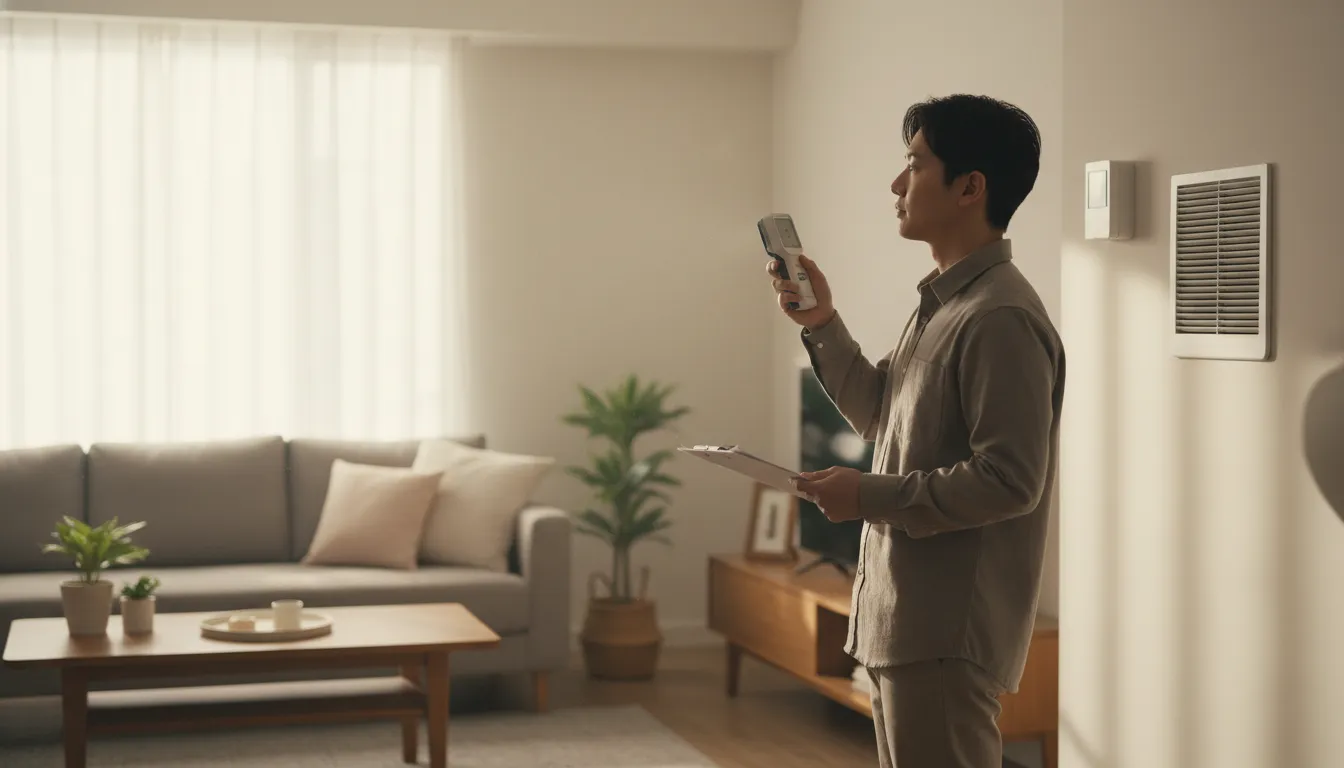
Find the Best Indoor Air Quality Service Providers for Your Business
No obligation • Fast responses • Nationwide coverage

Why you can trust HVAC Firms
HVAC Firms is a leading United States resource for evaluating HVAC service providers. Our team researches companies, checks credentials, and reviews customer feedback to present clear, unbiased information. Listings and rankings are based on merit, and companies cannot pay to change our editorial content.
Search providers near you
Top Indoor Air Quality Service Providers in Middletown, New Jersey Ranked
The air you breathe inside your Middletown home or office has a direct impact on your health, comfort, and productivity. Indoor air quality (IAQ) refers to the condition of the air within and around buildings, particularly as it relates to the health and well-being of occupants. In a coastal community like ours, local climate and building factors create unique challenges. This guide is designed to help you understand common local IAQ concerns, from testing options to improvement strategies, so you can make informed decisions to create a healthier indoor environment for your family or employees.
Aeromark Mechanical Inc
153 Morgan St, Jersey City, NJ 07302
Aeromark Mechanical Inc provides residential and commercial HVAC services in New York, NY, and the surrounding Northern New Jersey area. They specialize in heating and air conditioning repair, installation, and maintenance, including heat pumps, ductless HVAC systems, and indoor air quality solutions. With over 15 years of experience, Aeromark Mechanical offers seasonal maintenance plans and has expertise in installing advanced systems like VRF and high-velocity HVAC. Their certified technicians also handle smart thermostat installations and duct repair services.
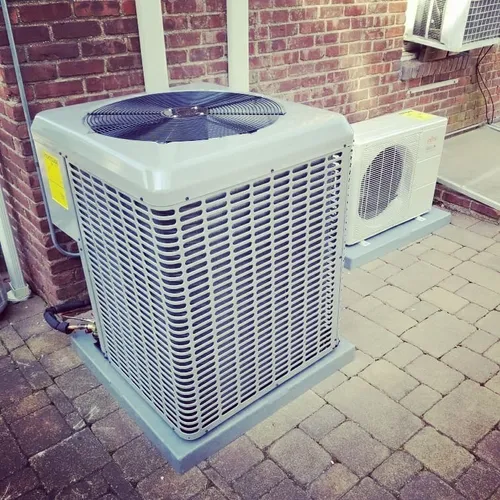
VIP HVAC SERVICE CORPORATION
133 Atlanta Ave, Vauxhall, NJ 07088
VIP HVAC SERVICE CORPORATION provides indoor air quality services in New York, NY. They specialize in humidifier installation and filter replacement to improve air flow and overall air quality. The company focuses on addressing the root causes of air quality issues rather than just treating symptoms.
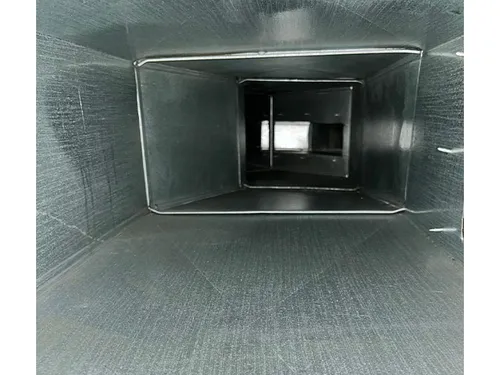
The NYC Air Duct Cleaning Company
347 5th Ave Suite 1208, New York, NY 10016
The NYC Air Duct Cleaning Company provides professional air duct cleaning and indoor air quality services in New York, NY. They specialize in removing dust, debris, mold, and allergens from residential and commercial ductwork using modern equipment and thorough inspection processes. Their services include vacuuming, sanitization, mold and mildew removal, and sealing ducts to prevent future buildup. The company serves clients in New York and surrounding areas, aiming to improve indoor air quality through comprehensive duct cleaning and maintenance.
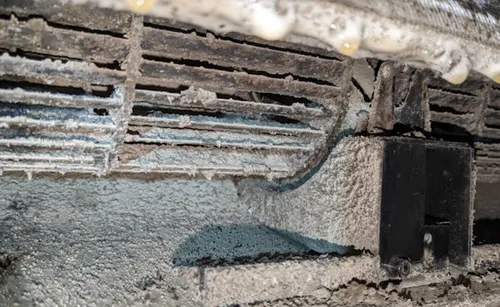
We Clean Heat Pumps – Greater Tri-State Area
257A Sumpter St, Brooklyn, NY 11233
We Clean Heat Pumps - Greater Tri-State Area specializes in professional cleaning and maintenance of mini-split heat pumps, HRV/ERV systems, and PTAC units in New York, NY. Their services focus on removing dirt, mold, and allergens to improve indoor air quality and system efficiency. The company operates with in-house technicians who provide thorough cleaning of all system components to extend equipment life and enhance performance. They serve a broad region including New England and Eastern New York, with dedicated local teams ensuring service tailored to regional climate demands.
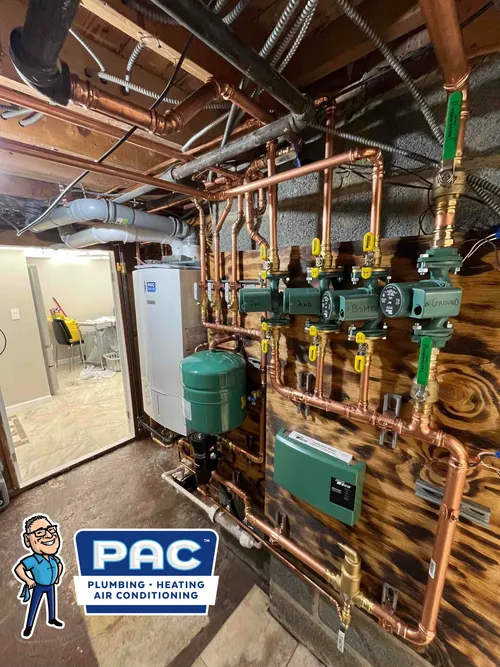
P.A.C. Plumbing, Heating, & A/C
545 Port Richmond Ave, Staten Island, NY 10302
P.A.C. Plumbing, Heating, & A/C is a full-service plumbing and HVAC company serving Newark, NJ, and surrounding areas. They provide a range of services including air conditioning and furnace repair and installation, as well as indoor air quality solutions. The company is known for offering accurate diagnoses and tailored service options to fit different budgets. Their team is experienced in handling various plumbing and HVAC issues, with a focus on long-term comfort through maintenance plans. P.A.C. Plumbing, Heating, & A/C has been recognized locally for its service quality and commitment to the community.
Understanding Middletown's Indoor Air Quality Challenges
Homes and offices in Middletown face specific IAQ challenges shaped by New Jersey's coastal humidity, local geology, and the age of many buildings in the area. Recognizing these common contaminants is the first step toward addressing them.
Mold and Moisture
New Jersey's humidity, especially during the warmer months, combined with weather patterns that bring moisture inland from the Atlantic, makes mold a widespread concern. It's commonly found in basements, bathrooms, attics, and crawlspaces where ventilation is poor. Chronic moisture from leaks, condensation, or flooding can lead to persistent mold growth, which is associated with allergies, asthma exacerbations, and other respiratory issues.
Radon Gas
This colorless, odorless radioactive gas occurs naturally from the breakdown of uranium in soil and rock. It can seep into buildings through cracks in foundations, sump pits, and gaps around pipes. New Jersey has areas with elevated radon potential, and testing is considered important for all buildings, regardless of age or construction type.
Volatile Organic Compounds (VOCs)
These gases are emitted from a vast array of everyday products and materials inside our homes and offices. Sources include paints, varnishes, cleaning supplies, disinfectants, air fresheners, new furniture, carpets, and composite wood products. In areas with frequent remodeling or new construction, VOC buildup can be a significant concern, potentially causing headaches, eye and throat irritation, and long-term health effects.
Combustion Pollutants
Appliances that burn fuel-such as gas stoves, furnaces, water heaters, and fireplaces-can produce harmful gases like carbon monoxide (CO) and nitrogen dioxide (NO₂) if they are not properly vented or maintained. This risk increases during winter when homes are sealed tight against the cold, trapping these gases inside.
Particulates and Outdoor Pollutants
Fine particles (PM2.5 and PM10) can originate from outdoor sources like vehicle exhaust, industrial emissions, and, increasingly, smoke from regional wildfires 1. These particles can infiltrate indoor spaces through ventilation systems, open windows, and doors. Pesticides and other chemicals can also be tracked inside on shoes or carried by the wind, settling into household dust.
How to Test Your Indoor Air
Identifying the specific pollutants in your space is crucial for effective action. You have options ranging from do-it-yourself kits to comprehensive professional assessments.
DIY Testing Kits: These are available for specific contaminants like mold, radon, and VOCs. They are an affordable starting point, typically costing between $15 and $150 2. However, they require careful adherence to sampling instructions and often involve sending collected samples to a laboratory for analysis, which can take time.
Professional IAQ Inspection: For a more definitive and comprehensive assessment, certified indoor air quality inspectors or environmental consultants offer professional services. They conduct a thorough visual inspection of the property, use calibrated equipment to take air and surface samples, and provide a detailed report with lab analysis and recommended next steps. This approach is more reliable for diagnosing complex or hidden issues.
Continuous Air Quality Monitors: Modern technology allows for real-time monitoring. Multi-function monitors (costing approximately $200 to $400 for a quality home unit) can track levels of CO₂, particulate matter (PM2.5/PM10), temperature, and humidity continuously 3. This provides ongoing awareness and can help you correlate air quality changes with specific activities, like cooking or cleaning.
Find the perfect indoor air quality service providers for your needs
Get personalized recommendations and expert advice
Strategies and Solutions for Cleaner Air
Once you understand your air quality profile, you can implement targeted solutions. Costs vary widely based on the severity of the issue and the scope of the remedy chosen 4.
Source Control: The First and Best Defense
Often the most effective and least expensive method is to eliminate or reduce the source of the pollution.
- Fix moisture problems promptly by repairing leaks, improving drainage, and using dehumidifiers in damp areas like basements.
- Use kitchen and bathroom exhaust fans that vent to the outdoors to remove moisture and cooking pollutants.
- Choose low-VOC or VOC-free paints, adhesives, and cleaning products.
- Ensure fuel-burning appliances are professionally installed, vented correctly, and receive annual maintenance.
- Place doormats at all entrances and adopt a "no shoes indoors" policy to reduce tracked-in contaminants.
Air Cleaning and Purification
Air purifiers can remove particles and gases that source control can't eliminate.
- Portable Air Purifiers: These are effective for single rooms. Look for units with HEPA filters for particles and activated carbon filters for gases and odors.
- Whole-House Air Purifiers: These systems are integrated directly into your home's central HVAC ductwork. Options include high-efficiency media filters, electronic air cleaners, and whole-house plasma air purifiers, which treat all the air circulating through your home continuously 5.
Ventilation Improvements
Bringing fresh outdoor air in is essential for diluting indoor pollutants.
- Energy Recovery Ventilators (ERVs) and Heat Recovery Ventilators (HRVs): These systems efficiently exchange stale indoor air with fresh outdoor air while recovering energy (heat or coolness) from the exhausted air. Installing an ERV can be a significant upgrade, with costs typically ranging from $2,000 to $5,000 or more, depending on the home's size and system complexity 6.
Specific Remediation Services
For confirmed, serious issues, professional remediation is necessary.
- Mold Remediation: This involves containing the affected area, removing contaminated materials, and thoroughly cleaning surfaces. For an average-sized home with a significant mold problem, remediation can cost around $5,000 or more 7.
- Radon Mitigation: The most common system is a sub-slab depressurization system, which uses a vent pipe and fan to draw radon gas from beneath the foundation and exhaust it safely above the roofline. Professional radon mitigation in our area typically costs between $700 and $1,200 following confirmation testing 8.
The Role of Your HVAC System
Your heating and cooling system is the lungs of your home. Proper HVAC maintenance is a primary recommendation for maintaining good IAQ 9.
- Regular Filter Changes: Use high-quality pleated filters and change them every 1-3 months.
- Professional Maintenance: Annual inspections by a qualified technician ensure the system is clean, operating efficiently, and not contributing to contamination through dirty ducts or components.
- Duct Cleaning: Consider professional duct cleaning if there is visible mold growth, vermin infestation, or excessive dust and debris being released from the supply vents.
For business owners and public employers in New Jersey, additional guidance on maintaining healthy indoor environments can be found through the NJ.gov Workplace Health and Safety resources, which outline standards and best practices 10.
Frequently asked questions
Sources
Footnotes
-
airquality - https://www.hcdnnj.org/airquality ↩
-
How Much Does Professional Home Indoor Air Quality Testing Cost? - https://www.airpf.com/how-much-does-a-home-indoor-air-quality-testing-cost/ ↩
-
Google's Shopping Data - https://blog.google/products/shopping/shopping-graph-explained/ ↩
-
How Much Does Indoor Air Quality Testing Cost? [2026 Data] - https://www.angi.com/articles/how-much-does-indoor-air-quality-testing-cost.htm ↩
-
indoor air quality services - Horizon - https://www.horizonservices.com/indoor-air-quality/ ↩
-
How Much Do Indoor Air Quality Systems Cost? - https://www.callmattioni.com/blog/t-indoor-air-quality-systems-cost/ ↩
-
About Mold Solutions by Cowleys Mold Remediation of Toms River, Woodbridge, Edison, NJ - https://www.moldcentralnj.com/about-us.html ↩
-
Top 5 Environmental Issues to Watch Out for in New Jersey Home Inspections - https://www.jadlawfirm.com/blog/top-5-environmental-issues-to-watch-out-for-in-new-jersey-home-inspections/ ↩
-
Common Indoor Air Contaminants in New Jersey Homes and ... - https://www.getmapleair.com/blog-post/common-indoor-air-contaminants-in-new-jersey-homes ↩
-
Workplace Health and Safety | New Jersey Indoor Air Quality ... - https://www.nj.gov/health/workplacehealthandsafety/peosh/peosh-health-standards/iaq.shtml ↩