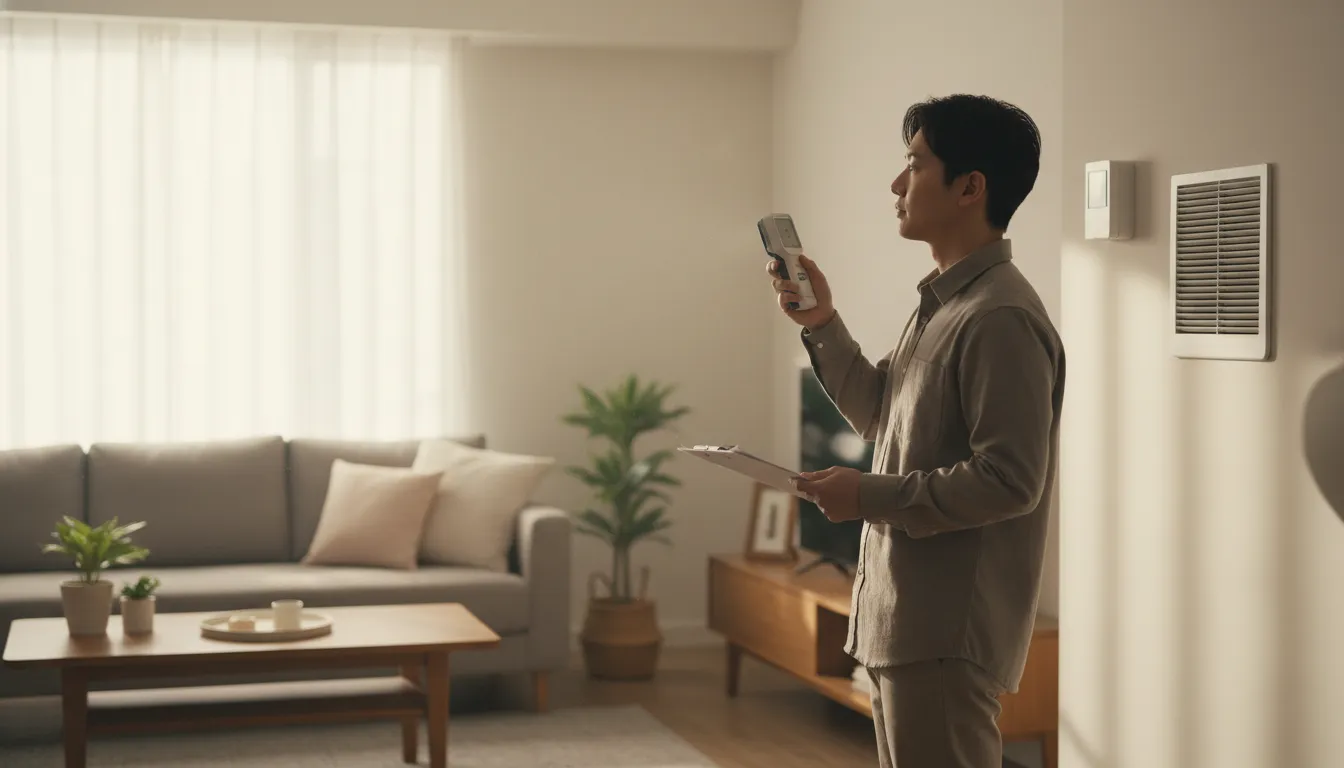
Find the Best Indoor Air Quality Service Providers for Your Business
No obligation • Fast responses • Nationwide coverage

Why you can trust HVAC Firms
HVAC Firms is a leading United States resource for evaluating HVAC service providers. Our team researches companies, checks credentials, and reviews customer feedback to present clear, unbiased information. Listings and rankings are based on merit, and companies cannot pay to change our editorial content.
Search providers near you
Top Indoor Air Quality Service Providers in Edison, New Jersey Ranked
The air you breathe inside your home or office has a direct impact on your health, comfort, and productivity. In Edison, New Jersey, maintaining good indoor air quality (IAQ) is a critical consideration due to the region's humid climate, mix of building ages, and specific environmental factors. This guide explains the common indoor air pollutants in the area, the methods for testing and monitoring your air, and the solutions available to create a cleaner, healthier indoor environment. You can use this information to understand your needs and connect with qualified local professionals for assessment and improvement services.
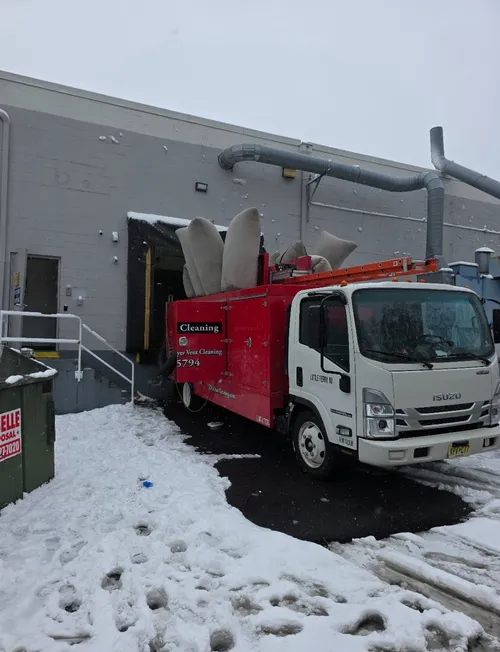
J R Air Duct Cleaning
215 Gates Rd # D, Little Ferry, NJ 07643
J R Air Duct Cleaning is a duct cleaning company serving New York, NY, and nearby North Jersey areas. Since 2011, they have provided residential and commercial air duct, dryer vent, and mini split air conditioner cleaning services. Their work includes thorough cleaning of HVAC system components such as air filters, coils, and registers to improve indoor air quality and system efficiency. They also offer dryer vent repairs and install bird guards to prevent blockages. Additionally, they provide UV light purifier installation to reduce airborne pollutants, benefiting those with allergies or asthma.
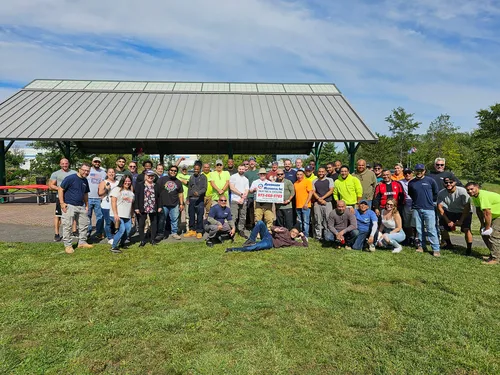
Aeromark Mechanical Inc
153 Morgan St, Jersey City, NJ 07302
Aeromark Mechanical Inc provides residential and commercial HVAC services in New York, NY, and the surrounding Northern New Jersey area. They specialize in heating and air conditioning repair, installation, and maintenance, including heat pumps, ductless HVAC systems, and indoor air quality solutions. With over 15 years of experience, Aeromark Mechanical offers seasonal maintenance plans and has expertise in installing advanced systems like VRF and high-velocity HVAC. Their certified technicians also handle smart thermostat installations and duct repair services.
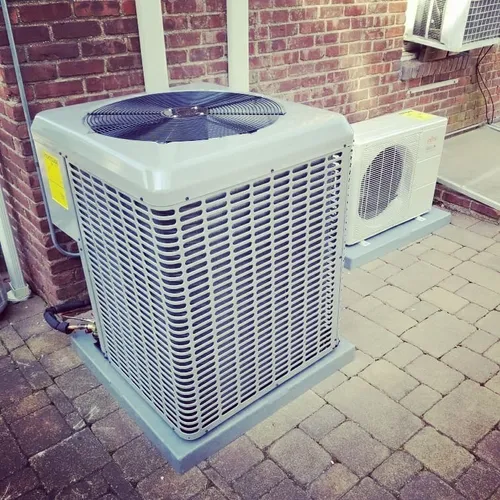
VIP HVAC SERVICE CORPORATION
133 Atlanta Ave, Vauxhall, NJ 07088
VIP HVAC SERVICE CORPORATION provides indoor air quality services in New York, NY. They specialize in humidifier installation and filter replacement to improve air flow and overall air quality. The company focuses on addressing the root causes of air quality issues rather than just treating symptoms.
The NYC Air Duct Cleaning Company
347 5th Ave Suite 1208, New York, NY 10016
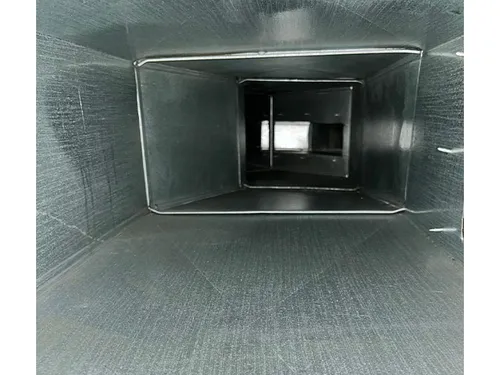
The NYC Air Duct Cleaning Company provides professional air duct cleaning and indoor air quality services in New York, NY. They specialize in removing dust, debris, mold, and allergens from residential and commercial ductwork using modern equipment and thorough inspection processes. Their services include vacuuming, sanitization, mold and mildew removal, and sealing ducts to prevent future buildup. The company serves clients in New York and surrounding areas, aiming to improve indoor air quality through comprehensive duct cleaning and maintenance.
We Clean Heat Pumps – Greater Tri-State Area
257A Sumpter St, Brooklyn, NY 11233
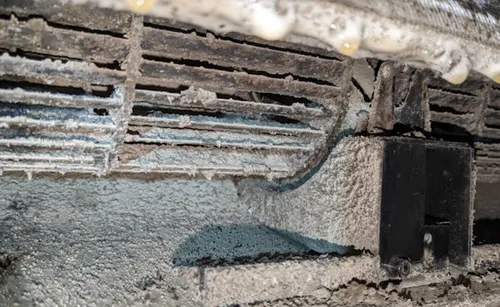
We Clean Heat Pumps - Greater Tri-State Area specializes in professional cleaning and maintenance of mini-split heat pumps, HRV/ERV systems, and PTAC units in New York, NY. Their services focus on removing dirt, mold, and allergens to improve indoor air quality and system efficiency. The company operates with in-house technicians who provide thorough cleaning of all system components to extend equipment life and enhance performance. They serve a broad region including New England and Eastern New York, with dedicated local teams ensuring service tailored to regional climate demands.
Common Indoor Air Pollutants in Edison Homes and Businesses
Edison's environment and building stock contribute to a distinct set of indoor air quality challenges. Understanding these common culprits is the first step toward addressing them.
Mold and Excessive Humidity: New Jersey's humid summers can drive indoor relative humidity to uncomfortable and unhealthy levels. This moisture promotes the growth of mold and mildew, especially in basements, bathrooms, and areas with past water leaks or poor ventilation. Dust mites also thrive in humid conditions, exacerbating allergies and asthma.
Radon Gas: This naturally occurring, radioactive gas seeps from the soil and rock beneath buildings and is a serious health concern throughout New Jersey. Radon can enter homes through cracks in foundations, sump pits, and gaps around pipes. Because it is odorless and colorless, testing is the only way to know if your property has elevated, carcinogenic levels.
Volatile Organic Compounds (VOCs): Off-gassing from common household products is a widespread source of indoor pollution. New furniture, paints, adhesives, cleaning supplies, and even some building materials can release VOCs into your air. This is a particular concern in newly constructed or renovated spaces but affects older buildings as well.
Particulate Matter (PM2.5): These tiny particles can penetrate deep into the lungs. Indoor sources include cooking (especially frying), dust, pet dander, and smoking. Outdoor sources like traffic pollution and, increasingly, wildfire smoke can also infiltrate and degrade your indoor air 1.
Combustion Gases: Malfunctioning or poorly vented fuel-burning appliances-such as furnaces, water heaters, and gas stoves-can produce dangerous levels of carbon monoxide (CO). Inadequate ventilation can also lead to a buildup of carbon dioxide (CO2), causing stuffiness, drowsiness, and reduced cognitive function.
Legacy Hazards: In older buildings constructed before the 1980s, asbestos may be present in insulation, floor tiles, or pipe wrap. While not a risk if intact, disturbing these materials during renovations can release hazardous fibers into the air 2.
How to Test Your Indoor Air
Accurately diagnosing your indoor air quality issues is essential for implementing the right solutions. You have several options, ranging from DIY screening to comprehensive professional assessment.
Professional IAQ Assessment: For the most accurate and complete picture, hiring a certified indoor air quality inspector or environmental consultant is recommended. These professionals conduct a thorough evaluation, which may include:
- A visual inspection for moisture, mold, and ventilation issues.
- Using calibrated equipment to measure levels of specific pollutants like radon, VOCs, formaldehyde, and particulate matter.
- Collecting air or surface samples (e.g., for mold spores) to be analyzed in a laboratory.
- Providing a detailed report with findings and prioritized recommendations for remediation.
Professionals typically charge either a flat fee for a standard test package or an hourly rate, with the total cost depending on the property's size and the number of contaminants analyzed 3.
DIY Testing Kits: Affordable, store-bought kits are available for screening specific contaminants like radon or mold. They offer convenience for an initial check but often require you to mail samples to a lab and wait for results. Their accuracy can be lower than professional-grade equipment, making them better suited for preliminary screening rather than definitive diagnosis 4.
Continuous Monitoring Devices: For ongoing awareness, homeowners can install smart air quality monitors that track parameters like PM2.5, VOCs, CO2, humidity, and temperature in real-time via a smartphone app. These devices don't replace professional testing for hazards like radon but are excellent tools for understanding daily air quality patterns and the effectiveness of your improvements.
Solutions for Healthier Indoor Air in Edison
Once you've identified the problems, a range of solutions can help you achieve better indoor environmental quality. The right approach often involves a combination of source control, improved ventilation, and air cleaning.
Source Control: The most effective strategy is to prevent pollutants from entering the air in the first place.
- Use low-VOC paints, adhesives, and cleaning products.
- Ensure fuel-burning appliances are properly installed, maintained, and vented.
- Fix water leaks promptly and dry affected areas within 24-48 hours to prevent mold.
- Test for and mitigate radon with a professionally installed sub-slab depressurization system, which typically costs between $800 and $1,300 5.
Ventilation Improvements: Diluting stale, polluted air with fresh outdoor air is fundamental.
- Use exhaust fans in kitchens and bathrooms.
- Open windows when weather and outdoor air quality permit.
- Consider installing a whole-home mechanical ventilation system, such as an Energy Recovery Ventilator (ERV) or Heat Recovery Ventilator (HRV). These systems efficiently bring in fresh air while minimizing energy loss, with installation costs generally ranging from $2,000 to $5,000.
Air Cleaning and Humidity Control: These systems treat the air already inside your home.
- Air Purifiers: Portable units can help in single rooms, while whole-home air purification systems integrated with your HVAC can provide comprehensive coverage by removing particles, allergens, and some gases. Whole-home systems can start around $1,500 installed 6.
- Dehumidifiers: For Edison's humid climate, a whole-home dehumidifier is a powerful tool to maintain ideal humidity levels (30-50%), inhibiting mold and dust mite growth. Installed costs for these systems often fall between $3,000 and $4,300 7.
- HVAC Maintenance: Regular servicing of your heating and cooling system, including periodic duct cleaning, helps control the circulation of dust and allergens throughout your home.
Specialized Remediation: For existing problems, targeted professional services are necessary.
- Mold Remediation: Professional mold removal involves containment, removal of contaminated materials, and deep cleaning. The cost in New Jersey averages between $1,200 and $3,800, depending on the extent of the infestation 8.
- Asbestos Abatement: This is a highly specialized and regulated process that must be performed by licensed professionals to safely remove or encapsulate the material.
Find the perfect indoor air quality service providers for your needs
Get personalized recommendations and expert advice
The Local Context: Why IAQ Matters in Edison
Edison's specific characteristics make indoor air quality a priority for residents and business owners. The township features a blend of historic homes and modern construction, each with its own IAQ considerations. Older buildings may have aging materials and less robust ventilation, while newer, tighter builds can trap pollutants inside 9. Furthermore, as part of the broader New York Metro area, Edison can be affected by regional air pollution events, such as smoke from distant wildfires, which underscores the importance of having control over your indoor environment 10.
For workplace standards and public health guidance, the State of New Jersey provides resources. The New Jersey Department of Environmental Protection (NJDEP) offers information on radon and other environmental hazards, while the NJ Department of Health outlines indoor air quality standards for public workplaces 11.
Investing in your indoor air is an investment in long-term health and comfort. By combining knowledge of local risks with professional testing and targeted improvements, you can ensure the air in your Edison home or office supports your well-being year-round.
Frequently asked questions
Sources
Footnotes
-
2023 New Jersey Air Quality Report - https://dep.nj.gov/wp-content/uploads/airmon/nj-aq-report-2023.pdf ↩
-
Indoor Air Quality Piscataway NJ - Sam's Air Control - https://www.samsaircontrol.com/indoor-air-quality-in-piscataway-nj/ ↩
-
How Much Does Professional Home Indoor Air Quality Testing Cost? - https://www.airpf.com/how-much-does-a-home-indoor-air-quality-testing-cost/ ↩
-
How Much Does Indoor Air Quality Testing Cost? [2026 Data] - https://www.angi.com/articles/how-much-does-indoor-air-quality-testing-cost.htm ↩
-
How Much Does Indoor Air Quality Testing Cost? [2025 Data] - https://www.homeadvisor.com/cost/environmental-safety/test-indoor-air-quality/ ↩
-
How Much Do Indoor Air Quality Systems Cost? - https://www.callmattioni.com/blog/t-indoor-air-quality-systems-cost/ ↩
-
indoor air quality services - Horizon - https://www.horizonservices.com/indoor-air-quality/ ↩
-
How Much Does Mold Remediation Cost in NJ? - PuroClean - https://www.puroclean.com/ridgewood-nj/blog/how-much-does-mold-remediation-cost-in-nj/ ↩
-
Household Air Quality Testing Edison, NJ Service - UniProAir - https://uniproac.com/iaq/household-air-quality-testing-edison-nj ↩
-
Air quality in NYC and NJ may be impacted by wildfires - https://pix11.com/news/local-news/new-jersey-wildfire-smoke-to-impact-nyc-and-nj-air-quality/ ↩
-
Workplace Health and Safety | New Jersey Indoor Air Quality ... - https://www.nj.gov/health/workplacehealthandsafety/peosh/peosh-health-standards/iaq.shtml ↩