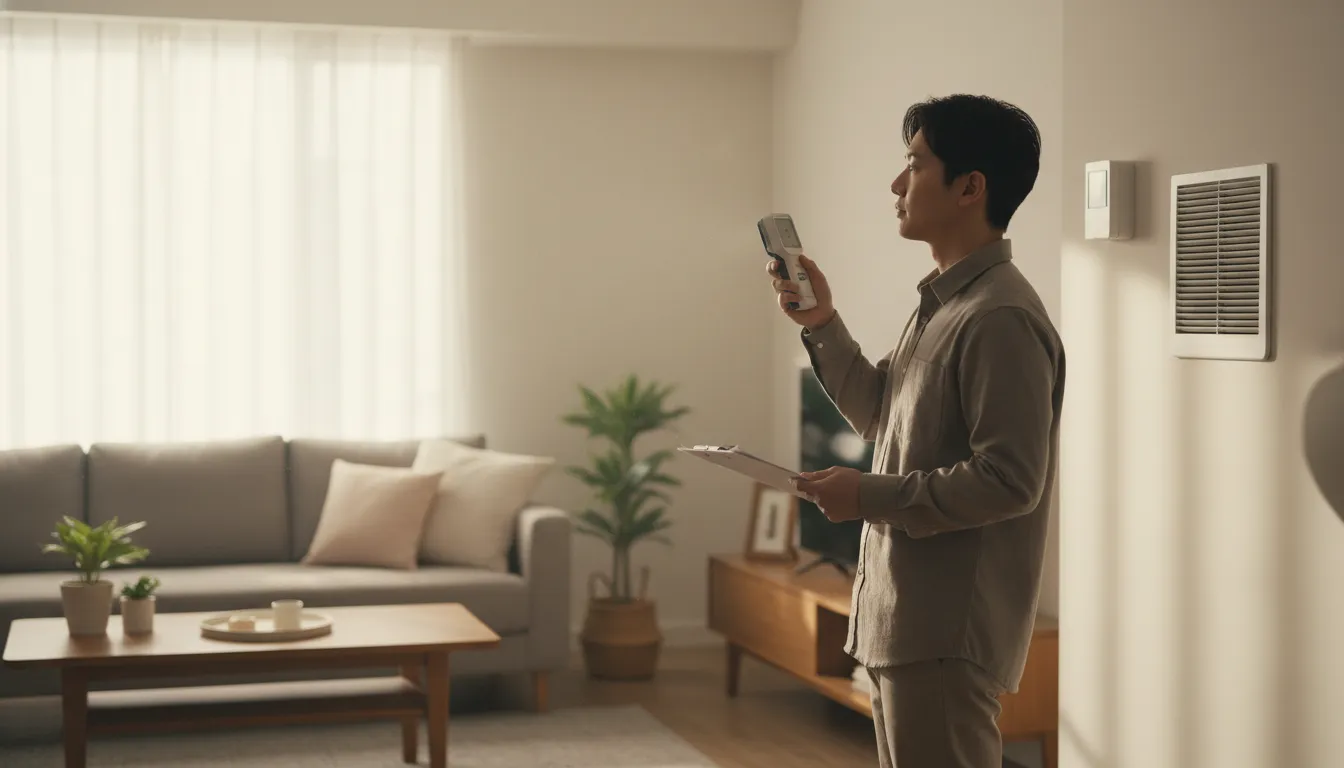
Find the Best Indoor Air Quality Service Providers for Your Business
No obligation • Fast responses • Nationwide coverage

Why you can trust HVAC Firms
HVAC Firms is a leading United States resource for evaluating HVAC service providers. Our team researches companies, checks credentials, and reviews customer feedback to present clear, unbiased information. Listings and rankings are based on merit, and companies cannot pay to change our editorial content.
Search providers near you
Top Indoor Air Quality Service Providers in Brick, New Jersey Ranked
The air you breathe inside your home or office in Brick has a direct impact on your health, comfort, and productivity. Indoor Air Quality (IAQ) refers to the condition of the air within and around buildings, particularly as it relates to the presence of pollutants and allergens. In a coastal community like Brick, specific environmental factors make managing IAQ a critical concern for residents and business owners. This guide will help you understand the common local air quality challenges, the solutions available, and how to connect with professional services for assessment and improvement.
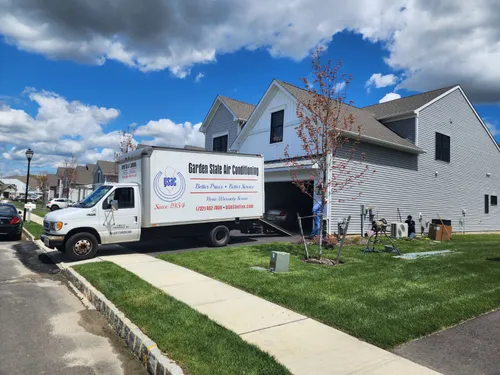
Garden State Air Conditioning and Heat
819 NJ-33 Business, Freehold, NJ 07728
Garden State Air Conditioning and Heat is a family-owned HVAC company serving New York, NY, and nearby communities. Established in 1954 and based in Freehold, NJ, they provide a wide range of services including air conditioner, furnace, heat pump, and mini split installation and repair, as well as indoor air quality solutions. The company offers 24/7 emergency services and preventative maintenance agreements to help maintain system reliability. Their capabilities include installing programmable thermostats, humidifiers, ductless split systems, air cleaners, UV lights, ventilators, and zoning products to improve indoor comfort and air quality.
Joe Hurley Inc
1311 Allaire Ave, Ocean Township, NJ 07712
Joe Hurley Inc is a heating and air conditioning service provider based in New York, NY, serving Monmouth and Ocean County, NJ. The company offers a range of HVAC services including air conditioning repair, furnace repair, ductless AC installation, and indoor air quality solutions such as air filtration. With over 30 years in business, Joe Hurley Inc provides 24/7 emergency services to address urgent heating and cooling needs promptly.
Understanding Brick's Unique Air Quality Challenges
Brick Township's location along the Jersey Shore creates a distinct set of conditions that influence the air inside local buildings. The combination of coastal humidity, seasonal weather patterns, and local geology contributes to several prevalent IAQ issues. Being aware of these factors is the first step toward creating a healthier indoor environment.
The Persistent Problem of Mold and Moisture
Brick's proximity to the ocean and the general New Jersey climate-characterized by frequent rain and high humidity-creates an ideal environment for mold growth. Mold spores are a natural part of the outdoor environment, but when they enter damp indoor spaces, they can colonize and multiply rapidly. Common problem areas in Brick homes and offices include basements, bathrooms, attics, and crawlspaces where ventilation is poor. Once established, mold can release spores and microbial volatile organic compounds (mVOCs) into the air, which are then circulated throughout the building by the HVAC system, potentially causing allergic reactions, asthma attacks, and other respiratory issues 1.
Radon Gas: A Silent Concern
Radon is a naturally occurring, radioactive gas that results from the breakdown of uranium in soil and rock. New Jersey has areas with elevated radon potential, and this odorless, colorless gas can seep into buildings through cracks in the foundation, construction joints, and gaps around pipes 2. The New Jersey Department of Environmental Protection (NJDEP) recommends mitigation for radon levels at or above 4.0 picocuries per liter (pCi/L). Because you cannot see or smell radon, specialized testing is the only way to know if your Brick property is affected by this known carcinogen.
Volatile Organic Compounds (VOCs) from Everyday Products
Volatile Organic Compounds are gases emitted from a wide array of common materials. In both homes and offices, sources include paints, varnishes, new furniture, carpeting, cleaning supplies, air fresheners, and some building materials 3. In modern, energy-efficient buildings that are tightly sealed to conserve heat and air conditioning, these gases can accumulate to levels that cause health symptoms. Short-term exposure to high levels of VOCs can lead to headaches, dizziness, eye and throat irritation, and nausea. Managing VOC levels involves a combination of source control (choosing low-VOC products) and ensuring adequate ventilation.
Seasonal Allergens and Particulates
Common allergens such as dust mites, pet dander, cockroach droppings, and outdoor pollen easily find their way indoors. During high-pollen seasons in spring and fall, or when buildings are sealed tight in winter, these allergens can become concentrated. Furthermore, smoke from regional wildfires has become an increasing concern, introducing fine particulate matter (PM2.5) that can infiltrate buildings and degrade indoor air 4. For individuals with allergies or asthma, managing these particulates is a key component of maintaining good indoor environmental quality.
Combustion Products and Carbon Monoxide
Homes and offices with fuel-burning appliances-such as gas furnaces, water heaters, stoves, ovens, and fireplaces-are at risk for buildup of combustion byproducts like carbon monoxide (CO) and nitrogen dioxide (NO2) 5. This risk is heightened if appliances are not properly maintained, vented, or if there is insufficient fresh air intake. Carbon monoxide is particularly dangerous as it is odorless and can be fatal. Ensuring combustion appliances are professionally serviced and that CO detectors are installed and functional is a non-negotiable aspect of indoor air safety in Brick.
How to Assess Your Indoor Air
Determining the specific pollutants in your space requires proper assessment. You have options ranging from professional evaluation to initial DIY screening, each with its own purpose and level of detail.
Professional IAQ Assessment and Testing
For a comprehensive understanding of your air quality, hiring a certified professional is generally recommended 6. These experts use specialized, calibrated equipment to test for a wide spectrum of pollutants. A thorough assessment typically measures levels of:
- Temperature and humidity
- Carbon monoxide (CO) and carbon dioxide (CO2)
- Particulate matter (PM2.5, PM10)
- Volatile Organic Compounds (VOCs)
- Mold spores (via air sampling)
- Radon (with specialized detectors)
The process often involves placing monitoring equipment in multiple areas (e.g., living room, basement, bedroom) over a period of time to get a complete picture of the building's air 7. This data provides a factual basis for any remediation plan.
Do-It-Yourself Testing Kits
DIY test kits are available for specific contaminants like radon or mold. These can be a cost-effective first step, especially for radon, where a long-term test kit is placed in the lowest lived-in level of the home for 90+ days. For mold, DIY kits usually involve collecting an air or surface sample and mailing it to a lab for analysis. It's important to note that while these kits can indicate a potential problem, they often lack the context and breadth of a professional assessment. If a DIY test returns a positive result, the next step is typically to bring in a professional for confirmation and to guide remediation.
Workplace IAQ Standards in New Jersey
For offices, schools, and public buildings in Brick, there are regulatory considerations. The state of New Jersey has specific Indoor Air Quality standards under the Public Employees Occupational Safety and Health (PEOSH) program (N.J.A.C. 12:100-13). These standards mandate that public employers provide a work environment free from recognized hazards, which includes maintaining acceptable indoor air quality. Compliance often involves regular monitoring, proper HVAC system operation, and prompt response to employee complaints, which may align with symptoms of "sick building syndrome" 8 9.
Solutions for Healthier Indoor Air
Once you understand the issues affecting your space, you can implement targeted solutions. Effective strategies usually involve a multi-pronged approach: controlling sources, improving ventilation, and cleaning the air.
Source Control: The First Line of Defense
The most effective way to improve air quality is to eliminate or reduce individual sources of pollution.
- Moisture Control: Use dehumidifiers in damp basements and ensure clothes dryers are vented to the outside. Promptly repair any plumbing leaks and ensure proper grading around your foundation to direct water away from the building.
- Low-VOC Choices: When renovating or purchasing new furniture, look for paints, adhesives, and products labeled "Low-VOC" or "Zero-VOC."
- Smart Storage: Store chemicals like paints, solvents, and pesticides in a well-ventilated shed or garage, not in living spaces.
- Regular Cleaning: Use a HEPA-filter vacuum cleaner and damp-dust regularly to control dust mites and pet dander.
Ventilation: Diluting Pollutants
Increasing the amount of outdoor air coming indoors helps dilute and remove airborne contaminants.
- Natural Ventilation: Open windows and doors when weather permits and when outdoor air quality is good (check local air quality indexes).
- Mechanical Ventilation: Run bathroom and kitchen exhaust fans while showering or cooking to remove moisture and pollutants at the source. For whole-house solutions, consider installing an Energy Recovery Ventilator (ERV) or Heat Recovery Ventilator (HRV). These systems efficiently exchange stale indoor air for fresh outdoor air while minimizing energy loss.
- HVAC Maintenance: Have your heating and cooling system inspected and maintained annually. A clean system with a properly fitted filter is essential for good air circulation and filtration 10.
Find the perfect indoor air quality service providers for your needs
Get personalized recommendations and expert advice
Air Cleaning and Purification
Air cleaners can be a valuable tool, especially for removing particles and some gases that source control and ventilation cannot eliminate.
- Portable Air Purifiers: These units are effective for single rooms. Look for models with a true HEPA filter for particles and, if needed, an activated carbon filter to help with odors and some VOCs. The key is to select a unit sized for the room in which it will operate.
- Whole-House Air Cleaners: Installed directly into your home's central HVAC system, these units (like media air cleaners, electronic air cleaners, or UVGI systems) clean the air throughout the entire house as it circulates. Installation and effectiveness depend on your existing ductwork and system compatibility.
Specialized Remediation
For specific, serious hazards, targeted professional remediation is required.
- Radon Mitigation: If testing confirms elevated radon levels, a mitigation system is necessary. The most common method is a sub-slab depressurization system, which uses a vent pipe and fan to draw radon gas from beneath the foundation and exhaust it safely above the roofline. Professional installation typically costs between $700 and $1,200+ in New Jersey.
- Mold Remediation: Professional mold remediation involves containing the affected area, removing contaminated porous materials (like drywall or carpet), cleaning salvageable surfaces with antimicrobial agents, and addressing the underlying moisture source to prevent recurrence. Costs vary dramatically based on the extent of the infestation 11.
Cost Considerations for IAQ Services
Investing in better air has a range of price points, from low-cost habit changes to significant system installations.
- Basic IAQ Assessment: A general overview from a professional can start around $400-$550, but a comprehensive test analyzing multiple pollutants can range from $1,000 to over $2,000.
- Specific Pollutant Testing: Targeted tests have their own ranges: Mold testing can cost $300-$1,000+, radon testing $150-$800+, and VOC analysis $200-$300+ per sample 12.
- Improvement Solutions: Portable dehumidifiers or HEPA air purifiers can be purchased for a few hundred dollars. Whole-house humidifiers, dehumidifiers, or air purification systems integrated into your HVAC can range from several hundred to several thousand dollars installed. Professional radon mitigation, as noted, typically falls in the $700 to $1,200+ range 13.
Finding Local Guidance and Services
For residents and business owners in Brick, NJ, seeking local expertise is crucial. You can consult with environmental consultants, HVAC companies specializing in indoor air quality, and mold inspection/remediation firms. The New Jersey Department of Health and the NJDEP offer resources and guidance for both home and workplace air quality concerns 14 15. Additionally, national resources from the U.S. Environmental Protection Agency (EPA) provide a wealth of information on understanding and improving your indoor environment 16 17.
Frequently asked questions
Sources
Footnotes
-
About Mold Solutions by Cowleys Mold Remediation of Toms River, Woodbridge, Edison, NJ - https://www.moldcentralnj.com/about-us.html ↩
-
Common Indoor Air Contaminants in New Jersey Homes and ... - https://www.getmapleair.com/blog-post/common-indoor-air-contaminants-in-new-jersey-homes ↩
-
Do You Suspect Your Office Has an Indoor Air Problem? - US EPA - https://19january2021snapshot.epa.gov/indoor-air-quality-iaq/do-you-suspect-your-office-has-indoor-air-problem_.html ↩
-
THE BEST 10 Indoor Air Quality Testing in Franklin Township ... - https://m.yelp.com/search?find_desc=Indoor+Air+Quality+Testing&find_loc=Franklin+Township%2C+NJ ↩
-
Allergy Testing and Immunotherapy in Brick, New Jersey - https://getcurex.com/allergy-states/allergy-testing-immunotherapy-new-jersey-brick ↩
-
How to Properly Test Your Indoor Air Quality and What to Do ... - https://www.princetonair.com/blog/indoor-air-quality-testing-how-properly-test-your-indoor-air-quality-and-what-do-next/ ↩
-
Indoor Air Quality Investigations - ABS Environmental Group - https://www.absenvironmentalgroupllc.com/indoor-air-quality-investigations ↩
-
PEOSHA Indoor Air Quality Monitoring in NJ Services - https://esmcorp.com/indoor-air-quality-testing-in-schools-in-new-jersey/ ↩
-
Sick Building Syndrome - an overview - https://www.sciencedirect.com/topics/pharmacology-toxicology-and-pharmaceutical-science/sick-building-syndrome ↩
-
Commercial HVAC Maintenance in Northern New Jersey - https://www.reinerac.com/commercial-hvac/commercial-hvac-maintenance/ ↩
-
How Much Does Mold Remediation Cost in NJ? - PuroClean - https://www.puroclean.com/ridgewood-nj/blog/how-much-does-mold-remediation-cost-in-nj/ ↩
-
New Jersey Indoor Air Quality Testing Services - https://paulsakson.com/indoor-air-quality-testing/ ↩
-
How Much Does Professional Home Indoor Air Quality Testing Cost? - https://www.airpf.com/how-much-does-a-home-indoor-air-quality-testing-cost/ ↩
-
Workplace Health and Safety | New Jersey Indoor Air Quality ... - https://www.nj.gov/health/workplacehealthandsafety/peosh/peosh-health-standards/iaq.shtml ↩
-
Department of Health | Your Guide to Health in New Jersey - https://www.nj.gov/health/guide/concerns ↩
-
Indoor Air Quality | US EPA - https://www.epa.gov/air-quality/indoor-air-quality ↩
-
Improving Indoor Air Quality | US EPA - https://www.epa.gov/indoor-air-quality-iaq/improving-indoor-air-quality ↩