Find the Best Indoor Air Quality Service Providers for Your Business
No obligation • Fast responses • Nationwide coverage

Why you can trust HVAC Firms
HVAC Firms is a leading United States resource for evaluating HVAC service providers. Our team researches companies, checks credentials, and reviews customer feedback to present clear, unbiased information. Listings and rankings are based on merit, and companies cannot pay to change our editorial content.
Search providers near you
Top Indoor Air Quality Service Providers in St Paul, Minnesota Ranked
The air inside your home or workplace in St. Paul can have a profound impact on your health, comfort, and productivity. Indoor Air Quality (IAQ) refers to the condition of the air within buildings, influenced by pollutants like mold, radon, chemicals, and outdoor particles. In our climate, with its high humidity and specific geological risks, managing your indoor environment is essential. This guide will help you understand the common local concerns, how to test for problems, and the most effective strategies for creating a cleaner, healthier indoor space.
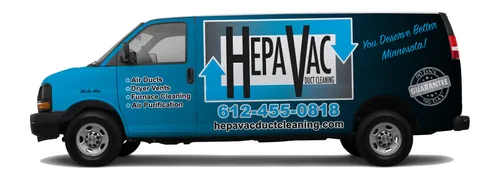
HepaVac Duct Cleaning
1708 Fillmore St NE, Minneapolis, MN 55413
HepaVac Duct Cleaning is a duct cleaning and indoor air quality service provider based in Minneapolis, MN. They specialize in thorough cleaning of HVAC systems, including ducts, trunks, air handlers, and furnaces, using powerful truck-mounted equipment and HEPA air scrubbers to improve air quality during the cleaning process. HepaVac serves both residential and commercial clients with a focus on detailed, no-compromise cleaning. Their team is experienced and equipped to handle projects of various sizes with precision. The company emphasizes transparent pricing and a commitment to clean air, having been recognized by local readers for their service.
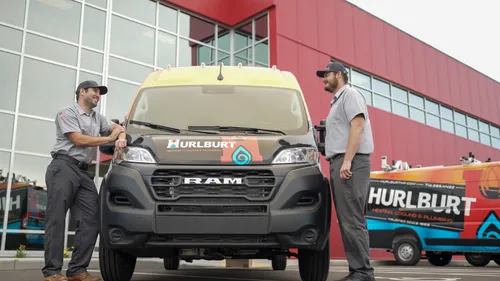
Hurlburt Heating & Plumbing
1000 County Rd E Suite 115, Shoreview, MN 55126
Hurlburt Heating & Plumbing is a family-owned home services provider serving Minneapolis, MN, and surrounding areas. Since 1959, they have offered a wide range of services including HVAC installation and repair, plumbing, and electrical work. Their HVAC services cover air conditioner and furnace repair, heat pump and mini split installation, indoor air quality solutions, and HVAC tune-ups. Hurlburt also provides whole-home air scrubbers, purifiers, humidifiers, and dehumidifiers to improve indoor air quality. With over six decades of experience, they combine modern technology with personalized service to address customer needs.
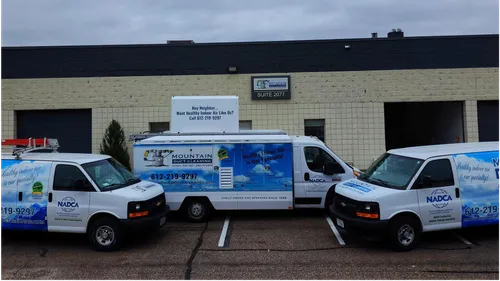
Mountain Duct Cleaning
Minneapolis, MN
Mountain Duct Cleaning is a specialized duct cleaning company based in Minneapolis, MN, focusing exclusively on air duct and dryer vent cleaning along with indoor air quality solutions. Serving the Minneapolis St. Paul Twin Cities area, the company offers residential and commercial services including air handler cleaning, airflow diagnostics, and air purification products. With expertise in HVAC cleaning and restoration, Mountain Duct Cleaning uses advanced equipment to remove contaminants and improve air quality. Established in early 1998 as a second-generation family business, the company follows NADCA standards and employs full-time trained technicians, ensuring consistent quality and professionalism.

Nice Heating & Air
24 Onville Rd suite 101-9, Stafford, VA 22556
Nice Heating & Air is an HVAC company serving Minneapolis, MN, specializing in air conditioning, heating, and indoor air quality services. They provide installation, repair, and maintenance for systems including ductless mini splits, heat pumps, furnaces, and water heaters. The company has many years of experience and focuses on delivering high-quality products and services with a commitment to customer satisfaction. Their capabilities include HVAC tune-ups and indoor air quality improvements such as air purifier installation and ventilation services.
Furnace Doctors
102 County Rd C West, Little Canada, MN 55117
Furnace Doctors is an HVAC company based in Minneapolis, MN, offering a range of heating and cooling services. Their expertise includes furnace repair and replacement, air conditioner repair and installation, ductless system installation, and indoor air quality solutions such as air filtration and humidity control systems. The company emphasizes maximizing HVAC system performance and has installers with over 25 years of experience. Furnace Doctors also provides annual maintenance plans to help keep systems running efficiently.
Why St. Paul's Indoor Air Needs Special Attention
St. Paul and the broader Minnesota region face a unique set of challenges that can compromise the air you breathe indoors. Our long, humid summers and cold, sealed-up winters create perfect conditions for certain pollutants to thrive, while the state's geology introduces a silent, serious risk. Understanding these local factors is the first step toward effective management.
The Persistent Threat of Mold and Moisture
High humidity levels, combined with potential issues in building envelopes and ductwork, create an ongoing risk for mold growth in St. Paul homes and offices. Mold spores are a major allergen and irritant, potentially causing respiratory issues, headaches, and fatigue. Problems often start with unseen moisture from leaky pipes, foundation seepage, or condensation within HVAC systems, making professional inspection crucial when musty odors or health symptoms persist.
Radon: Minnesota's Silent Risk
Minnesota has some of the highest average radon levels in the nation, and St. Paul is no exception. This colorless, odorless radioactive gas seeps from the soil into buildings and is the second leading cause of lung cancer. Testing for radon is non-negotiable for homeowners and a critical consideration for commercial property managers, as levels can vary significantly even between neighboring buildings.
Chemicals and Particles in Your Indoor Air
Modern buildings contain a variety of sources for Volatile Organic Compounds (VOCs), including paints, cleaning supplies, adhesives, and furnishings. These chemicals can off-gas and contribute to "sick building syndrome," with symptoms like headaches and nausea. Furthermore, outdoor pollutants from vehicle emissions and, increasingly, seasonal wildfire smoke can infiltrate indoors, elevating levels of fine particulate matter (PM2.5) that pose cardiovascular and respiratory risks.
How to Test and Assess Your Indoor Air
Before investing in solutions, identifying the specific pollutants and their sources is key. A systematic approach to testing and assessment will provide a clear roadmap for improvements.
Start with a Visual and Olfactory Inspection: Often, the first clues are visible. Look for signs of water damage, discoloration on walls or ceilings, and condensation on windows. Trust your nose-persistent musty or chemical odors are strong indicators of underlying IAQ issues.
Targeted Testing for Specific Contaminants:
- Radon: Simple DIY charcoal test kits are widely available and affordable (often $20-$50), providing a short-term snapshot. For more accurate, long-term assessment or during real estate transactions, hiring a professional with continuous monitoring equipment is recommended 1 2.
- Mold: If visible mold is present, inspection to find the moisture source is the priority. When mold is suspected but not seen (e.g., inside walls or ducts), professional air or surface sampling can identify spore types and concentrations 3.
- VOCs and Particulates: Consumer-grade air quality monitors can track levels of PM2.5, VOCs, and other parameters in real-time. For a comprehensive analysis of specific chemical compounds, a professional IAQ consultant can use advanced sampling equipment 4.
Professional HVAC and Building Assessments: For complex issues or overall air quality concerns, a consultant can evaluate your ventilation rates, HVAC system performance, ductwork condition, and potential pollutant pathways throughout the building. This holistic assessment is particularly valuable for commercial properties or older homes in St. Paul.
Find the perfect indoor air quality service providers for your needs
Get personalized recommendations and expert advice
Effective Strategies for Cleaner Indoor Air
Improving your indoor environment revolves around three core principles: removing the source of pollution, diluting pollutants with fresh air, and cleaning the air that remains. The right mix of strategies depends on your test results and specific building.
1. Source Control: The First Line of Defense
The most effective way to improve IAQ is to prevent pollutants from entering the air in the first place.
- Moisture Management: Use dehumidifiers in basements, ensure proper drainage away from your foundation, and fix leaks promptly to stop mold at its source.
- Low-VOC Choices: Select paints, sealants, flooring, and furnishings labeled as low-VOC when renovating or furnishing 5.
- Radon Mitigation: If high radon levels are detected, a professionally installed sub-slab depressurization system is the standard, highly effective solution to vent the gas safely outdoors.
2. Enhance Ventilation: Dilute and Remove
Bringing in fresh outdoor air is crucial, especially in energy-efficient, tightly sealed buildings.
- HVAC Maintenance: Ensure your heating and cooling system is regularly serviced. Clean filters are essential, but also have a professional check that the system is properly balanced and bringing in adequate makeup air 6.
- Local Exhaust: Use exhaust fans in kitchens and bathrooms that vent directly outdoors to remove moisture and contaminants at the point of generation.
- Energy Recovery Ventilators (ERVs): For a controlled, efficient solution, an ERV can introduce fresh, filtered air while recovering energy from the exhausted stale air, a smart upgrade for St. Paul's climate.
3. Air Cleaning: Capturing What Remains
When source control and ventilation aren't enough, air cleaning devices can reduce pollutant levels.
- Advanced Filtration: Upgrade the filter in your central HVAC system to a MERV 13 or higher rating, if your system can accommodate it, to capture fine particles like those from wildfire smoke 7. Portable HEPA air purifiers are highly effective for single rooms.
- UV Germicidal Irradiation (UVGI): UV-C lights installed inside HVAC ductwork can help reduce microbial growth, including mold and some bacteria, on coil surfaces and in the airstream. Professional installation is required.
Understanding Costs: Investments in IAQ can range from low-cost DIY fixes to significant professional projects. While DIY radon test kits are inexpensive, radon mitigation system installation often starts around $1,500 8. Professional mold remediation can range from hundreds to thousands of dollars depending on the extent 8 9. HVAC upgrades like adding advanced filtration or UV lights typically involve equipment costs plus professional installation, often adding several hundred to over a thousand dollars to your system 10 11.
Navigating Resources and Next Steps
For St. Paul residents and business owners, excellent local resources are available. The Minnesota Department of Health (MDH) and the Minnesota Pollution Control Agency (MPCA) provide detailed guidance on everything from selecting a qualified IAQ consultant to understanding radon risks and outdoor air quality impacts 12 13. When seeking professional help, look for consultants who follow guidelines from these agencies and can provide a clear assessment and action plan tailored to our local environment.
Frequently asked questions
Sources
Footnotes
-
Guidelines for Selecting an IAQ Consultant - MN Dept. of Health - https://www.health.state.mn.us/communities/environment/air/mold/selectingiaq.html ↩
-
Air quality monitoring - Minnesota Pollution Control Agency - https://www.pca.state.mn.us/air-water-land-climate/air-quality-monitoring ↩
-
Air Quality in Minnesota - Problems and Approaches - https://www.lrl.mn.gov/docs/pre2003/mandated/010077.pdf ↩
-
Indoor Air Quality - National Institute of Environmental Health Sciences - https://www.niehs.nih.gov/health/topics/agents/indoor-air ↩
-
A Toolkit For Improving Indoor Air Quality In Office Workplaces - https://www.aft.org/sites/default/files/media/documents/2023/lungsatwork_lr.pdf ↩
-
Introduction to Indoor Air Quality | US EPA - https://www.epa.gov/indoor-air-quality-iaq/introduction-indoor-air-quality ↩
-
The Air We Breathe report - Minnesota Pollution Control Agency - https://www.pca.state.mn.us/air-water-land-climate/the-air-we-breathe-report ↩
-
TOP 10 BEST Indoor Air Quality Testing in Saint Paul, MN - Yelp - https://m.yelp.com/search?find_desc=Indoor+Air+Quality+Testing&find_loc=Saint+Paul%2C+MN ↩ ↩2
-
Mold Testing Company Minneapolis St. Paul MN Duct ... - https://www.aaqcmn.com/ ↩
-
THREE BASIC STRATEGIES TO IMPROVE INDOOR AIR QUALITY - https://airquip.com/three-basic-strategies-to-improve-indoor-air-quality/ ↩
-
Key Indoor Air Quality Concerns for Meetings During COVID-19 and Beyond - https://www.meetingstoday.com/articles/142489/key-indoor-air-quality-concerns ↩
-
State of Minnesota Guidelines for Managing Indoor Air Quality - https://mn.gov/admin/assets/Minnesota_Guide_for_Managing_Indoor_Air_Quality_tcm36-207630.pdf ↩
-
The Air We Breathe 2025 - Minnesota Pollution Control Agency - https://www.pca.state.mn.us/sites/default/files/lraq-1sy25.pdf ↩