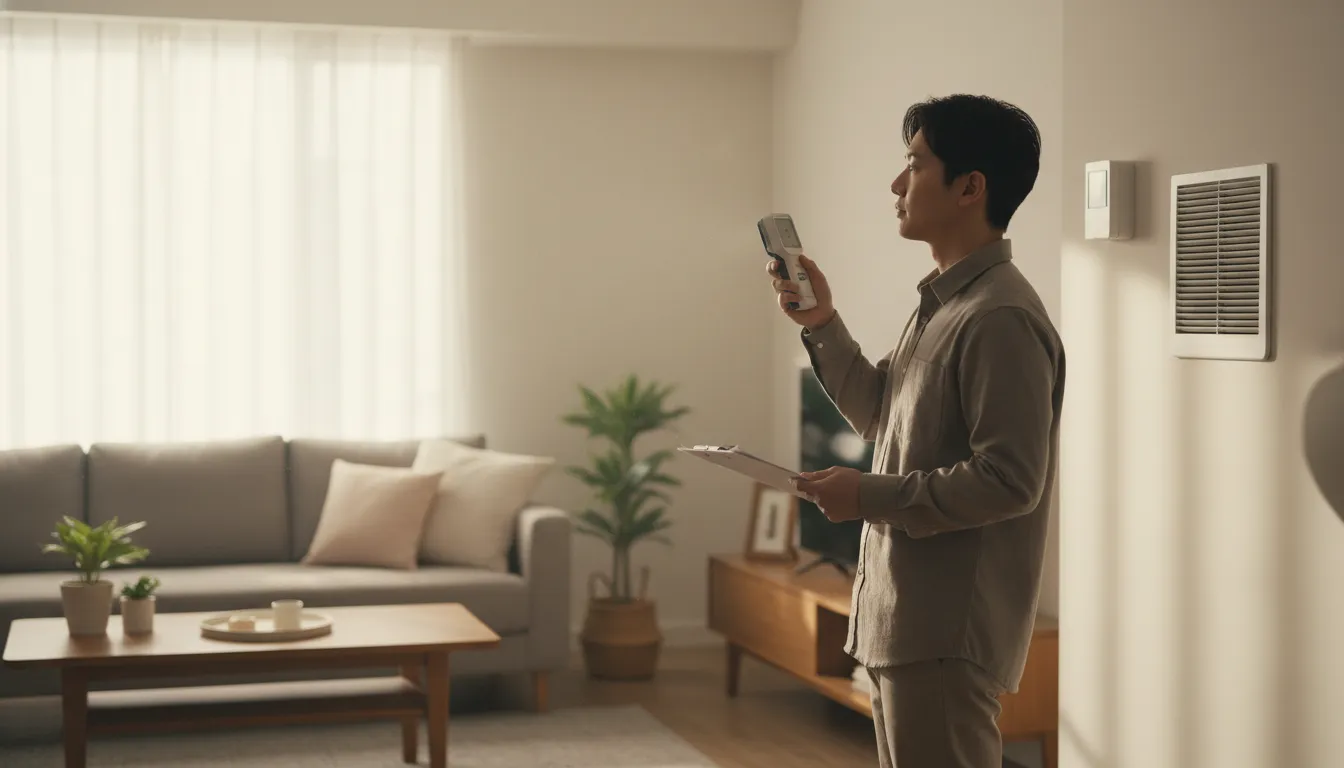
Find the Best Indoor Air Quality Service Providers for Your Business
No obligation • Fast responses • Nationwide coverage

Why you can trust HVAC Firms
HVAC Firms is a leading United States resource for evaluating HVAC service providers. Our team researches companies, checks credentials, and reviews customer feedback to present clear, unbiased information. Listings and rankings are based on merit, and companies cannot pay to change our editorial content.
Search providers near you
Top Indoor Air Quality Service Providers in Blaine, Minnesota Ranked
The air you breathe inside your Blaine home or business has a direct impact on your health, comfort, and well-being. Indoor air quality (IAQ) refers to the condition of the air within and around buildings, particularly as it relates to the presence of pollutants and the overall comfort of occupants. In Blaine's climate, with its energy-efficient, tightly sealed homes and distinct seasonal challenges, indoor air can often be 2 to 5 times more polluted than outdoor air. Understanding and managing your indoor environment is crucial. This resource connects you with essential information on common local air quality concerns, testing methods, and proven solutions to help you find qualified local professionals who can assess and improve the air in your space.

HepaVac Duct Cleaning
1708 Fillmore St NE, Minneapolis, MN 55413
HepaVac Duct Cleaning is a duct cleaning and indoor air quality service provider based in Minneapolis, MN. They specialize in thorough cleaning of HVAC systems, including ducts, trunks, air handlers, and furnaces, using powerful truck-mounted equipment and HEPA air scrubbers to improve air quality during the cleaning process. HepaVac serves both residential and commercial clients with a focus on detailed, no-compromise cleaning. Their team is experienced and equipped to handle projects of various sizes with precision. The company emphasizes transparent pricing and a commitment to clean air, having been recognized by local readers for their service.
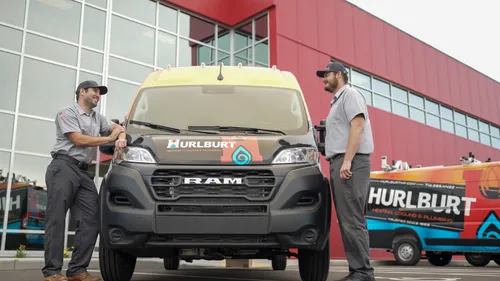
Hurlburt Heating & Plumbing
1000 County Rd E Suite 115, Shoreview, MN 55126
Hurlburt Heating & Plumbing is a family-owned home services provider serving Minneapolis, MN, and surrounding areas. Since 1959, they have offered a wide range of services including HVAC installation and repair, plumbing, and electrical work. Their HVAC services cover air conditioner and furnace repair, heat pump and mini split installation, indoor air quality solutions, and HVAC tune-ups. Hurlburt also provides whole-home air scrubbers, purifiers, humidifiers, and dehumidifiers to improve indoor air quality. With over six decades of experience, they combine modern technology with personalized service to address customer needs.
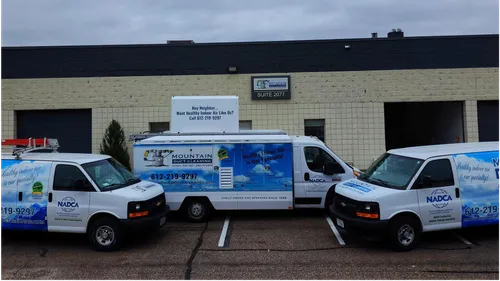
Mountain Duct Cleaning
Minneapolis, MN
Mountain Duct Cleaning is a specialized duct cleaning company based in Minneapolis, MN, focusing exclusively on air duct and dryer vent cleaning along with indoor air quality solutions. Serving the Minneapolis St. Paul Twin Cities area, the company offers residential and commercial services including air handler cleaning, airflow diagnostics, and air purification products. With expertise in HVAC cleaning and restoration, Mountain Duct Cleaning uses advanced equipment to remove contaminants and improve air quality. Established in early 1998 as a second-generation family business, the company follows NADCA standards and employs full-time trained technicians, ensuring consistent quality and professionalism.

Nice Heating & Air
24 Onville Rd suite 101-9, Stafford, VA 22556
Nice Heating & Air is an HVAC company serving Minneapolis, MN, specializing in air conditioning, heating, and indoor air quality services. They provide installation, repair, and maintenance for systems including ductless mini splits, heat pumps, furnaces, and water heaters. The company has many years of experience and focuses on delivering high-quality products and services with a commitment to customer satisfaction. Their capabilities include HVAC tune-ups and indoor air quality improvements such as air purifier installation and ventilation services.
Furnace Doctors
102 County Rd C West, Little Canada, MN 55117
Furnace Doctors is an HVAC company based in Minneapolis, MN, offering a range of heating and cooling services. Their expertise includes furnace repair and replacement, air conditioner repair and installation, ductless system installation, and indoor air quality solutions such as air filtration and humidity control systems. The company emphasizes maximizing HVAC system performance and has installers with over 25 years of experience. Furnace Doctors also provides annual maintenance plans to help keep systems running efficiently.
Why Indoor Air Quality Matters in Blaine
Living in the Twin Cities metro area, and Blaine specifically, presents unique challenges for maintaining healthy indoor air. Our region's commitment to energy efficiency, while excellent for utility bills, often leads to "Tight Building Syndrome," where insufficient fresh air exchange allows pollutants to accumulate 1. Coupled with Minnesota's specific environmental factors-like high radon potential and extreme seasonal humidity swings-this creates a perfect storm for common IAQ issues. Proactively managing your home's air is not just about comfort; it's a key component of a healthy lifestyle, potentially reducing allergy symptoms, asthma triggers, and long-term exposure risks.
Common Indoor Air Pollutants in Blaine Homes
Identifying the specific contaminants in your home is the first step toward a solution. Here are the most prevalent indoor air quality concerns for Blaine residents.
Radon Gas
Minnesota has some of the highest radon levels in the nation due to its geology. This colorless, odorless radioactive gas is the leading cause of lung cancer among non-smokers. Statewide, approximately 2 in 5 homes test at or above the action level considered risky by health officials. Radon seeps into homes from the soil through cracks in foundations and gaps around pipes. Testing is simple, inexpensive, and highly recommended for every home in Blaine, regardless of age or neighborhood.
Mold and Moisture
Blaine's climate is a study in extremes: intensely dry winters followed by humid summers. In winter, overly dry air can irritate respiratory systems, while in summer, humidity seeps into our tightly sealed homes. This moisture buildup, often in basements, crawl spaces, or bathrooms, creates an ideal environment for mold and mildew growth. Mold spores can trigger allergic reactions, asthma attacks, and other respiratory problems, making moisture control a year-round priority.
Volatile Organic Compounds (VOCs)
These are gases emitted from a wide array of everyday household products. Sources include cleaning supplies, paints, varnishes, adhesives, new furniture, and even air fresheners 2. In a well-insulated Blaine home, VOCs can become concentrated, leading to headaches, dizziness, and eye or throat irritation. Managing VOC levels involves both source control (choosing low-VOC products) and proper ventilation.
Particulate Matter (PM)
This includes dust, dirt, pollen, pet dander, and smoke particles that float in the air. Fine particles (known as PM2.5) are especially concerning as they can penetrate deep into the lungs 3. Sources are both indoor (dusting, pets, cooking) and outdoor (wildfire smoke, vehicle exhaust that infiltrates). Effective filtration is key to reducing particulate levels.
Poor Ventilation and "Stale" Air
When homes are sealed tight for energy savings, they can trap not just pollutants but also exhaled carbon dioxide (CO2). Inadequate fresh air exchange leads to stuffy, stale air, which can cause fatigue, difficulty concentrating, and general discomfort-a hallmark of Tight Building Syndrome 4 5. Ensuring a controlled amount of fresh air is introduced is a cornerstone of modern IAQ management.
How to Test Your Indoor Air in Blaine
You can't fix what you don't measure. Several methods are available to assess your home's air, from DIY kits to professional evaluations.
DIY Radon Test Kits: These are readily available at local hardware stores or through the Minnesota Department of Health. They are an affordable and reliable first step for every homeowner.
Consumer-Grade Air Monitors: Devices like the Airthings View Plus allow for continuous, real-time monitoring of key metrics such as radon, VOCs, CO2, humidity, and fine particulate matter (PM2.5) 6. They provide valuable trend data to understand how your air changes with seasons and activities.
Professional Indoor Air Quality Assessment: For a comprehensive analysis, local IAQ professionals offer in-depth inspections. A typical assessment may include:
- Visual inspection for moisture and mold.
- Measurement of temperature and humidity levels.
- Use of infrared cameras to detect hidden moisture.
- Air sampling for mold spores, VOCs, or other specific contaminants.
- Evaluation of your home's ventilation and airflow.
- A detailed report with findings and recommendations.
Specialized Testing Services: For suspected mold issues, companies like Green Home Solutions of Blaine offer advanced mycotoxin testing and detailed mold inspections 7 8. For commercial properties or complex situations, industrial hygienists can perform even more detailed testing.
Find the perfect indoor air quality service providers for your needs
Get personalized recommendations and expert advice
Effective Solutions for Cleaner Indoor Air
Once you've identified the issues, a range of solutions can be implemented, often through your existing HVAC system or with standalone devices.
Radon Mitigation
If testing reveals elevated radon levels, a mitigation system is essential. A typical system involves installing a vent pipe and fan to draw radon gas from beneath the home and safely exhaust it above the roofline. This is a highly effective and common procedure in Minnesota, with professional installation being crucial for proper function 9.
Advanced Filtration
Upgrading the air filter in your furnace or central air handler is one of the simplest steps. Look for filters with a higher MERV rating (Minimum Efficiency Reporting Value), which capture smaller particles. For those with severe allergies or asthma, integrating a dedicated air purification system or even a HEPA filter can provide hospital-grade air cleaning 10.
Humidity Control
Managing moisture is a two-season job in Blaine.
- Winter Humidification: Installing a whole-house humidifier adds necessary moisture to dry winter air, protecting wood furnishings, reducing static electricity, and easing dry skin and respiratory irritation 11.
- Summer Dehumidification: A whole-house dehumidifier integrated with your HVAC system works to remove excess moisture during humid months, preventing mold growth and making your home feel more comfortable without overcooling it 12.
Balanced Ventilation
To combat stale air without wasting energy, Heat Recovery Ventilators (HRVs) and Energy Recovery Ventilators (ERVs) are ideal. These systems continuously exhaust stale indoor air while bringing in fresh outdoor air. They transfer heat (and in the case of ERVs, moisture) between the two airstreams, preconditioning the incoming air to minimize energy loss 13. This provides a constant supply of fresh, filtered air, directly addressing Tight Building Syndrome.
Source Control and Best Practices
Technology is only part of the answer. Daily habits significantly impact IAQ:
- Use exhaust fans in kitchens and bathrooms.
- Choose low-VOC or natural cleaning and personal care products.
- Maintain a clean home to reduce dust and dander.
- Address water leaks and spills immediately to prevent mold.
- Ensure gas appliances are properly vented and maintained.
Investing in Your Air: Understanding Costs
Improving your indoor environment is an investment in your property and your health. Costs can vary based on your home's size, the specific issues, and the solutions chosen.
- Radon Mitigation System: Professional installation typically ranges from $1,000 to $2,000 or more, depending on the home's foundation 14.
- Whole-House Humidifier/Dehumidifier: Installation can range from $500 to $1,500 or more, depending on the capacity and technology of the unit 15.
- Air Purification System: Adding a high-efficiency air cleaner to your HVAC system can cost between $300 and $1,000+ for the unit and installation 16.
- Professional IAQ Assessment: A comprehensive inspection and testing service from a local professional generally costs between $100 and $500+, depending on the scope 17 18.
Frequently asked questions
Sources
Footnotes
-
State of Minnesota Guidelines for Managing Indoor Air Quality - https://mn.gov/admin/assets/Minnesota_Guide_for_Managing_Indoor_Air_Quality_tcm36-207630.pdf ↩
-
Indoor Air Quality | Carver County, MN - https://www.carvercountymn.gov/departments/public-services/environmental-services/indoor-air-quality ↩
-
Air quality and health | Minnesota Pollution Control Agency - https://www.pca.state.mn.us/air-water-land-climate/air-quality-and-health ↩
-
Indoor Air Quality - Home Energy Center - https://homeenergycenter.com/indoor-air-quality/ ↩
-
Do You Suspect Your Office Has an Indoor Air Problem? | US EPA - https://www.epa.gov/indoor-air-quality-iaq/do-you-suspect-your-office-has-indoor-air-problem ↩
-
How to test indoor air quality in your home - Airthings - https://www.airthings.com/resources/how-to-test-air-quality-in-your-home ↩
-
Mycotoxin Testing | Green Home Solutions of Blaine MN - https://www.greenhomesolutions.com/twin-cities-mn/our-services/environmental-mycotoxin-testing/ ↩
-
Functional Medicine Professionals - https://www.greenhomesolutions.com/twin-cities-mn/who-we-serve/functional-medicine-mold-removal/ ↩
-
Chemical Vapor Intrusion and Radon - https://www.health.mn.gov/communities/environment/hazardous/docs/vichemradon.pdf ↩
-
Indoor Air Quality Services | Installation | St. Michael, MN - https://comfortmatters.com/residential/indoor-air-quality/ ↩
-
The Basics of Winter Indoor Air Quality | Blaine, MN - https://arcticmn.com/the-basics-of-winter-indoor-air-quality/ ↩
-
Tackling Heat, Humidity & Rain-Driven IAQ Challenges in ... - https://ieasafety.com/summer-reflections-tackling-heat-humidity-rain-driven-iaq-challenges-in-minnesota-facilities/ ↩
-
Indoor Air Quality Blaine, MN - Anoka - Liberty Comfort Systems - https://libertycomfortsystems.com/indoor-air-quality-blaine-mn/ ↩
-
Radon in Homes - MN Dept. of Health - https://www.health.state.mn.us/communities/environment/air/radon/index.html ↩
-
Your Indoor Air Quality Professionals - SCR Northern - https://www.scr-northern.com/services/indoor-air-quality ↩
-
Indoor Air Quality In Minneapolis, MN - Stafford Home Service - https://www.staffordhomeservice.com/iaq/indoor-air-quality-minneapolis-mn ↩
-
THE BEST 10 Indoor Air Quality Testing in Minneapolis, MN - Yelp - https://m.yelp.com/search?find_desc=Indoor+Air+Quality+Testing&find_loc=Minneapolis%2C+MN ↩
-
Indoor Air Quality Testing in Minneapolis, MN - Green Home Solutions - https://www.greenhomesolutions.com/twin-cities-mn/our-services/air-quality-testing/ ↩