Find the Best Indoor Air Quality Service Providers for Your Business
No obligation • Fast responses • Nationwide coverage

Why you can trust HVAC Firms
HVAC Firms is a leading United States resource for evaluating HVAC service providers. Our team researches companies, checks credentials, and reviews customer feedback to present clear, unbiased information. Listings and rankings are based on merit, and companies cannot pay to change our editorial content.
Search providers near you
Top Indoor Air Quality Service Providers in Newton, Massachusetts Ranked
The air you breathe inside your Newton home or office has a direct impact on your health, comfort, and well-being. Indoor air quality (IAQ) refers to the condition of the air within and around buildings, particularly as it relates to the health of occupants. In a city like Newton, with its historic housing stock and specific environmental factors, managing IAQ is not just a luxury-it's a necessity for a healthy living environment. This guide will help you understand the unique air quality challenges in Newton, from radon gas to seasonal humidity, and provide actionable steps to identify problems and connect with local professionals who can provide testing, mitigation, and improvement solutions.
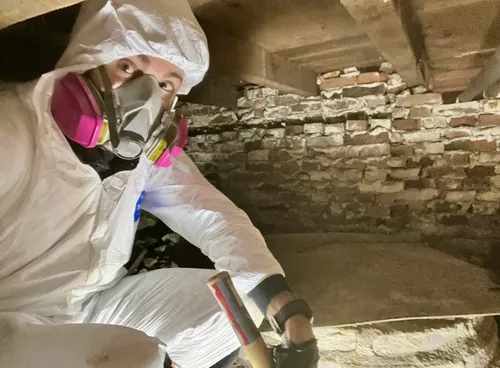
Elite Home & Mold Inspections
620 Lynn Fells Pkwy, Melrose, MA 02176
Elite Home & Mold Inspections provides mold inspections, indoor air quality testing, asbestos surveys, VOC and formaldehyde testing, duct cleaning, and comprehensive home and commercial property inspections in Boston, MA. Their team includes certified professionals with extensive building construction knowledge who deliver detailed reports and expert recommendations to help clients understand and address environmental concerns. Serving both Massachusetts and New Hampshire, they focus on health and safety with advanced testing methods and thorough evaluations.
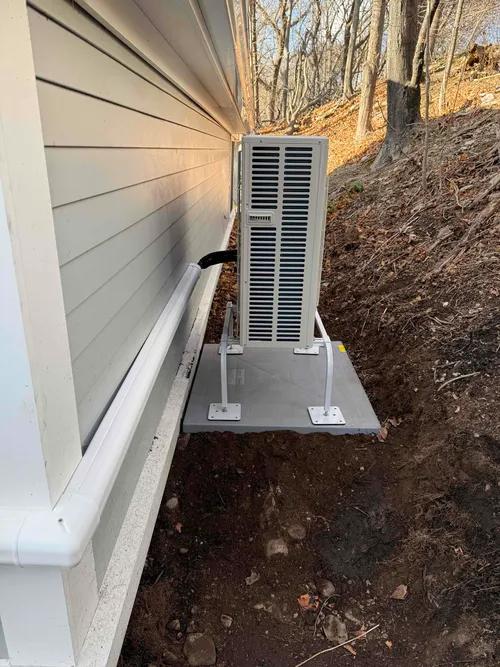
Yellow Dog Plumbing, Heating & Cooling
19 Kearney Rd, Needham, MA 02494
Yellow Dog Plumbing, Heating & Cooling is a plumbing and HVAC company serving Boston, MA, and nearby areas. They offer a wide range of services including air conditioning, furnace, heat pump, and boiler repair and installation, as well as HVAC tune-ups and indoor air quality solutions. Their technicians are equipped to handle both residential and light commercial HVAC needs, with well-stocked trucks to complete most repairs on the first visit. Yellow Dog emphasizes clear communication and customer care, providing same-day service and 24/7 live answering to support their clients' comfort and safety.
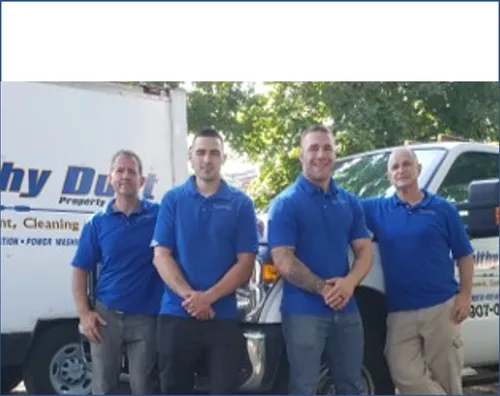
Healthy Duct Property Services
17 Prospect St Ave, Waltham, MA 02453
Healthy Duct Property Services is a certified air duct cleaning company based in Boston, MA. They specialize in HVAC air duct cleaning and indoor air quality services, serving customers across Eastern Massachusetts. The company is NADCA certified as an Air Systems Cleaning Specialist and Ventilation Systems Mold Remediator, providing expert cleaning and restoration to improve home environments. Healthy Duct offers detailed assessments to help customers make informed decisions about their air duct maintenance. Their services focus on removing contaminants like bacteria and mold that can affect indoor air quality.
EML Mechanical
28 Pine St, Stoneham, MA 02180
EML Mechanical is an HVAC company serving Boston, MA, and the Greater Northshore Community. They provide residential and commercial heating, ventilation, and air conditioning services, including installation, repair, and tune-ups for systems like furnaces, heat pumps, and air conditioners. EML Mechanical is a MassSave-approved contractor, offering access to energy efficiency rebates and financing options. Their services also include indoor air quality solutions and thermostat installation. The company emphasizes integrity, expertise, and customer-focused service, with 24/7 emergency support available through their service membership plans.

Delta Clean Air
529 Main St STE p222, Boston, MA 02129
Delta Clean Air is a duct cleaning company based in Boston, MA, specializing in air duct cleaning, dryer vent cleaning, and chimney sweeping for both residential and commercial properties. They use eco-friendly, non-toxic cleaning agents and modern tools to remove dust, allergens, mold, and other contaminants, improving indoor air quality and HVAC efficiency. The company follows certified industry standards and sustainable practices, including the use of biodegradable materials and reduced emissions. Delta Clean Air offers 24/7 air duct cleaning solutions to meet customer needs at any time.
Why Newton Homes Face Unique Air Quality Challenges
Newton's character, defined by its beautiful older homes and mature landscapes, also presents distinct challenges for maintaining clean indoor air. The prevalence of buildings constructed decades ago, combined with local soil composition and climate, creates a perfect storm for common indoor pollutants 1.
- Older Building Construction: Many Newton homes have basements and crawl spaces, which are primary entry points for soil gases like radon. These older structures may also have inadequate or outdated ventilation systems, allowing moisture and pollutants to accumulate.
- Humid Summers: Massachusetts summers bring high humidity, which can seep into basements and wall cavities. This moisture is the primary fuel for mold and mildew growth, a leading cause of indoor air complaints and health issues.
- Urban Environmental Factors: While Newton is suburban, it is part of a dense metropolitan area. Factors like proximity to older underground infrastructure can contribute to localized issues, such as potential methane gas leaks from aging pipes, which have been noted as a concern in some areas 2.
Understanding these baseline conditions is the first step toward creating a healthier indoor environment for your family or employees.
Common Indoor Air Pollutants in Newton
A proactive approach to indoor environmental quality starts with knowing what you're up against. Here are the most prevalent contaminants affecting homes and businesses in Newton.
Radon Gas: A Silent, Local Threat
Radon is a colorless, odorless radioactive gas that naturally occurs from the breakdown of uranium in soil and rock. Massachusetts geology means radon is a significant concern statewide, and Newton is no exception. The gas seeps into buildings through cracks in foundations, floor drains, and sump pits. Alarmingly, data suggests that in this region, as many as 1 in 3 homes could have radon levels exceeding the U.S. Environmental Protection Agency (EPA) action level 3. As the second leading cause of lung cancer, testing for radon is a critical and non-negotiable step for every Newton homeowner, particularly those with basements or slab-on-grade foundations 4.
Mold and Excess Humidity
The damp conditions in many Newton basements, bathrooms, and kitchens provide an ideal breeding ground for mold. Spores can become airborne and, when inhaled, trigger allergic reactions, asthma attacks, and other respiratory problems. The problem can be exacerbated in both older, drafty homes and newer, overly airtight energy-efficient homes that lack proper mechanical ventilation to expel moist air.
Volatile Organic Compounds (VOCs)
These are gases emitted from a wide array of household products and materials. In Newton, where home renovations and updates are common, sources include new paint, cabinetry, flooring, carpets, furniture, and even cleaning supplies 5. These chemicals can cause short-term effects like headaches and eye irritation, and some may have longer-term health impacts.
Particulate Matter and Allergens
Dust, pollen, pet dander, and dust mites are perennial issues. These particles can be stirred up by daily activity and circulated by your heating and cooling system. For residents with allergies or asthma, high concentrations of these allergens can make a home feel uncomfortable and unhealthy year-round 6.
Ventilation and Carbon Dioxide (CO2)
Especially relevant for offices, schools, and tighter homes, inadequate fresh air intake leads to a buildup of exhaled CO2. High CO2 levels are a direct indicator of poor ventilation and can cause drowsiness, headaches, and reduced cognitive function-often described as that "stuffy," tired feeling in a closed room 7.
Find the perfect indoor air quality service providers for your needs
Get personalized recommendations and expert advice
How to Assess Your Indoor Air in Newton
You can't manage what you don't measure. Fortunately, there are several effective ways to evaluate the air quality in your Newton property, ranging from DIY methods to comprehensive professional assessments.
1. Radon Testing: The First Priority
Given the high local risk, radon testing should be your initial step. The City of Newton and the Massachusetts Department of Public Health strongly recommend testing, and free or low-cost test kits are periodically available through state programs 8. These short-term charcoal kits are a good start, but for the most accurate picture-especially during real estate transactions-a professional long-term test or continuous radon monitor is advisable 9.
2. Professional IAQ Assessment
For a comprehensive evaluation, a professional indoor air quality assessment is invaluable. A certified specialist will conduct a visual inspection for moisture and mold, may use thermal imaging to find hidden dampness, and can perform air sampling to identify specific types of mold spores or concentrations of VOCs 10. They will also assess your HVAC system's role in filtering and distributing air throughout your home.
3. Continuous Air Quality Monitoring
Technology has made real-time IAQ monitoring accessible. Consumer-grade smart monitors, such as the Airthings View Plus, can track key metrics like radon, CO2, VOCs, particulate matter (PM2.5), humidity, and temperature continuously 11. These devices, typically costing between $200 and $330, provide invaluable data on daily and seasonal patterns, helping you pinpoint the source of problems, like a VOC spike after cleaning or high humidity in a specific room 12.
4. HVAC and Duct Inspection
Your forced-air heating and cooling system can be both a solution and a source of air quality problems. A professional duct inspection can reveal if your system is circulating dust, debris, or even mold growth from within the ductwork. Cleaning may be recommended if significant buildup is found.
Solutions and Improvement Strategies
Once you've identified issues, a range of solutions can dramatically improve your indoor environment.
For Radon: If high levels are confirmed, the standard and highly effective solution is the installation of an active soil depressurization (ASD) system. This involves installing a vent pipe and fan to draw radon gas from beneath the foundation and safely exhaust it above the roofline. Professional installation of a radon mitigation system typically ranges from $1,000 to $2,500 or more, depending on the home's design 13.
For Mold and Humidity: The key is moisture control. This may involve repairing leaks, improving drainage around the foundation, and using dehumidifiers to keep basement relative humidity between 40% and 60% 14. For existing mold growth, professional remediation-which can cost from $1,000 to over $5,000 based on the scope-is often necessary to safely remove contaminated materials 15.
For Airborne Particles and VOCs: Upgrading your HVAC filtration to a high-efficiency MERV 13 or HEPA filter can capture a high percentage of allergens and fine particles 16. Stand-alone air purifiers with HEPA and carbon filters are also effective for single rooms. To reduce VOCs, increase ventilation when bringing new products into the home and choose low-VOC materials for renovations.
For General Ventilation: Simply opening windows when weather permits is beneficial. For consistent, energy-efficient ventilation, consider installing an air-to-air heat exchanger or energy recovery ventilator (ERV). These systems bring in fresh, filtered outdoor air while exhausting stale indoor air, transferring heat and humidity to save energy 17.
Maintaining Healthy Indoor Air
Improving your air quality is an ongoing process. Here are essential maintenance habits for Newton residents:
- Change HVAC Filters Regularly: Check and replace your furnace and air conditioner filters every 1-3 months, especially during peak heating and cooling seasons.
- Manage Moisture Diligently: Run bathroom fans for at least 20 minutes after showering. Ensure your clothes dryer vents to the outside. Regularly empty dehumidifier collection tanks and clean coils.
- Clean Strategically: Use a vacuum cleaner with a HEPA filter to capture dust and allergens instead of redistributing them. Damp-dust surfaces to avoid stirring up particles.
- Monitor Continuously: Keep an eye on your smart air quality monitor's readings to catch issues early and verify that your solutions are working.
Frequently asked questions
Sources
Footnotes
-
Indoor Air Quality Solutions for Newton MA Families - https://www.sumzeroenergysystems.com/hvac-location/iaq-newton-ma ↩
-
City Initiatives | City of Newton, MA - https://www.newtonma.gov/government/climate-and-sustainability/city-initiatives ↩
-
Radon in the Home - Mass.gov - https://www.mass.gov/info-details/radon-in-the-home ↩
-
Indoor Air Quality Testing in Massachusetts - Endless Energy - https://goendlessenergy.com/indoor-air-quality/ ↩
-
Indoor Air Quality Assessment Report - https://archives.lib.state.ma.us/server/api/core/bitstreams/dce66e12-f384-4147-bc29-bf889897d452/content ↩
-
Indoor Air Quality - MEPHT - https://matracking.ehs.state.ma.us/Environmental-Data/indoor-air-quality/index.html ↩
-
Your Holiday IAQ Checklist: Essential CO2 Monitoring ... - https://www.co2meter.com/blogs/news/indoor-air-quality-monitors-available-for-homes-and-businesses ↩
-
Housing | City of Newton, MA - https://www.newtonma.gov/government/health-human-services/environmental-health/environmental-health-programs-and-information ↩
-
Radon Testing in Newton MA - https://newenglandradon.com/service-areas/radon-testing-newton-ma/ ↩
-
Indoor Air Quality Testing in Boston, MA - Green Home Solutions - https://www.greenhomesolutions.com/boston/our-services/air-quality-testing/ ↩
-
How to test indoor air quality in your home - Airthings - https://www.airthings.com/resources/how-to-test-air-quality-in-your-home ↩
-
Airthings Wave Plus Indoor Air Quality Monitor - https://www.google.com/search?q=product&prds=pvt:hg,productid:16311341432536872277,catalogid:6447474023514366693,gpcid:6620892780681045840,mid:576462820956330020&ibp=oshop ↩
-
How Much Do Radon Mitigation Systems Cost? - https://www.anchorageradontesting.com/how-much-do-radon-mitigation-systems-cost ↩
-
MEPHT | Indoor Air Quality - Ventilation - https://matracking.ehs.state.ma.us/Environmental-Data/indoor-air-quality/ventilation.html ↩
-
Radon - get the facts - Mass.gov - https://www.mass.gov/info-details/radon-get-the-facts ↩
-
Is Your Indoor Air Making You Sick? How to Improve Air Quality at ... - https://eliteinspectionsma.com/improve-air-quality-at-home-massachusetts/ ↩
-
Indoor Air Quality Assessment Report - https://archives.lib.state.ma.us/server/api/core/bitstreams/dce66e12-f384-4147-bc29-bf889897d452/content ↩