
Find the Best Indoor Air Quality Service Providers for Your Business
No obligation • Fast responses • Nationwide coverage

Why you can trust HVAC Firms
HVAC Firms is a leading United States resource for evaluating HVAC service providers. Our team researches companies, checks credentials, and reviews customer feedback to present clear, unbiased information. Listings and rankings are based on merit, and companies cannot pay to change our editorial content.
Search providers near you
Best Indoor Air Quality Service Providers in Massachusetts Ranked
The air inside your Massachusetts home or workplace directly impacts your health, comfort, and productivity. Indoor air quality (IAQ) focuses on controlling pollutants like mold, carbon monoxide, and volatile chemicals to create a safer, healthier indoor environment. In Massachusetts, with its humid summers, cold winters, and older building stock, managing IAQ is particularly important. This guide explains the key pollutants, state-specific guidelines, and practical steps you can take to assess and improve your indoor air, helping you connect with the right expertise for your needs.
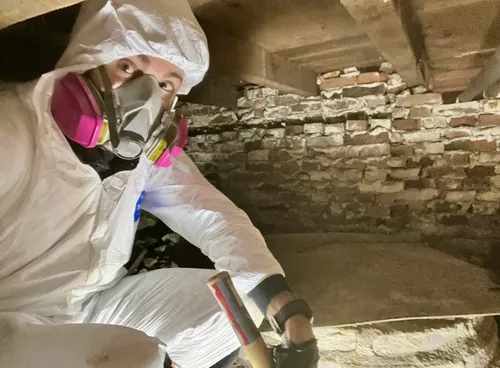
Elite Home & Mold Inspections
620 Lynn Fells Pkwy, Melrose, MA 02176
Elite Home & Mold Inspections provides mold inspections, indoor air quality testing, asbestos surveys, VOC and formaldehyde testing, duct cleaning, and comprehensive home and commercial property inspections in Boston, MA. Their team includes certified professionals with extensive building construction knowledge who deliver detailed reports and expert recommendations to help clients understand and address environmental concerns. Serving both Massachusetts and New Hampshire, they focus on health and safety with advanced testing methods and thorough evaluations.
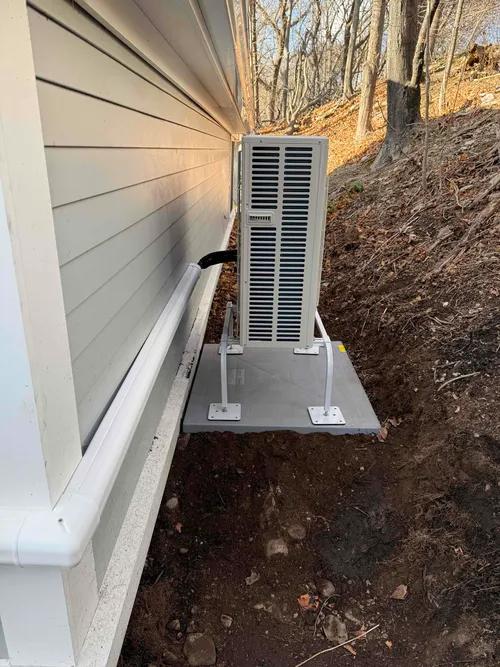
Yellow Dog Plumbing, Heating & Cooling
19 Kearney Rd, Needham, MA 02494
Yellow Dog Plumbing, Heating & Cooling is a plumbing and HVAC company serving Boston, MA, and nearby areas. They offer a wide range of services including air conditioning, furnace, heat pump, and boiler repair and installation, as well as HVAC tune-ups and indoor air quality solutions. Their technicians are equipped to handle both residential and light commercial HVAC needs, with well-stocked trucks to complete most repairs on the first visit. Yellow Dog emphasizes clear communication and customer care, providing same-day service and 24/7 live answering to support their clients' comfort and safety.
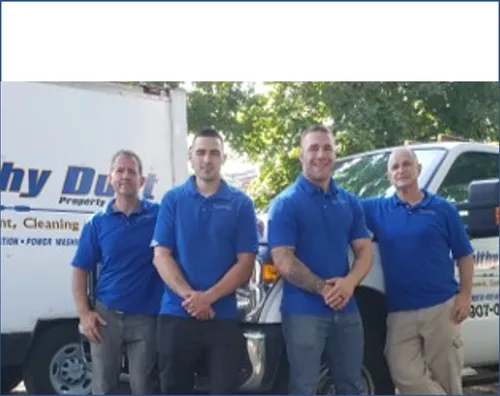
Healthy Duct Property Services
17 Prospect St Ave, Waltham, MA 02453
Healthy Duct Property Services is a certified air duct cleaning company based in Boston, MA. They specialize in HVAC air duct cleaning and indoor air quality services, serving customers across Eastern Massachusetts. The company is NADCA certified as an Air Systems Cleaning Specialist and Ventilation Systems Mold Remediator, providing expert cleaning and restoration to improve home environments. Healthy Duct offers detailed assessments to help customers make informed decisions about their air duct maintenance. Their services focus on removing contaminants like bacteria and mold that can affect indoor air quality.
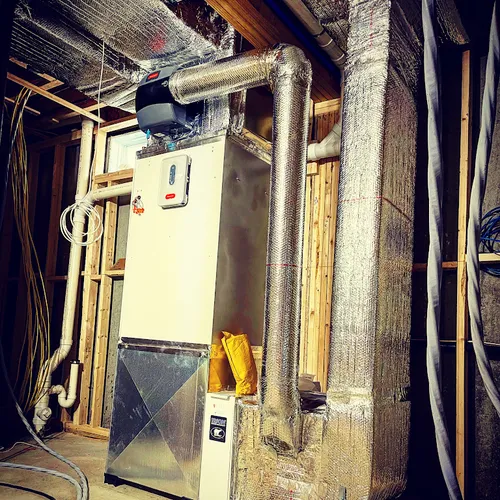
EML Mechanical
28 Pine St, Stoneham, MA 02180
EML Mechanical is an HVAC company serving Boston, MA, and the Greater Northshore Community. They provide residential and commercial heating, ventilation, and air conditioning services, including installation, repair, and tune-ups for systems like furnaces, heat pumps, and air conditioners. EML Mechanical is a MassSave-approved contractor, offering access to energy efficiency rebates and financing options. Their services also include indoor air quality solutions and thermostat installation. The company emphasizes integrity, expertise, and customer-focused service, with 24/7 emergency support available through their service membership plans.

Delta Clean Air
529 Main St STE p222, Boston, MA 02129
Delta Clean Air is a duct cleaning company based in Boston, MA, specializing in air duct cleaning, dryer vent cleaning, and chimney sweeping for both residential and commercial properties. They use eco-friendly, non-toxic cleaning agents and modern tools to remove dust, allergens, mold, and other contaminants, improving indoor air quality and HVAC efficiency. The company follows certified industry standards and sustainable practices, including the use of biodegradable materials and reduced emissions. Delta Clean Air offers 24/7 air duct cleaning solutions to meet customer needs at any time.
Why Indoor Air Quality Matters in Massachusetts
Massachusetts residents spend the vast majority of their time indoors, especially during the harsh New England winters. The state's diverse climate and housing present unique challenges. Older homes may have inadequate ventilation, leading to pollutant buildup, while newer, tightly-sealed homes can trap contaminants inside. Furthermore, high humidity in coastal areas and river valleys creates ideal conditions for mold and dust mites. Proactively managing your indoor environment can reduce risks associated with asthma, allergies, respiratory illnesses, and long-term exposure to certain pollutants 1.
Key Pollutants and Massachusetts Guidelines
Understanding the specific contaminants of concern is the first step toward cleaner air. Massachusetts public health and environmental agencies provide clear guidance on the primary targets for IAQ management.
Moisture and Mold
Controlling moisture is arguably the most critical IAQ issue in the state. The Massachusetts Department of Public Health (MDPH) emphasizes that mold growth begins with water. To prevent it:
- Maintain indoor relative humidity below 60% (ideally between 30-50%).
- Fix plumbing leaks, roof leaks, and foundation seepage promptly.
- Dry any wet building materials or furnishings within 24-48 hours to prevent mold colonization. Unchecked moisture not only leads to mold but also encourages dust mites and can damage the structural integrity of your home.
Combustion Pollutants: Carbon Monoxide and Particulate Matter
These invisible threats come from fuel-burning appliances, vehicles in attached garages, tobacco smoke, and wood-burning stoves.
- Carbon Monoxide (CO): A deadly, odorless gas. Massachusetts law requires CO alarms in most residences. Ensure all fuel-burning appliances (furnaces, water heaters, stoves) are properly vented and serviced annually.
- Fine Particulate Matter (PM2.5): These microscopic particles can penetrate deep into the lungs. Sources include combustion, cooking, and outdoor air infiltration. Reducing exposure involves proper appliance venting and using high-efficiency air filters.
Volatile Organic Compounds (VOCs)
VOCs are gases emitted from a wide array of common household products, including paints, varnishes, cleaning supplies, adhesives, and synthetic furnishings. They can cause short-term irritation and may have long-term health effects. Massachusetts guidelines recommend:
- Increasing ventilation when using high-VOC products.
- Choosing low-VOC or VOC-free alternatives when possible.
- Allowing new furniture or building materials to off-gas in a well-ventilated area before installation.
Carbon Dioxide (CO₂) and Ventilation
CO₂ levels are a direct indicator of how much fresh outdoor air is mixing with indoor air. The MDPH uses CO₂ as a surrogate for overall ventilation effectiveness.
- Levels below 800 parts per million (ppm) generally indicate good air exchange.
- Levels consistently above 800-1,000 ppm are linked to occupant complaints like drowsiness, headaches, and poor concentration, signaling inadequate ventilation 2.
Radon
This radioactive soil gas is a significant health concern and is prevalent in many parts of Massachusetts. It enters homes through cracks in floors and foundations. The only way to know if you have a radon problem is to test. The state recommends all homeowners test for radon, and systems can be installed to mitigate high levels 3.
Ventilation Standards and Best Practices
Proper ventilation dilutes and removes indoor pollutants by bringing in fresh outdoor air. Massachusetts follows nationally recognized standards to ensure adequate air exchange.
ASHRAE Standards: These are the benchmarks for ventilation system design.
- ANSI/ASHRAE 62.1 covers commercial and institutional buildings.
- ANSI/ASHRAE 62.2 covers residential buildings, setting minimum requirements for whole-house and local exhaust ventilation.
Practical Ventilation Goals:
- Fresh Air Rate: Aim for at least 20 cubic feet per minute (cfm) of fresh air per person in occupied spaces.
- Continuous Operation: Ventilation systems, including bathroom and kitchen exhaust fans and dedicated fresh air intakes, should operate whenever the building is occupied.
- Spot Ventilation: Always use exhaust fans vented to the outdoors during and after bathing, cooking, or cleaning to remove moisture and pollutants at the source.
Find the perfect indoor air quality service providers for your needs
Get personalized recommendations and expert advice
Professional IAQ Inspections and Assessments
If you suspect an IAQ problem or want a baseline evaluation, a professional assessment can identify hidden issues. In Massachusetts, these inspections typically examine:
- Moisture Mapping: Using moisture meters and thermal imaging to find hidden leaks and condensation.
- Ventilation Measurement: Using tools like blower doors and tracer gas to measure air exchange rates and system performance.
- Pollutant Sampling: Testing for specific contaminants like mold spores, formaldehyde, lead dust, or asbestos (common in older MA homes).
- Combustion Appliance Safety Checks: Verifying proper venting and drafting for furnaces, boilers, and water heaters.
The cost for a comprehensive IAQ inspection in Massachusetts can range from $300 to over $1,000, depending on the size of the property and scope of testing 4.
Improvement Strategies and Associated Costs
Once issues are identified, a range of solutions exists, from simple DIY fixes to major system upgrades.
Cost-Effective DIY & Source Control:
- Fix leaks and repair water damage immediately.
- Use doormats and remove shoes to reduce tracked-in pollutants.
- Switch to milder, fragrance-free cleaning products.
- Ensure furniture and stove vents are not blocked.
- Vacuum regularly with a HEPA-filtered vacuum cleaner.
- Replace standard HVAC filters with higher-efficiency MERV 11-13 filters (check your system's compatibility first).
Professional Remediation and Upgrades:
- Mold Remediation: For contained areas, professional cleanup may cost $500 to $3,000. Extensive contamination requiring containment and structural repair can cost significantly more 5.
- Ventilation System Upgrades: Installing a dedicated fresh air system, such as an Energy Recovery Ventilator (ERV) or Heat Recovery Ventilator (HRV), is highly effective in Massachusetts' climate. These systems bring in fresh air while recovering energy from the exhaust air, maintaining comfort. Installation costs typically range from $1,500 to $10,000+, depending on the home's size and complexity 6 7.
- Radon Mitigation: Installing a sub-slab depressurization system usually costs between $1,200 and $2,500.
- Duct Cleaning & Sealing: If your forced-air system is contaminated with mold or dust, professional cleaning may be warranted. Sealing leaky ducts can also improve efficiency and IAQ.
Remember, the most effective strategy is often source control-removing or reducing the pollutant at its origin-which is usually more cost-effective than trying to dilute or filter it later 8.
Massachusetts Resources and Support
Residents have access to valuable state-level resources:
- The Indoor Air Quality Outreach and Education Unit within the Massachusetts Department of Public Health provides guidance, responds to inquiries, and offers educational materials.
- Mass.gov hosts a dedicated list of indoor air quality guidelines and fact sheets on topics from mold to asthma triggers 9.
- For schools and public buildings, the state offers specific protocols and assessment support to ensure healthy environments for children and employees.
Taking steps to improve your indoor air is an investment in your health and your property. By understanding the local guidelines and common issues faced in Massachusetts homes and buildings, you can make informed decisions to breathe easier.