Find the Best Indoor Air Quality Service Providers for Your Business
No obligation • Fast responses • Nationwide coverage

Why you can trust HVAC Firms
HVAC Firms is a leading United States resource for evaluating HVAC service providers. Our team researches companies, checks credentials, and reviews customer feedback to present clear, unbiased information. Listings and rankings are based on merit, and companies cannot pay to change our editorial content.
Search providers near you
Top Indoor Air Quality Service Providers in Boston, Massachusetts Ranked
The air inside your Boston home or office can have a significant impact on your health, comfort, and productivity. Indoor air quality, or IAQ, refers to the condition of the air within buildings, influenced by pollutants, humidity, and ventilation. In a city with historic buildings and variable New England weather, managing your indoor environment is crucial. This guide helps you understand common local air quality concerns, from testing options to improvement strategies, so you can find the right local expertise to create a healthier indoor space.
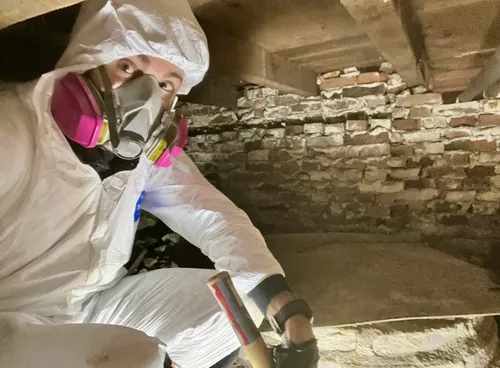
Elite Home & Mold Inspections
620 Lynn Fells Pkwy, Melrose, MA 02176
Elite Home & Mold Inspections provides mold inspections, indoor air quality testing, asbestos surveys, VOC and formaldehyde testing, duct cleaning, and comprehensive home and commercial property inspections in Boston, MA. Their team includes certified professionals with extensive building construction knowledge who deliver detailed reports and expert recommendations to help clients understand and address environmental concerns. Serving both Massachusetts and New Hampshire, they focus on health and safety with advanced testing methods and thorough evaluations.
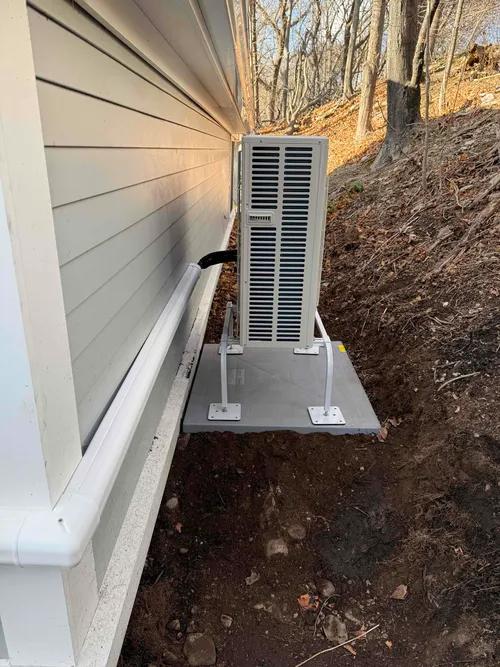
Yellow Dog Plumbing, Heating & Cooling
19 Kearney Rd, Needham, MA 02494
Yellow Dog Plumbing, Heating & Cooling is a plumbing and HVAC company serving Boston, MA, and nearby areas. They offer a wide range of services including air conditioning, furnace, heat pump, and boiler repair and installation, as well as HVAC tune-ups and indoor air quality solutions. Their technicians are equipped to handle both residential and light commercial HVAC needs, with well-stocked trucks to complete most repairs on the first visit. Yellow Dog emphasizes clear communication and customer care, providing same-day service and 24/7 live answering to support their clients' comfort and safety.
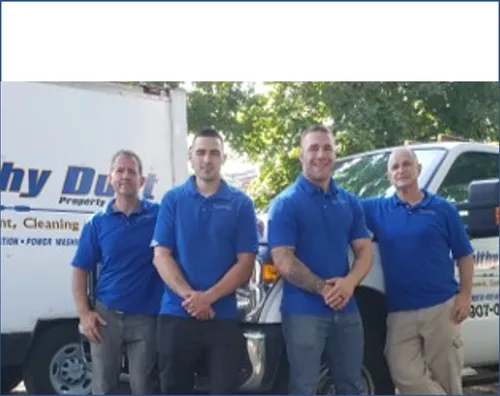
Healthy Duct Property Services
17 Prospect St Ave, Waltham, MA 02453
Healthy Duct Property Services is a certified air duct cleaning company based in Boston, MA. They specialize in HVAC air duct cleaning and indoor air quality services, serving customers across Eastern Massachusetts. The company is NADCA certified as an Air Systems Cleaning Specialist and Ventilation Systems Mold Remediator, providing expert cleaning and restoration to improve home environments. Healthy Duct offers detailed assessments to help customers make informed decisions about their air duct maintenance. Their services focus on removing contaminants like bacteria and mold that can affect indoor air quality.
EML Mechanical
28 Pine St, Stoneham, MA 02180
EML Mechanical is an HVAC company serving Boston, MA, and the Greater Northshore Community. They provide residential and commercial heating, ventilation, and air conditioning services, including installation, repair, and tune-ups for systems like furnaces, heat pumps, and air conditioners. EML Mechanical is a MassSave-approved contractor, offering access to energy efficiency rebates and financing options. Their services also include indoor air quality solutions and thermostat installation. The company emphasizes integrity, expertise, and customer-focused service, with 24/7 emergency support available through their service membership plans.

Delta Clean Air
529 Main St STE p222, Boston, MA 02129
Delta Clean Air is a duct cleaning company based in Boston, MA, specializing in air duct cleaning, dryer vent cleaning, and chimney sweeping for both residential and commercial properties. They use eco-friendly, non-toxic cleaning agents and modern tools to remove dust, allergens, mold, and other contaminants, improving indoor air quality and HVAC efficiency. The company follows certified industry standards and sustainable practices, including the use of biodegradable materials and reduced emissions. Delta Clean Air offers 24/7 air duct cleaning solutions to meet customer needs at any time.
Common Indoor Air Pollutants in Boston Homes
Boston's unique climate and building stock contribute to specific indoor air challenges. Understanding these common pollutants is the first step toward addressing them.
- Moisture and Mold: Due to the city's humid summers, cold winters, and frequent precipitation, moisture is a persistent issue. Older buildings with basements or poor drainage are particularly susceptible to water leaks and high humidity, which can lead to mold growth. This mold can release spores that trigger allergies and asthma.
- Volatile Organic Compounds (VOCs): These are gases emitted from a wide array of everyday products. In Boston homes, common sources include new furniture, paints, varnishes, cleaning supplies, and even air fresheners. During renovations or in newly constructed spaces, VOC levels can be especially high.
- Combustion Products: These pollutants come from burning fuels. In residential settings, sources include gas stoves, fireplaces, wood-burning stoves, and improperly vented heating appliances. Ensuring proper ventilation when using these appliances is critical.
- Allergens and Particulates: Dust mites, pet dander, and pollen (which can be high in certain seasons) are common airborne particles. These are often exacerbated by inadequate filtration in heating and cooling systems, allowing them to circulate throughout your living space.
How to Test Your Indoor Air in Boston
Before investing in solutions, it's wise to assess the current state of your air. Boston residents have several options for testing, ranging from DIY approaches to professional assessments.
DIY Air Quality Monitors: For ongoing awareness, consumer-grade monitors are a popular starting point. Devices from companies like Airthings can track key indicators such as particulate matter (PM2.5), VOC levels, carbon dioxide (CO2), humidity, temperature, and even radon 1. These provide real-time data and trends, helping you identify problems like poor ventilation or high humidity.
Professional IAQ Testing and Assessment: For a comprehensive analysis, especially if health symptoms are present or a specific contaminant like mold is suspected, hiring a professional is recommended. Local companies such as Aspen Environmental and Green Home Solutions offer specialized testing services 2. A professional assessment typically involves:
- A visual inspection for moisture sources, mold growth, and ventilation issues.
- Air sampling to identify specific types of mold spores, bacteria, or chemical contaminants.
- Measurement of parameters like carbon monoxide, radon, and formaldehyde.
- A detailed report outlining findings and recommended actions.
The cost for professional home indoor air quality testing in the Boston area can range from $250 to over $1,000, depending on the size of the property and the scope of testing required 3.
Government and Public Resources: The Massachusetts Department of Public Health (MDPH) provides extensive guidance and resources on indoor air quality, particularly for public buildings and schools 4. While they may not conduct residential testing, their published manuals and guides offer valuable methodologies and standards that professionals follow 5 6.
Strategies and Solutions for Cleaner Indoor Air
Improving your home's air doesn't always require a major investment. Experts recommend a tiered approach, starting with the most effective and often least expensive measures.
1. Source Control (Low to No Cost) The most effective way to improve air quality is to eliminate pollutants at their source.
- Use exhaust fans in kitchens and bathrooms to remove moisture and combustion gases directly.
- Choose low-VOC or VOC-free paints, adhesives, and cleaning products.
- Store chemicals, paints, and solvents in well-ventilated areas or sheds, not in living spaces.
- Address water leaks and spills immediately to prevent mold growth.
2. Improved Ventilation (Medium Cost) Diluting stale indoor air with fresh outdoor air is essential.
- Run the fan on your HVAC system periodically to circulate air through filters.
- Ensure your mechanical systems are properly balanced to provide adequate fresh air intake without wasting energy. A professional HVAC technician can perform this balancing service, which may cost between $200 and $1,000+.
- Open windows when weather and outdoor air quality permit.
3. Air Filtration and Purification (Variable Cost) Filtration captures particles that are already airborne.
- HVAC Filter Upgrades: The simplest step is to upgrade the filter in your central heating and cooling system. Look for filters with a higher MERV rating, and consider HEPA-grade filters if your system can accommodate them 7. Filter changes typically cost between $20 and $100+.
- Portable Air Purifiers: For individual rooms, standalone units with HEPA and activated carbon filters can effectively reduce particulates and some gases. Costs range from under $100 for a basic unit to over $1,000 for whole-room or smart purifiers.
Find the perfect indoor air quality service providers for your needs
Get personalized recommendations and expert advice
4. Moisture and Mold Control (Cost Varies Widely) Controlling humidity is non-negotiable in Boston's climate.
- Use dehumidifiers in damp areas like basements to keep relative humidity below 60%.
- For active mold growth, professional remediation is often necessary. The cost for mold remediation can run into the thousands of dollars, depending on the extent of the problem 8.
- Ensure gutters and downspouts direct water away from your home's foundation.
5. Essential Safety Devices (Low Cost) Some protections are mandatory for safety.
- Carbon Monoxide (CO) Detectors: Massachusetts law requires these on every habitable level of a home. CO is an odorless, deadly gas produced by incomplete combustion. Detectors cost between $20 and $100 each 9 10.
- Radon Testing: While not as common as in some other regions, radon testing is a wise precaution, as this radioactive gas can seep into basements from the ground.
The key takeaway for Boston homeowners and building managers is to start with source control and basic monitoring 11. If issues persist or are severe, escalate to a professional assessment. This allows for targeted, cost-effective remediation or system upgrades, ensuring you breathe easier in your Boston home.
Frequently asked questions
Sources
Footnotes
-
How to test indoor air quality in your home - Airthings - https://www.airthings.com/resources/how-to-test-air-quality-in-your-home ↩
-
Indoor Air Quality Testing in Boston MA & Beyond - https://aspenenvironmentalservices.com/indoor-air-quality-testing/ ↩
-
How Much Does Professional Home Indoor Air Quality Testing Cost? - https://www.airpf.com/how-much-does-a-home-indoor-air-quality-testing-cost/ ↩
-
INDOOR AIR QUALITY OUTREACH AND EDUCATION UNIT - https://www.mass.gov/doc/one-page-fact-sheet-on-the-iaq-program-pdf/download ↩
-
IAQ Manual - Chapter I - Indoor Air Quality Evaluation Methods - https://www.mass.gov/doc/chapter-i-indoor-air-quality-assessment-methods/download ↩
-
INDOOR AIR SAMPLING AND EVALUATION GUIDE | Mass.gov - https://www.mass.gov/doc/wsc-02-430-indoor-air-sampling-and-evaluation-guide-0/download ↩
-
Indoor Air Quality - MEPHT - https://matracking.ehs.state.ma.us/Environmental-Data/indoor-air-quality/index.html ↩
-
Indoor Air Quality Testing in Boston, MA - Green Home Solutions - https://www.greenhomesolutions.com/boston/our-services/air-quality-testing/ ↩
-
INDOOR AIR QUALITY ASSESSMENT - Mass.gov - https://www.mass.gov/doc/department-of-industrial-accidents-1-congress-street-october-2010/download ↩
-
8+ Best Boston Indoor Air Quality Testing | Fast Results - https://jitsi.cmu.edu.jm/boston-indoor-air-quality-testing/ ↩
-
THREE BASIC STRATEGIES TO IMPROVE INDOOR AIR QUALITY - https://airquip.com/three-basic-strategies-to-improve-indoor-air-quality/ ↩